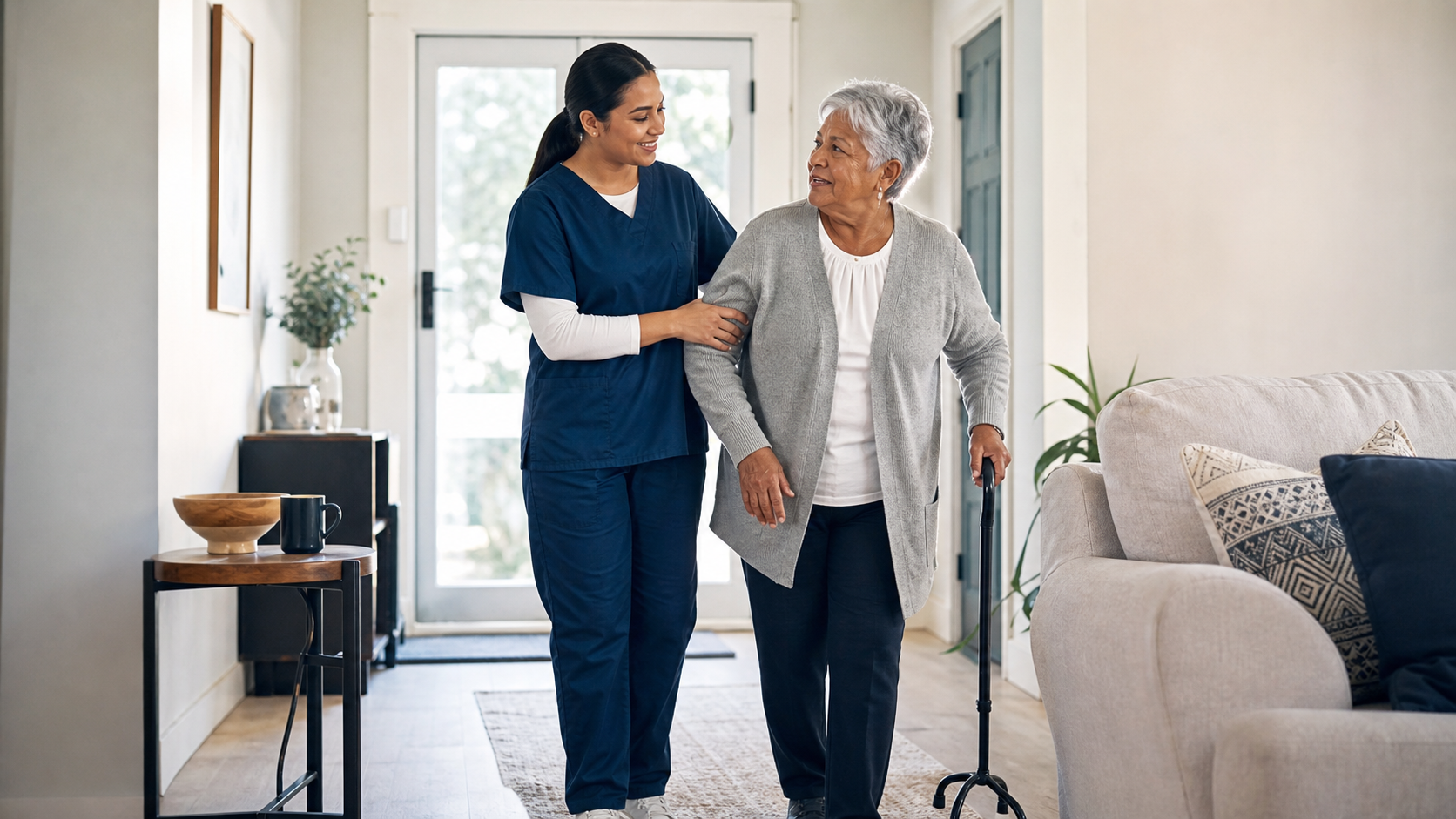
Live-In Caregiver Assistance: A Practical Guide to Safe, Personalized Care at Home
Choosing Live-In Caregiver Assistance can help an older adult or another person who needs ongoing support remain at home while receiving help with everyday activities, companionship, routines, and other services permitted under the caregiver’s role. The arrangement can provide greater continuity than short visits, but the phrase live in does not necessarily mean one caregiver works or remains awake around the clock. Caregiver duties, sleep and break requirements, employment rules, clinical limitations, costs, and supervision all need careful consideration. Families can make better decisions by starting with an individualized care assessment and clearly defining what support is actually required throughout the day and night.
What Is Live-In Caregiver Assistance?
Live-In Caregiver Assistance generally describes an arrangement in which a caregiver resides in or spends an extended period in the care recipient’s home while providing agreed personal and household support.
Exact definitions differ among agencies, employment arrangements, insurers, government programs, and jurisdictions. Families should therefore confirm how a specific provider defines live in care.
Services can include assistance with activities of daily living and instrumental activities of daily living, depending on individual needs and the caregiver’s authorized scope.
What Can a Live-In Caregiver Do?
Nonmedical caregiver duties may include support with:
• Bathing and grooming
• Dressing
• Toileting
• Mobility and transfers
• Meal preparation
• Light household tasks
• Laundry
• Companionship
• Transportation or errands where authorized
• Routine reminders
• Assistance with established daily routines
The actual service plan should define responsibilities instead of assuming every caregiver provides the same tasks.
Is Live-In Care the Same as 24 Hour Care?
Not necessarily.
One live in caregiver cannot reasonably be assumed to provide continuous awake care 24 hours a day. Caregivers need appropriate opportunities for sleep, meals, breaks, and personal needs, and employment rules can regulate working conditions.
Around the clock care commonly requires multiple caregivers working shifts when the person needs active supervision or assistance throughout both day and night.
Live-In Care Versus Shift Care
Live in arrangements often emphasize continuity with longer caregiver presence, including scheduled rest periods.
Shift based care divides coverage among caregivers during defined working periods. This can be more appropriate when frequent overnight intervention or continuous awake supervision is required.
Providers should explain exactly how nighttime needs are handled.
7 Powerful Live-In Caregiver Assistance Benefits and Considerations
The right care arrangement depends on health, mobility, cognition, home environment, family resources, and the amount of assistance needed. These seven considerations can help families evaluate whether live in support fits those circumstances.
1. Live-In Caregiver Assistance Can Support Daily Activities
Many people seek home care because everyday activities have become difficult rather than because they need hospital level medical treatment.
A caregiver can provide individualized assistance based on functional ability.
Activities of Daily Living
Healthcare and long term care planning commonly refer to activities of daily living, often called ADLs.
These generally involve fundamental personal care tasks such as bathing, dressing, toileting, eating, transferring, and mobility, although definitions can vary.
A care assessment can identify which activities require assistance and how much support is appropriate.
Support Should Preserve Independence
Good assistance does not necessarily mean performing every task for the care recipient.
When safe and appropriate, caregivers can support the person in doing parts of activities they remain capable of completing.
This can preserve routine, choice, and personal preferences.
Instrumental Activities of Daily Living
More complex daily tasks are commonly described as instrumental activities of daily living, or IADLs.
Examples can include meal preparation, shopping, household tasks, transportation, communication, and other activities needed for independent community living.
The exact services a caregiver may perform depend on the care agreement and local requirements.
2. Live-In Caregiver Assistance Can Provide Greater Continuity
Having consistent caregivers can make routines easier to establish.
Continuity can also help caregivers become familiar with the person’s preferences, communication style, mobility needs, meals, and normal daily patterns.
Familiarity Can Improve Communication
A caregiver who knows the client’s typical routine may more readily recognize when something has changed.
Changes still require appropriate communication rather than independent medical conclusions outside the caregiver’s role.
Fewer Caregiver Transitions
Live in arrangements can sometimes reduce the number of daily handoffs compared with short shift models.
This can be valuable for clients who find frequent unfamiliar visitors disruptive.
However, agencies may still rotate caregivers to provide time off, holidays, backup coverage, and appropriate working conditions.
Develop a Consistent Care Plan
A written plan gives caregivers and relatives a common reference.
It can document routines, mobility assistance, dietary needs, personal preferences, emergency contacts, appointments, authorized services, and communication procedures.
Plans should be updated when needs change.
3. Personalize Live-In Caregiver Assistance to Health Needs
Home care should start with an assessment rather than a predefined package.
Two people of the same age can require very different forms of assistance.
Consider Mobility Needs
Mobility support may involve walking assistance, positioning, or transfers depending on the person’s abilities.
Unsafe manual lifting can injure both the client and caregiver.
Where transfer assistance is required, appropriate techniques, training, and equipment should be determined by qualified professionals.
Fall Prevention Requires a Broader Approach
A caregiver can help reduce certain fall risks by maintaining clear pathways, supporting safe routines, and using prescribed mobility aids correctly.
Falls can also be influenced by medications, vision, blood pressure, muscle weakness, footwear, cognition, and environmental conditions.
People experiencing falls or significant balance changes may need evaluation by appropriate healthcare professionals.
Consider Vision and Hearing
Hearing or vision difficulties can affect communication and safe navigation around the home.
Care plans can incorporate appropriate lighting, communication techniques, prescribed devices, and environmental organization.
A caregiver should not independently diagnose sensory problems.
4. Understand Dementia and Live-In Caregiver Assistance
People living with Alzheimer’s disease or another form of dementia may benefit from familiarity, routine, and individualized support at home.
Care requirements can become substantial as cognitive impairment progresses.
Dementia Care Requires Specific Skills
Relevant caregiver training may include communication strategies, personal care, behavior support, wandering risk management, routine development, and recognizing changes that should be reported.
Families should ask providers about actual dementia care training rather than relying on a general claim of experience.
Avoid Unnecessary Confrontation
Communication approaches often need to account for impaired memory, reasoning, language, or perception.
Caregivers can use calm, clear communication and adapt tasks to the person’s abilities.
Specific approaches should respect individual preferences and dignity.
Wandering and Exit Seeking
Some people with dementia may leave the home unexpectedly and become lost.
A safety plan can involve appropriate supervision, identification measures, environmental strategies, and an emergency response plan.
Any monitoring or door security measures should respect legal requirements, emergency egress, and the person’s rights.
Dementia Can Progress
A live in arrangement that works at one stage may no longer provide sufficient support later.
Increasing nighttime activity, unsafe wandering, complex medical needs, or substantial transfer assistance can require additional staffing or another care model.
Reassessment should be an ongoing process.
5. Separate Nonmedical Live-In Caregiver Assistance From Skilled Care
One of the most important distinctions is between personal home care and skilled healthcare.
A live in caregiver’s presence does not automatically mean the person is qualified or legally authorized to provide nursing services.
Nonmedical Home Care
Depending on local rules, nonmedical services can include personal care, companionship, meals, household assistance, and routine reminders.
These services focus on everyday functioning.
Skilled Home Healthcare
Skilled healthcare may involve licensed nurses, physical therapists, occupational therapists, speech language pathologists, or other qualified clinicians.
Examples can include wound care, certain medication related services, injections, clinical assessments, and rehabilitation.
Eligibility and scope vary by jurisdiction, provider, and payer.
Medication Assistance Requires Careful Definition
Medication services are regulated differently across locations.
A nonmedical caregiver may be permitted to provide certain reminders or limited assistance under defined circumstances but may not be authorized to administer medications.
Families should confirm exactly what the caregiver can legally and competently do.
Do Not Ask Caregivers to Work Outside Their Scope
As care needs increase, informal expansion of caregiver responsibilities can create safety and legal problems.
Bring in nursing or other clinical support when medically skilled tasks are required.
6. Make Safety Central to Live-In Caregiver Assistance
Care at home works best when the environment supports both the client and caregiver.
A home safety assessment can identify obstacles before an injury occurs.
Evaluate Common Household Risks
Areas to consider include:
• Stairs
• Bathrooms
• Loose rugs
• Cluttered pathways
• Poor lighting
• Bed and chair heights
• Bathroom access
• Mobility equipment
• Kitchen safety
• Emergency exits
• Smoke and carbon monoxide alarms
Not every home needs extensive renovation.
Changes should reflect the individual’s abilities and risks.
Bathroom Safety
Bathrooms can be challenging for people with mobility or balance limitations.
Depending on professional recommendations and individual needs, modifications might include appropriately installed grab bars, suitable bathing equipment, improved lighting, or other accessibility measures.
Improvised supports such as towel bars should not be treated as structural grab bars.
Create an Emergency Plan
Caregivers should know what to do in emergencies.
The plan can include emergency contacts, medical information, preferred hospital information where relevant, evacuation arrangements, and instructions for contacting family or care managers.
Emergency numbers should be readily accessible.
Know When to Call Emergency Services
Caregivers should follow established emergency procedures for severe or sudden symptoms, serious injuries, breathing difficulties, loss of consciousness, suspected stroke, significant chest pain, or other urgent conditions.
Caregiver presence is not a substitute for emergency medical services.
7. Choose Live-In Caregiver Assistance Carefully
The quality of home care depends heavily on caregiver selection, supervision, communication, and backup arrangements.
Families can hire through an agency or employ caregivers privately, subject to local requirements.
Agency Based Care
Agencies may handle functions such as recruiting, scheduling, payroll, supervision, and replacement coverage.
Their responsibilities differ, so families should verify exactly what is included.
Private Caregiver Arrangements
Direct hiring can provide families with greater control over selection and employment terms.
It can also create employer responsibilities involving payroll, taxes, insurance, scheduling, workers’ rights, and compliance with labor laws.
Professional employment or legal guidance can be useful when creating a direct hire arrangement.
Screen Caregivers Appropriately
Depending on local laws and the nature of care, screening may involve:
• Identity verification
• References
• Employment history
• Relevant credentials
• Background checks
• Driving record when transportation is required
• Training verification
• Work authorization
Screening rules and permitted background checks vary by jurisdiction.
Interview for Compatibility
Technical competence is important, but the caregiver will also spend extensive time in the person’s home.
Discuss communication, routines, food preferences, household expectations, cultural considerations, pets, smoking rules, transportation, privacy, and other daily realities.
Compatibility should never replace qualification, but it remains important.
Live-In Caregiver Assistance for Older Adults
Older adults seek home assistance for many reasons, including mobility limitations, chronic illness, cognitive impairment, recovery from illness, or increasing difficulty with daily tasks.
Age alone does not determine whether care is necessary.
Aging in Place
Aging in place describes remaining in one’s home and community while needs change.
Caregiver support can be one component alongside accessible housing, transportation, healthcare, social support, and family involvement.
Care Needs Can Change
A person may initially need help with meals and errands but later require personal care or mobility assistance.
Regular reassessment can help services evolve with functional changes.
Live-In Caregiver Assistance After Hospital Discharge
Returning home after hospitalization can create new care needs.
Discharge instructions should guide the transition.
Coordinate With the Healthcare Team
Before discharge, clarify mobility restrictions, follow up appointments, medications, equipment, diet instructions, warning signs, and required skilled services.
The caregiver should receive information appropriate to their role and the patient’s consent.
Understand the Limits of Home Care
A caregiver can provide substantial practical support without replacing clinicians.
If discharge requires nursing, therapy, or other skilled treatment, those services should be arranged separately through appropriate providers.
Live-In Caregiver Assistance and Companionship
Social connection can be an important component of home care.
Caregivers may engage clients in conversation, hobbies, meals, walks where safe, errands, and other activities that match the person’s interests.
Personalize Activities
Meaningful companionship depends on preferences.
One person may enjoy gardening, while another prefers music, reading, religious activities, community events, or quiet conversation.
Watch for Major Changes
Caregivers may notice changes in appetite, mood, sleep, mobility, communication, or participation.
They should report concerns according to the care plan instead of independently diagnosing the cause.
Persistent or concerning changes may warrant professional evaluation.
Live-In Caregiver Assistance and Nighttime Needs
Nighttime requirements are central when deciding between live in and continuous shift care.
A caregiver who needs regular sleep cannot simultaneously provide frequent awake supervision throughout the night.
Assess Overnight Assistance
Consider:
• Toileting frequency
• Fall risk
• Dementia related wandering
• Sleep disruption
• Repositioning needs
• Medical requirements
• Frequency of caregiver intervention
These factors help determine staffing requirements.
Discuss Sleep Arrangements
A live in caregiver generally needs suitable private accommodations consistent with the arrangement and applicable laws.
Providers should clearly explain expectations around sleeping periods and interruptions.
How Much Does Live-In Caregiver Assistance Cost?
There is no universal rate.
Pricing varies with location, hours, agency structure, caregiver qualifications, care complexity, overnight requirements, employment rules, transportation, and additional services.
Factors Affecting Live-In Care Costs
Potential cost factors include:
• Daily care requirements
• Overnight needs
• Number of caregivers
• Agency fees
• Geographic location
• Personal care needs
• Dementia support
• Transportation
• Holidays and overtime
• Backup coverage
• Caregiver qualifications
Request a written explanation of fees before services begin.
Compare Care Models, Not Just Daily Prices
A live in quote and a 24 hour shift care quote may represent very different staffing.
Ask how many working hours are included and how breaks, sleep, overtime, replacement caregivers, and nighttime calls are handled.
Does Medicare Cover Live-In Caregiver Assistance?
In the United States, Medicare generally does not operate as a comprehensive payer for long term custodial care simply because someone needs ongoing help at home.
Medicare may cover qualifying home health services under specific eligibility requirements.
Medicare Home Health Is Different From Long Term Custodial Care
Eligible Medicare home health benefits focus on covered skilled services and related qualifying care.
They should not be assumed to fund continuous personal care or a permanent live in caregiver.
Check current Medicare information for individual eligibility and coverage.
Medicaid Coverage
Medicaid programs vary by state and may offer home and community based services for eligible individuals.
Financial and functional eligibility rules differ.
Contact the relevant state Medicaid program for current information.
Long Term Care Insurance
Some long term care insurance policies may provide benefits for qualifying home care.
Coverage depends on the contract, benefit triggers, elimination periods, daily or monthly limits, and eligible provider requirements.
Review the actual policy with the insurer before assuming coverage.
Creating a Live-In Care Plan
A detailed plan reduces ambiguity for the client, family, and caregivers.
It should be individualized and practical.
What Should a Care Plan Include?
Depending on needs, document:
• Personal care routines
• Mobility assistance
• Meal preferences
• Allergies
• Communication needs
• Medication related responsibilities
• Appointments
• Household tasks
• Transportation
• Emergency procedures
• Family contacts
• Sleep and nighttime routines
• Client preferences
Review the plan regularly.
Document Important Changes
Changes in mobility, cognition, health, sleep, continence, or behavior can alter care requirements.
Caregivers should have a clear method for reporting concerns promptly.
Family Involvement in Live-In Caregiver Assistance
Hiring a caregiver does not necessarily remove family involvement.
Clear communication can help everyone understand roles and reduce duplicated or conflicting instructions.
Choose a Primary Contact
Designating a family contact can simplify routine decisions and communication with the agency or caregiver.
Backup contacts should also be documented.
Respect the Care Recipient’s Preferences
When the person can make their own decisions, their choices should remain central to planning.
Care should not become a system designed only for family convenience.
Where decision making capacity is impaired, applicable legal arrangements and the person’s known preferences should guide decisions.
Caregiver Burnout and Staffing
Live in work can be physically and emotionally demanding.
A sustainable arrangement needs realistic responsibilities, breaks, rest, and backup coverage.
One Caregiver Cannot Do Everything
Complex care can require multiple professionals and family supports.
Expecting one caregiver to provide continuous personal care, housekeeping, transportation, clinical treatment, and overnight supervision without adequate rest is neither realistic nor sustainable.
Plan Backup Coverage
Illness, holidays, emergencies, and scheduled time off will occur.
Ask the agency or private care arrangement how replacement coverage will be provided.
Signs Care Needs Should Be Reassessed
An existing plan may become insufficient when the person’s condition changes.
Waiting for a serious incident is not the only way to identify increased needs.
Watch for Functional Changes
Reassessment may be appropriate after:
• Repeated falls
• Increasing transfer difficulty
• New wandering
• Significant cognitive change
• Frequent nighttime assistance
• Hospitalization
• New medical treatments
• Difficulty eating or swallowing
• Major behavioral changes
Some changes require prompt medical evaluation rather than simply additional caregiving.
Consider Higher Levels of Care When Needed
Options can include additional home care shifts, skilled home healthcare, adult day services, assisted living, memory care, or nursing facility care depending on needs and eligibility.
The safest option is individual, not universal.
Frequently Asked Questions
What is Live-In Caregiver Assistance?
Live-In Caregiver Assistance generally involves a caregiver residing in or spending extended periods at a client’s home while providing agreed personal and household support.
Does a live in caregiver provide 24 hour awake care?
Usually not. Live in caregivers require sleep and breaks. Continuous awake support typically requires multiple caregivers working scheduled shifts.
What tasks can a live in caregiver perform?
Services can include personal care, meals, mobility support, companionship, light housekeeping, and other authorized tasks. Scope depends on training and local regulations.
Can Live-In Caregiver Assistance help someone with dementia?
Yes, appropriately trained caregivers can support routines, personal care, communication, companionship, and safety for some people with dementia. Needs should be reassessed as the condition changes.
How much does Live-In Caregiver Assistance cost?
Costs vary by location, staffing structure, care needs, nighttime assistance, agency fees, and employment requirements. Request a detailed written quote based on an assessment.
Does Medicare pay for a live in caregiver?
Medicare generally does not cover ongoing custodial live in care simply because someone needs long term daily assistance, although qualifying home health services may be covered under specific conditions.
Conclusion
Live-In Caregiver Assistance can help people receive personalized daily support while remaining in familiar surroundings, but successful care depends on realistic staffing and clearly defined responsibilities. Families should assess personal care, mobility, cognition, overnight needs, safety, and clinical requirements before choosing a provider. A written care plan, qualified caregivers, appropriate backup coverage, and regular reassessment can help create a safer and more sustainable home care arrangement.