PRF Treatment Explained: Uses, Evidence, Procedure, Risks, and Recovery
Interest in PRF treatment has expanded across aesthetic medicine, hair restoration, dentistry, and oral surgery because platelet rich fibrin is prepared from a patient’s own blood and used as an autologous biomaterial. Depending on the technique, the processed material can contain platelets, fibrin, white blood cells, and signaling proteins within a fibrin matrix. Its composition and clinical purpose differ according to how blood is collected, centrifuged, and handled. Some applications have a growing research base, particularly in dentistry and selected regenerative or aesthetic settings, while other promotional claims remain less established. Patients should therefore evaluate PRF according to the exact indication, evidence, protocol, provider qualifications, risks, and available alternatives rather than assuming every treatment marketed as regenerative has proven benefits.
What Is PRF Treatment?
PRF stands for platelet rich fibrin.
PRF is an autologous blood derived product, meaning it is prepared from the patient’s own blood. A clinician collects a blood sample and processes it using a centrifuge under a protocol intended to separate or concentrate particular components.
The resulting material can then be used in a form appropriate to the planned procedure.
What Does PRF Contain?
The exact composition varies with preparation protocol, equipment, centrifugation settings, collection tubes, timing, and the portion of processed blood used.
Depending on the technique, PRF can contain:
• Platelets
• Fibrin
• Leukocytes
• Plasma components
• Signaling proteins
• Other cellular elements
It should not be described as a single completely standardized pharmaceutical product because different protocols can produce meaningfully different preparations.
How Does PRF Work?
Platelets participate in normal clotting and wound healing. They also contain signaling molecules involved in tissue repair processes.
Fibrin forms a matrix that can support clot formation and may influence how cellular and platelet derived components are retained locally.
These biological properties provide the rationale for clinical research into PRF.
Biological Activity Does Not Prove Every Claimed Benefit
A product containing growth factors or cells is not automatically proven to rejuvenate skin, reverse hair loss, or regenerate every tissue.
Clinical effectiveness needs to be evaluated for each specific application through relevant human research.
PRF Treatment Versus PRP Treatment
PRF is frequently compared with PRP, or platelet rich plasma.
Both treatments use blood collected from the patient, but preparation and final product characteristics can differ.
What Is PRP?
Platelet rich plasma is a plasma based preparation containing a platelet concentration produced through a particular processing method.
Different PRP systems themselves vary considerably.
Key Differences Between PRF and PRP
Depending on protocols, differences can include:
• Centrifugation method
• Anticoagulant use
• Fibrin structure
• Cellular composition
• Platelet distribution
• Handling time
• Final consistency
• Clinical application
It is inaccurate to claim universally that PRF is simply a newer and better version of PRP.
Is PRF Better Than PRP?
There is no universal answer.
Research comparing these preparations differs by application, and protocols are not always standardized across studies.
The better choice depends on the indication, evidence, clinician experience, and actual preparation being used.
7 Powerful PRF Treatment Facts Patients Should Know
Understanding the procedure and its limitations can help patients make decisions based on evidence instead of promotional terminology.
1. PRF Treatment Uses the Patient’s Own Blood
One of PRF’s defining features is its autologous origin.
Blood is collected from the person receiving the procedure and then processed for use in that same patient.
Why Autologous Treatment Matters
Using an autologous product avoids some concerns associated with donor biological materials.
However, it does not eliminate procedure related risks.
Allergic Reactions
Because PRF originates from the patient’s own blood, risks associated with foreign biological substances may differ from those associated with synthetic or donor products.
Other substances used during treatment can still cause reactions.
Local Anaesthetic and Skincare Products Matter
A procedure may also involve:
• Local anaesthetic
• Topical numbing products
• Antiseptics
• Dressings
• Other medications
Tell the clinician about allergies and previous reactions.
2. PRF Treatment Is Used in Several Clinical Fields
PRF was not developed exclusively as an aesthetic treatment.
Blood derived fibrin preparations have been investigated and used in dentistry, oral surgery, regenerative medicine, and other clinical areas.
Dental PRF
Dental clinicians may use PRF in selected procedures involving extraction sites, periodontal treatment, bone grafting, implant related surgery, or other oral applications.
Evidence varies by exact indication and treatment protocol.
Aesthetic PRF
Aesthetic clinics may use PRF for selected concerns involving:
• Facial skin
• Periorbital areas
• Hair and scalp treatments
• Combination procedures
These applications should each be evaluated separately.
One Evidence Base Does Not Prove Another
Research showing a benefit in a dental surgical application cannot automatically be used to prove effectiveness for facial rejuvenation.
The tissue, procedure, outcome, and preparation can be completely different.
3. PRF Treatment for Facial Aesthetics Has Limitations
Facial PRF is often promoted for skin quality, fine lines, under eye concerns, and general rejuvenation.
The evidence is developing, but results should not be presented as guaranteed.
PRF for Skin Quality
Researchers have investigated platelet derived products for potential effects on skin characteristics.
Studies can differ in protocol, treatment frequency, outcome measures, and follow up periods.
This makes broad claims difficult.
PRF Under the Eyes
The under eye region is a common target because skin and soft tissue changes there can contribute to an aged or tired appearance.
However, dark circles and hollows have many causes.
Under Eye Concerns Need Accurate Assessment
Possible contributors include:
• Volume loss
• Pigmentation
• Visible blood vessels
• Skin thinness
• Tear trough anatomy
• Eyelid bags
• Shadowing
• Allergies
• Facial structure
PRF cannot logically correct every cause.
A qualified clinician should identify the likely mechanism before recommending treatment.
4. PRF Treatment Is Being Studied for Hair Loss
PRF injections are marketed for hair thinning, often by clinics that also provide PRP.
Evidence for platelet based hair treatments is broader for PRP, while PRF specific research continues to develop.
Diagnose Hair Loss Before Treatment
Hair loss can result from numerous conditions, including:
• Androgenetic alopecia
• Alopecia areata
• Telogen effluvium
• Nutritional deficiency
• Thyroid conditions
• Scalp disease
• Medication effects
• Traction
• Scarring alopecia
Treatment should match the diagnosis.
PRF Is Not a Universal Hair Regrowth Treatment
A person with permanent scarring hair loss, for example, has different needs from someone with pattern hair loss.
Starting injections without establishing the diagnosis can delay appropriate treatment.
Dermatology Evaluation Can Be Valuable
Sudden, patchy, painful, inflammatory, scarring, or unexplained hair loss deserves assessment by an appropriately qualified healthcare professional.
Laboratory evaluation may be appropriate in selected cases.
5. PRF Treatment Has Risks Despite Being Autologous
The phrase natural treatment can create an incorrect impression that PRF has no risk.
Blood collection and injection both involve medical procedures.
Potential Side Effects
Depending on treatment site and method, potential effects can include:
• Pain
• Bruising
• Swelling
• Tenderness
• Bleeding
• Redness
• Infection
• Headache with some treatment locations
• Temporary discomfort
Other procedure specific risks can occur.
Injection Risks Depend on Anatomy
Any injection requires anatomical knowledge and appropriate technique.
Risk profiles differ substantially between the scalp, oral tissues, face, and other treatment areas.
Seek Care for Serious Symptoms
Severe pain, rapidly worsening swelling, substantial bleeding, breathing difficulty, vision symptoms after facial procedures, or other acute concerning symptoms require prompt medical evaluation.
Patients should receive procedure specific emergency instructions.
6. PRF Treatment Requires Proper Blood Handling and Infection Control
Preparing PRF involves blood collection, processing, and reapplication.
The clinic therefore needs appropriate infection prevention procedures.
Single Patient Processing
Blood derived material must be clearly controlled so it remains associated with the correct patient throughout collection and processing.
Sterile or Appropriate Aseptic Technique
Depending on procedure, safety measures can include:
• Hand hygiene
• Skin preparation
• Single use blood collection equipment
• Single use needles
• Appropriate gloves
• Clean processing equipment
• Correct specimen identification
• Sharps disposal
• Treatment area disinfection
Clinics should be able to explain their safety procedures.
Centrifuge Protocol Matters
Speed alone does not define PRF preparation.
Centrifuge radius, relative centrifugal force, processing time, tubes, timing, and protocol can influence the final preparation.
Patients do not need to become laboratory technicians, but providers should understand the system they use.
7. PRF Treatment Results Require Realistic Expectations
PRF is often offered as a series rather than a one time intervention, although appropriate schedules vary.
There is no evidence based universal treatment schedule for every PRF application.
Results Can Vary
Differences can be influenced by:
• Indication
• Age
• Health
• Treatment area
• Preparation method
• Baseline condition
• Treatment frequency
• Other therapies
• Individual biological response
No responsible provider should guarantee a specific cosmetic transformation.
Maintenance Treatment
Some clinics recommend periodic maintenance.
The rationale should be explained for the patient’s exact condition.
Avoid Automatic Subscription Treatment
Patients should not feel obligated to buy an indefinite package before knowing whether the procedure is appropriate or beneficial for them.
Reassessment should guide ongoing treatment.
How Is PRF Treatment Performed?
Protocols differ, but treatment generally begins with consultation and blood collection.
The full appointment can involve several stages.
Consultation and Assessment
The provider reviews the patient’s goals, medical history, medications, and treatment area.
Discuss Medical Conditions
Tell the clinician about relevant conditions involving:
• Blood clotting
• Platelets
• Active infection
• Immune health
• Cancer history where relevant
• Pregnancy or breastfeeding
• Anaemia
• Blood disorders
• Chronic illness
The provider determines whether any condition affects suitability.
Medication Review
Some medicines influence bleeding or platelet function.
Do not stop a prescribed medication solely to qualify for PRF treatment.
Any medication changes should be directed by the appropriate prescribing clinician.
Blood Collection
A healthcare professional obtains venous blood using suitable collection equipment.
The amount depends on the protocol.
Processing
The collection tubes are placed in a centrifuge.
Processing separates blood into different components.
The clinician then obtains the PRF portion appropriate for treatment.
Timing Can Matter
PRF can begin forming a fibrin matrix relatively quickly depending on preparation.
Providers therefore need an organised workflow.
Administration
The method depends on the indication.
PRF may be placed or injected into a treatment area or used as part of a surgical procedure.
Facial Administration
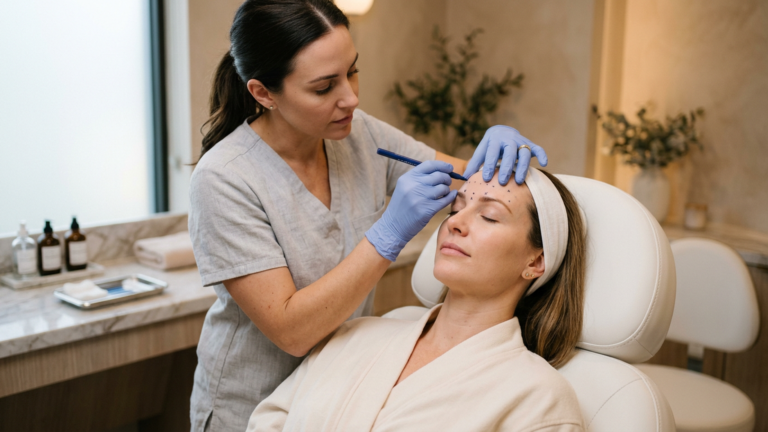
Aesthetic facial treatment can involve injections at selected sites.
Anatomical planning is essential.
Scalp Administration
For hair related applications, injections may be distributed across targeted scalp areas.
Dental Applications
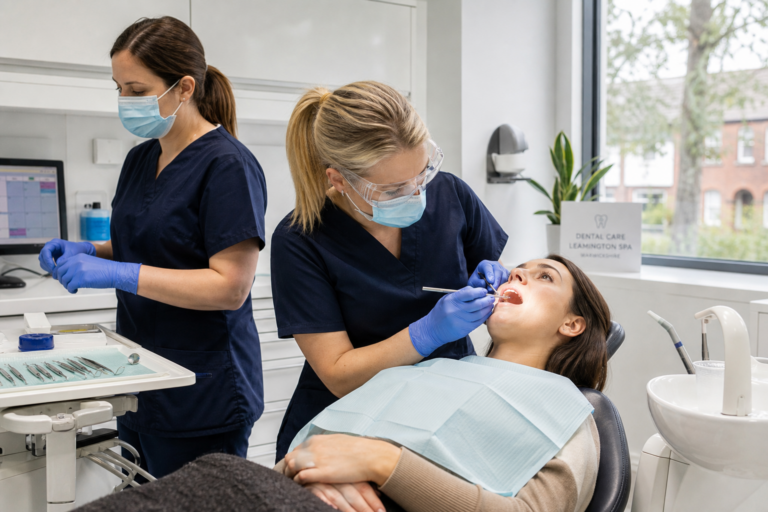
Dental PRF can be used in clot, membrane, or other forms depending on the surgical protocol.
This differs substantially from an aesthetic injection appointment.
Is PRF Treatment Painful?
Discomfort varies with blood collection, injection location, needle technique, individual sensitivity, and anaesthesia.
Blood Draw
The collection process is similar to other venous blood draws.
Injections
Multiple injections can create temporary stinging, pressure, or tenderness.
Pain Control
Clinics may use topical or local anaesthesia where appropriate.
Ask what pain management will be used before treatment.
PRF Treatment Recovery
Recovery depends on the treatment site and procedure.
An injection only facial treatment can have a different recovery profile from dental surgery using PRF.
Common Short Term Effects
Patients may experience:
• Swelling
• Bruising
• Redness
• Tenderness
• Small injection marks
These effects should improve according to the expected treatment course.
Follow Aftercare Instructions
The clinician should provide written advice concerning:
• Skin or wound care
• Exercise
• Cosmetics
• Hair washing where relevant
• Medications
• Dental care where relevant
• Follow up
• Warning symptoms
Individual instructions should take priority over generic online recommendations.
PRF Treatment for Under Eye Concerns
PRF has attracted particular attention as an alternative or complement to other under eye treatments.
It should not be treated as a direct substitute for filler in every patient.
PRF Versus Under Eye Filler
Hyaluronic acid filler adds physical volume.
PRF has different proposed biological effects and does not function identically.
Filler Has Different Risks
Fillers have their own treatment specific benefits and risks, including rare but serious vascular complications.
Surgery May Be More Appropriate for Eyelid Bags
Prominent lower eyelid fat or substantial skin laxity may require surgical assessment rather than repeated injections.
A clinician should recommend treatment based on anatomy.
PRF Treatment for Hair Loss
A hair treatment plan should begin with diagnosis and baseline documentation.
Take Standardised Photographs
Consistent lighting, hair positioning, camera distance, and angle make follow up comparisons more useful.
Hair Growth Takes Time
Hair cycles are measured over months.
Immediate post treatment appearance is not evidence of new hair growth.
Combine Treatments Carefully
Some patients may use established hair loss treatments alongside platelet derived procedures.
A clinician should consider interactions, diagnosis, and evidence before building a combination plan.
PRF Treatment in Dentistry
Dentistry is an important area of PRF use and research.
Forms and preparation protocols can differ from injectable aesthetic PRF.
Tooth Extraction and Oral Surgery
Clinicians may place appropriately prepared PRF into surgical sites in selected cases.
Research has evaluated outcomes such as healing and postoperative symptoms in different procedures.
Dental Implants and Bone Grafting
PRF can be used alongside selected regenerative procedures.
Its role should be viewed as an adjunct where supported rather than a guaranteed replacement for established grafting or surgical principles.
PRF Treatment Versus Dermal Fillers
These treatments serve different purposes.
PRF should not be marketed simply as a completely natural filler unless the particular preparation and intended effect are explained accurately.
Immediate Volume
Dermal fillers are specifically designed to produce volume or contour changes depending on product.
Biological Treatment
PRF is primarily discussed in terms of autologous biological signaling and fibrin rather than predictable long term structural volume replacement.
Choosing Between Them
The decision depends on whether the primary issue involves volume, texture, tissue quality, pigmentation, laxity, or another concern.
In some cases neither treatment is appropriate.
PRF Treatment Versus Microneedling
Microneedling creates controlled microchannels in skin using needles.
PRF can sometimes be combined with procedures involving skin needling, but each component should have a clear rationale.
Microneedling Alone
Microneedling has its own indications, contraindications, devices, and evidence.
Combination Treatments
Evidence for combinations should be evaluated separately from evidence for either procedure alone.
Adding another treatment does not automatically make an intervention more effective.
PRF Treatment Versus Surgical Procedures
PRF cannot mechanically lift substantial loose facial tissue or replace surgery for conditions requiring structural correction.
Facial Laxity
Significant lower facial or neck laxity may be better addressed through surgical evaluation when the patient wants a substantial lifting effect.
Hair Transplantation
PRF does not physically relocate follicles into bald areas.
Hair transplantation and injectable platelet treatments are fundamentally different procedures.
Who May Not Be Suitable for PRF Treatment?
Contraindications depend on indication, preparation, and patient.
A qualified provider should perform individual screening.
Conditions Requiring Additional Consideration
These may include:
• Certain blood disorders
• Significant platelet abnormalities
• Active infection
• Some cancers or ongoing treatments
• Bleeding conditions
• Relevant medications
• Significant anaemia
• Pregnancy depending on treatment
This is not an exhaustive list.
Laboratory Tests
Not every patient automatically requires laboratory testing.
Testing may be appropriate when medical history or treatment circumstances justify it.
PRF Treatment During Pregnancy or Breastfeeding
Evidence for elective aesthetic PRF during pregnancy and breastfeeding can be limited.
Providers may recommend postponing elective cosmetic treatment.
Dental Treatment Is Different
A necessary dental procedure involving PRF can have a different risk benefit analysis from elective facial rejuvenation.
Discuss treatment with the relevant healthcare professionals.
PRF Treatment Cost
There is no universal price.
Costs vary by country, treatment area, provider, procedure, number of tubes processed, and number of sessions.
Cost Factors
Pricing can depend on:
• Consultation
• Treatment area
• Provider qualifications
• Preparation system
• Number of sessions
• Combination treatments
• Follow up
• Geographic location
• Dental or surgical procedure complexity
Request a written price before treatment.
Does Insurance Cover PRF Treatment?
Coverage depends on why PRF is being used.
Elective cosmetic treatment is typically handled differently from medically or dentally indicated procedures.
Verify Benefits
Ask the insurer about the exact procedure and indication.
A clinic cannot guarantee insurance reimbursement unless that coverage has been confirmed under the patient’s policy.
Choosing a PRF Treatment Provider
Provider qualifications should match the application.
A dentist using PRF during oral surgery has different training requirements from a clinician performing facial injections.
Questions to Ask
Consider asking:
• What is your professional qualification?
• What condition are you treating?
• What evidence supports PRF for this indication?
• Which PRF protocol do you use?
• How many treatments might be needed?
• What are the alternatives?
• What risks apply to this area?
• How do you prevent infection?
• What happens if I have a complication?
• How much will the complete treatment plan cost?
The provider should answer without relying solely on terms such as regenerative or natural.
Red Flags When Considering PRF Treatment
Marketing that presents PRF as a cure for unrelated conditions should be treated cautiously.
Warning Signs
Potential concerns include:
• Guaranteed hair regrowth
• Guaranteed wrinkle elimination
• Claims of permanent results
• No medical history
• Unclear provider credentials
• Poor blood handling practices
• Reused or unsealed equipment
• No discussion of alternatives
• Pressure to buy large treatment packages immediately
• Claims that autologous means risk free
A credible provider should be comfortable discussing uncertainty.
How to Evaluate PRF Treatment Evidence
Research quality matters.
A small uncontrolled study and a well designed randomized controlled trial do not provide the same level of evidence.
Look at the Exact Indication
Evidence for dental healing should not be used to make claims about hair regrowth.
Evidence for PRP should not automatically be presented as PRF evidence.
Protocol Differences Matter
Researchers may use different centrifugation, equipment, injection methods, volumes, and treatment schedules.
Look for Systematic Reviews
Systematic reviews and clinical guidelines can help summarize evidence across multiple studies when they are high quality and current.
Conclusions can change as better research becomes available.
Frequently Asked Questions
What is PRF treatment?
PRF treatment uses platelet rich fibrin prepared from a patient’s own blood for selected aesthetic, hair, dental, and surgical applications.
Is PRF treatment the same as PRP?
No. Both are autologous blood derived preparations, but processing methods, fibrin content, cellular composition, and clinical protocols can differ.
Does PRF treatment work for hair loss?
PRF is being studied and used for some forms of hair thinning, but evidence varies and hair loss should be diagnosed before treatment. Results are not guaranteed.
Is PRF treatment safe?
PRF is autologous, but blood collection and administration still carry risks such as bruising, pain, swelling, bleeding, and infection, plus treatment site specific risks.
How long do PRF treatment results last?
There is no universal duration. Results depend on indication, preparation method, treatment schedule, individual biology, and other therapies.
How many PRF treatment sessions are needed?
There is no evidence based universal number for every indication. A qualified provider should recommend a schedule based on diagnosis, available evidence, and response.
Conclusion
PRF treatment is an autologous blood derived approach with applications across dentistry, aesthetic medicine, and emerging hair restoration practice. Its biological rationale is promising in selected settings, but evidence, preparation methods, and expected outcomes vary substantially by indication. Patients can make more informed decisions by choosing appropriately qualified providers, understanding the exact protocol, comparing established alternatives, and treating broad claims of guaranteed regeneration with appropriate caution.