A Detailed Regional Tiling Cost Guide: 7 Proven Secrets to Budget Accurately, Control Labor Rates, and Maximize ROI
Planning a residential bathroom overhaul, expansive kitchen renovation, living room floor upgrade, or commercial retail fit-out requires a realistic understanding of material and trade labor expenditures. Consulting a detailed regional tiling cost guide empowers homeowners, property developers, quantity surveyors, and interior designers to build accurate financial estimates, evaluate competitive subcontractor quotes, and eliminate costly mid-project variations. While many budget calculators quote simplistic flat rates based solely on tile retail price tags, real-world tiling budgets are driven by multi-layered structural variables—including concrete screed preparation, subfloor leveling compounds, specialized polymer-modified adhesives, intricate herringbone pattern cuts, and localized regional trade labor tariffs. By examining the line-item mechanics of square meter costing, material consumption formulas, and regional wage variances, property renovators can forecast total project costs with precision, avoid contractor overcharging, and achieve a flawless architectural installation that maximizes long-term property equity.
The Financial Anatomy of a Professional Tiling Quotation
A comprehensive tiling budget extends far beyond the basic price of purchasing ceramic or porcelain boxes from a retail showroom. In professional construction accounting, a complete tiling quotation divides into three core financial categories: substrate preparation labor and materials, tile material purchase costs with waste factors, and professional setting labor.
The Three Core Cost Pillars in Modern Tiling Projects
- Substrate Preparation & Demolition (15% to 25% of Total Budget): Stripping old floor coverings, jackhammering legacy tiles, grinding concrete surfaces, applying moisture-barrier primers, and pouring self-leveling underlayment to achieve mandatory flat surfaces.
- Primary Tile Materials & Consumables (35% to 50% of Total Budget): The physical tiles, calculated with essential ten to fifteen percent cutting waste allowances, alongside specialized setting materials including polymer-modified thin-set adhesives, waterproof shower membranes, colored grouts, and perimeter expansion sealants.
- Specialized Trade Labor (30% to 45% of Total Budget): The skilled manual labor of certified artisans who execute precision layout lines, balance tile lippage using mechanical leveling clips, make complex wet-saw diamond cuts around plumbing pipes, and apply stain-resistant grouts.
The Waste Factor Dynamic: Standard vs. Complex Layouts
Failing to budget for tile cutting waste is a frequent catalyst for project delays and budget blowouts:
- Standard Grid / Stack-Bond Layouts: Require an additional 10% material buffer to account for end-of-wall cuts, transit breakage, and future replacement stock.
- Diagonal, Diamond, or Offset Brick Patterns: Generate higher cutting waste along perimeter walls, requiring a 12% to 15% buffer.
- Complex Herringbone, Chevron, or Hexagonal Mosaics: Involve multi-angled miters along every boundary, requiring a mandatory 15% to 20% waste allowance to avoid running out of matching dye-lot batches midway through installation.
Regional Cost Variances: How Geography Dictates Labor and Material Pricing
Tiling costs vary significantly across geographic regions, metropolitan tiers, and local economic markets. Understanding localized economic drivers ensures homeowners budget realistically for their specific location.
Metropolitan Centers vs. Regional / Rural Markets
- Tier-1 High-Density Urban Corridors: Major metropolitan centers (such as high-density coastal capitals and primary financial hubs) command premium labor rates. High contractor overhead—including commercial liability insurance, vehicle parking tariffs, extended commuter transit times, and high living costs—pushes professional tiling labor rates twenty to forty percent higher than national averages.
- Secondary Suburban and Regional Towns: Moderate labor supply and lower contractor overhead result in more competitive baseline labor rates, though specialized materials (such as large-format porcelain slabs or imported Italian rectified tiles) may incur higher regional freight surcharges.
- Rural and Remote Locations: While local handyman rates may appear low, finding master tilers certified to install complex waterproof wet-room systems or natural marble is challenging, often requiring travel stipends and accommodation allowances for specialized urban crews.
Regional Cost Benchmarks Across Common Project Profiles
To provide a clear financial framework, installation costs are evaluated based on localized market data across standard square meter (/m2 or R/m2) benchmarks:
Basic Ceramic Tile Installation (Standard Formats: 300x300mm to 450x450mm)
- Material Costs: Budget-friendly ceramic tiles are manufactured from red or white clay bodies fired at lower temperatures, making them affordable and easy to cut.
- Labor Difficulty: Low to moderate; standard cementitious mortars and simple manual score-and-snap cutters allow rapid installation rates of fifteen to twenty-five square meters per day per team.
Vitrified Porcelain & Large and Heavy Tile (LHT: 600x600mm to 1200x600mm)
- Material Costs: Denser, non-porous vitrified porcelain demands higher raw material costs and specialized diamond-tipped continuous-rim saw blades.
- Labor Difficulty: High; large-format tiles require flat subfloors (maximum 1/8-inch deviation over ten feet), full directional back-buttering to achieve ninety-five percent mortar coverage, and mechanical leveling clip systems, reducing daily output to eight to twelve square meters per day.
Natural Stone & Custom Parquet (Marble, Travertine, Slate, Herringbone)
- Material Costs: Premium natural stone quarried internationally carries high material acquisition costs and requires continuous breathable stone sealers.
- Labor Difficulty: Expert craftsmanship required; natural stone varies in thickness and requires white polymer-modified mortars to prevent bleed-through discoloration, paired with slow, meticulous layout alignments.
Comprehensive Regional Tiling Cost Estimation Matrix
| Tiling Category / Scope | Average Material Cost (per m²) | Professional Labor Rate (per m²) | Ancillary Consumables (per m²) | Estimated Total Cost (per m²) |
|---|---|---|---|---|
| Standard Ceramic (Basic Grid) | $15 – $35 / R180 – R350 | $18 – $30 / R120 – R200 | $8 – $15 / R80 – R140 | $41 – $80 / R380 – R690 |
| Large Porcelain (600×600+) | $30 – $75 / R320 – R650 | $28 – $50 / R180 – R320 | $15 – $25 / R140 – R240 | $73 – $150 / R640 – R1,210 |
| Luxury Herringbone / Mosaic | $50 – $120 / R500 – R1,100 | $45 – $80 / R280 – R480 | $20 – $35 / R180 – R320 | $115 – $235 / R960 – R1,900 |
| Natural Stone (Travertine/Marble) | $70 – $180 / R700 – R1,800 | $50 – $95 / R320 – R600 | $25 – $45 / R220 – R420 | $145 – $320 / R1,240 – R2,820 |
| Subfloor Self-Leveling Screed | N/A (Prep work) | $12 – $25 / R80 – R160 | $15 – $30 / R120 – R250 | $27 – $55 / R200 – R410 |
| Shower Waterproofing System | N/A (Specialized prep) | $20 – $40 / R150 – R280 | $25 – $50 / R200 – R380 | $45 – $90 / R350 – R660 |
Hidden Cost Factors That Blow Tiling Budgets
Project estimates frequently fail because owners overlook critical preparatory and finishing requirements that contractors must charge for as extra line items.
The Subfloor Leveling Trap: The Cost of Ignoring Flatness
Tiling directly over an uneven, undulating concrete slab or unreinforced timber floor is the primary cause of cracked tiles and dangerous trip-edge lippage:
- Mechanical Grinding of High Spots: If a concrete slab has high ridges or leftover paint/drywall mud, contractors must charge hourly rates for heavy diamond cup-wheel floor grinding with dust-shroud HEPA vacuums.
- Self-Leveling Underlayment (SLU): In rooms with low dips and uneven slopes, pouring a polymer-modified self-leveling cement underlayment is mandatory before installing modern large-format porcelain. This requires specialized acrylic bonding primers and high-performance cement bags that can add several hundred to thousands of dollars to a project budget.
Waterproofing and Tanking in Wet Areas
Installing tiles in a residential shower enclosure or commercial wet room requires certified moisture containment:
- Liquid and Sheet Waterproofing Systems: Ceramic tile and cementitious grout are not waterproof barriers. Applying a certified multi-coat elastomeric liquid membrane or fleece-backed bonded sheet membrane across shower walls, shower pans, and bathroom floors adds necessary material and labor costs that prevent catastrophic structural wood rot and ceiling leaks below.
Surface Removal and Waste Disposal (Skip Bins)
Removing existing ceramic tile is grueling, labor-intensive work:
- Heavy Demolition Labor: Jackhammering old floor tiles bonded with modified mortar is slow, dusty work that demands heavy safety gear.
- Rubble Disposal Surcharges: Ceramic and concrete waste is dense and heavy; municipal landfills charge commercial tipping fees by metric ton, requiring dedicated waste skip bins that must be factored into the overall budget.
Smart Cost-Saving Strategies That Protect Installation Quality
Renovating on a budget does not mean hiring cheap, uncertified labor or buying inferior materials that fail within two years. Homeowners can implement intelligent cost-saving strategies:
- Handle Non-Technical Demolition Personally: Homeowners can safely tackle stripping out old carpets, removing baseboards, and clearing furniture, saving hundreds of dollars in preliminary contractor labor fees.
- Choose Rectified Porcelain in Standard Rectangles: Instead of intricate herringbone patterns that double cutting waste and labor fees, choose large-format rectified rectangular tiles (such as 300x600mm) laid in a clean one-third offset pattern to achieve modern elegance at standard labor rates.
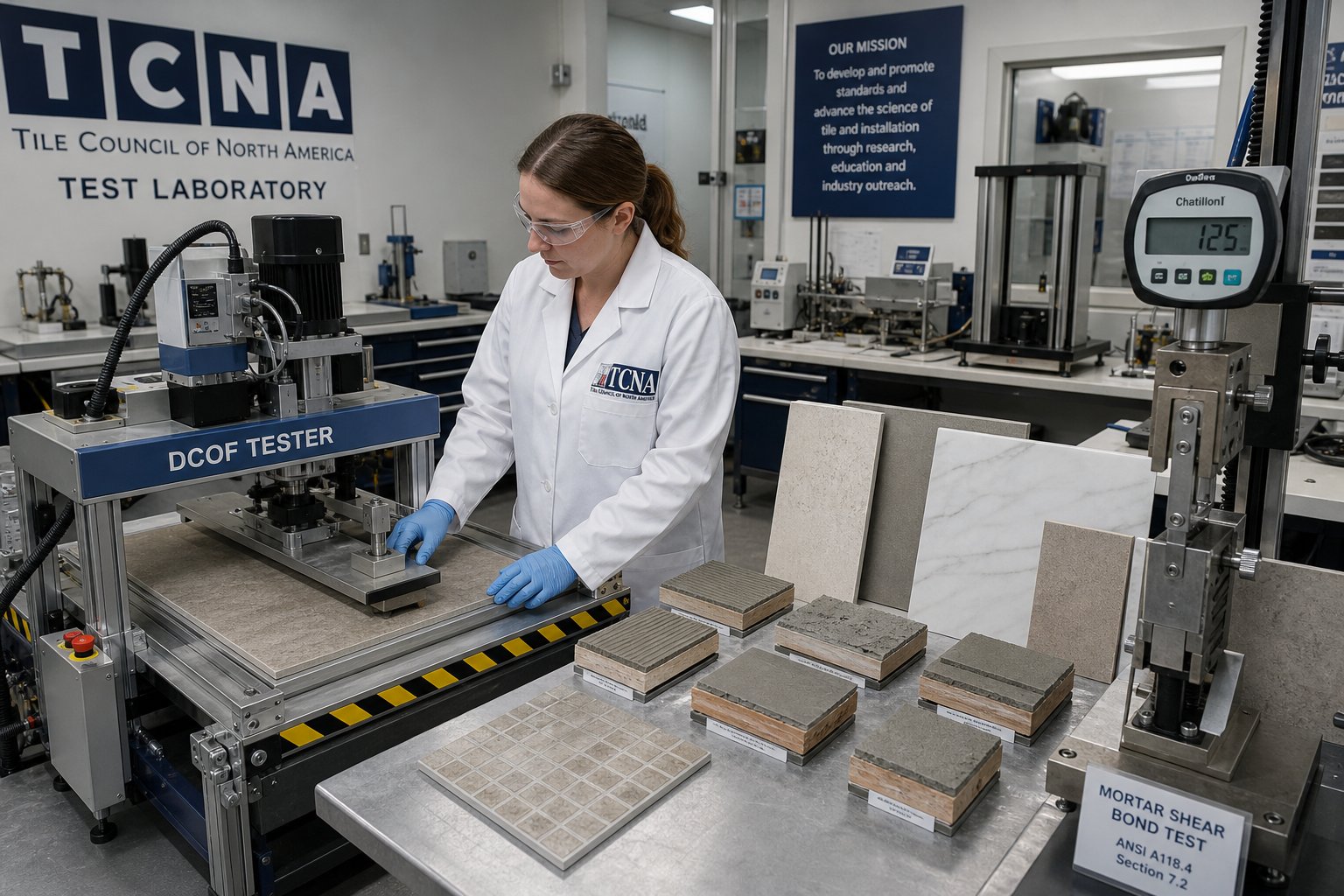
- Never Skimp on Setting Chemistry: Sourcing high-grade polymer-modified thin-set mortar (ANSI A118.4 or A118.15) and stain-resistant epoxy or polymer grouts represents a tiny fraction of total project cost, but ensures tiles remain permanently bonded without hollow drumming or mildew staining.
Frequently Asked Questions About Regional Tiling Costs
Why do tilers charge significantly more to install herringbone patterns?
Herringbone layouts require measuring and cutting tiles at precise forty-five-degree angles along every wall boundary, which slows installation speed by more than fifty percent and increases cutting waste to fifteen or twenty percent.
How much extra tile should I purchase for cutting waste?
Purchase an extra ten percent for standard straight-grid layouts, twelve to fifteen percent for diagonal or brick-offset layouts, and fifteen to twenty percent for intricate herringbone, chevron, or mosaic patterns.
Can new tiles be installed directly over existing old tiles to save money?
While “tile-over-tile” is possible if the old tiles are firmly bonded, flat, and prepped with specialized high-tack bonding primers, it raises finished floor heights, requiring trimming doors, adjusting transition thresholds, and resetting plumbing fixtures.
What is the difference between rectified and non-rectified tiles in terms of installation cost?
Rectified tiles have mechanically cut, razor-straight 90-degree edges that allow ultra-thin grout lines (1.5mm to 2mm), but demand a perfectly flat subfloor and mechanical leveling clips, resulting in slightly higher installation labor costs than cushioned-edge tiles.
How long must newly installed tiles cure before walking on them?
Standard thin-set mortars require twenty-four hours to achieve initial walking cure before grouting can begin; rapid-setting mortars can be walked upon and grouted in as few as three to four hours.
Does a detailed regional tiling cost guide include plumbing and electrical fixtures?
No, standard tiling guides cover subfloor prep, waterproofing, setting materials, tiles, and installation labor; disconnecting and resetting toilets, vanities, and radiant floor heating wires requires separate plumbing and electrical budgeting.
Conclusion
Successfully executing a residential or commercial tiling project on budget demands moving beyond guesswork and consulting a detailed regional tiling cost guide that reflects realistic market conditions. By evaluating the true breakdown between substrate preparation, material quality, cutting waste buffers, and regional trade labor rates, property owners protect themselves against sudden cost overruns and contractor disputes. Prioritizing essential preparatory work—including subfloor self-leveling and certified shower waterproofing—ensures that your physical tile investment remains structurally sound, crack-free, and waterproof for decades. Whether installing cost-effective ceramic subway tiles in a modern kitchen or laying luxurious Italian porcelain slabs across an expansive living room, disciplined budgeting and professional craftsmanship turn your architectural vision into an enduring, high-equity reality.