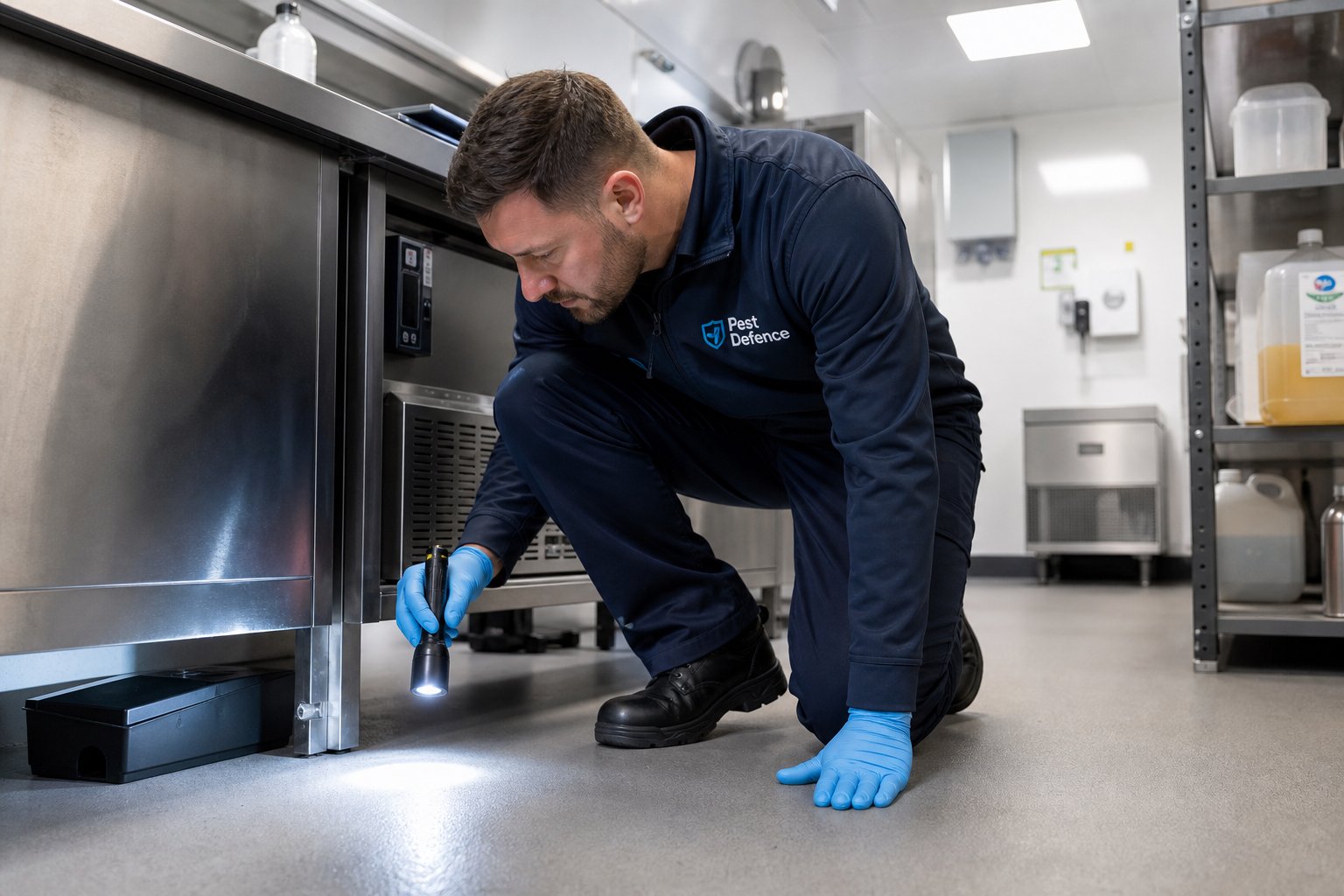
Pest Management: 7 Crucial Strategies to Eliminate Infestations, Safeguard Commercial Assets, and Protect Domestic Wellbeing
Maintaining a sanitary, structurally sound, and biologically safe environment in homes, commercial businesses, and agricultural facilities requires a systematic approach to prevention, exclusion, and eradication. Implementing proactive pest management goes far beyond reactive chemical extermination, deploying Integrated Pest Management (IPM) methodologies that identify root vulnerabilities, eliminate breeding harbors, and prevent recurring infestations before they jeopardize human health or commercial livelihoods. Unchecked pest activity—ranging from burrowing brown rats (Rattus norvegicus) and destructive mice to nocturnal bed bugs (Cimex lectularius), aggressive wasp colonies, wood-boring insects, and invasive bird populations—can rapidly compromise property value, breach statutory public health regulations, trigger food safety closures, and inflict thousands of pounds in physical structural destruction. Modern environmental hygiene practices prioritize targeted, pet-safe, and sustainable interventions that protect ecosystems while achieving complete, long-lasting eradication.
The Pillars of Integrated Pest Management (IPM)
Unlike old-fashioned extermination methods that relied exclusively on widespread chemical spraying, modern IPM operates as an ecologically grounded, science-based decision-making framework.
1. Systematic Inspection and Species Identification
Accurate biological identification dictates the entire eradication strategy:
- Distinct Species Behaviors: Treating a roof rat (Rattus rattus) requires completely different trap placement and baiting chemistry than treating a common brown rat (Rattus norvegicus) or house mouse (Mus musculus). While brown rats are burrowers favoring ground-level drains, roof rats are agile climbers nesting in attics and soffits.
- Evidence Documentation: Certified technicians assess telltale signs of activity—such as droppings morphology, grease rub marks along baseboards, gnaw marks on structural joists, distinct pheromone odors, and thermal imaging signatures within drywall cavities.
2. Environmental Exclusion and Harbor Reduction
The most permanent pest solution is physically barring pests from entering the building envelope:
- Proofing Entry Points: Rats can squeeze through gaps as small as 20 millimeters (the size of a ten-pence coin), while juvenile mice can enter through 6-millimeter openings.
- Structural Fortification: Sealing pipe penetrations with stainless steel wire mesh, Escutcheon plates, expanding foam infused with copper mesh, installing heavy-duty door brush sweeps, and repairing broken sub-floor air bricks permanently eliminate entry corridors.
- Moisture and Waste Control: Eliminating leaking plumbing fixtures, damp crawlspaces, and unsealed organic waste bins removes the fundamental resources pests need to survive.
3. Targeted, Child- and Pet-Safe Interventions
Modern chemical and physical control measures prioritize non-target organism safety:
- Tamper-Resistant Bait Stations: Rodenticides are strictly deployed inside locked, heavy-gauge plastic or steel tamper-resistant bait boxes anchored to walls or floors, preventing accidental exposure to children, pets, or non-target wildlife.
- Mechanical Trapping & Thermal Remediation: Utilizing non-toxic mechanical snap traps, multi-catch traps, and heat treatments—especially effective against pesticide-resistant bed bugs—ensures immediate population knockdown without synthetic residues in sensitive environments.
Common Pest Threats Across Domestic, Commercial, and Agricultural Sectors
Pest threats manifest differently depending on the structural operational footprint of the facility.
Residential Pest Control Challenges
Domestic infestations disrupt mental peace, damage home furnishings, and introduce severe health hazards:
- Rodents in Cavity Walls & Attics: Mice and rats chew through electrical wiring insulation, presenting severe fire risks, while their droppings and urine spread pathogens like Leptospirosis (Weil’s disease), Salmonella, and Hantavirus.
- Bed Bugs (Cimex lectularius): These resilient nocturnal hitchhikers nest inside mattress seams, headboards, and electrical outlet faceplates, causing intense pruritic bite welts and psychological distress.
- Wasps (Vespula vulgaris) and Hornets: Summer and autumn bring defensive territorial colonies that build football-sized nests under roof eaves, soffits, and garden sheds, posing severe anaphylactic shock hazards to occupants.
Commercial and Food-Handling Compliance
Commercial establishments face strict regulatory oversight and existential reputation risks:
- Food Safety Legislation: Commercial kitchens, hospitality venues, and food distribution hubs must comply with the Food Safety Act 1990 and Food Hygiene Regulations. An active rodent or cockroach infestation results in immediate zero-star food hygiene ratings, mandatory hygiene emergency prohibition orders, and brand-destroying press coverage.
- Electronic Auditing & Fly Management: Commercial premises require continuous monitoring, including digital UV insect light traps (ILTs), pheromone sticky traps for stored product insects (SPIs), and meticulous written audit records for Environmental Health Officers (EHOs).
Agricultural and Equestrian Pest Control
Farms and equestrian centers face unique bio-security and crop protection pressures:
- Feed Storage Protection: Rodent populations rapidly consume, contaminate, and spoil bulk grain, silage, and animal feed with urine and feces, spreading diseases to livestock.
- Wildlife and Avian Deterrence: Pigeons and gulls foul farm machinery and roofing assemblies with caustic guano, which corrodes galvanized steel and harbors histoplasmosis spores.
Pest Classification, Damage Profile, and Control Methods
| Pest Classification | Primary Risk & Damage Vector | Preferred Harbor Zones | Detection Indicators | Recommended Control Strategy |
|---|---|---|---|---|
| Brown & Black Rats | Gnawed wiring (fire risk), Weil’s disease | Sub-floors, attics, drainage systems | 12-18mm blunt droppings, rub marks | Proofing, tamper-safe baiting, snap traps |
| House Mice | Food contamination, asthma triggers | Cavity walls, kitchen kickboards | 3-7mm spindle droppings, ammonia odor | Exclusion proofing, multi-catch boxes |
| Bed Bugs | Allergic bite reactions, sleep deprivation | Mattress seams, headboards, skirting | Blood smears, fecal spotting, cast skins | Whole-room heat treatment, insect growth regulators |
| Common Wasps | Painful stings, anaphylactic risk | Eaves, attics, wall cavities, sheds | High flight traffic, buzzing inside walls | Insecticidal powder injection, aerosol knockdown |
| German Cockroaches | Severe food poisoning, allergen spread | Warm motor housings, kitchen voids | Pepper-like droppings, egg cases (oothecae) | Gel bait placement, insect growth regulators |
| Feral Pigeons | Caustic guano corrosion, lice vectors | Solar panel skirts, roof ridges, ledges | Guano buildup, nesting twigs in gutters | Bird spikes, tensioned wire systems, netting |
The Science of Insect and Rodent Eradication Methodologies
Deploying professional pest solutions requires technical knowledge of toxicology, pest physiology, and environmental safety laws.
Thermal Heat Treatments for Bed Bugs
Pesticide resistance among bed bug populations has rendered traditional pyrethroid chemical sprays increasingly ineffective:
- The Lethal Thermal Threshold: Professional heat treatments utilize high-output industrial heaters and airflow fans to elevate room ambient temperatures between 50°C and 60°C (122°F to 140°F) for several hours.
- Penetration into Substrates: This lethal heat penetrates mattress cores, baseboard voids, and wallpaper crevices, denaturing cellular proteins in adult bed bugs, nymphs, and eggs alike in a single treatment without leaving toxic residues.
Chemical Gel Baits and Insect Growth Regulators (IGRs)
- Cockroach and Ant Gel Baiting: Rather than broadcasting toxic sprays that disperse insects into neighboring rooms, technicians place tiny, targeted dots of specialized bait matrix containing active ingredients like hydramethylnon or fipronil.
- The Secondary Kill Effect: Cockroaches ingest the palatable bait, return to nesting harborages, and die; conspecifics feed on the carcass or excretions (cannibalism and coprophagy), triggering a cascading secondary kill through the colony.
- Insect Growth Regulators (IGRs): Synthetic juvenile hormone mimics prevent juvenile insects from molting into sexually mature adults, breaking the reproductive cycle entirely.
Environmental Cleaning and Post-Infestation Decontamination
Eradicating living pests is only half the battle; biological contaminants left behind must be professionally neutralized:
- Biohazard Remediation: Rodent urine, fecal matter, and pigeon guano harbor dangerous infectious pathogens, including Chlamydia psittaci and Salmonella.
- Specialized Decontamination: Technicians apply broad-spectrum biocidal fogging agents, HEPA-filtered vacuuming, and deodorizing neutralizing agents to decontaminate attics, kitchens, and basements, restoring safe indoor air quality.
Developing a Proactive Pest Prevention Program
Preventing a pest infestation is substantially less expensive than treating a severe established population.
Routine Maintenance Housekeeping Checklist
- Eliminate Standing Water: Repair dripping outdoor hose spigots, clear choked guttering, and eliminate pooling drainage water where rodents and insects drink.
- Seal External Rubbish Bins: Keep all domestic and commercial food waste locked inside heavy-duty, lidded wheelie bins placed away from external building walls.
- Tree and Foliage Clearance: Cut back overhanging tree branches, creeping ivy, and shrubs at least one meter away from roofs, brickwork, and soffits to remove rodent bridges and bird perches.
- Inspect Incoming Pallets and Deliveries: Commercial warehouses and residential homeowners should thoroughly inspect incoming cardboard boxes, timber pallets, and antique furniture for hitchhiking insects and egg cases before bringing them indoors.
Frequently Asked Questions About Pest Management
What is the core difference between traditional pest control and Integrated Pest Management (IPM)?
Traditional pest control focuses reactively on chemical eradication, whereas IPM combines inspection, structural proofing, sanitation, and targeted low-toxicity controls to prevent pests permanently.
Are professional pest control treatments safe for young children and household pets?
Yes, reputable professionals deploy child- and pet-safe protocols, including locked tamper-resistant bait boxes, pet-friendly products, and targeted mechanical or heat treatments that minimize exposure risks.
How quickly can a severe rodent infestation be brought under control?
Most domestic and commercial rodent infestations show significant reduction within 48 to 72 hours of professional proofing and baiting, achieving full eradication within 10 to 14 days.
Why have chemical sprays become less effective against bed bugs?
Many bed bug populations have developed genetic physiological resistance to common pyrethroid chemical sprays, making comprehensive heat treatments and insect growth regulators far more reliable.
What legal responsibilities do commercial business owners have regarding pest control?
Under food safety and occupational health laws, commercial operators are legally mandated to maintain a pest-free environment, prevent food contamination, and retain documented proof of professional pest monitoring.
How do rodents gain entry into modern brick and timber homes?
Rats and mice exploit unsealed pipework penetrations, damaged sub-floor air bricks, gaps around external door sweeps, cracked sewer lines, and openings behind roof soffits and fascias.
Conclusion
Securing residential dwellings, food service establishments, commercial warehouses, and agricultural operations against invasive vermin demands vigilant environmental control and scientific precision. Implementing modern pest management safeguards your family’s health, preserves costly property infrastructure, and protects critical commercial reputations from the devastating fallout of an infestation. By prioritizing structural exclusion, targeted biological interventions, comprehensive sanitation protocols, and child-safe eradication technologies, property owners create resilient environments where pests cannot thrive. Partnering with certified, professional pest technicians ensures tailored, enduring protection—giving you total peace of mind that your home, business, and assets remain clean, compliant, and completely pest-free.