Boiler Repair Experts: How to Get Safe, Reliable Heating Repairs
Qualified boiler repair experts diagnose and repair problems involving heating controls, pressure, circulation, ignition, combustion, pumps, valves and other boiler components while following the safety requirements applicable to the fuel and heating system. A boiler that repeatedly loses pressure, leaks water, displays fault codes, makes unfamiliar noises or stops providing heating or hot water needs proper diagnosis rather than random part replacement. Because gas, oil, electricity, high temperatures and combustion products can create serious hazards, many internal boiler repairs should only be performed by appropriately qualified professionals.
A boiler often works quietly for months until a fault suddenly affects heating or hot water. That can make emergency troubleshooting tempting, particularly during cold weather.
However, opening a boiler casing or adjusting combustion related components without the appropriate expertise can be dangerous.
Homeowners can safely perform a limited number of external checks, such as confirming thermostat settings or reading a displayed fault code. Internal work is different and may be legally restricted depending on location and fuel type.
This guide explains common boiler problems, repair costs, emergency warning signs, maintenance and how to choose a competent heating professional.
What Do Boiler Repair Experts Do?
Boiler specialists inspect heating equipment, diagnose faults and perform appropriate repairs.
Their work may involve the boiler itself as well as connected controls and components within the wider heating system.
Depending on the problem, this can include thermostats, pumps, valves, radiators, pressure related components and condensate drainage.
Professional Boiler Diagnosis
Good diagnosis begins with the symptoms.
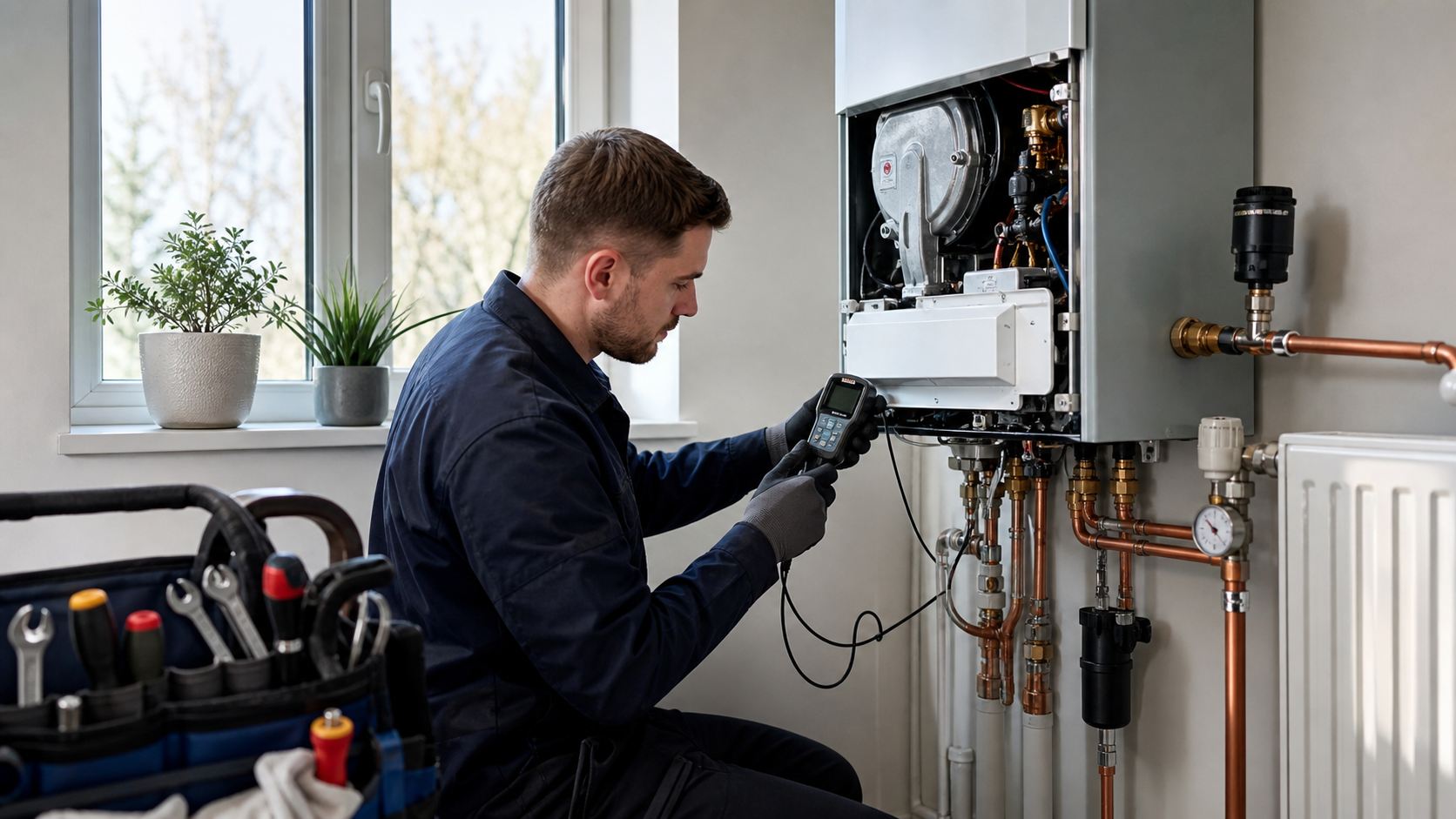
The engineer can review the fault history, visually inspect the equipment and use measurements or manufacturer diagnostic procedures to identify likely causes.
Modern boilers often record fault or error codes.
These codes can help narrow the investigation, but they do not always prove that one particular component has failed.
Boiler Repair Versus Servicing
Repair and servicing have different purposes.
Repair addresses an existing fault. Routine servicing involves planned inspection and maintenance according to equipment and regulatory requirements.
A service can reveal developing issues, but it cannot guarantee that the boiler will remain fault free afterward.
Boiler Repair Versus Replacement
Not every faulty boiler needs replacing.
An isolated component failure in otherwise serviceable equipment may justify repair.
Replacement may become more practical when major failures occur repeatedly, critical parts are unavailable or the entire system has deteriorated substantially.
Why Boiler Repair Experts Need Appropriate Qualifications
The required credentials depend on location, boiler type and fuel.
For example, gas work in the United Kingdom must comply with specific legal requirements, and appropriately registered engineers are required for defined gas work.
Always verify the qualifications relevant to your jurisdiction rather than relying solely on a company describing itself as certified.
7 Powerful Benefits of Hiring Boiler Repair Experts
Professional repair provides several advantages beyond simply restoring heat.
1. Safer Fault Diagnosis
Boilers can involve combustible fuels, electrical systems, hot water and combustion gases.
These create risks that are not obvious from the outside.
A properly trained engineer understands procedures for working safely with the particular equipment and fuel.
2. Accurate Identification of the Problem
The same symptom can have several possible causes.
A boiler that will not heat, for example, could involve controls, water circulation, system pressure, ignition or another fault.
Replacing parts without diagnosis can increase repair costs while leaving the original problem unresolved.
3. Correct Replacement Parts
Boiler components need to be compatible with the exact appliance.
An engineer can identify appropriate parts using model and technical information.
Correct installation can also be important for warranties and safe operation.
4. Appropriate Testing After Repair
Repair is not finished when a new part has been fitted.
The system should be tested according to relevant procedures to confirm that the fault is resolved and equipment operates appropriately.
The required checks depend on the repair.
5. Access to Technical Information
Professional heating engineers can use manufacturer instructions, fault information and technical procedures to support diagnosis.
This matters particularly with modern condensing boilers containing sophisticated electronic controls.
6. Identification of Related Problems
An engineer may discover that the apparent boiler problem originates elsewhere in the heating system.
Poor circulation, control faults or system water issues can sometimes affect boiler operation.
Understanding the wider system can prevent repeat service calls.
7. Better Information for Repair or Replacement Decisions
A professional can explain the failed component, overall boiler condition and repair implications.
That information helps the owner compare repair with replacement using evidence rather than assumptions based only on boiler age.
Signs You May Need Boiler Repair Experts
Boilers provide several warning signs when something is wrong.
No Heating or Hot Water
This is one of the most obvious fault symptoms.
Before contacting an engineer, homeowners can check accessible basics such as thermostat settings, electrical supply and any displayed error code where manufacturer instructions permit.
Do not repeatedly reset equipment when a persistent fault returns.
Repeated lockouts can indicate a condition requiring diagnosis.
Boiler Is Leaking Water
Water leakage should not be ignored.
Potential sources include fittings, seals, pressure related components and other parts of the heating system.
Water can damage electrical components and surrounding building materials.
If substantial leakage occurs, follow the appliance manufacturer’s emergency guidance and contact a professional.
Boiler Pressure Keeps Falling
Some sealed heating systems display their operating pressure to users.
A repeated drop can indicate water loss or another system problem.
Repressurizing repeatedly without investigating why pressure disappears can mask the underlying fault.
Boiler Repair Experts for Repeated Pressure Problems
An engineer can inspect the heating system and determine whether the issue appears related to visible leakage, pressure control components or another cause.
Pressure readings should be interpreted according to the specific boiler manufacturer’s requirements.
There is no one ideal pressure reading that should be blindly applied to every system.
Common Boiler Faults and Repairs
Different boiler designs experience different failures.
Ignition or Flame Problems
A boiler that cannot establish or maintain a flame may enter a safety lockout.
Potential causes can involve ignition components, gas supply, flame detection or other safety related systems.
Gas related internal work belongs with qualified professionals.
Circulation Pump Problems
The pump helps circulate heated water through applicable heating systems.
Faults can affect heat distribution or cause abnormal operation.
A pump should be tested before replacement rather than assumed to be defective solely because radiators remain cold.
Valve Faults
Boilers and heating systems use different valves to control water or other system functions.
Motorized or internal valve problems can affect heating and hot water in certain boiler configurations.
Diagnosis depends on system design.
Sensor Problems
Modern boilers monitor temperature and other operating conditions through sensors.
Faulty readings can affect the operating sequence or trigger error codes.
Testing can distinguish sensor faults from problems elsewhere in the system.
How Boiler Repair Experts Interpret Fault Codes
An error code is a diagnostic starting point.
Engineers can compare the code with manufacturer documentation and perform relevant checks.
Consumers should be cautious about ordering replacement parts online simply because a search result associates a code with one component.
Strange Boiler Noises
Boilers and heating systems naturally create some operating sounds, but unfamiliar persistent noises deserve investigation.
Banging or Knocking
Noise can relate to water circulation, system conditions, component operation or other mechanical causes.
The correct diagnosis requires inspection.
Whistling or Kettling Sounds
Kettling is a term sometimes used for noises associated with abnormal water heating or circulation in a boiler heat exchanger.
Possible causes depend on system conditions and boiler design.
Treatment should address the cause rather than the sound alone.
Gurgling
Air in parts of a heating system can produce gurgling sounds.
However, circulation and pressure issues can produce similar symptoms.
When Boiler Noises Need Expert Attention
New, severe or persistent sounds justify professional assessment, particularly when accompanied by error codes, overheating or loss of heating.
Do not remove the appliance cover to locate a sound yourself.
Boiler Leaks Explained
Leak location and severity influence how urgently a problem needs attention.
Pipe and Connection Leaks
Joints or nearby heating pipes can sometimes leak.
Even a minor drip can damage surrounding materials over time.
Internal Boiler Leaks
Internal leakage can affect electronic components and other parts.
Switching off the boiler may be appropriate depending on severity and manufacturer guidance.
Contact an engineer for advice.
Corrosion
Corrosion can indicate long term exposure to moisture or inappropriate heating system water conditions.
Replacing one visibly corroded component may not resolve the conditions that caused the problem.
Carbon Monoxide and Boiler Safety
Carbon monoxide deserves special attention because it cannot be detected reliably by human senses.
What Is Carbon Monoxide?
Carbon monoxide is a toxic gas produced by incomplete combustion.
Properly installed and maintained fuel burning appliances are designed to manage combustion and exhaust gases safely.
Faults can create serious risks.
Carbon Monoxide Alarm Activation
If a carbon monoxide alarm activates, follow the emergency instructions provided by your local fire, gas or public safety authority.
Move to fresh air when advised and seek emergency or medical assistance where required.
Do not simply remove the alarm battery and continue using the boiler.
Possible Symptoms
Carbon monoxide exposure can cause symptoms such as headache, dizziness, nausea, weakness and confusion.
These symptoms are not unique to carbon monoxide.
When to Contact Boiler Repair Experts About Carbon Monoxide
Suspected carbon monoxide incidents should be treated as safety emergencies rather than routine repair appointments.
Follow emergency guidance first.
The affected fuel burning equipment should not be returned to service until it has been appropriately assessed and considered safe by qualified personnel.
Gas Boiler Repair Safety
Gas appliances require particularly careful handling.
UK Gas Boiler Repairs
In the UK, gas work must be carried out in accordance with applicable legal requirements.
The Gas Safe Register is the official registration scheme covering gas engineers who are legally permitted to perform relevant gas work.
Consumers can verify engineers and check which categories of work they are qualified to undertake through the official register.
Check the Engineer’s Credentials
Do not simply ask whether the company is registered.
Where applicable, verify the individual engineer and relevant work categories.
Official register information is more reliable than a logo displayed on a van.
Boiler Repair Experts and Gas Safety
Never attempt to repair gas valves, burners, combustion controls or gas pipework without the legally required competence.
If you smell gas, follow the emergency procedure provided by your gas network or relevant national emergency authority.
Avoid operating electrical switches or creating ignition sources where gas is suspected.
Oil Boiler Repairs
Oil fired boilers have different fuel delivery and combustion systems from gas boilers.
Common Oil Boiler Concerns
Problems can involve burners, ignition, fuel supply, filters or controls.
Diagnosis should be performed by a technician appropriately qualified for oil heating systems.
Fuel Supply Checks
Running out of fuel can obviously prevent operation.
However, homeowners should not assume a failure is fuel related without considering other faults.
Repeated resets are not a substitute for diagnosis.
Electric Boiler Repairs
Electric boilers do not burn fuel, but they can contain high power electrical components.
Electrical Safety
Internal electrical work can expose technicians to hazardous voltages.
Repairs may involve heating elements, controls, contactors or other components.
Appropriately qualified electrical or heating professionals should perform internal repairs according to local requirements.
Combi Boiler Repair
Combination boilers provide heating and domestic hot water without a conventional separate hot water cylinder in many installations.
Hot Water but No Heating
When one function operates and another does not, controls, valves or other system components may require investigation.
The exact cause depends on the appliance.
Heating but No Hot Water
Again, several faults can produce the same symptom.
Diagnosis should test relevant components rather than replacing parts based solely on the symptom.
Boiler Repair Experts for Combi Systems
Engineers familiar with the specific boiler brand and model can often interpret operating sequences efficiently.
Manufacturer training can be helpful, although appropriate legal qualifications remain essential where regulated work is involved.
Boiler Repair Costs
Repair prices vary too widely for one reliable universal figure.
What Influences Repair Cost?
Common variables include:
• Fault type
• Boiler model
• Replacement part cost
• Diagnostic time
• Labor rates
• Access
• Emergency callout timing
• Geographic location
• Warranty status
A simple control issue and a major heat exchanger related repair are fundamentally different jobs.
Callout and Diagnostic Fees
Some heating companies charge a callout or diagnostic fee.
Ask what the charge covers and whether repair labor is additional.
Clear pricing before attendance reduces misunderstandings.
Fixed Price Repairs
Some providers offer fixed price repair plans under defined conditions.
Check exclusions, maximum repair values and whether particular parts are covered.
Getting Quotes From Boiler Repair Experts
For nonemergency work, obtain enough detail to understand the diagnosis and proposed repair.
Ask whether the price includes parts, labor and applicable taxes.
The cheapest quote is not automatically best if it is based on incomplete diagnosis or inferior parts.
Repair or Replace an Old Boiler?
Age is relevant, but it should not be the sole decision factor.
Consider Overall Condition
A well maintained older boiler with one straightforward fault may remain economical to repair.
A unit experiencing multiple expensive failures may present a different financial picture.
Parts Availability
Parts can become more difficult to obtain as equipment ages.
A professional can confirm availability before recommending major repairs.
Efficiency
Modern replacement boilers may offer improved efficiency compared with significantly older equipment, depending on system design and existing condition.
Energy savings should not be guaranteed without considering actual household use and heating system performance.
How Boiler Repair Experts Help With Replacement Decisions
Ask for both repair and replacement considerations when repair costs are substantial.
A useful comparison includes repair expense, overall condition, likely serviceability, available warranties and replacement installation cost.
Be cautious of contractors who recommend replacement without meaningful diagnosis.
Boiler Maintenance and Servicing
Maintenance can support safe and reliable operation but cannot eliminate every future fault.
Annual Servicing
Manufacturers, insurers, landlords or local regulations may establish servicing requirements depending on location and circumstances.
Follow the rules and guidance applicable to your appliance.
Heating System Maintenance
Boiler condition is only one part of system performance.
Radiators, controls, pumps and system water can also influence heating.
A heating engineer can advise when broader maintenance is required.
Keep Boiler Areas Accessible
Avoid obstructing necessary boiler access or ventilation.
Follow manufacturer guidance regarding surrounding storage and clearances.
Preventive Maintenance From Boiler Repair Experts
Professional servicing can identify some developing problems before complete failure.
However, servicing should never be sold as a guarantee against breakdown.
Mechanical and electronic components can fail even in well maintained equipment.
Safe Boiler Checks Homeowners Can Perform
A few external checks may be appropriate.
Check Thermostat Settings
Confirm that the heating schedule and temperature settings are correct.
Replace thermostat batteries where applicable and according to instructions.
Read the Error Code
Record any code displayed by the boiler.
Provide it to the engineer when booking service.
Check Accessible System Pressure
Where the manufacturer permits user monitoring, compare displayed pressure with the instructions for your specific appliance.
Do not repeatedly manipulate filling controls when pressure continues to fall.
When DIY Boiler Repair Should Stop
Do not remove sealed covers or attempt internal gas, combustion or electrical repairs.
Internet tutorials cannot substitute for competence, testing equipment and legal qualifications.
When troubleshooting moves beyond external user controls, contact a qualified professional.
How to Choose Boiler Repair Experts
Credentials and diagnostic ability should come before promotional offers.
Verify Registration and Licensing
Check official registers relevant to your country and fuel type.
Do not rely solely on third party directory profiles.
Ask About Boiler Experience
Some engineers specialize in certain brands or technologies.
Experience with your model can be valuable, particularly for uncommon equipment.
Review Guarantees
Ask what warranty applies to replacement parts and labor.
Get important terms in writing.
Look for Transparent Diagnosis
A professional should be able to explain what has failed and why the proposed repair addresses the problem.
Questions to Ask Boiler Repair Experts
Before approving work, consider asking:
• What is the diagnosed fault?
• What testing supports that diagnosis?
• Which part requires replacement?
• Is the part new and appropriate for my boiler?
• What is the full repair cost?
• What warranty applies?
• Are there related system problems?
• Is repair financially reasonable compared with replacement?
Clear answers help homeowners make informed decisions.
Frequently Asked Questions
What do boiler repair experts repair?
They diagnose and repair boiler controls, pumps, valves, ignition systems, pressure related components and other heating faults within their qualifications.
Why does my boiler keep losing pressure?
Repeated pressure loss can have several causes, including leaks or pressure control problems. A heating professional should diagnose persistent pressure loss.
How much does boiler repair cost?
Cost depends on the fault, replacement components, labor, location, boiler type and service timing. Diagnosis is usually needed for an accurate quote.
Can I repair my boiler myself?
Basic external user checks may be appropriate, but internal gas, combustion and hazardous electrical work should be performed only by appropriately qualified professionals.
Should I repair or replace my boiler?
Consider the diagnosed repair cost, overall condition, parts availability, reliability and replacement cost rather than making the decision based only on age.
How do I find qualified boiler repair experts?
Use official registration or licensing resources applicable to your location and fuel type, then compare relevant experience, pricing, reviews and repair warranties.
Conclusion
Boiler repair experts provide the technical diagnosis and safety knowledge needed when heating equipment develops leaks, pressure problems, ignition faults or unreliable operation. Homeowners can perform limited external checks, but internal gas, combustion and high voltage repairs require appropriately qualified professionals. Verify credentials, request a clear diagnosis and understand costs and warranties before approving substantial work. Timely professional attention can restore heating while ensuring that serious safety issues are identified rather than hidden by repeated resets or temporary fixes.