Sitting Area: How to Create a Comfortable and Stylish Space
A thoughtfully designed sitting area can transform an unused corner, living room, bedroom, hallway or outdoor space into a comfortable place for relaxing, reading, talking with family or welcoming guests. The best sitting areas combine comfortable furniture, practical spacing, suitable lighting and a clear visual identity rather than simply filling an empty section of the home.
A good seating space does not have to be large.
Even a compact corner can become functional when the furniture is scaled correctly and every item serves a purpose.
Large rooms can also benefit from dedicated seating zones because dividing the room into smaller functional areas can make an open layout feel more organised.
The ideal design depends on how the space will actually be used.
A quiet reading corner requires different furniture from a conversation area designed for several guests.
This guide explains seven practical ideas for creating a stylish and comfortable seating space while making the most of available floor area.
What Is a Sitting Area?
A sitting area is a designated section of a room or property designed primarily for seating and relaxation.
It may be part of:
- A living room
- A bedroom
- A home office
- A hallway
- An entryway
- A balcony
- A patio
- A garden
- A hotel room
- A commercial reception area
The term does not necessarily describe an entire room.
For example, a large bedroom may contain a bed on one side and two chairs with a small table near the window.
That smaller section becomes the sitting area.
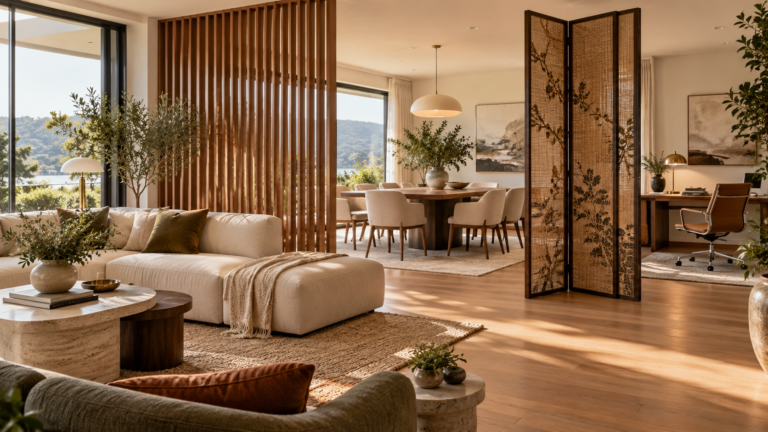
Similarly, an open plan living space can include separate dining and conversation zones.
Why a Sitting Area Can Improve a Home
Good interior design is partly about assigning clear purposes to different spaces.
A seating zone gives people a specific place to:
- Relax
- Read
- Talk
- Drink coffee
- Work casually
- Welcome visitors
- Enjoy a view
Without thoughtful planning, furniture can feel randomly placed.
A defined seating area helps establish structure.
It also allows homeowners to make better use of underused parts of the property.
An empty corner near a window, for example, can become a comfortable reading space with one chair, a lamp and a small side table.
7 Amazing Sitting Area Ideas for a Stylish Home
1. Start With the Purpose of the Sitting Area
The most important design decision should happen before furniture is purchased.
Decide how the space will be used.
A conversation area may need multiple chairs facing one another.
A reading space may need only one comfortable chair.
A bedroom sitting area might be used for morning coffee or quiet relaxation.
A reception area may need durable seating for several visitors.
Questions to Ask Before Designing
Consider:
- Who will use the area?
- How many people need seating?
- How often will it be used?
- Is privacy important?
- Is natural light available?
- Is storage required?
- Will people eat or drink there?
- Does the space need electrical outlets?
These questions help determine the furniture and layout.
Design for Real Use
A beautiful chair that nobody finds comfortable will probably become decoration rather than useful seating.
Similarly, a large coffee table may look impressive but can make a small space difficult to move through.
Function should guide design.
The final result can still be visually attractive, but it should remain easy to use.
2. Choose Furniture That Matches the Space
Furniture scale is one of the most important elements of a successful seating area.
Large furniture can overwhelm a small room.
Very small furniture can look lost in a large open space.
Measure the area before buying anything.
Important dimensions include:
- Floor width
- Floor length
- Ceiling height
- Window position
- Door swing
- Walkways
- Existing furniture
Furniture Options for a Sitting Area
Depending on available space, suitable pieces may include:
- Sofa
- Loveseat
- Armchair
- Accent chair
- Bench
- Ottoman
- Coffee table
- Side table
Not every sitting space requires a full sofa.
Two comfortable chairs can sometimes create a better conversation area than one large couch.
Small Sitting Area Furniture
Compact spaces benefit from furniture with a lighter visual appearance.
Consider:
- Chairs with visible legs
- Small round tables
- Armless seating
- Nesting tables
- Compact loveseats
- Storage ottomans
Furniture that performs more than one function can be particularly useful.
An ottoman might provide seating, storage and a surface for a tray.
3. Create a Comfortable Furniture Layout
Furniture arrangement determines how people interact with the space.
For conversation, seats should feel connected rather than scattered around the room.
Chairs and sofas can face each other or angle toward a central table.
The layout should also preserve comfortable walking paths.
Conversation Layout
A common arrangement includes:
- Sofa as the main seat
- Two chairs opposite or angled toward it
- Coffee table in the centre
- Side tables near seats
This creates a defined social zone.
Window Sitting Area
Windows often provide an ideal location.
A window area can include:
- One or two chairs
- Small table
- Floor lamp
- Decorative plant
Natural light can make the space especially attractive during daytime.
Avoid placing furniture in a way that blocks important windows or doors unless the layout requires it.
Corner Sitting Area
Corners are often underused.
A simple corner setup can include:
- Accent chair
- Small side table
- Lamp
- Cushion
- Artwork
This is enough to create a functional area without major renovation.
4. Use Lighting to Make the Sitting Area More Inviting
Lighting strongly influences atmosphere.
A seating space used in the evening requires different lighting from one located next to a sunny window.
A good design often combines several lighting sources.
Natural Light
Natural daylight can make a seating zone feel bright and open.
Placing chairs near a window can work well for:
- Reading
- Morning coffee
- Relaxation
- Casual work
Window coverings allow users to control glare and privacy.
Ambient Lighting
Ambient lighting provides general illumination.
Examples include:
- Ceiling lights
- Pendant lights
- Wall lights
- Recessed lighting
The light should be comfortable rather than harsh.
Task Lighting
Task lighting is useful for reading or detailed activities.
A floor lamp positioned next to a chair is one of the simplest solutions.
A table lamp can provide similar functionality when a side table is available.
Accent Lighting
Accent lighting can highlight:
- Artwork
- Shelves
- Plants
- Architectural details
It adds depth and visual interest.
5. Add Comfort With Textiles and Soft Furnishings
Furniture provides the basic structure, but textiles often make the space feel comfortable.
Useful soft furnishings include:
- Cushions
- Throws
- Rugs
- Curtains
- Upholstery
These elements introduce texture and warmth.
Cushions
Cushions can support both comfort and colour.
Avoid covering every seat with too many cushions.
A small number of well chosen cushions often creates a cleaner result.
Throws
A folded throw can add warmth and make the area feel more inviting.
It is especially useful in reading corners or bedrooms.
Area Rugs
A rug can visually define the seating zone.
This is particularly useful in open plan rooms where different functions share one large space.
The rug should be appropriately scaled.
A rug that is too small may make the furniture look disconnected.
Mix Textures Carefully
Combining materials such as linen, wool, cotton, wood and metal can add visual depth.
Too many competing textures can make the area feel busy.
Choose a limited palette and repeat materials throughout the design.
6. Use Colour to Define the Sitting Area
Colour can visually separate a seating zone from the rest of the room.
This does not require painting every wall a dramatic shade.
Subtle colour differences can be enough.
Neutral Sitting Area
Neutral colours such as:
- Beige
- Cream
- White
- Grey
- Taupe
create a calm background.
They work particularly well when the furniture or artwork provides stronger colour.
Accent Colours
Accent colours can appear through:
- Cushions
- Artwork
- Rugs
- Plants
- Decorative objects
This makes it easier to update the design without replacing expensive furniture.
Darker Colours
Darker tones can make a larger area feel more intimate.
Deep blue, green, charcoal or brown can create a cosy atmosphere when balanced with appropriate lighting.
In very small or poorly lit spaces, use dark colours carefully.
7. Personalise the Sitting Area With Decor
A sitting space should feel connected to the people using it.
Decorative elements can provide personality without reducing functionality.
Suitable items may include:
- Artwork
- Books
- Plants
- Decorative bowls
- Sculptures
- Family photographs
- Candles
Plants
Plants can soften modern interiors and introduce natural texture.
Choose plants according to available light.
Not every indoor plant thrives in the same conditions.
Artwork
Artwork can anchor the seating area visually.
One large piece may create a cleaner appearance than many small pieces.
Gallery walls can also work when carefully planned.
Books
Books can make a reading area feel natural and useful.
A small shelf or side table may be enough.
Avoid adding decorative objects simply to fill every available surface.
Empty space is part of good design.
Sitting Area Ideas for Small Spaces
A small home can still have a dedicated seating zone.
The key is selecting furniture carefully.
Use Corners
A corner chair and small table can create a useful area without interfering with the main room.
Choose Compact Furniture
Oversized sofas can dominate small spaces.
Instead consider:
- Compact loveseat
- Accent chair
- Bench
- Narrow side table
Use Vertical Space
Wall shelves provide storage without taking up floor space.
They can hold books, plants and decorative objects.
Avoid Overcrowding
A small area usually benefits from fewer pieces.
One excellent chair can be more useful than several uncomfortable seats squeezed together.
Bedroom Sitting Area Ideas
A bedroom seating zone creates a place to relax without sitting on the bed.
Large bedrooms may accommodate:
- Loveseat
- Two armchairs
- Bench
- Small coffee table
Smaller rooms might only need:
- One chair
- Side table
- Lamp
Place Seating Near a Window
A window location often provides natural light and a pleasant view.
Use Softer Colours
Bedrooms generally benefit from calmer colours.
Neutral, earthy and muted tones can help maintain a relaxing atmosphere.
Maintain Separation From the Bed
If possible, leave enough visual space between the bed and seating zone.
A rug can help define the two functions.
Living Room Sitting Area Ideas
The living room usually contains the home’s main seating arrangement.
The layout should reflect how the family actually uses the room.
Television Focused Layout
When the television is central, seats often face the screen.
Avoid positioning every seat in one straight line if conversation is also important.
Conversation Focused Layout
Arrange furniture around a central table.
Seats should face one another naturally.
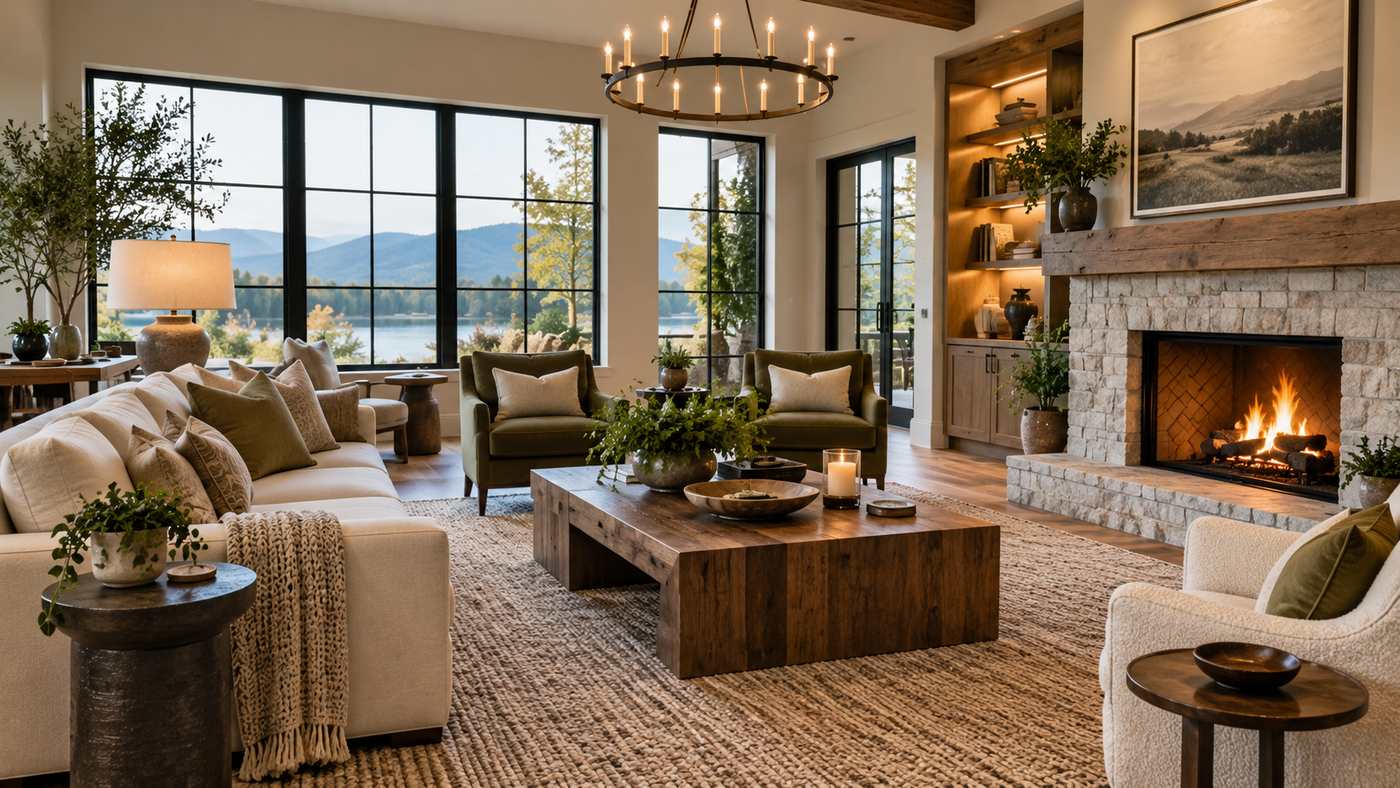
Fireplace Focused Layout
A fireplace can act as the visual focal point.
Arrange seating so occupants can enjoy the fireplace while still communicating with one another.
Outdoor Sitting Area Ideas
The same design principles apply outdoors.
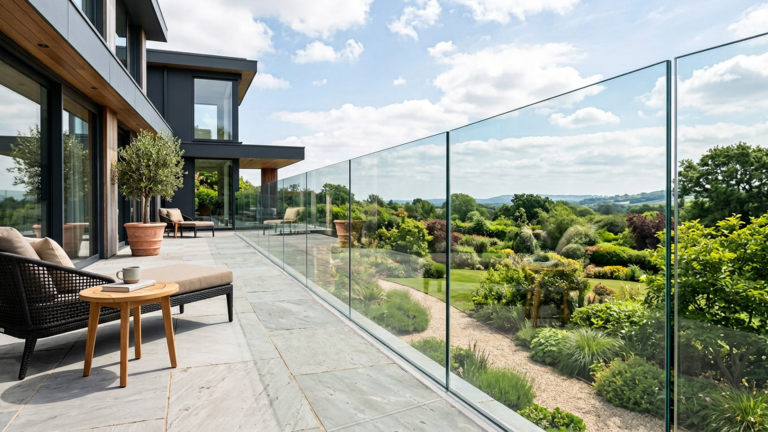
An outdoor seating area may be located on:
- Patio
- Balcony
- Terrace
- Deck
- Garden
Choose Weather Suitable Furniture
Outdoor furniture should be designed for exposure to weather.
Materials may include:
- Aluminium
- Treated wood
- Outdoor woven materials
- Weather resistant fabrics
Add Shade
Shade improves comfort during strong sunlight.
Options include:
- Umbrella
- Pergola
- Awning
- Covered patio
Outdoor Lighting
String lights, wall lighting or portable outdoor lamps can extend use into the evening.
Electrical products should be suitable for outdoor conditions.
Sitting Area Storage Ideas
Storage helps keep small seating zones organised.
Consider furniture with hidden storage.
Examples include:
- Storage ottoman
- Bench with compartments
- Side table with drawers
- Coffee table with shelves
Wall mounted shelves can provide additional storage without reducing usable floor area.
Keep frequently used items accessible.
Books, remote controls, chargers and blankets should have a logical place.
How to Make a Sitting Area Feel Bigger
Small spaces can feel larger through careful design.
Use Mirrors
Mirrors reflect light and can create a sense of additional depth.
Keep Furniture Proportional
Large furniture makes floor space feel limited.
Use Light Colours
Light colours can help maintain an open visual feeling.
Reduce Visual Clutter
Too many decorative items can make the area feel smaller.
Maintain Clear Walkways
Visible floor space and clear movement paths help the room feel less crowded.
Common Sitting Area Design Mistakes
Buying Furniture Before Measuring
Always confirm available dimensions.
Ignoring Traffic Flow
People should be able to move through the room comfortably.
Using Only One Light Source
Layered lighting usually creates a more comfortable atmosphere.
Too Much Furniture
More furniture does not automatically make a room more useful.
No Focal Point
A focal point gives the design structure.
It might be:
- Fireplace
- Artwork
- Window
- Television
- Feature wall
Poor Furniture Scale
Furniture should suit both the room and other pieces nearby.
How to Create a Luxury Sitting Area
Luxury is not simply about expensive furniture.
A refined design usually depends on:
- Quality materials
- Comfortable furniture
- Balanced proportions
- Layered lighting
- Consistent colour palette
- Carefully selected decor
Avoid filling the area with unnecessary items.
Well designed simplicity can often look more sophisticated than excessive decoration.
Sitting Area Ideas for Apartments
Apartment interiors often require flexible furniture.
Useful options include:
- Compact chairs
- Modular seating
- Nesting tables
- Storage ottomans
- Folding furniture
Furniture that can move easily allows the room to adapt for different uses.
For example, a side chair can be moved toward the dining table when extra seating is required.
Creating a Sitting Area on a Budget
A stylish seating zone does not require replacing everything.
Start with existing furniture.
Rearranging the layout may improve the room significantly.
Affordable updates can include:
- New cushions
- Throw blanket
- Floor lamp
- Small rug
- Indoor plant
- Wall art
Second hand furniture can also provide value when it is structurally sound and suitable for the space.
Frequently Asked Questions
What is a sitting area in a house?
A sitting area is a designated part of a room or property designed for relaxing, reading, conversation or casual activities using comfortable seating.
What furniture should a sitting area have?
Common furniture includes a sofa, loveseat, armchairs, side tables, coffee table or ottoman. The exact combination depends on available space and intended use.
How do I create a sitting area in a small room?
Use compact furniture, choose one clear purpose, keep walkways open and consider multifunctional pieces such as storage ottomans or nesting tables.
Where should a sitting area be placed?
Suitable locations include near a window, in a bedroom corner, around a fireplace, beside a bookshelf or within an open plan living space.
How can I make my sitting area cosy?
Use comfortable seating, layered lighting, cushions, throws, rugs, warm textures and a limited colour palette to create a more inviting atmosphere.
What is the difference between a living room and a sitting area?
A living room is usually a complete room, while a sitting area can be a smaller defined seating zone within a bedroom, living room, hallway, office or outdoor space.
Conclusion
A well planned sitting area can turn unused space into one of the most comfortable and functional parts of a home. The best designs begin with a clear purpose, appropriately scaled furniture, comfortable lighting and a layout that allows easy movement. By combining practical seating with thoughtful colours, textures and decor, homeowners can create an inviting space that feels both stylish and genuinely useful.