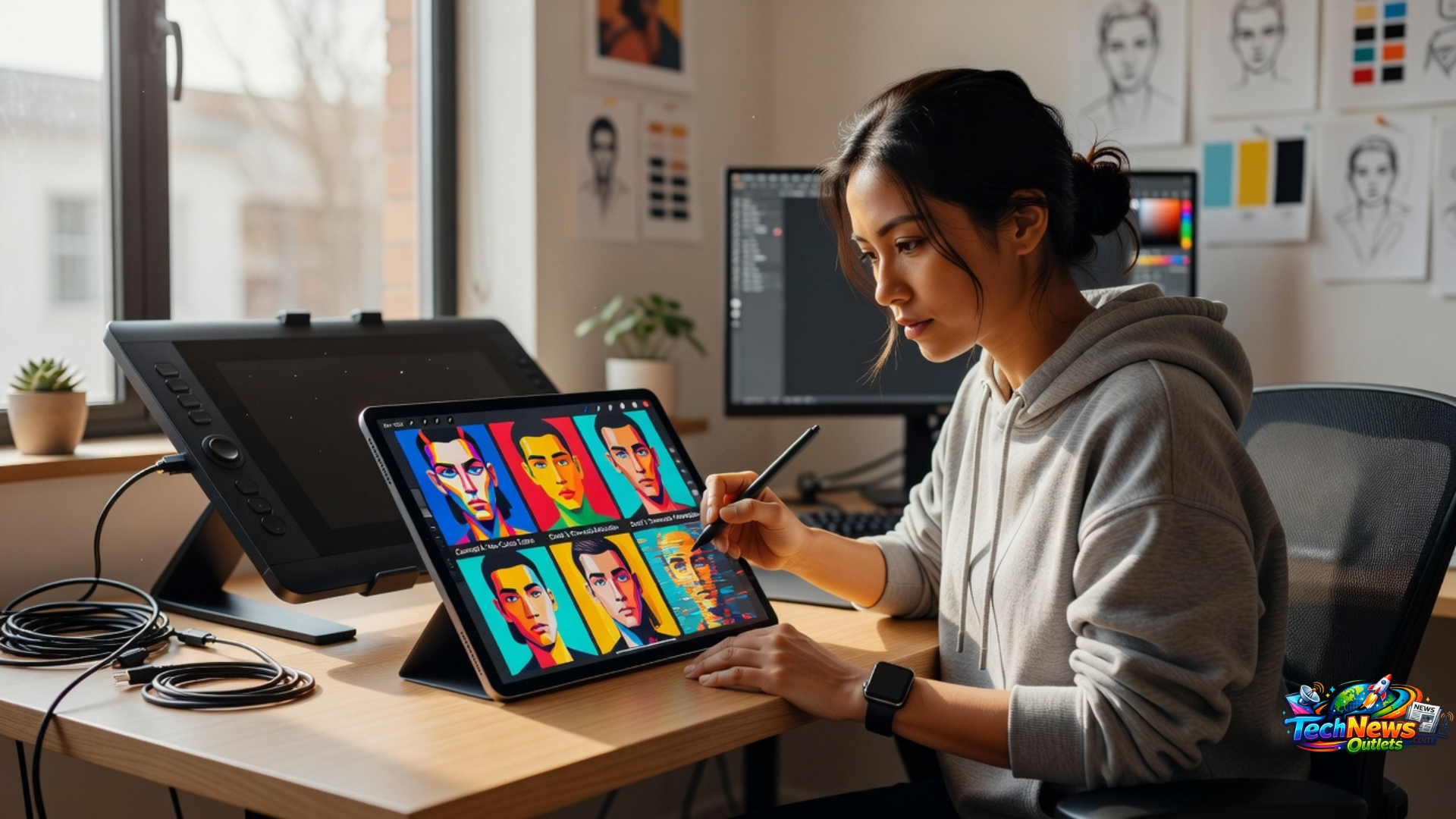
AI Avatar Generator: Creating Digital Identities and Brand Presence
Establishing a digital identity has become essential for professionals and brands operating in virtual spaces. Consequently, users seek efficient methods to create visually appealing online personas without scheduling expensive photography sessions. Utilizing an AI Avatar Generator provides a rapid, cost-effective solution for producing custom digital portraits. Furthermore, this technology leverages machine learning to synthesize unique faces based on text prompts or uploaded reference images. Therefore, individuals and marketing teams can maintain consistent visual branding across multiple platforms effortlessly.
The Technology Behind the AI Avatar Generator
Modern avatar creation relies on sophisticated deep learning architectures. Developers train these models on massive datasets containing millions of human faces and artistic styles. Diffusion models have largely replaced older generative adversarial networks due to their superior image fidelity. These models learn to add noise to an image and then reverse the process to generate completely new visuals from scratch. Consequently, the output achieves photorealistic quality or highly stylized artistic renditions depending on user preference. Thus, the underlying neural network dictates the final visual output.
Text-to-Image Synthesis in the AI Avatar Generator
The most powerful feature of modern platforms is text-to-image synthesis. Users describe their desired avatar using natural language prompts. They can specify hair color, clothing, background lighting, and artistic medium. For example, a user might request a corporate headshot in the style of an oil painting. The natural language processing engine parses this prompt and guides the image generation algorithm. Therefore, users achieve highly specific results without needing graphic design skills. Consequently, prompt engineering becomes a valuable skill for maximizing the utility of these platforms.
Strategic Applications of the AI Avatar Generator
Digital representations serve numerous professional and commercial purposes today. Marketing agencies use generated avatars to represent customer personas in presentation decks. Furthermore, content creators utilize stylized versions of themselves to maintain anonymity while building a recognizable brand. Corporations deploy consistent avatar sets for employee badges on internal communication platforms. Therefore, automated generation tools scale visual identity production exponentially. Consequently, businesses maintain cohesive branding without incurring massive photography costs. Thus, the technology supports diverse digital communication strategies.
Enhancing Social Media Presence with an AI Avatar Generator
Social media platforms demand frequent profile updates to keep audiences engaged. An AI Avatar Generator allows users to create seasonal or theme-specific profile pictures instantly. A professional might generate a formal headshot for LinkedIn and a more relaxed, illustrated version for Instagram. Furthermore, maintaining a consistent color palette and facial structure across these variations builds strong brand recognition. Therefore, users avoid the monotony of a single static profile picture while preserving their core visual identity. Consequently, dynamic social media branding keeps audiences visually stimulated and engaged.
Customization and Fine-Tuning in the AI Avatar Generator
Generating an image from a prompt is only the first step in the creative process. High-quality platforms offer extensive post-generation customization tools. Users can adjust facial expressions, alter clothing colors, or change background environments without regenerating the entire image. Furthermore, inpainting features allow users to select specific areas of the portrait and modify them using new text prompts. Therefore, fine-tuning ensures the final avatar perfectly aligns with the user’s vision. Consequently, granular control transforms a generic generation into a bespoke digital asset. Thus, customization tools bridge the gap between artificial output and human intent.
Maintaining Brand Consistency Using the AI Avatar Generator
Global enterprises struggle to maintain visual consistency across decentralized marketing teams. Regional offices often hire local photographers, resulting in mismatched headshot styles on the corporate website. An AI Avatar Generator solves this by applying a uniform stylistic filter to all employee photos. A company can establish a specific branded style, such as minimalist line art or specific lighting setups. Employees upload their standard photos, and the platform generates avatars matching the corporate guideline perfectly. Therefore, the organization presents a unified visual front globally. Consequently, automated standardization protects corporate brand integrity.
Ethical Considerations and Bias in the AI Avatar Generator
While powerful, generative image technology introduces significant ethical challenges. Models trained on biased datasets often struggle to render diverse ethnic features accurately or may over-represent certain demographics. Furthermore, the potential for misuse in creating deepfakes or unauthorized impersonations poses a severe security risk. Therefore, reputable platforms implement strict guardrails and content moderation filters. They block prompts requesting real public figures or explicit content. Consequently, responsible development mitigates the risks of algorithmic bias and malicious application. Thus, ethical governance remains crucial for sustainable platform operation.
Copyright and Ownership Rights from an AI Avatar Generator
The legal landscape surrounding artificially generated art remains highly complex. Copyright offices generally maintain that works generated solely by machines cannot be copyrighted because they lack human authorship. Therefore, users attempting to trademark a purely machine-generated face might face legal hurdles. However, if a user significantly modifies the output or uses it as part of a larger human-directed design, ownership claims strengthen. Reputable platforms often grant users commercial usage rights to the images generated on their servers. Consequently, businesses can use the avatars in marketing materials without fear of copyright infringement claims from the software vendor. Thus, understanding usage licenses prevents future legal complications.
Choosing the Right AI Avatar Generator for Your Needs
The market offers a wide spectrum of tools, ranging from free mobile applications to enterprise-grade API solutions. Selecting the right platform requires evaluating specific use cases. A solo content creator might prioritize artistic style variety and low subscription costs. Conversely, a corporate HR department might prioritize API integration, data privacy, and strict brand consistency features. Therefore, buyers must test the output quality using free trials before committing to a paid tier. Consequently, matching platform capabilities to organizational requirements ensures a solid return on investment. Thus, careful vendor selection maximizes the utility of the technology.
Evaluating Security and Data Privacy in the AI Avatar Generator
When users upload personal photographs to train custom models, they surrender sensitive biometric data. Therefore, data privacy becomes a paramount concern. Enterprise buyers must ensure the chosen platform does not store uploaded images on public servers or use them to train future global models without explicit consent. Reputable vendors offer data deletion protocols and comply with regulations like GDPR. Therefore, reviewing the platform’s privacy policy and data handling architecture is a mandatory step in the procurement process. Consequently, robust data security practices protect user privacy and prevent unauthorized biometric tracking. Thus, privacy compliance builds user trust in generative technologies.
FAQs
1. What is an AI Avatar Generator?
It is a software platform that uses machine learning algorithms to create custom digital portraits based on text prompts or uploaded reference images.
2. Can I use AI-generated avatars for commercial branding?
Yes, most reputable platforms grant commercial usage rights, allowing businesses to use the generated images in marketing materials and corporate profiles.
3. Do I own the copyright to avatars created by AI?
Copyright laws are evolving, but purely machine-generated images often lack human authorship protection, though significant human modification can establish ownership.
4. How does an AI Avatar Generator handle data privacy?
Reputable platforms encrypt uploaded photos, comply with GDPR, and do not use personal biometric data to train global models without explicit user consent.
5. Can I customize an avatar after it is generated?
Yes, modern platforms offer inpainting and fine-tuning tools that allow users to adjust facial features, clothing, and backgrounds post-generation.
6. What is the difference between text-to-image and image-to-image generation?
Text-to-image creates avatars from written descriptions, while image-to-image uses an uploaded photo as a structural base to apply new artistic styles.
Conclusion
The integration of machine learning into digital identity creation offers unprecedented scalability and creative freedom. An AI Avatar Generator allows professionals and global enterprises to maintain consistent, high-quality visual branding without the logistical nightmares of traditional photography. Furthermore, the ability to fine-tune outputs ensures that these digital representations align perfectly with specific brand guidelines. While ethical and copyright considerations remain important, responsible platform usage and strict data governance mitigate these risks effectively. Ultimately, leveraging an AI Avatar Generator empowers users to establish dynamic, engaging digital presences that adapt to the evolving demands of modern virtual communication.