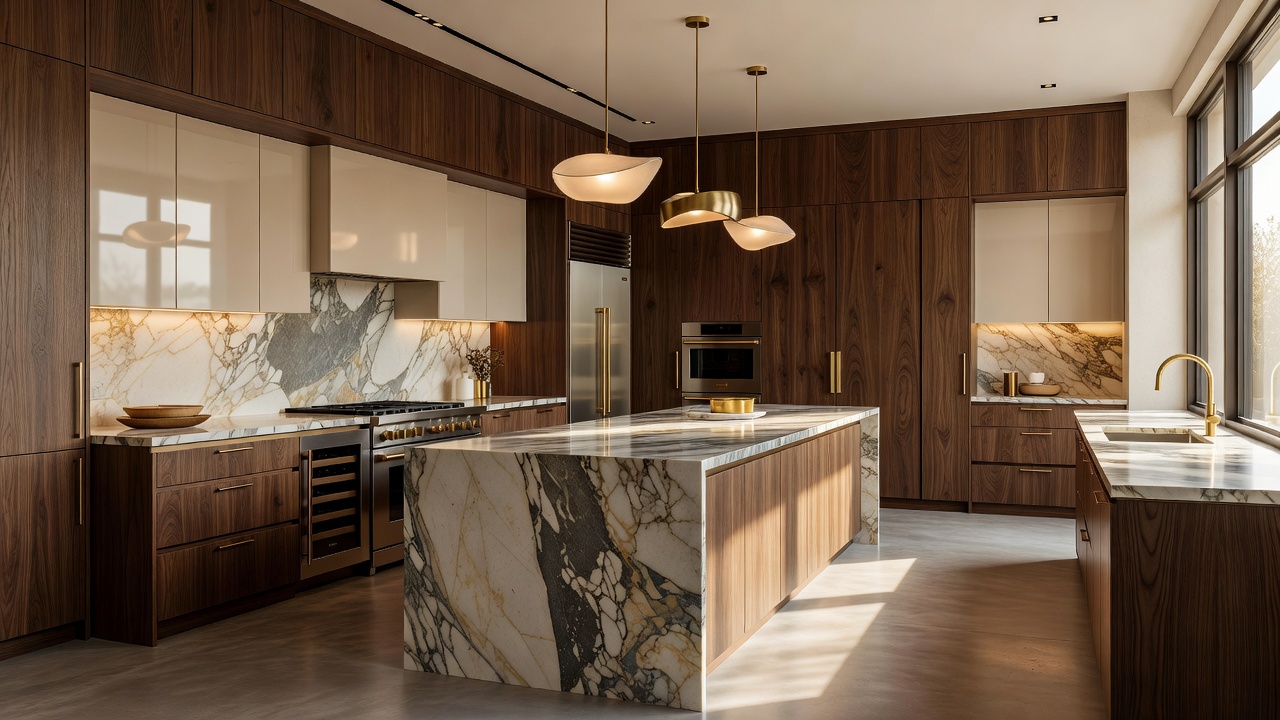
Luxury Kitchen Remodeling: 7 Best Upgrade Ideas
Article Title:
Luxury Kitchen Remodeling Guide: How to Create an Elegant, Functional, and Timeless High-End Kitchen
A kitchen is no longer simply a room for preparing meals. In many contemporary homes, it functions as a gathering place, entertaining space, design centerpiece, and everyday work area. A successful luxury kitchen remodeling project combines sophisticated aesthetics with intelligent space planning, durable materials, premium appliances, and craftsmanship that makes the room easier to use rather than merely more expensive.
The distinction between an ordinary renovation and a genuinely high-end kitchen often lies in details that are not immediately obvious. Custom cabinetry can maximize awkward spaces, layered lighting can transform both functionality and atmosphere, and carefully planned appliance placement can make cooking considerably more efficient. Similarly, premium natural stone may create visual impact, but its long-term value depends on whether its maintenance requirements fit the household.
Luxury also means different things to different homeowners. For one family, it may mean a chef-inspired range and oversized island. For another, it might involve concealed appliances, minimalist cabinetry, a dedicated butler’s pantry, or smart lighting integrated throughout the home. The strongest remodel begins by defining how the kitchen needs to function before selecting finishes.
This guide explores seven high-impact upgrades, planning considerations, common mistakes, budgeting principles, and design trends that can help create a refined kitchen with lasting appeal.
What Is Luxury Kitchen Remodeling?
Luxury kitchen remodeling is the process of redesigning and upgrading a kitchen using high-quality materials, customized solutions, premium equipment, and detailed planning.
Projects often include:
- Custom cabinetry.
- Premium countertops.
- Professional-grade appliances.
- Architectural lighting.
- High-quality flooring.
- Custom storage.
- Smart-home integration.
- Structural layout changes.
However, luxury should not be measured solely by price.
A visually impressive kitchen that lacks adequate storage or creates awkward movement may feel less luxurious in everyday use than a carefully planned space using restrained materials.
Why Planning Comes Before Design
It is tempting to begin a luxury kitchen remodeling project by selecting stone slabs, cabinetry colors, and appliances.
Start with functionality instead.
Ask how the existing kitchen fails to meet your needs.
Common concerns include:
- Insufficient counter space.
- Poor storage.
- Limited lighting.
- Difficult traffic flow.
- Outdated appliances.
- Inadequate entertaining space.
- Lack of pantry storage.
These priorities should influence the new floor plan.
1. Invest in Custom Cabinetry
Cabinetry occupies a substantial portion of a kitchen’s visual field and performs most of its storage work.
Custom cabinets can be designed around the home’s exact dimensions rather than relying exclusively on standard sizes.
Potential features include:
Full-Height Storage
Cabinetry extending toward the ceiling can reduce unused space while creating a more architectural appearance.
Integrated Organization
Interior solutions may include:
- Deep drawers.
- Tray dividers.
- Pull-out shelves.
- Spice storage.
- Waste and recycling centers.
- Appliance garages.
Furniture-Style Details
High-end kitchens may use finished end panels, integrated lighting, custom trim, or carefully matched grain patterns.
Quality hinges, drawer slides, and construction methods can matter as much as the visible door style.
2. Choose Premium Countertops Strategically
Countertops influence both appearance and daily maintenance.
Popular materials in luxury kitchen remodeling include:
Natural Stone
Marble, granite, and quartzite provide distinctive natural patterns.
Each stone has different characteristics involving porosity, hardness, staining, and maintenance.
Engineered Quartz
Quartz surfaces offer consistent appearance and generally straightforward maintenance, although heat exposure requirements should be reviewed.
Porcelain
Large-format porcelain surfaces can create a contemporary look while offering useful performance characteristics.
Wood
Wood countertops can add warmth in selected areas such as islands or baking stations but require appropriate care.
Rather than choosing material solely from a showroom sample, evaluate how it performs under actual household conditions.
3. Upgrade the Kitchen Island
A large island has become a defining feature of many high-end kitchens, but bigger is not automatically better.
The island should support movement through the room.
Depending on available space, it might include:
- Preparation surfaces.
- Seating.
- Storage.
- Sink.
- Dishwasher.
- Beverage refrigerator.
- Electrical outlets.
- Induction cooking.
Oversized islands can become inconvenient if reaching the center is difficult or walking clearances are inadequate.
Careful scale produces a more luxurious result than maximizing dimensions unnecessarily.
4. Select Appliances Around Your Lifestyle
Premium appliances are common in luxury kitchen remodeling, but they should reflect actual cooking habits.
A household that entertains frequently might value:
- Double ovens.
- Multiple refrigeration zones.
- Wine storage.
- Large cooktops.
- Warming drawers.
A homeowner seeking minimalist design may instead prefer appliances concealed behind cabinetry panels.
Before ordering, verify:
- Electrical requirements.
- Gas requirements where applicable.
- Ventilation.
- Cabinet dimensions.
- Door clearances.
- Delivery access.
High-end appliances can have long lead times, so they should be coordinated early in the project.
5. Create Layered Lighting
Lighting can transform a beautiful kitchen into a functional one.
Effective plans combine several layers.
Ambient Lighting
Provides overall room illumination.
Task Lighting
Supports food preparation and other detailed activities.
Under-cabinet lighting is especially useful above work surfaces.
Accent Lighting
Highlights architectural details, display cabinetry, or artwork.
Decorative Lighting
Pendants and chandeliers contribute visual character.
Dimmers and zoned controls allow the room to shift from bright food preparation to softer evening entertaining.
6. Add a Butler’s Pantry or Secondary Prep Zone
Where space permits, secondary kitchen areas can provide substantial everyday convenience.
A butler’s pantry may include:
- Additional storage.
- Small appliances.
- Beverage preparation.
- Dishwasher.
- Sink.
- Serving space.
The main kitchen can remain visually clean while messier preparation happens elsewhere.
Some larger homes incorporate a fully functional secondary prep kitchen.
Whether this makes sense depends on household routines and available square footage.
7. Integrate Smart Technology Thoughtfully
Technology can improve convenience when it solves genuine problems.
Smart kitchen features may include:
- Connected ovens.
- Automated lighting.
- Leak detection.
- Smart faucets.
- Temperature monitoring.
- Voice or app controls.
Avoid adding technology solely because it is new.
Built-in systems should remain reasonably usable even when applications, network services, or technology standards change.
Choosing a Luxury Kitchen Layout
Common layouts include:
Open-Concept Kitchen
Connects cooking, dining, and living spaces.
Galley Layout
Uses parallel work zones and can be highly efficient when planned correctly.
L-Shaped Kitchen
Provides flexible corner placement and can accommodate an island in larger rooms.
U-Shaped Kitchen
Creates extensive surrounding workspace and storage.
The best layout depends on room dimensions, household routines, structural conditions, and traffic.
The Kitchen Work Triangle: Still Relevant?
Traditional kitchen planning often emphasizes a triangle connecting the sink, refrigerator, and cooking area.
The principle remains useful, but modern kitchens can be more complex.
Large kitchens may have multiple work zones for:
- Cooking.
- Baking.
- Coffee.
- Drinks.
- Cleaning.
- Food preparation.
Instead of forcing every design into a triangle, prioritize efficient movement between related activities.
Flooring for a High-End Kitchen
Kitchen flooring must balance appearance with durability.
Options include:
- Hardwood.
- Engineered wood.
- Natural stone.
- Porcelain tile.
- Large-format tile.
Consider water exposure, slip resistance, maintenance, underfloor heating compatibility, and how the flooring connects with adjacent spaces.
Continuous flooring between a kitchen and living area can visually unify an open-plan home.
Ventilation Should Not Be an Afterthought
Powerful cooking equipment can generate heat, grease, moisture, and odors.
Ventilation should be planned alongside appliances.
Requirements may depend on:
- Cooking equipment.
- Hood capacity.
- Duct route.
- Building codes.
- Makeup-air requirements.
This is an area where qualified designers, contractors, and mechanical professionals should coordinate early.
Storage Is a Luxury Feature
Expensive finishes cannot compensate for poor organization.
Thoughtful storage may include:
- Drawer-based lower cabinets.
- Pantry pull-outs.
- Vertical tray storage.
- Hidden appliance stations.
- Custom utensil organizers.
- Dedicated recycling areas.
Before approving cabinetry drawings, identify where frequently used items will actually go.
Choosing a Color Palette
Timeless luxury often relies on a disciplined color strategy rather than excessive visual complexity.
Popular approaches include:
Warm Neutrals
Cream, taupe, soft beige, and natural wood create a comfortable atmosphere.
High-Contrast Design
Dark cabinetry paired with lighter stone can create dramatic depth.
Natural Materials
Wood, stone, metal, and textured surfaces add richness without requiring strong colors.
Trends can date quickly, so permanent and expensive materials often benefit from greater restraint.
Luxury Kitchen Remodeling Costs
There is no universal cost for a high-end kitchen remodel.
Budget depends on:
- Kitchen size.
- Structural work.
- Cabinetry.
- Appliances.
- Countertops.
- Electrical work.
- Plumbing.
- Flooring.
- Labor rates.
- Geographic location.
Moving walls, relocating plumbing, changing electrical service, or adding structural support can significantly alter the project cost.
Establish a realistic contingency for unexpected conditions, particularly in older homes.
How Long Does a Luxury Kitchen Remodel Take?
Timelines depend heavily on project complexity.
A luxury remodel can involve:
- Design development.
- Engineering.
- Permits.
- Material ordering.
- Demolition.
- Rough plumbing and electrical work.
- Cabinet installation.
- Countertop fabrication.
- Finishing.
Custom cabinetry and specialty materials may require significant lead time.
A detailed schedule should be developed before demolition begins.
Choosing a Luxury Kitchen Remodeling Contractor
High-end projects require coordination between multiple trades.
Look for a contractor with relevant experience involving:
- Custom cabinetry.
- Premium finishes.
- Complex installations.
- Plumbing and electrical coordination.
- Permits.
- Detailed project management.
Review completed projects rather than relying solely on marketing photographs.
Ask for references and verify applicable licensing and insurance requirements.
Designer vs. Contractor
Kitchen designers and contractors perform different but complementary roles.
A designer may focus on:
- Layout.
- Materials.
- Cabinetry.
- Lighting.
- Aesthetics.
A general contractor typically manages construction, subcontractors, scheduling, and site execution.
Complex remodels often benefit from both disciplines working together from the beginning.
Common Luxury Remodeling Mistakes
One of the biggest mistakes is prioritizing visual impact over daily function.
Other mistakes include:
- Choosing appliances too late.
- Inadequate lighting.
- Ignoring ventilation.
- Oversizing the island.
- Underestimating storage.
- Failing to plan electrical outlets.
- Using delicate materials in unsuitable locations.
Luxury should make everyday life easier, not simply photograph well.
Sustainability in High-End Kitchens
Premium design and sustainability can work together.
Consider:
- Durable materials.
- Energy-efficient appliances.
- LED lighting.
- Water-efficient fixtures.
- Responsible material sourcing.
- Recycling and waste storage.
Long-lasting design can also reduce the frequency of major renovations.
AI and Kitchen Design
Artificial intelligence is becoming useful during early design exploration.
Homeowners and designers can use AI-enabled software to:
- Explore layouts.
- Visualize materials.
- Compare colors.
- Generate design concepts.
- Organize project requirements.
However, AI visualizations may ignore structural limitations, building codes, exact dimensions, or installation requirements.
Final construction decisions should rely on qualified professionals and accurate plans.
Creating a Timeless Luxury Kitchen
The most durable luxury interiors balance character with restraint.
Instead of making every surface a focal point, establish a hierarchy.
For example, distinctive natural stone can become the primary visual feature while cabinetry and flooring remain quieter.
Invest heavily in items that influence daily function and are difficult to replace:
- Cabinetry.
- Layout.
- Appliances.
- Lighting infrastructure.
- Plumbing.
Decorative accessories and paint colors can evolve more easily over time.
Conclusion
Luxury kitchen remodeling succeeds when exceptional materials and sophisticated design are supported by practical planning. Custom cabinetry, premium countertops, layered lighting, high-performance appliances, smart storage, and carefully integrated technology can create a kitchen that feels genuinely luxurious because it works effortlessly for the people using it. Before selecting finishes, homeowners should define their cooking habits, entertaining needs, storage requirements, and long-term priorities. Experienced designers and contractors can then translate those needs into an appropriate layout while coordinating structural, electrical, plumbing, ventilation, and installation details. A thoughtfully planned luxury kitchen should not merely follow current trends; it should provide lasting comfort, functionality, craftsmanship, and visual appeal for years to come.
FAQs
What is luxury kitchen remodeling?
Luxury kitchen remodeling involves redesigning a kitchen with high-quality materials, custom features, premium appliances, sophisticated lighting, detailed craftsmanship, and functionality tailored to the household.
What should I spend the most money on in a luxury kitchen?
Priorities vary, but cabinetry, layout, appliances, countertops, lighting, and quality installation typically deserve significant attention because they strongly influence daily use and are costly to change later.
Are custom cabinets worth considering?
Custom cabinetry can maximize storage, fit unusual spaces, incorporate specialized organization, and create a more integrated appearance. Whether it is worthwhile depends on budget and design goals.
How long does luxury kitchen remodeling take?
Timelines vary substantially according to project scope, permitting, structural changes, custom cabinetry, material lead times, and contractor scheduling.
Which countertop is best for a luxury kitchen?
There is no universal best option. Quartzite, marble, granite, engineered quartz, porcelain, and other materials offer different combinations of appearance, durability, maintenance, and price.
Does luxury kitchen remodeling increase home value?
A high-quality remodel may improve buyer appeal and property value, but financial returns depend on location, housing market, project cost, design choices, and overall home condition. No specific return should be assumed.