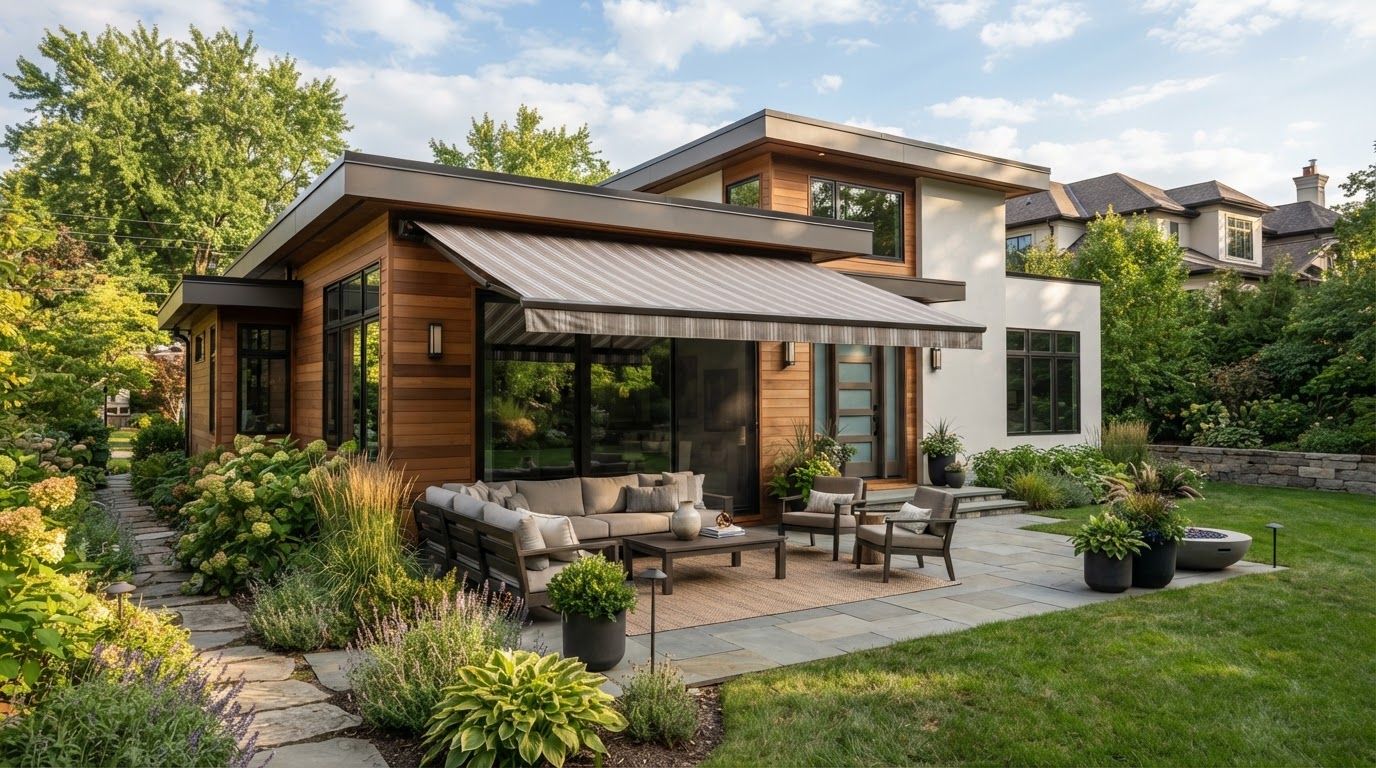
Transform Your Outdoor Space With Awnings That Combine Shade, Comfort, and Style
Well chosen awnings can make patios, decks, windows, doors, storefronts, and other outdoor areas more comfortable while adding an attractive architectural feature to a building. Available in fixed and retractable designs, these shade products can reduce direct sunlight over selected areas and provide varying levels of weather protection depending on their construction. Choosing the right solution requires more than selecting a fabric color. Size, mounting surface, material, exposure, climate, operation, installation, maintenance, and local requirements all influence how effectively an awning performs.
What Are Awnings?
Awnings are exterior coverings attached to a building or supported by a structural frame to provide shade or shelter over a designated area. They are commonly installed above windows, doors, patios, decks, walkways, and commercial entrances.
An awning generally consists of a frame or supporting mechanism combined with a covering material. Depending on the design, the covering might consist of outdoor fabric, acrylic material, metal, polycarbonate, or another product intended for exterior exposure.
Some systems remain permanently extended. Others retract manually or through a motorized mechanism when shade is not required.
How Do Awnings Work?
The fundamental principle is straightforward. An awning projects beyond a building surface and intercepts direct sunlight before it reaches the area underneath or passes through nearby glazing.
The amount of useful shade depends on several variables, including projection, mounting height, orientation, sun angle, and the dimensions of the covered area.
Retractable models allow users to adjust coverage as conditions change. Fixed structures provide continuous coverage but cannot typically be withdrawn during severe conditions.
Awnings Versus Canopies
Although the terms are sometimes used interchangeably, they do not always describe identical products. An awning is generally connected to a building, whereas a canopy can be a freestanding structure supported by posts or its own frame.
Product terminology varies among manufacturers. Buyers should therefore examine the actual construction and installation requirements rather than making decisions based solely on the product name.
7 Powerful Ideas for Choosing Awnings
The right shade system depends on the building and how the covered area will be used. These seven considerations can help homeowners and businesses narrow down suitable options.
1. Match Awnings to the Intended Space
Begin by determining exactly what you want the shade system to accomplish. A small window installation has very different requirements from a large covering intended for an outdoor dining area.
Common applications include:
• Patios and decks
• Windows and exterior doors
• Balconies
• Outdoor kitchens
• Poolside seating areas
• Restaurants and cafes
• Retail storefronts
• Commercial entrances
Measure the intended coverage area and consider how sunlight moves across it during the hours when the space is normally used.
Think Beyond the Width
Width is only one dimension that affects coverage. Projection determines how far a system extends from the wall and can have a substantial effect on the usable shade underneath.
Mounting height and angle can also influence coverage. An installer or manufacturer can help determine suitable dimensions for the building orientation and product being considered.
2. Choose Between Fixed and Retractable Awnings
One of the first product decisions is whether the covering should remain permanently extended or retract when it is not required.
Both approaches can work well when matched to suitable applications.
Fixed Awnings
Fixed models use a stationary frame and remain extended after installation. They can be appropriate above windows, doors, commercial entrances, and spaces where permanent coverage is desirable.
Their relative mechanical simplicity means there are fewer moving components than in retractable systems. However, they remain exposed to outdoor conditions continuously, so the structure and covering need to be appropriate for local conditions.
Retractable Awnings
Retractable systems can be extended when shade is wanted and withdrawn when users want more sunlight or when conditions require the unit to be stored.
Manual models typically use a crank mechanism. Motorized products use an electric motor and controls, with some systems supporting wall switches, remotes, sensors, or compatible smart controls.
Retractability should not be interpreted as permission to leave a product deployed in severe weather. Owners should follow the manufacturer’s operating limits.
3. Select the Right Awning Material
Material selection affects appearance, maintenance, weather resistance, light transmission, and service life.
No single covering material is ideal for every application. Climate, installation style, budget, and maintenance expectations should guide the choice.
Outdoor Fabric Awnings
Fabric coverings are widely used because they are available in numerous patterns and colors. Depending on the product, fabrics may be engineered for resistance to ultraviolet exposure, moisture, fading, or biological growth.
Acrylic and other synthetic outdoor fabrics are common in residential and commercial shade products.
Specifications vary substantially between manufacturers, so buyers should compare warranties, cleaning guidance, water resistance, ultraviolet performance, and other documented product characteristics.
Metal Awnings
Metal products can offer a more rigid architectural solution. Aluminum is frequently used because of its relatively low weight and corrosion resistance.
Metal designs can be particularly appropriate for doors, windows, and commercial buildings where permanent coverage is desired.
They still require correct drainage and secure attachment. Surface finishes and fasteners should also be appropriate for the environmental conditions.
Polycarbonate Options
Some architectural coverings use polycarbonate panels. Depending on the specific panel, these products may transmit daylight while filtering portions of ultraviolet radiation.
Transparency, impact performance, heat behavior, and UV specifications vary by manufacturer. Check verified product documentation rather than assuming all polycarbonate products provide the same performance.
4. Use Awnings to Improve Outdoor Comfort
Shade can make outdoor areas more pleasant by reducing direct solar exposure. This can be particularly useful on patios and decks that receive intense sunlight during frequently used hours.
A covered seating area may allow people to use outdoor furniture more comfortably without remaining in uninterrupted direct sunlight.
Shade does not eliminate heat or ultraviolet exposure, however, and reflected or indirect UV radiation can still reach shaded spaces.
Can Awnings Help With Indoor Heat Gain?
Exterior shading can reduce direct solar radiation reaching certain windows. This can reduce solar heat gain through affected glazing under appropriate conditions.
Actual building energy effects depend on numerous factors, including window orientation, glazing characteristics, climate, shade dimensions, building envelope performance, and occupant behavior.
For this reason, claims that installing a particular awning will produce a guaranteed percentage reduction in energy bills should be treated cautiously unless supported by an assessment relevant to the specific building.
Window Orientation Matters
Different elevations receive sunlight at different angles and times of day. A shade design that performs well over one window may not provide equivalent results elsewhere on the building.
Local solar conditions and seasonal sun angles should therefore influence projection and placement.
5. Consider Motorized Awnings for Convenient Operation
Motorized products make extending and retracting large coverings more convenient. They can be particularly useful when manual operation would otherwise be cumbersome.
Some contemporary systems can incorporate wind, sun, or other sensors. Features depend on the manufacturer and model.
Smart Awning Features
Available technologies may include:
• Wireless remote controls
• Wall mounted switches
• Wind sensors
• Sun sensors
• Timers
• Compatible home automation controls
• Integrated lighting on selected models
Automation should complement rather than replace responsible operation and inspection.
Understand Wind Sensors
A wind sensor may trigger automatic retraction when its programmed conditions are detected, but sensor equipped equipment should still be used within the manufacturer’s limits.
Power interruptions, mechanical issues, unusual weather, or sensor limitations can affect automated operation. Owners should understand any manual override or emergency procedure provided with their system.
6. Make Professional Awning Installation a Priority
Installation affects stability, appearance, operation, and potentially the building envelope. Larger systems can place significant forces on mounting points, particularly when extended.
The attachment method must be appropriate for both the product and building substrate.
Evaluating the Mounting Surface
Exterior finishes such as siding are not automatically suitable structural attachment points. Mounting may require connection to appropriate structural components behind the visible exterior surface.
Requirements vary according to the building, wall construction, product dimensions, manufacturer instructions, and applicable building standards.
An experienced installer should evaluate these factors before work begins.
Protect the Building Envelope
Fasteners penetrating an exterior wall need to be properly detailed to reduce the potential for water intrusion. Incorrect penetrations can create problems that are not immediately visible.
Existing electrical lines and other utilities must also be considered before drilling.
Motorized systems introduce electrical requirements. Depending on the installation and jurisdiction, electrical work may need to be performed by an appropriately qualified professional.
Check Permits and Local Requirements
Some installations may be subject to building codes, permits, zoning rules, historic district requirements, landlord restrictions, or homeowners association standards.
Commercial properties may face additional requirements concerning signs, pedestrian clearance, accessibility, fire safety, or projections over public areas.
Confirm requirements with the relevant local authority before installation rather than assuming a small exterior addition is automatically exempt.
7. Maintain Awnings for Reliable Performance
Like other exterior building components, shade systems benefit from periodic inspection and maintenance.
The correct process depends on the frame and covering material, so manufacturer instructions should remain the primary maintenance reference.
Routine Awning Cleaning
Loose debris can often be removed before it becomes embedded in the covering. For washable fabrics, manufacturers may specify a mild cleaning method and approved products.
Harsh chemicals and aggressive scrubbing can damage some coatings or fabric treatments.
Metal and polycarbonate surfaces also have product specific cleaning requirements. Test or verify cleaning products before applying them broadly.
Keep Retractable Systems Dry When Possible
Some retractable fabric products should not remain rolled up while wet for extended periods. If a covering must be retracted during unexpected weather, manufacturer instructions may recommend extending it later under suitable conditions so it can dry.
The exact procedure depends on the material and system.
Inspect Mechanical Components
Periodically inspect visible arms, brackets, fasteners, wiring, and moving components for unusual wear, looseness, damage, or corrosion.
Do not operate equipment that appears structurally damaged. Contact an appropriate service provider when repairs are required.
Lubricants should only be applied where and how the manufacturer recommends. Using an unsuitable lubricant can attract dirt or interfere with certain mechanisms.
How Much Do Awnings Cost?
There is no universal price because these products vary enormously in size, material, operation, customization, structural requirements, and installation complexity.
A small manually operated window product and a large custom motorized patio system represent completely different projects.
Geographic location also affects labor and installation expenses.
Factors That Influence Awning Prices
The final project cost may depend on:
• Overall dimensions and projection
• Fixed or retractable construction
• Manual or motorized operation
• Fabric or covering specification
• Frame construction
• Custom colors and designs
• Sensors and automated controls
• Integrated lighting
• Mounting complexity
• Electrical requirements
• Access to the installation area
• Permits where applicable
Obtain written estimates for the actual property rather than relying exclusively on generic online price ranges.
Compare More Than Purchase Price
A lower initial cost does not necessarily mean lower long term ownership costs. Consider warranty coverage, replacement fabric availability, motor serviceability, hardware quality, installation terms, and ongoing maintenance.
Ask contractors to identify the manufacturer and exact product line in the estimate so competing proposals can be compared more accurately.
How to Measure for Awnings
Accurate measurements are important, but dimensions alone do not establish whether an installation is structurally suitable.
First determine the desired width and approximate projection. Then identify doors, windows, downspouts, exterior lighting, vents, electrical equipment, rooflines, and other objects that could interfere with the system.
Measure Available Mounting Height
Retractable products require enough vertical space for their mounting hardware and appropriate operating angle.
Doors and windows underneath must retain necessary clearance when the product is extended.
An installation professional should confirm final measurements before a custom system is manufactured. Errors involving made to order products can be expensive to correct.
Consider Furniture and Traffic Patterns
Shade should correspond with the way an outdoor area is actually used. Measure seating areas, dining tables, grills, pathways, and other features.
For commercial installations, pedestrian circulation and applicable accessibility requirements also need consideration.
Choosing Colors and Styles
A shade structure becomes a visible part of the building, making design compatibility important.
Consider the exterior paint, roofing, trim, masonry, doors, windows, and architectural style when selecting colors. Neutral shades can integrate quietly with a facade, while stripes and stronger colors can create a more noticeable feature.
Light and Dark Awning Colors
Color can affect visual appearance and solar behavior, but performance depends on the actual material as well as color.
Instead of selecting solely on assumptions about dark or light fabric, compare manufacturer specifications when heat, light transmission, or UV performance is important.
Coordinate With Existing Architecture
Traditional striped fabric can complement certain homes, restaurants, and retail storefronts. Minimal solid colors may suit contemporary architecture.
Commercial businesses should also consider whether colors and graphics interact with local sign regulations or brand guidelines.
Retractable Awnings and Weather
Retractable designs provide flexibility, but they are not automatically all weather structures.
Wind can exert substantial force on an extended surface. Heavy rain can also place additional loads on a system if water accumulates rather than draining correctly.
Can Awnings Stay Out in the Rain?
The answer depends on the specific product. Some are designed to tolerate limited rain when correctly pitched, while others are primarily intended for sun protection.
Manufacturer documentation should specify intended use and weather limitations.
Never assume that water resistant fabric means the entire structure is engineered for severe rain.
What About Snow?
Snow accumulation can create significant structural loading. Many retractable shade products are not intended to remain extended under snow loads.
Follow manufacturer instructions and retract or otherwise protect the system when required. Fixed installations should be engineered and installed for relevant local environmental loads.
Commercial Awnings for Businesses
Shade products can serve functional and architectural purposes on restaurants, stores, hotels, offices, and other commercial properties.
They can define entrances, shelter outdoor areas, and reinforce a consistent exterior design.
Brand names or logos may sometimes be incorporated into commercial coverings, subject to local regulations and property requirements.
Restaurant and Cafe Applications
Outdoor dining areas can benefit from adjustable shade, particularly where customers use patios during sunny periods.
Restaurants should choose products around the intended operating conditions and confirm any rules affecting outdoor dining structures, fire safety, accessible routes, and building projections.
Storefront Applications
A coordinated storefront covering can create a recognizable entrance and provide shade near windows or doors.
Businesses should consider maintenance access and replacement availability because commercial installations may experience frequent exposure and regular use.
How Long Do Awnings Last?
There is no reliable universal lifespan for every system. Longevity depends on fabric or panel material, frame quality, mechanical components, sun exposure, weather, installation, frequency of use, maintenance, and local environmental conditions.
Individual components can also age at different rates. A covering may eventually require replacement while the frame remains serviceable, depending on system design and condition.
Signs an Awning May Need Service
Possible indicators include:
• Torn or badly worn fabric
• Loose mounting hardware
• Bent structural components
• Irregular movement
• Unusual motor noise
• Fraying or damaged components
• Visible corrosion
• Persistent water pooling
Stop operating the system if damage could affect safe use, and have it evaluated before putting it back into service.
Are Awnings Worth Installing?
The answer depends on the intended purpose and property. They can be particularly useful when a home or business has a sunny outdoor space that would benefit from adjustable or permanent shade.
Their value should be assessed based on functionality rather than promises of guaranteed financial return.
For some owners, increasing the usable hours of a patio is the main benefit. Others may prioritize window shading, architectural appearance, or coverage above an entrance.
Questions to Ask Before Buying
Before choosing a system, determine:
• Where shade is actually required
• Whether fixed or retractable coverage is preferable
• Which material suits the local environment
• How much projection is necessary
• Whether manual or motorized operation is desirable
• What weather limitations apply
• What structural mounting is required
• What warranty and service support are available
Answering these questions early can prevent purchasing a system that looks attractive but does not match the property’s practical needs.
Frequently Asked Questions
What are the main types of awnings?
Common options include fixed, manual retractable, motorized retractable, window, door, patio, fabric, and metal designs. Availability differs among manufacturers.
Are awnings waterproof?
Some products provide rain protection or use water resistant materials, but capabilities vary. Check the manufacturer’s specifications for the exact model and intended weather exposure.
Can awnings reduce heat inside a home?
Exterior shading can reduce direct solar heat gain through affected windows. Actual indoor temperature and energy effects depend on the building, glazing, orientation, climate, and shade design.
Do retractable awnings work in windy weather?
Every product has operating limits. Retractable systems should be closed when conditions exceed manufacturer requirements, even when wind sensors are installed.
Do awnings require professional installation?
Small products may support homeowner installation, while large or motorized systems often involve structural attachment and electrical considerations that can make professional installation appropriate.
How should awnings be cleaned?
Cleaning methods vary by fabric, metal, or panel material. Follow manufacturer instructions and avoid harsh cleaners or aggressive methods that could damage protective finishes.
Conclusion
Awnings can provide practical shade while enhancing patios, windows, doors, and commercial spaces when they are correctly selected and installed. The best system matches the building, climate, desired coverage, structural conditions, and maintenance expectations. Comparing manufacturer specifications and weather limits before purchasing helps ensure that the finished installation provides useful, dependable outdoor coverage.