Copper Scrap Buyers Near Me: How to Get a Fair Price for Your Copper
Searching for copper scrap buyers near me is usually the first step when you have old copper pipe, electrical wire, building offcuts or other legitimately owned copper ready for recycling. The best buyer is not necessarily the yard advertising the highest headline rate because copper prices depend on grade, cleanliness, local market conditions, quantity and the buyer’s weighing and payment policies. Before selling, identify your copper accurately, separate different grades, compare current quotes from reputable recyclers and bring any proof of identity or ownership required by local law. These steps make it easier to understand how your payout was calculated and avoid preventable deductions.
Copper is widely recycled because it retains useful material properties after recovery and can return to industrial supply chains.
That value also creates a complicated scrap market. Two pieces that appear to contain similar amounts of copper can receive different classifications because one contains insulation, solder, coatings, attachments or other materials.
Local regulations matter as well. Scrap metal transactions may be subject to seller identification, recordkeeping, payment restrictions and special controls intended to discourage theft.
This guide explains how to find local copper buyers, understand common scrap grades, compare prices and prepare legally owned material for a straightforward sale.
How Do Copper Scrap Buyers Near Me Work?
Scrap metal buyers purchase recyclable copper and other metals, sort them by grade and prepare material for further processing or resale into recycling markets.
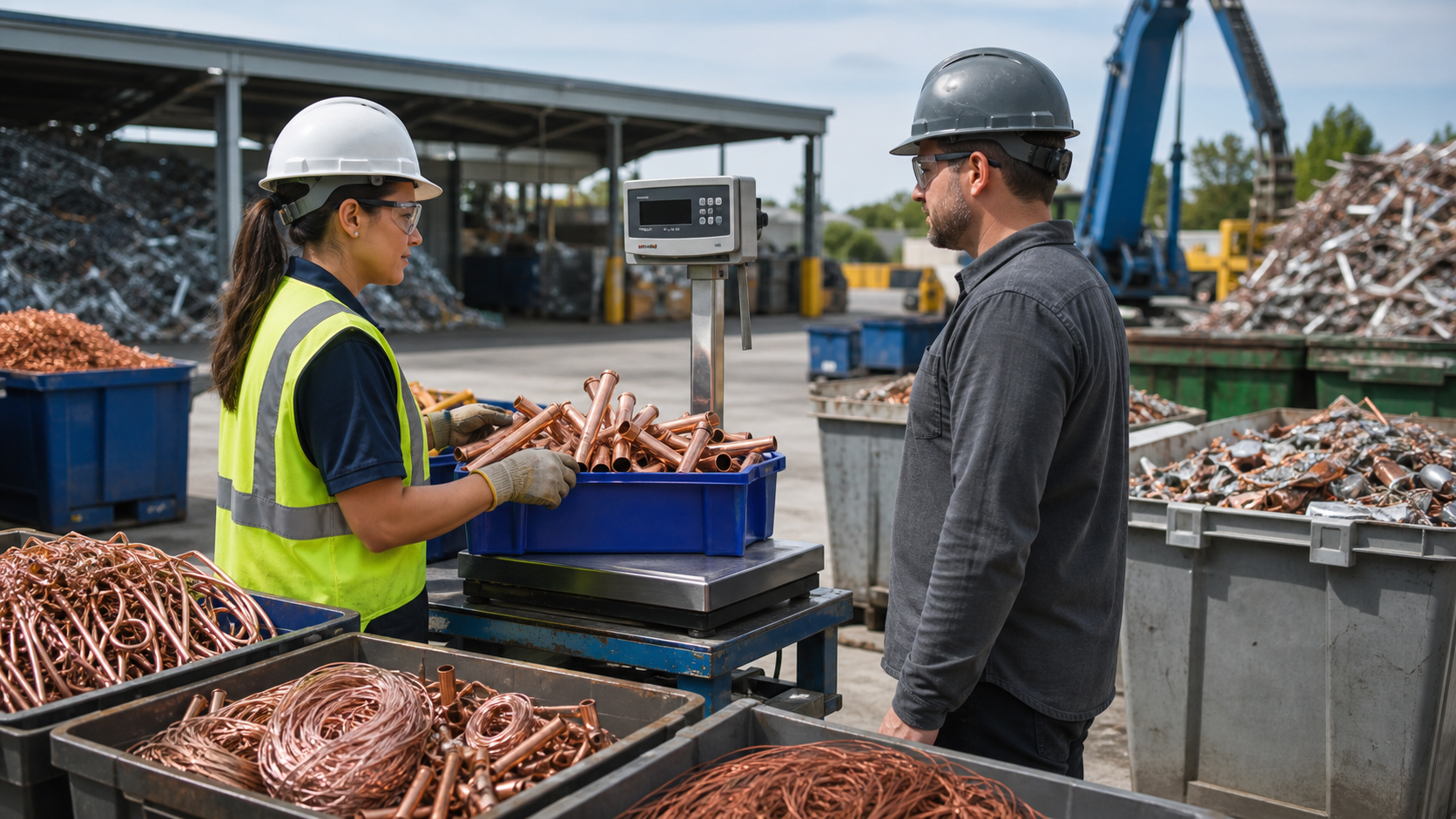
At a typical facility, staff inspect the material, classify it according to the company’s grading standards and weigh the accepted scrap.
The final payment is usually based on weight and the rate applied to that particular grade, subject to the buyer’s policies and applicable law.
Where Can You Sell Copper Scrap?
Depending on your location, legitimate buyers may include:
• Licensed scrap yards
• Metal recycling centres
• Nonferrous metal recyclers
• Commercial scrap processors
• Specialized electrical cable recyclers
• Industrial recycling companies
Some facilities primarily serve businesses and may not accept retail sellers.
Call before travelling when policies are unclear.
Why Local Copper Buyers Pay Different Prices
Copper buyers operate with different processing costs, downstream customers and purchasing requirements.
One yard may have efficient markets for electrical cable, while another specializes in clean industrial copper.
Competition and local transportation costs can also affect quoted rates.
Comparing Copper Scrap Buyers Near Me
When requesting a quote, describe the material accurately.
Do not simply ask, “What do you pay for copper?”
Ask what the buyer currently pays for the specific grade you believe you have and whether any minimum quantity, contamination or payment conditions apply.
7 Powerful Tips for Selling Copper Scrap
A little preparation can make scrap transactions easier and more transparent.
1. Identify Your Copper Grade
Copper scrap is not purchased at one universal price.
Clean, highly recoverable copper can have greater recycling value than material containing insulation, fittings or other contaminants.
Ask each buyer how it defines its grades.
2. Separate Different Materials
Do not mix high quality clean copper with brass, steel or heavily contaminated material.
Mixed loads may require additional sorting and can be valued according to lower grade material.
Keep clearly different categories separate before visiting the recycling facility.
3. Compare More Than One Local Buyer
Call several reputable recycling yards on the same day when the quantity justifies the effort.
Metal values can change, so comparing a quote from several weeks ago with today’s quote is not useful.
Make sure you are comparing the same grade.
4. Ask How the Material Will Be Weighed
Reputable recyclers should use suitable commercial weighing equipment in accordance with local measurement requirements.
Ask whether you can see the recorded weight and how deductions are handled.
Keep a transaction receipt.
5. Understand Payment Rules
Payment regulations differ by country, state and municipality.
Some jurisdictions restrict cash payments for scrap metal or require particular transaction records.
Ask the buyer what payment methods are available before arriving.
6. Bring Required Identification
Legitimate scrap dealers may need to verify seller identity under local laws or company policies.
Bring appropriate identification when required.
Commercial sellers may need additional business or ownership documentation.
7. Keep Proof of Legitimate Ownership
Copper theft is a serious issue because infrastructure, construction materials and electrical components can have significant scrap value.
Only sell material that you legally own or have authority to dispose of.
For unusual or high value material, invoices, work orders or business records may help establish provenance where required.
Copper Scrap Grades Explained
Terminology varies by market, so grade names should be confirmed with the individual recycler.
Bare Bright Copper
Bare bright generally refers to clean, uncoated and unalloyed copper wire meeting a buyer’s requirements.
It is usually valued highly because of its copper content and relatively low contamination.
Exact specifications can include wire size and surface condition.
Do not assume every stripped copper wire automatically qualifies.
Number 1 Copper
Number 1 copper generally refers to clean copper with limited contamination according to the buyer’s specifications.
Clean copper tubing and qualifying wire can potentially fall into this category.
Paint, solder or fittings may alter classification.
Number 2 Copper
Number 2 copper commonly includes copper with greater oxidation, coatings, solder or other allowable contamination.
Because more processing may be required, it is generally valued below cleaner grades.
Copper Scrap Buyers Near Me and Local Grade Definitions
Terms such as bare bright, number 1 and number 2 are widely used, but individual recycling yards can apply detailed acceptance specifications.
Ask the yard to explain why a load received a particular grade if the classification differs from what you expected.
A reputable buyer should be able to provide a clear explanation.
Copper Wire and Cable Recycling
Electrical cable can contain valuable copper while also containing insulation and other components.
Insulated Copper Wire
Insulated wire is normally valued according to recoverable copper content and processing requirements.
Different cable types can therefore receive substantially different rates.
Heavy cable with high copper recovery is not equivalent to thin communication wire.
Stripped Copper Wire
Removing insulation can change how material is classified, but stripping is not automatically worth the labor.
Before spending hours preparing cable, compare the value of selling it intact against the likely value after legitimate mechanical stripping.
Never Burn Wire Insulation
Burning insulation to recover copper can release dangerous pollutants and may violate environmental or waste laws.
It can also contaminate the copper and lead reputable buyers to reject the material.
Use lawful mechanical processing or sell insulated cable to a legitimate recycler.
Finding Copper Scrap Buyers Near Me for Electrical Cable
If you have a substantial quantity of cable, contact recyclers that specifically process electrical wire.
Ask whether they buy by cable category or determine a recovery based grade.
Commercial quantities may receive different quotations from small household loads.
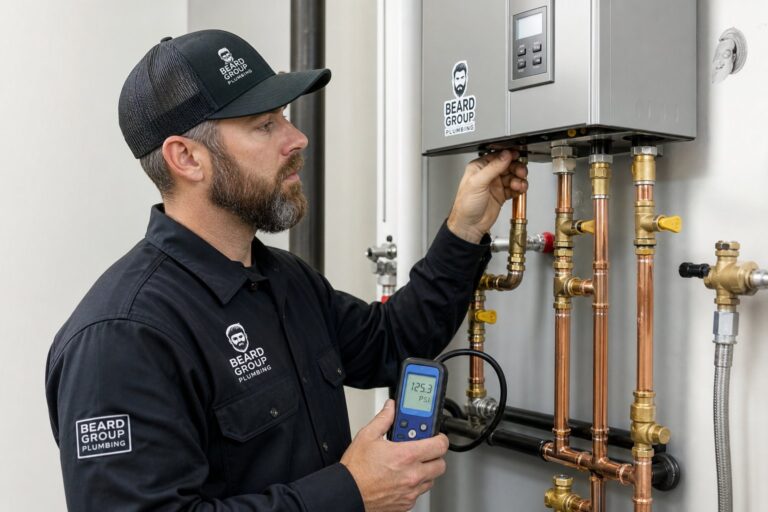
Copper Pipe and Plumbing Scrap
Old plumbing can be a useful source of recyclable copper when it is legally removed during renovation or repair.
Clean Copper Tube
Relatively clean tubing may qualify for a higher grade depending on buyer requirements.
Attachments can alter its classification.
Copper With Solder
Soldered joints introduce another material.
A recycler may therefore classify soldered pipe differently from clean tubing.
Brass Fittings
Brass and copper are different scrap categories.
Where fittings can be safely separated without excessive effort, keeping the materials sorted may make the transaction easier.
Preparing Plumbing Copper for Sale
Remove obvious noncopper materials where doing so is safe, lawful and economically worthwhile.
Do not use hazardous methods to purify scrap.
If the preparation effort exceeds the likely difference in value, selling the material in its existing legitimate grade may be more sensible.
Understanding Copper Scrap Prices
Copper scrap prices change according to commodity markets and local recycling economics.
Commodity Copper Versus Scrap Copper
A quoted exchange price for refined copper is not the price a scrap yard will necessarily pay for used copper material.
Scrap needs to be collected, sorted, processed, transported and sold.
Its grade and recoverable metal content also influence value.
Daily Market Movement
Commodity prices can change throughout the trading day.
Local scrap yards may adjust rates periodically according to their own purchasing models.
Online prices should therefore be treated as reference information rather than guaranteed offers.
Quantity
Commercial sellers with large, consistent quantities may be quoted differently from someone selling a small household load.
Volume alone does not guarantee a better rate.
Material quality and buyer requirements still matter.
How Copper Scrap Buyers Near Me Calculate Payouts
A simplified calculation is:
accepted weight multiplied by the buyer’s applicable rate for that grade.
Real transactions can include grading adjustments, contamination or other legitimate deductions.
Request a receipt showing enough information to understand the transaction.
How to Find Reputable Copper Scrap Buyers Near Me
Local search is useful, but it should be followed by verification.
Search for Established Recycling Facilities
Look for businesses with a traceable physical location and clear contact information.
Check whether local law requires scrap metal dealers to hold licenses or registrations.
Official government databases should be used for verification where available.
Read Recent Customer Reviews
Reviews can identify recurring concerns about customer service, grading or waiting times.
One complaint does not prove dishonest conduct.
Patterns across recent independent reviews are more useful.
Call Before Visiting
Ask:
• Do you buy my type of copper?
• What grade would it likely fall under?
• What is today’s indicative rate?
• Do you have a minimum weight?
• Which identification is required?
• How do you pay sellers?
• What are your opening hours?
A short call can prevent an unnecessary journey.
Recycling Yard Weighing and Scales
Accurate weight is central to a fair scrap transaction.
Small Scales
Smaller quantities may be weighed on platform or bench scales designed for commercial use.
Vehicle Scales
Large commercial loads may be weighed using a truck or vehicle scale.
The vehicle can be weighed before and after unloading to determine the material weight.
Weights and Measures Regulations
Commercial weighing equipment can be subject to legal metrology or weights and measures requirements.
Rules differ by jurisdiction.
Checking Your Weight Before Visiting Copper Buyers
You can estimate weight using an appropriate scale when practical.
Your measurement may not exactly match the recycler’s certified commercial measurement.
Use it as a reasonableness check rather than automatically assuming small differences indicate wrongdoing.
Copper Scrap Selling Laws and Identification
Scrap regulation is designed partly to combat metal theft and improve transaction traceability.
Seller Identification
Dealers may be required to record identity information.
Exact requirements differ by location.
Payment Restrictions
Some jurisdictions restrict cash purchases or require traceable payment methods.
For example, the UK Scrap Metal Dealers Act 2013 prohibits licensed scrap metal dealers in England and Wales from paying for scrap metal in cash.
Other regions have their own requirements.
Transaction Records
Dealers may have legal recordkeeping obligations.
Businesses selling commercial material should maintain their own appropriate records as well.
Legal Copper Scrap Buyers Near Me
Choose buyers that follow applicable identification, licensing and payment rules.
A dealer offering to bypass mandatory transaction requirements is not providing a useful convenience.
It may expose both parties to unnecessary legal risk.
Selling Copper From Construction Projects
Construction and electrical projects can generate significant recyclable material.
Confirm Ownership
Construction scrap does not automatically belong to whichever worker removes it.
Employment agreements, customer contracts or site policies may determine ownership.
Obtain authorization before taking material from a job site.
Keep Materials Segregated
Separate copper, brass, aluminium and other recyclable metals.
Good sorting can simplify inventory and recycling.
Commercial Recycling Accounts
Businesses producing scrap regularly may establish accounts with recyclers.
This can streamline documentation, collection and reporting.
Copper Scrap Buyers Near Me for Contractors
Contractors should compare commercial services as well as per weight prices.
Container provision, pickup, reporting, payment schedules and reliability can materially affect total value.
For recurring volumes, operational convenience may matter as much as a small difference in spot price.
Pickup Services for Copper Scrap
Some buyers collect larger quantities.
Minimum Collection Volumes
Pickup may require a minimum quantity or value.
Ask before assuming free collection is available.
Commercial Containers
Industrial recyclers may provide bins or containers to businesses generating ongoing scrap.
The parties should agree on which materials can be placed inside.
Collection Pricing
Transportation costs can affect the rate paid.
Compare the net value after collection charges or pricing adjustments.
How to Sort Copper Scrap Safely
Sorting should improve clarity without creating unnecessary hazards.
Use Appropriate Gloves
Scrap pipe and sheet metal can have sharp edges.
Wear suitable work gloves and other protective equipment where appropriate.
Avoid Unknown Materials
Old building components can contain hazardous substances.
Do not grind, burn or mechanically process unfamiliar coatings merely to increase scrap value.
Keep Electrical Material Deenergized
Never remove copper from electrical infrastructure unless it has been legally taken out of service and you are competent and authorized to perform the work.
Live electrical equipment can cause fatal injury.
Safety Before Visiting Copper Scrap Buyers Near Me
Transport material securely so pipes, wires and sharp objects cannot move dangerously inside the vehicle.
Do not overload the vehicle.
Commercial sellers should also follow applicable workplace and transportation safety requirements.
Should You Strip Copper Wire Before Selling?
The answer depends on economics, equipment and safety.
Compare Both Rates
Ask the buyer for the likely price of the insulated material and qualifying stripped copper.
Calculate the difference based on recoverable copper weight rather than total insulated cable weight.
Account for Your Time
Stripping small gauge cable manually can take substantial time.
A higher price per unit weight does not automatically make the process profitable.
Use Safe Equipment
Only use tools intended for legitimate wire processing.
Avoid burning insulation or using uncontrolled chemical processes.
Common Mistakes When Selling Copper Scrap
Several mistakes can lower value or create unnecessary problems.
Mixing Copper Grades
Combining clean copper with lower grade material can complicate classification.
Separate clearly different categories where practical.
Comparing Different Grade Quotes
One yard’s number 2 price should not be compared with another yard’s bare bright price.
Ask equivalent questions.
Assuming Online Prices Are Guaranteed
Commodity websites typically do not represent an offer from the local recycling yard.
Call for an actual local quotation.
Ignoring Identification Requirements
Arriving without mandatory documents can prevent the transaction.
Check requirements before leaving home.
Avoiding Misleading Copper Scrap Buyers Near Me Claims
Be cautious of businesses advertising extraordinary rates without stating grade requirements or conditions.
Ask for the applicable rate for your specific material.
Transparency matters more than the largest number on an advertisement.
Environmental Benefits of Copper Recycling
Copper can be recovered and used again in manufacturing.
Material Recovery
Recycling keeps useful metal in productive circulation.
Recovered copper can become feedstock for future products after appropriate processing.
Reduced Waste
Diverting usable copper from disposal reduces the volume of recyclable material entering waste streams.
Resource Efficiency
Recycling metals can avoid some resource demands associated with primary extraction.
The precise environmental benefit depends on collection, processing, transportation and the comparison being made.
Why Legitimate Copper Scrap Buyers Matter
Established recycling channels improve traceability and facilitate lawful material recovery.
They also reduce incentives for informal processing methods such as burning insulated wire.
Responsible recycling combines material value with appropriate environmental and legal practices.
When a Scrap Buyer May Refuse Copper
Reputable recyclers do not necessarily purchase every load offered.
Unclear Ownership
A dealer may reject suspicious material or request additional ownership documentation.
Prohibited Items
Certain infrastructure or regulated items can have special purchasing restrictions.
Rules depend on jurisdiction.
Contaminated Material
Hazardous contamination can make scrap unacceptable.
Contact the facility in advance when material contains unusual residues or coatings.
Unsafe Loads
Poorly secured or hazardous loads may create site safety concerns.
Follow facility instructions.
Getting the Best Legitimate Price for Copper Scrap
Maximizing value does not require complicated tricks.
Start by identifying what you actually have.
Separate clean copper from mixed metals and contaminants when safe and worthwhile. Obtain same day quotations from multiple legitimate buyers using consistent grade descriptions.
Then compare net value, not just advertised rates.
Consider travel distance, minimum quantities and payment conditions.
For large commercial volumes, ask about negotiated rates and pickup services.
Keep transaction records so you can compare buyers over time based on actual results rather than promotional claims.
Frequently Asked Questions
How do I find copper scrap buyers near me?
Search for established metal recycling facilities, verify required local licensing, check recent reviews and call to confirm they purchase your specific copper grade.
How much is copper scrap worth today?
Scrap prices change with copper markets, grade, location and buyer demand. Contact local recycling yards for current quotes rather than relying on old online prices.
What type of copper scrap pays the most?
Clean, high copper content grades such as material meeting a buyer’s bare bright specification generally receive higher rates than contaminated or insulated material.
Do copper scrap buyers require identification?
Many jurisdictions require scrap dealers to verify seller identity or maintain transaction records. Check the requirements applying to your location before visiting.
Should I strip copper wire before selling it?
Only when the additional scrap value reasonably exceeds your time and processing costs. Ask for both insulated and stripped rates before deciding.
Can copper scrap buyers collect material from my property?
Some recyclers offer pickup for qualifying quantities, particularly for commercial sellers. Minimum volumes, collection fees and rates vary by buyer.
Conclusion
Finding reputable copper scrap buyers near me involves comparing more than the highest advertised rate. Identify and separate legally owned copper, confirm local grade definitions, obtain current quotes and understand how each recycler weighs and pays for material. Follow identification, ownership and payment requirements, and avoid hazardous processing methods such as burning wire insulation. By combining sensible preparation with licensed or otherwise legitimate recycling channels, sellers can obtain a more transparent price while keeping valuable copper within the recycling economy.