Feather Crochet Hair Styles for Soft Volume and Effortless Beauty
feather crochet hair has become a popular choice for people who want a lightweight protective hairstyle with soft texture, natural movement, and plenty of styling flexibility. The look combines the convenience of crochet installation with feathered layers that create volume without making the hairstyle appear heavy. Depending on the type of extensions selected, the finished style can look curly, wavy, straight, fluffy, or softly layered around the face.
One of the biggest reasons people choose this style is versatility. It can work for everyday wear, work settings, holidays, events, and casual styling. It also gives the natural hair a break from frequent heat styling and daily manipulation when installed and maintained correctly.
The quality of the final result depends on several factors, including the crochet hair used, braid pattern, installation method, density, length, layering, and maintenance routine.
Understanding these details can help you choose a style that looks attractive while remaining comfortable and manageable.
What Is Feather Crochet Hair?
Feather crochet hair is a crochet hairstyle designed to create soft, layered movement that resembles feathered hair.
The natural hair is usually braided into cornrows before hair extensions are attached using a crochet needle or similar tool. The extension hair is looped through the braids and secured.
The word feather often describes the finished texture and layering rather than a single specific type of extension.
Depending on the desired look, feather crochet hair may include:
• Soft curls
• Loose waves
• Layered straight hair
• Fluffy textured strands
• Tapered ends
• Face framing pieces
• Voluminous lightweight curls
The final appearance can range from subtle and natural to dramatic and glamorous.
Why Feather Crochet Hair Looks Different From Traditional Crochet Styles
Traditional crochet hairstyles may use uniform curls, twists, braids, or locs.
Feather crochet hair often focuses more heavily on movement and layering.
The ends may appear lighter, the front may be shaped around the face, and the overall density may be carefully controlled to avoid a bulky appearance.
A well installed feathered style should usually look balanced rather than excessively full.
Why Feather Crochet Hair Is Popular
There are several reasons this hairstyle appeals to people looking for a stylish protective option.
Lightweight Appearance
Feathered styles can create volume without necessarily requiring excessive amounts of extension hair.
This can make the hairstyle look softer and more natural.
However, actual weight depends on the type and quantity of hair installed.
Styling Versatility
Feather crochet hair can be shaped into many different looks.
Possible styles include:
• Side parts
• Middle parts
• Half up styles
• Loose ponytails
• Layered curls
• Shoulder length cuts
• Long flowing styles
• Short feathered bobs
• Face framing layers
The flexibility makes the hairstyle suitable for different face shapes and personal preferences.
Reduced Daily Styling
Once installed, crochet styles may require less daily manipulation than hairstyles that need regular heat styling or extensive detangling.
This can be convenient for people with busy schedules.
Protective Styling Benefits
Crochet hairstyles can reduce direct manipulation of natural hair.
The hair remains braided underneath while the extensions create the visible style.
Protective styling does not mean that the natural hair can be ignored.
The scalp, hairline, and underlying braids still require proper care.
7 Stunning Feather Crochet Hair Style Ideas
The right style depends on length, texture, face shape, lifestyle, and personal taste.
1. Long Feather Crochet Hair With Soft Layers
Long feathered crochet hair creates an elegant flowing appearance.
Layers help prevent the style from looking too heavy and can give the hair natural movement.
This style can work well with soft waves, loose curls, or straight textured extensions.
Long styles are especially suitable for people who prefer dramatic volume.
However, more length usually means more maintenance.
The ends may require regular separation and gentle detangling to prevent excessive tangling.
2. Shoulder Length Feather Crochet Hair
Shoulder length hair offers a balance between volume and manageability.
It provides enough length for movement while remaining easier to maintain than very long styles.
This length works well for:
• Office wear
• Everyday styling
• Travel
• Warm weather
• Casual occasions
• Formal events
A stylist can add layers around the face to create a softer appearance.
3. Curly Feather Crochet Hair
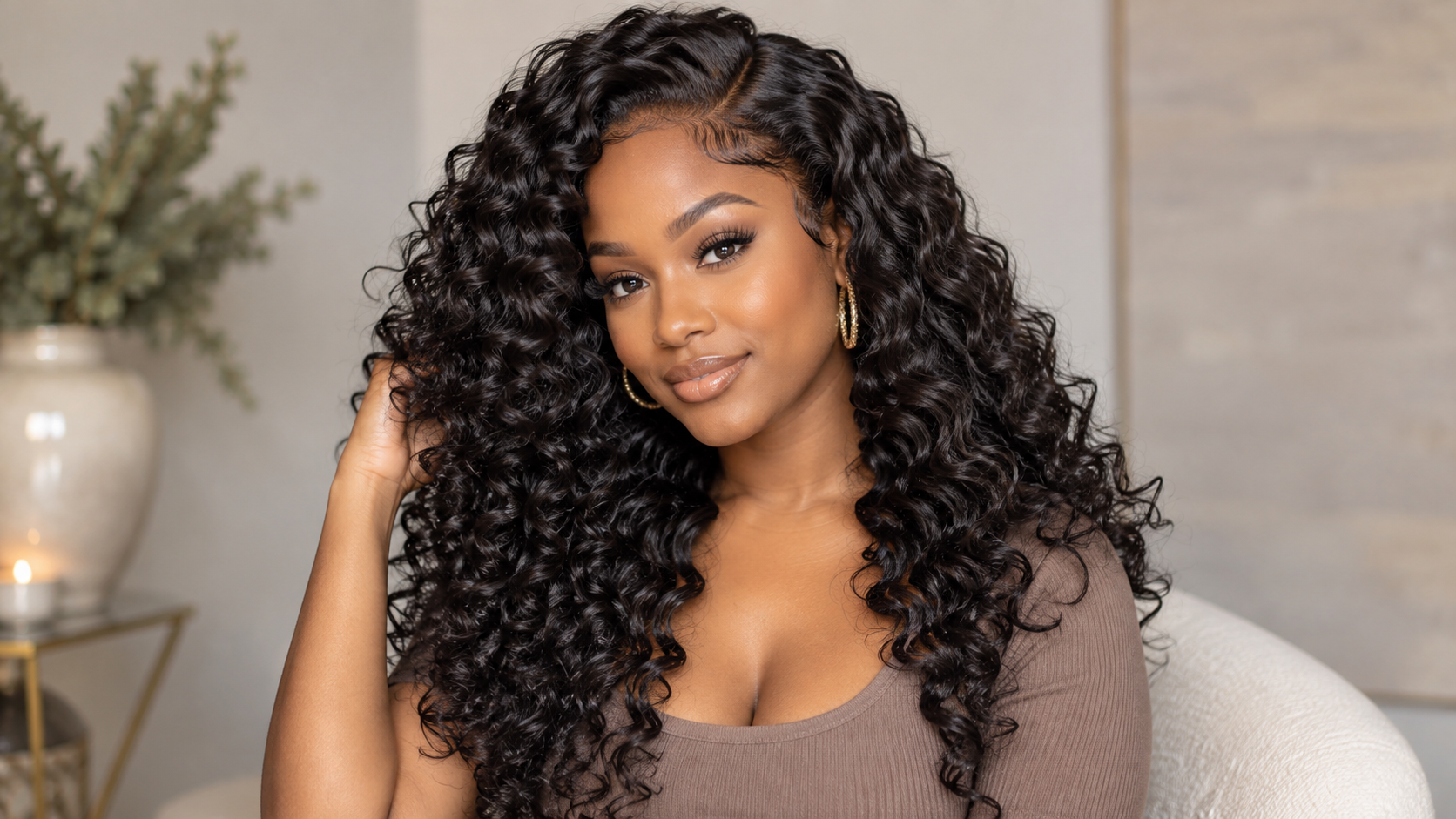
Curly feather crochet hair creates a full and textured look.
The curls can range from loose and soft to tight and defined.
When choosing curly extensions, consider how much the hair expands after installation.
Some textures become significantly fuller once separated.
Using too much hair can make the style difficult to manage.
A controlled installation can create volume while keeping the hair lightweight.
Feather Crochet Hair With Defined Curls
Defined curls can create a polished finish.
To maintain curl definition, avoid excessive brushing.
Finger separation is often more suitable for many synthetic curly textures.
Always follow the care instructions for the specific extension hair being used.
4. Wavy Feather Crochet Hair
Wavy textures provide a relaxed appearance.
They can create movement without the density of very curly extensions.
Loose waves can work particularly well with feathered layering because the layers become visible as the hair moves.
This style may suit people who want a softer everyday look.
5. Short Feather Crochet Hair
Short styles can look stylish while being easier to manage.
A cropped feathered crochet hairstyle may include:
• Short layers
• Curved ends
• Side swept sections
• Soft volume around the crown
• Tapered areas around the neck
Shorter hair can also reduce the amount of extension hair needed.
This may create a lighter finished style.
6. Feather Crochet Hair Bob
A crochet bob combines classic shape with feathered texture.
The hair may sit around the jaw, neck, or shoulder area.
Layering helps soften the outline of the bob.
A feathered bob can be styled with either a middle or side part.
The look works particularly well when the extensions have light movement instead of a very stiff texture.
7. Feather Crochet Hair With Face Framing Layers
Face framing layers can make the hairstyle feel more customised.
Shorter sections can be shaped around the cheeks, jawline, or shoulders.
The exact placement should depend on the desired look.
A stylist may use different lengths of hair or carefully trim the finished style after installation.
Proper shaping is important because cutting synthetic extension hair incorrectly can create blunt or uneven ends.
How Feather Crochet Hair Is Installed
Installation usually starts with preparation of the natural hair.
Preparing the Natural Hair
The hair should generally be clean and properly detangled before braiding.
Some people choose to condition their hair before installation.
The goal is to avoid trapping excessive buildup under the crochet style.
Hair should also be properly dried before it remains braided for an extended period.
Creating the Braid Pattern
The braid pattern influences how the finished hairstyle sits.
Common patterns include straight back cornrows or patterns designed to support a specific parting area.
The braids should be secure but not excessively tight.
Braids that pull heavily around the hairline can cause discomfort and unnecessary tension.
Installing the Crochet Extensions
The stylist inserts a crochet tool beneath the braid.
A section of extension hair is then pulled through and secured.
This process is repeated throughout the head.
The amount of hair added should be carefully controlled.
Too little may expose the braid pattern, while too much can create excessive volume and weight.
Shaping the Feather Crochet Hair
After installation, the hairstyle may be shaped using trimming and layering.
This stage helps create the feathered effect.
The stylist may reduce bulk, add face framing layers, or shape the overall silhouette.
The finished style should have movement rather than appearing stiff or overly dense.
How Long Does Feather Crochet Hair Last?
There is no exact lifespan that applies to every crochet hairstyle.
Wear time depends on several factors.
These include:
• Extension hair quality
• Installation method
• Natural hair condition
• Scalp care
• Sleeping routine
• Styling habits
• Exercise
• Climate
• Product buildup
• Hair texture
Some people keep crochet styles for several weeks, while others prefer shorter wear periods.
A style should not be kept simply because it still looks acceptable externally.
The condition of the scalp and natural hair underneath should also be considered.
If there is persistent discomfort, excessive buildup, matting, or other concerns, removal may be appropriate.
How to Maintain Feather Crochet Hair
Maintenance plays a major role in how the style looks over time.
Protect the Hair at Night
Night protection can reduce friction.
Many people use a satin or silk bonnet, scarf, or pillowcase.
For long styles, loosely gathering the hair before covering it can help reduce tangling.
Avoid tightly tying the style every night because excessive tension may affect the hairline.
Separate Tangled Sections Gently
Feathered crochet hair can develop tangles, particularly at the ends and back of the neck.
Use your fingers to separate tangled sections carefully.
Do not pull aggressively.
If necessary, trim badly tangled synthetic ends rather than repeatedly pulling through knots.
Avoid Excessive Product
Heavy oils, gels, sprays, and creams can build up on extension hair.
Many synthetic crochet styles do not require the same products used on natural hair.
Use only products that are appropriate for the extension type.
Keep the Scalp Clean
The scalp should still receive attention while the hair is installed.
Cleaning methods vary depending on the hairstyle and scalp needs.
The goal is to reduce buildup without disturbing the braid pattern or leaving the natural hair excessively wet for long periods.
If washing the scalp, allow the underlying hair to dry thoroughly.
Caring for Natural Hair Under Feather Crochet Hair
Protective styling works best when the natural hair remains healthy underneath.
Avoid Excessive Braid Tension
Cornrows should not cause severe pulling, bumps, headaches, or ongoing pain.
Discomfort is not necessary for a secure installation.
Special attention should be given to the hairline because these strands can be more delicate.
Monitor the Scalp
Pay attention to unusual irritation.
Persistent itching, pain, sores, or inflammation should not simply be covered by adding more products.
If the scalp becomes uncomfortable, the cause should be addressed.
Do Not Ignore Moisture Needs
Natural hair can become dry while braided.
Some people use a light moisturising routine while wearing protective styles.
The best approach depends on the hair type, products used, and length of wear.
Avoid creating heavy buildup.
Choosing the Right Feather Crochet Hair Extensions
Extension selection can affect both appearance and maintenance.
Synthetic Hair
Synthetic crochet hair is widely available and comes in many textures.
Possible advantages include:
• Variety of curl patterns
• Many lengths
• Broad colour selection
• Consistent texture
• Often lower cost than human hair
Some synthetic textures may tangle more easily than others.
Care instructions should be checked before using heat.
Not all synthetic hair is heat safe.
Human Hair
Human hair crochet extensions may provide more styling flexibility.
Depending on the hair quality, they may be washed and styled differently from synthetic extensions.
However, human hair still requires maintenance.
Quality can vary greatly between suppliers.
The label alone does not guarantee that two products will perform the same way.
Texture Selection
Choose a texture that matches the final look you want.
For a soft feathered appearance, consider hair with natural movement rather than extremely stiff strands.
Popular options may include:
• Loose wave
• Deep wave
• Soft curl
• Straight layered texture
• Kinky curly texture
• Natural wave
The final choice should reflect your preferred level of volume and maintenance.
How Much Feather Crochet Hair Do You Need?
There is no universal number of packs.
The amount depends on:
• Extension length
• Hair density
• Pack size
• Braid spacing
• Desired fullness
• Head size
• Installation method
• Extension texture
Curly hair may create more volume with fewer strands, while some straight styles require more careful placement.
It is usually better to plan the desired density before installation rather than adding hair until every visible space is filled.
Excessive density can create unnecessary weight.
Feather Crochet Hair for Different Face Shapes
There are no strict rules about which hairstyles someone can wear.
However, layering can be adjusted to create different visual effects.
Round Faces
Longer layers and volume below the cheeks can create an elongated appearance.
A side part may also change the visual balance.
Oval Faces
Oval face shapes can usually accommodate many lengths and parting styles.
Short bobs, curls, and long layers can all work well.
Square Faces
Soft curls and feathered layers around the jaw can create a gentler silhouette.
Heart Shaped Faces
Volume around the lower sections of the hair can help balance a wider forehead and narrower chin.
Personal preference should remain the main deciding factor.
Can Feather Crochet Hair Be Used as a Protective Style?
Yes, crochet hairstyles can function as protective styles because much of the natural hair remains braided.
However, protection depends on the way the style is installed and maintained.
A hairstyle is less protective if:
• Braids are excessively tight
• The extensions are too heavy
• The scalp is neglected
• The hair remains wet underneath
• The style is worn too long
• The hairline experiences repeated tension
A successful protective hairstyle should reduce unnecessary manipulation while maintaining scalp and hair health.
Feather Crochet Hair Mistakes to Avoid
Several common mistakes can affect the appearance and comfort of the style.
Installing Too Much Hair
More hair does not always produce a better result.
Excessive hair can create bulk and make maintenance difficult.
Feathered styles usually look best when there is enough movement between layers.
Ignoring the Braid Pattern
The braid pattern determines where the extensions sit.
A poor pattern can make parting difficult or create uneven volume.
The pattern should be planned according to the finished hairstyle.
Cutting Without a Plan
Random trimming can damage the shape.
Feathering should create gradual transitions between lengths.
If you are unsure how to layer the extensions, professional styling may produce a more consistent result.
Using Too Much Heat
Heat should only be used when the extension manufacturer states that the hair can safely tolerate it.
Excessive heat may melt or permanently damage some synthetic fibres.
Neglecting the Hairline
The edges should not carry unnecessary tension.
Avoid attaching large or heavy sections close to fragile areas.
How to Make Feather Crochet Hair Look More Natural
Natural looking crochet hair usually comes from careful installation rather than simply buying expensive extensions.
Control Density Around the Front
The hairline should not appear excessively crowded.
Using smaller sections around the front may create a softer look.
Blend the Layers
Feathered layers should flow into one another.
Abrupt differences in length can make the style appear uneven.
Choose a Realistic Texture
The best texture depends on the desired result.
If you want a softer everyday appearance, select hair with natural movement.
Create a Suitable Part
Middle parts and side parts can both look natural when the braid pattern supports them.
Some installations also use invisible or knotless looking methods around the parting area.
Feather Crochet Hair Styling Should Match the Installation
The installation should be planned around the styles you expect to wear most often.
If you want frequent ponytails or half up looks, discuss this before the braiding begins.
Not every crochet pattern provides the same styling flexibility.
Is Feather Crochet Hair Suitable for Everyday Wear?
Feather crochet hair can work well as an everyday hairstyle when it is comfortable and maintained properly.
Its versatility makes it suitable for many settings, including:
• Work
• University
• Travel
• Social events
• Holidays
• Daily errands
• Special occasions
The most practical style usually depends on lifestyle.
Someone who exercises frequently may prefer shorter, lighter hair.
Someone who wants a glamorous look may choose longer feathered curls.
Removing Feather Crochet Hair Safely
Removal deserves as much care as installation.
Do not cut extension hair close to the natural braids unless you can clearly distinguish the extensions from your own hair.
After removing the crochet hair, gently unravel the cornrows.
Natural shedding is normal because hairs that would usually shed daily may remain trapped inside the braids.
Detangle slowly before washing.
Applying conditioner or another suitable detangling product may make the process easier.
Avoid aggressively combing through knots.
After removal, assess the condition of the scalp and natural hair before immediately installing another protective style.
Some people prefer to allow the hair time without extensions before the next installation.
Frequently Asked Questions
What is feather crochet hair?
Feather crochet hair is a crochet hairstyle that uses layered extensions to create soft volume, movement, and a feathered appearance around the face and throughout the hair.
Is feather crochet hair a protective hairstyle?
It can be protective when installed without excessive tension and maintained properly because the natural hair remains braided underneath the extensions.
How long can feather crochet hair last?
Wear time varies according to installation, extension quality, scalp care, maintenance, lifestyle, and hair condition. The style should be removed if it becomes uncomfortable or difficult to maintain.
Can feather crochet hair be washed?
Many crochet hairstyles can be cleaned carefully, but the correct method depends on the extension material. Always ensure the natural hair underneath dries thoroughly.
Is feather crochet hair heavy?
It does not have to be heavy. Weight depends on extension type, length, and the amount installed. Controlled density can create a lightweight feathered appearance.
Can I style feather crochet hair with heat?
Only use heat when the specific extension hair is labelled as heat safe. Some synthetic fibres can be permanently damaged by high temperatures.
Conclusion
Feather crochet hair offers a versatile way to achieve soft layers, attractive volume, and a protective hairstyle with less daily manipulation. The best results come from choosing the right extensions, using a comfortable braid pattern, controlling density, and maintaining both the extensions and natural hair carefully. With thoughtful installation and proper upkeep, feather crochet hair can provide an elegant look that works for everyday wear as well as special occasions.