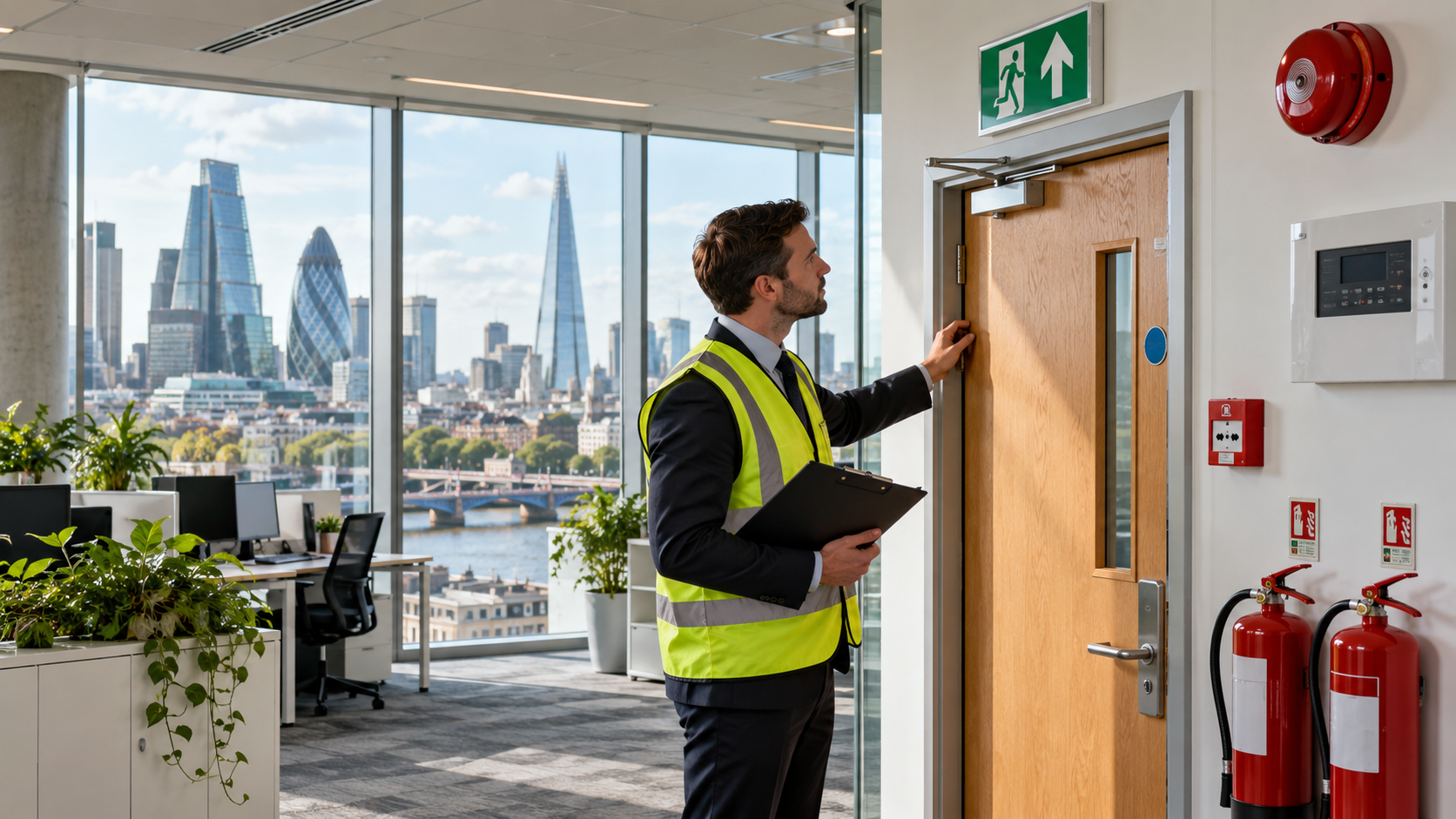
Fire Risk Assessment London Guide for Safer and Compliant Premises
A professional fire risk assessment london service helps employers, landlords, building managers, business owners, and other responsible persons identify fire hazards and determine what measures are needed to protect people using their premises. In London, where properties range from modern offices and retail units to historic buildings, restaurants, warehouses, hotels, and multi occupied residential developments, fire safety cannot be approached with a single standard checklist. A suitable assessment should consider the individual building, its use, the people inside it, available escape routes, fire detection systems, emergency procedures, and any circumstances that could increase the likelihood or consequences of a fire.
A fire risk assessment is not simply paperwork completed to satisfy an administrative requirement. It forms the foundation of an effective fire safety management system.
Understanding what an assessment covers, who is responsible, when it should be reviewed, and how recommendations should be managed can help organisations make better decisions and create safer premises.
What Is a Fire Risk Assessment London Property Owners Need?
A fire risk assessment is a structured examination of a premises from a fire safety perspective.
Its purpose is to identify potential fire hazards, identify people who could be at risk, evaluate existing precautions, and determine whether further measures are necessary.
The UK Government sets out five broad stages:
- Identify fire hazards
- Identify people at risk
- Evaluate, remove, or reduce risks
- Record findings, prepare an emergency plan, and provide training
- Review and update the assessment regularly
Responsible persons must keep a written record of the fire risk assessment.
A competent assessment should therefore produce more than a list of faults.
It should explain how fire could start, how it could spread, who might be affected, how people would escape, what existing controls are in place, and what improvements should be prioritised.
Why Fire Risk Assessment London Compliance Matters
Fire safety duties in England are primarily governed by the Regulatory Reform Fire Safety Order 2005, as amended.
The legislation generally applies to workplaces and other non domestic premises. Fire safety responsibilities can also apply to relevant areas of multi occupied residential buildings.
The London Fire Brigade explains that employers, owners, occupiers, landlords, managing agents, building managers, and others who control premises may have responsibilities under fire safety law.
The person with legal duties is commonly referred to as the Responsible Person.
Who Is the Responsible Person?
Depending on the premises, the Responsible Person may include:
• An employer
• A building owner
• A landlord
• An occupier
• A facilities manager
• A managing agent
• Another person with control over the premises
More than one Responsible Person can exist in the same building.
Where responsibilities overlap, those people must cooperate and coordinate their fire safety arrangements.
This is particularly relevant in London because many buildings contain several businesses, tenants, landlords, managing agents, contractors, or residential occupiers sharing parts of the same property.
Fire Risk Assessment Records Must Be Maintained
Fire safety law changed significantly on 1 October 2023.
Current government guidance states that Responsible Persons must record the fire risk assessment in full, including its findings, rather than relying on the previous rules that required written recording only in certain circumstances.
Fire safety arrangements must also be recorded.
Where another person is appointed to undertake or review the assessment, their identity and organisation details should also be recorded where applicable.
Maintaining clear documentation creates an important record of how fire risks have been identified and managed.
What Does a Fire Risk Assessment London Inspection Cover?
Every premises is different, so the scope of an assessment should reflect the building and the activities taking place inside it.
A professional assessor may examine dozens of individual factors.
Fire Hazards and Sources of Ignition
The first step is identifying circumstances that could start a fire.
Potential ignition sources can include:
• Electrical equipment
• Cooking appliances
• Heating equipment
• Hot work
• Machinery
• Smoking materials
• Naked flames
• Faulty electrical installations
• Portable equipment
• Charging equipment and batteries
The assessor should consider whether these sources are appropriately controlled and separated from combustible materials where necessary.
Combustible Materials and Fuel Sources
Fire requires fuel.
Common combustible materials may include:
• Paper and cardboard
• Furniture
• Packaging
• Textiles
• Waste
• Flammable liquids
• Cleaning products
• Stored goods
• Decorations
• Certain construction materials
Good housekeeping can play an important role in reducing unnecessary fire loading and keeping escape routes clear.
People Who May Be at Risk
A fire risk assessment should consider everyone who could reasonably be affected.
This may include:
• Employees
• Visitors
• Customers
• Contractors
• Residents
• Members of the public
• Night workers
• Lone workers
• People unfamiliar with the premises
Particular attention should be given to people who may require additional assistance during an evacuation.
Fire Risk Assessment London Planning for Vulnerable Occupants
Some people may need additional consideration because of mobility, sensory, cognitive, medical, age related, or other circumstances affecting their ability to respond to an emergency.
Official guidance specifically requires consideration of vulnerable people, including older people, young children, and people with disabilities.
An assessment should therefore consider whether existing procedures are realistic for the actual occupants of the building.
7 Essential Fire Risk Assessment London Safety Steps
A structured approach helps ensure that major fire safety issues are not overlooked.
1. Identify Potential Fire Hazards
The assessor should establish how a fire could start and what materials could contribute to its development.
This includes reviewing work activities, electrical equipment, heating systems, storage arrangements, cooking facilities, hazardous substances, and other ignition sources.
The objective is not merely to create a list but to determine whether risks can be removed or reduced.
For example, unnecessary combustible storage may be removed rather than simply documented.
2. Identify Everyone at Risk
The assessment should consider the number and type of people using the premises.
Factors may include:
• Occupancy levels
• Working hours
• Visitors unfamiliar with the building
• People working alone
• Sleeping occupants
• People requiring assistance
• Contractors working temporarily
• People in neighbouring areas who could be affected
A busy restaurant, office, warehouse, care setting, and residential block all have different occupant profiles.
3. Evaluate Escape Routes
People must be able to move from areas of risk to a place of relative or ultimate safety.
An assessor may consider:
• Number of exits
• Travel distances
• Exit widths
• Door operation
• Corridor conditions
• Stairways
• Obstructions
• Final exits
• Emergency signage
• Emergency lighting
• Fire resisting construction
Escape arrangements should reflect the occupancy and design of the building rather than relying on assumptions.
4. Examine Fire Detection and Warning Systems
People need adequate warning if a fire occurs.
The appropriate detection and alarm arrangement depends on the premises.
An assessor may review:
• Manual call points
• Automatic detectors
• Alarm sounders
• Alarm coverage
• Control panels
• Testing records
• Maintenance arrangements
• Alarm visibility or alternative warning methods where needed
The system should be appropriate to the risk and people present.
5. Review Fire Doors and Compartmentation
Fire resisting construction helps limit the spread of fire and smoke.
Fire doors, walls, ceilings, floors, and protected routes can form part of this strategy.
Assessors may look for:
• Damaged fire doors
• Missing or defective self closing devices
• Excessive gaps
• Damaged seals
• Doors being wedged open
• Unprotected openings
• Service penetrations
• Alterations affecting compartmentation
A door labelled as a fire door should not automatically be assumed to be effective. Its condition and installation matter.
6. Review Emergency Procedures and Training
Fire safety measures are less effective when occupants do not know what to do.
Businesses should have emergency procedures appropriate to their premises.
These may cover:
• Raising the alarm
• Calling emergency services
• Evacuating the building
• Assisting people who need support
• Assembly points
• Staff responsibilities
• Fire marshal arrangements
• Procedures for contractors and visitors
• Actions following an evacuation
Training should reflect employees’ roles and the risks present.
7. Record Actions and Review Progress
A useful assessment clearly separates existing controls from improvements that still need to be completed.
Recommendations should normally be prioritised according to risk.
A practical action plan can record:
• The issue identified
• Recommended action
• Priority
• Person responsible
• Target completion date
• Completion status
Completing the assessment without implementing necessary actions does not provide effective fire risk management.
Fire Risk Assessment London Requirements for Different Properties
London contains an unusually diverse range of property types.
Each can present different risks.
Offices
Office fire risk assessments commonly consider electrical equipment, kitchens, storage rooms, server areas, escape routes, fire doors, alarms, emergency lighting, and employee evacuation procedures.
Hybrid working can also change occupancy patterns.
Responsible Persons should make sure emergency arrangements still work when fewer trained employees are present.
Shops and Retail Premises
Retail buildings may involve large numbers of customers unfamiliar with the layout.
Assessments should consider public escape routes, storage areas, stock levels, deliveries, electrical equipment, displays, and staff responsibilities.
Exit routes should not become blocked by stock or promotional displays.
Restaurants and Commercial Kitchens
Restaurants introduce additional ignition risks through cooking activities.
Assessment considerations can include:
• Cooking equipment
• Extraction systems
• Gas installations
• Electrical equipment
• Hot surfaces
• Oils and fats
• Storage
• Customer occupancy
• Basement or upper floor seating
• Escape routes
Staff should understand emergency procedures because customers may rely on them for guidance.
Warehouses and Industrial Units
Warehouses can contain substantial amounts of combustible materials.
Storage height, layout, machinery, charging areas, loading operations, hazardous substances, and escape distances can influence risk.
The assessment should reflect actual operational conditions rather than simply reviewing the building when activity is low.
Hotels and Sleeping Accommodation
Premises where people sleep require careful consideration because occupants may take longer to recognise and respond to fire.
Guests may also be unfamiliar with escape routes.
Detection systems, protected escape routes, fire doors, emergency lighting, evacuation arrangements, and staff procedures therefore require particular attention.
Fire Risk Assessment London for Blocks of Flats
Fire safety responsibilities in residential buildings require particular care.
The Fire Safety Order applies to relevant areas of buildings containing two or more domestic premises, while individual private homes are treated differently.
London Fire Brigade states that fire risk assessments for blocks of flats must also address matters including the building structure and external walls where relevant.
Depending on the building, fire safety management may involve consideration of:
• Communal corridors
• Shared staircases
• Flat entrance doors
• Fire doors
• External walls
• Escape strategies
• Fire detection in communal areas where required
• Service cupboards
• Refuse areas
• Plant rooms
• Firefighting facilities
• Access for emergency services
Higher risk residential buildings may also be subject to additional legal requirements beyond the basic fire risk assessment.
Responsible Persons should identify which regulations apply to their particular building rather than relying on generic advice.
How Often Should a Fire Risk Assessment Be Reviewed?
There is no single calendar interval that suits every premises.
Government guidance requires Responsible Persons to review fire risk assessments regularly.
A review should also be considered when significant circumstances change.
Examples include:
• Major building alterations
• Changes to room layouts
• New equipment
• Different business activities
• Increased occupancy
• Changes in residents or users
• Fire incidents
• Significant near misses
• Changes to escape routes
• New hazardous materials
• Deterioration in fire safety measures
• Change of ownership or management arrangements
A review does not always require creating an entirely new assessment, but significant changes may require substantial reassessment.
The document should accurately represent current conditions.
Choosing a Competent Fire Risk Assessor in London
Some small and straightforward premises may be assessed by a Responsible Person who has sufficient knowledge and understands the relevant guidance.
More complex premises often require specialist support.
London Fire Brigade advises organisations without suitable expertise to appoint a specialist assessor and particularly encourages competent specialist assessment for complex or heritage buildings.
What to Look for in an Assessor
Before appointing someone, consider:
• Relevant fire safety knowledge
• Experience with similar buildings
• Suitable training
• Professional qualifications where appropriate
• Professional indemnity insurance
• Clear reporting procedures
• Independent professional references
• Membership or certification through recognised industry schemes where relevant
Competence should match the complexity of the premises.
Someone experienced in small offices may not necessarily have the right experience for a hospital, large residential development, heritage property, industrial site, or complex mixed use building.
What a Professional Report Should Provide
A useful report should be easy for the Responsible Person to understand and act upon.
It may include:
• Building details
• Occupancy information
• Identified hazards
• People at risk
• Existing fire precautions
• Escape arrangements
• Fire detection systems
• Fire doors and compartmentation
• Emergency lighting
• Firefighting equipment
• Management procedures
• Recommendations
• Priority actions
• Review information
The purpose should be practical risk reduction rather than producing unnecessary technical language.
Preparing for a Fire Risk Assessment London Visit
Preparation can make an assessment more efficient and accurate.
Before the assessor arrives, gather relevant documentation where available.
Useful records can include:
• Previous fire risk assessments
• Building plans
• Fire alarm servicing records
• Emergency lighting records
• Fire extinguisher maintenance records
• Fire door inspection information
• Staff training records
• Evacuation drill records
• Electrical inspection information
• Gas safety documentation where relevant
• Records of previous incidents
• Details of recent building alterations
Someone familiar with the building should ideally be available to answer questions.
The assessor may also need access to plant rooms, storage spaces, basements, roof areas, risers, utility rooms, and other normally restricted areas where relevant.
Common Fire Risk Assessment Mistakes
Poor fire safety management is often caused by several small failures rather than one obvious problem.
Treating the Assessment as a One Time Exercise
Buildings and businesses change.
A report completed several years ago may no longer describe the current premises.
Reviews should form part of ongoing fire safety management.
Ignoring Recommended Actions
A report may identify several improvements.
Leaving significant recommendations unresolved can mean that known risks remain unmanaged.
Each action should be assigned and tracked.
Blocking Escape Routes
Boxes, furniture, waste, deliveries, stock, and temporary equipment can gradually restrict escape routes.
Routine housekeeping procedures should prevent these areas becoming obstructed.
Poor Fire Door Management
Common problems include wedging doors open, damaging self closing devices, drilling openings without proper protection, or failing to repair defective doors.
Fire doors should be managed as safety equipment rather than ordinary internal doors.
Failing to Update Staff
New staff may not understand fire procedures.
Training and emergency information should be incorporated into normal workplace management.
What Happens After a Fire Risk Assessment?
The assessment itself is only the beginning.
The Responsible Person should review the findings and decide how recommendations will be implemented.
High priority issues should receive appropriate attention based on the level of risk.
An action plan can help organise the work.
Some actions may involve simple management improvements, while others may require specialists such as:
• Fire alarm engineers
• Electricians
• Fire door contractors
• Emergency lighting contractors
• Building contractors
• Fire stopping specialists
• Facilities management teams
Documentation should be updated as actions are completed.
This creates evidence of continuing fire safety management and makes future reviews more useful.
Why London Premises Need Building Specific Assessments
London buildings can present unusual combinations of old construction, modern alterations, mixed occupancy, basements, converted properties, listed features, shared stairways, commercial units, residential accommodation, and restricted access.
Generic templates can help organise information, but they cannot replace proper consideration of the actual premises.
A basement restaurant below flats does not have the same risk profile as a modern single storey office.
Similarly, a small shop with two employees is different from a hotel containing sleeping guests.
A fire risk assessment London service should therefore focus on the specific building and people who use it.
The objective is not simply compliance paperwork.
It is to understand how a fire could occur, how it could affect people, and what reasonably practicable measures can reduce that risk.
Frequently Asked Questions
Is a fire risk assessment London businesses use legally required?
Yes. Responsible Persons for premises covered by the Fire Safety Order must carry out and regularly review a suitable fire risk assessment and keep it recorded in writing.
Who can carry out a fire risk assessment in London?
A Responsible Person may complete an assessment if they have suitable knowledge and competence. For complex premises or where expertise is lacking, professional assistance should be obtained.
How often should a fire risk assessment be reviewed?
It should be reviewed regularly and whenever significant changes could affect fire safety, such as alterations, occupancy changes, new processes, or serious incidents.
What does a fire risk assessment London inspection include?
It can include fire hazards, people at risk, escape routes, alarms, emergency lighting, fire doors, firefighting equipment, emergency procedures, training, and fire safety management.
Does a landlord need a fire risk assessment in London?
A landlord may be a Responsible Person where they control premises covered by the Fire Safety Order, particularly relevant areas of multi occupied residential buildings and commercial premises.
Do I need to keep my fire risk assessment in writing?
Yes. Current government guidance requires Responsible Persons to record the fire risk assessment in full, including its findings and relevant fire safety arrangements.
Conclusion
A thorough fire risk assessment London premises can rely on should identify hazards, consider everyone who could be affected, evaluate existing fire precautions, and provide clear actions for reducing risk. Responsible Persons should treat the assessment as an active management tool rather than a document that is completed and forgotten. Regular reviews, accurate records, competent advice, and prompt action on important findings can help create safer workplaces, residential buildings, and public premises throughout London.