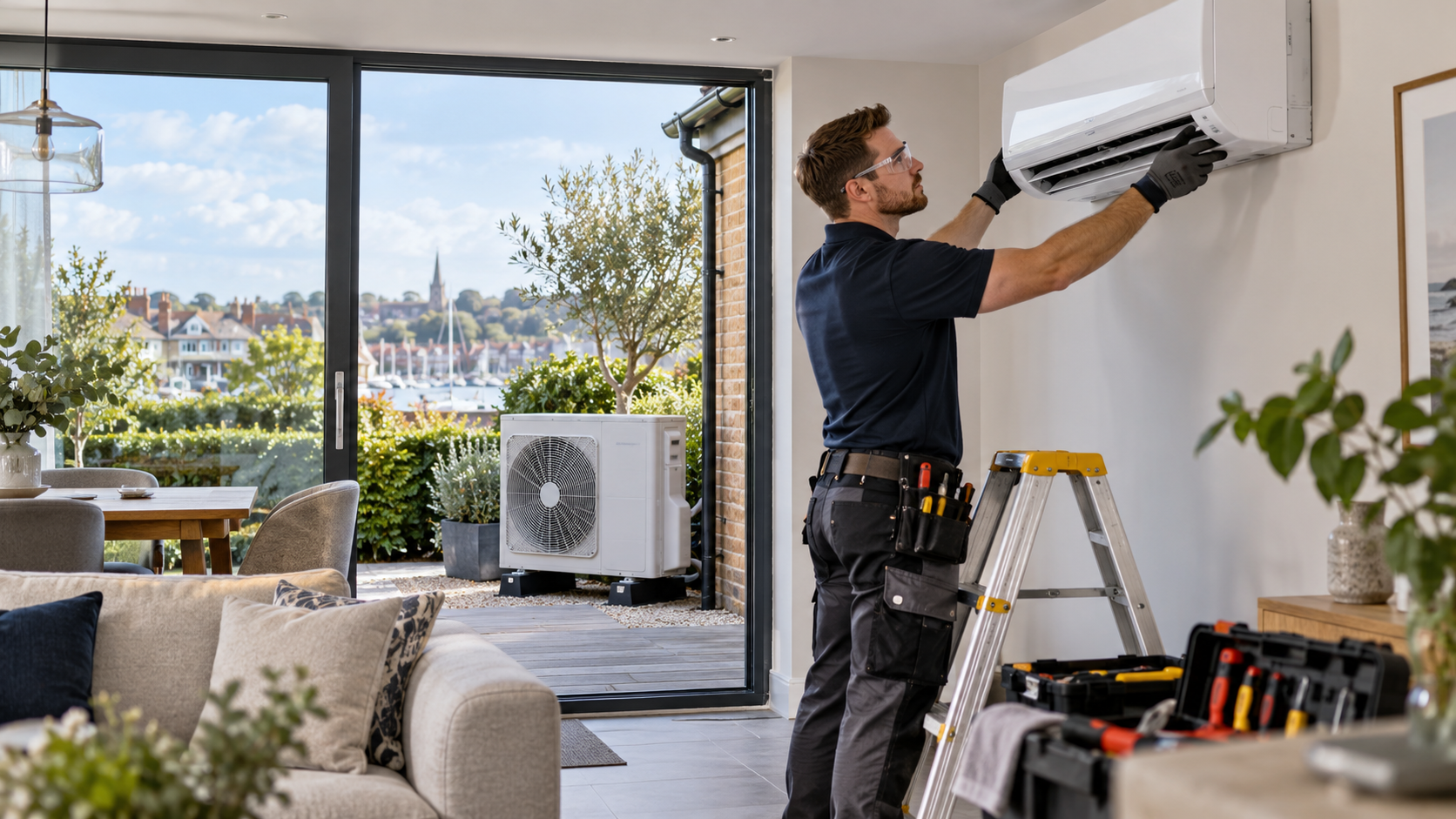
Air Conditioning in Southampton for Efficient Year Round Comfort
Choosing air conditioning in Southampton is becoming increasingly relevant for homeowners and businesses that want better control over indoor temperatures throughout the year. Modern systems can do considerably more than provide cool air during a warm summer afternoon. Many split air conditioning systems operate as air to air heat pumps, meaning they can provide both cooling and heating from the same equipment. This can make them useful in bedrooms, home offices, shops, restaurants, offices, apartments, extensions, and other spaces where dependable temperature control is important.
Southampton’s climate is generally moderate, but warm periods can still create uncomfortable indoor conditions, particularly in well insulated properties, rooms with large windows, upper floor bedrooms, offices filled with equipment, and commercial premises with significant occupancy.
Met Office long term climate data for Southampton’s Mayflower Park shows an average maximum temperature of about 22.6°C in July and 22.5°C in August for the 1991 to 2020 period.
Those averages do not represent the hottest individual days, and indoor temperatures can rise substantially above outdoor temperatures when heat accumulates inside a building.
A properly selected air conditioning system can therefore improve comfort while also giving occupants more precise control over individual rooms.
What Is Air Conditioning in Southampton?
Air conditioning generally refers to mechanical systems used to control indoor temperature.
Modern residential and light commercial systems commonly use an indoor unit connected to an outdoor unit.
The system moves heat rather than simply creating cold air.
In cooling mode, heat is transferred from inside the building to the outside.
In heating mode, the process can be reversed.
Energy Saving Trust describes air to air heat pumps as systems that can both heat and cool rooms using indoor and outdoor units and notes that they are also commonly referred to as air conditioning.
This dual purpose capability can make modern air conditioning useful throughout much more of the year.
Common Air Conditioning Applications
Systems may be installed in:
• Houses
• Flats
• Bedrooms
• Conservatories
• Home offices
• Loft conversions
• Shops
• Restaurants
• Hotels
• Offices
• Gyms
• Treatment rooms
• Server and equipment spaces
• Commercial premises
The correct system depends on room dimensions, heat gain, occupancy, insulation, glazing, usage patterns, and other technical factors.
Why Air Conditioning in Southampton Is Becoming More Useful
British homes were traditionally designed primarily around retaining warmth.
Modern insulation and airtight construction can improve winter efficiency, but these features can sometimes make excess summer heat more difficult to remove.
Other factors can contribute to overheating.
These include:
• Large south facing windows
• Loft conversions
• Conservatories
• Computer equipment
• Home working
• Multiple occupants
• Cooking equipment
• Limited natural ventilation
• Solar gain
• Upper floor rooms
Businesses face similar challenges.
A busy shop or office can become uncomfortable even when outdoor temperatures are not exceptionally high.
7 Powerful Benefits of Air Conditioning in Southampton
A professionally designed system can provide several practical advantages.
1. Air Conditioning in Southampton Provides Reliable Cooling
The most obvious benefit is cooling.
Opening windows can help under suitable conditions, but natural ventilation cannot always maintain the desired indoor temperature.
A properly sized air conditioning unit actively removes heat from the room.
Users can set a target temperature and allow the system to regulate conditions automatically.
This can be particularly useful in:
• Bedrooms
• Home offices
• Top floor rooms
• Conservatories
• Commercial spaces
• Rooms containing electronic equipment
Consistent temperature control can make indoor spaces much easier to use during warm weather.
2. Many Systems Can Also Provide Heating
One of the biggest misconceptions about modern air conditioning is that it can only cool.
Many current systems are reversible heat pumps.
In winter, they can extract heat from outdoor air and deliver it indoors.
Energy Saving Trust explains that air to air heat pumps provide warm air directly into rooms and can reverse operation to provide cooling.
This can make one installation useful across multiple seasons.
Air Conditioning in Southampton Can Complement Existing Heating
Some households may use an air conditioning system as supplementary heating rather than replacing the main heating system.
For example, it could be useful in:
• A garden office
• A loft room
• An extension
• A frequently used home office
• A bedroom
• A conservatory
The best arrangement depends on property design and energy requirements.
3. Individual Rooms Can Be Controlled Independently
Central heating commonly warms multiple rooms together.
Split air conditioning can offer more localised control.
If only one room is occupied, it may be unnecessary to condition the entire building.
A separate unit can maintain the preferred temperature in that specific area.
Multi split systems can connect several indoor units to one outdoor unit where the design allows.
Each indoor unit can often be controlled separately.
This can suit homes where different occupants prefer different temperatures.
4. Modern Systems Can Operate Quietly
Noise is an important consideration in bedrooms, offices, and treatment spaces.
Modern indoor air conditioning units can operate quietly at lower fan speeds.
However, published sound levels should still be checked before selecting equipment.
Outdoor unit placement also matters.
The installer should consider:
• Bedrooms
• Neighbouring properties
• Windows
• Boundaries
• Structural vibration
• Access for maintenance
• Airflow around the condenser
The quietest system can still become disruptive if installed poorly.
5. Air Conditioning Can Help Manage Humidity
Cooling systems remove some moisture from indoor air during normal operation.
This can make humid conditions feel more comfortable.
However, an air conditioning system should not automatically be treated as a solution for structural damp, leaking roofs, defective ventilation, or serious condensation problems.
Those issues require proper diagnosis.
Air conditioning can help control indoor comfort, but underlying building defects should still be corrected.
6. Modern Controls Make Temperature Management Easier
Many current systems include convenient control features.
Depending on the equipment, these may include:
• Remote controls
• Programmable timers
• Sleep modes
• Automatic fan control
• Temperature scheduling
• Smartphone control
• Wi Fi connectivity
• Energy saving modes
Smart controls can be particularly useful in offices and second homes where users want to manage operating schedules.
7. Air Conditioning Can Improve Usability of Difficult Rooms
Some rooms become uncomfortable during certain times of the year.
A loft conversion may become extremely warm in summer.
A garden office can become cold in winter and hot in summer.
A conservatory can experience large temperature changes.
A heating and cooling system can help make these spaces practical for longer periods of the year.
Types of Air Conditioning in Southampton
Several system types are available.
Wall Mounted Split Systems
These are common in homes and small commercial spaces.
A wall mounted indoor unit connects to an outdoor condenser.
Advantages can include:
• Efficient room cooling
• Heating capability
• Relatively straightforward installation
• Individual temperature control
• Compact indoor equipment
They are often suitable for bedrooms, offices, living rooms, and small shops.
Multi Split Air Conditioning
A multi split system connects several indoor units to one outdoor unit.
This can reduce the number of outdoor condensers required.
It may be useful for:
• Multiple bedrooms
• Whole floor installations
• Offices
• Clinics
• Retail spaces
System design becomes more complex as the number of rooms increases.
Ceiling Cassette Systems
Ceiling cassettes are often used in commercial environments.
They sit within or near the ceiling and distribute air in several directions.
Typical applications include:
• Offices
• Restaurants
• Retail stores
• Meeting rooms
• Larger open spaces
They generally require suitable ceiling void space.
Ducted Air Conditioning
Ducted systems can hide much of the equipment above ceilings or within building spaces.
Air is delivered through discreet grilles.
This can provide a clean appearance.
However, ductwork requires space and careful design.
Ducted installations may therefore be easier to incorporate during major refurbishment or new construction.
Choosing the Correct Air Conditioning Size
Buying the largest unit available is not a good sizing strategy.
Oversized and undersized systems can both create problems.
An installer should consider the room’s heat load.
Important factors include:
• Floor area
• Ceiling height
• Window size
• Window direction
• Insulation
• Number of people
• Computers and appliances
• Lighting
• Building construction
• Desired temperature
• Room use
A small bedroom requires a different design from a restaurant dining area.
Why Correct Sizing Matters
An undersized system may run continuously while struggling to reach the target temperature.
An oversized system may cycle unnecessarily and provide less stable comfort.
Professional calculations provide a better basis for equipment selection.
Air Conditioning Installation in Southampton
Installation involves both indoor and outdoor work.
A typical split system requires:
• Indoor unit mounting
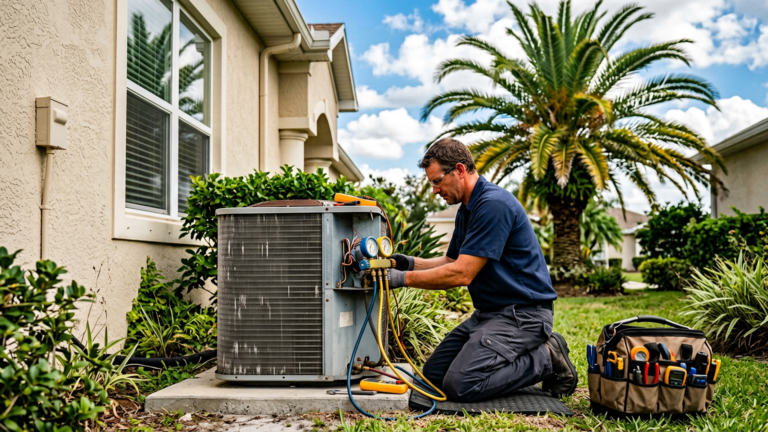
• Outdoor condenser placement
• Refrigerant pipework
• Condensate drainage
• Electrical supply
• Communication wiring
• System commissioning
The installation should be neat as well as technically correct.
Pipe routes should be planned before work begins.
Outdoor Unit Position
The outdoor unit needs adequate airflow.
It should not be trapped in a poorly ventilated enclosure.
The installer should also consider:
• Maintenance access
• Noise
• Drainage
• Pipe length
• Appearance
• Neighbouring properties
• Structural support
A convenient location is not always the best technical location.
Why F Gas Qualifications Matter
Air conditioning systems can contain fluorinated refrigerant gases.
UK regulations place specific qualification requirements on people working with relevant refrigeration, air conditioning, and heat pump systems.
GOV.UK states that appropriate qualifications are required for activities including installing new systems, servicing and maintenance, leak checks, refrigerant recovery, and decommissioning equipment containing F gas.
Businesses servicing stationary F gas equipment operated by other people also require relevant company certification.
Ask About Certification Before Installation
Customers can ask the installer:
• Are you appropriately F Gas qualified?
• Is your business certified where required?
• Who will commission the system?
• What documentation will I receive?
• What refrigerant does the system use?
Professional credentials are an important part of choosing an installer.
How Much Does Air Conditioning in Southampton Cost?
There is no single price for every installation.
Cost depends on several variables.
These can include:
• System brand
• Cooling capacity
• Number of rooms
• Number of indoor units
• Pipe length
• Electrical work
• Outdoor unit position
• Access
• Wall construction
• Drainage requirements
• Controls
• Installation complexity
Energy Saving Trust currently gives a broad UK example of around £1,900 for an air to air heat pump serving one room and about £3,700 for a three bedroom semi detached home, although real quotations can vary considerably.
Southampton property owners should obtain a site specific quotation rather than treating national example figures as guaranteed local prices.
Running Costs of Air Conditioning
Running cost depends on:
• Electricity tariff
• System efficiency
• Room temperature
• Outdoor temperature
• Hours of use
• Building insulation
• Equipment condition
• System size
• User behaviour
A highly efficient system can still consume unnecessary electricity if doors and windows remain open while it operates.
Practical Efficiency Tips
To reduce avoidable energy use:
• Keep windows closed while cooling
• Use sensible thermostat settings
• Clean filters
• Use timers
• Close blinds during strong sunlight
• Avoid cooling empty rooms
• Maintain the system
Extreme thermostat settings do not necessarily cool a room faster.
They may simply cause the system to operate for longer.
Air Conditioning for Southampton Homes
Residential systems can improve several areas of the home.
Bedroom Air Conditioning
Sleeping can become difficult when bedrooms retain heat overnight.
A quiet indoor unit can help maintain a more comfortable temperature.
Sound ratings and indoor unit positioning should be considered carefully.
Home Office Air Conditioning
Computers and monitors produce heat.
For people working from home, a comfortable workspace may improve the usability of the room throughout summer.
Heating mode can also benefit detached or poorly connected home offices during winter.
Conservatory Air Conditioning
Conservatories can experience significant solar gain.
A correctly designed heating and cooling system may make the room more usable throughout the year.
However, conservatories can have unusually high heat loads because of extensive glazing, so accurate system sizing is particularly important.
Commercial Air Conditioning in Southampton
Businesses often have different requirements from residential customers.
Commercial environments may need cooling for:
• Employees
• Customers
• Computers
• Retail stock
• Equipment
• Kitchens
• Treatment rooms
• Meeting spaces
System reliability becomes important because equipment problems can affect normal operations.
Office Air Conditioning
Offices can generate significant internal heat from computers, lighting, and occupants.
Good zoning can allow different sections to maintain suitable temperatures.
Retail Air Conditioning
Retail stores may need consistent temperatures for both shoppers and employees.
Door openings and lighting can increase cooling load.
Restaurant Air Conditioning
Restaurants can be challenging because kitchens, customers, lighting, and equipment all generate heat.
Dining areas and kitchens may require different ventilation and temperature strategies.
Air Conditioning Maintenance in Southampton
Regular servicing helps maintain system performance.
Maintenance requirements depend on equipment and usage.
A service may involve:
• Filter inspection
• Filter cleaning
• Coil inspection
• Drainage checks
• Electrical checks
• Refrigerant related checks where required
• Outdoor unit inspection
• Operational testing
Commercial equipment may require a more structured maintenance schedule.
Signs Your Air Conditioning Needs Attention
Call a qualified engineer if you notice:
• Reduced cooling
• Reduced heating
• Water leaks
• Unusual smells
• Excessive noise
• Error codes
• Unit switching off unexpectedly
• Ice formation
• Weak airflow
• Significant increase in electricity consumption
Do not open the refrigerant circuit or attempt refrigerant related DIY repairs.
Cleaning Air Conditioning Filters
Many indoor units contain washable or replaceable filters.
Dirty filters can reduce airflow.
Always follow manufacturer instructions.
A typical homeowner may be able to clean basic accessible filters, but deeper servicing should be left to trained professionals.
Commercial systems may require more frequent attention because of longer operating hours.
Air Conditioning and Indoor Air Quality
Some air conditioning systems include filtration features that help capture certain airborne particles.
However, air conditioning should not be confused with full building ventilation.
Cooling recirculated indoor air and supplying fresh outdoor air are different functions.
A building may still need appropriate ventilation even when air conditioning is installed.
Fresh air requirements should be considered separately, particularly in busy commercial premises.
Planning an Air Conditioning Installation
Before requesting quotations, think about how the system will actually be used.
Consider:
• Which rooms become uncomfortable?
• Is cooling needed mainly during summer?
• Would heating also be useful?
• How many rooms require independent control?
• Where could outdoor equipment be located?
• Is quiet operation especially important?
• Are there visual restrictions?
• Will the property be renovated soon?
This information can help an installer propose a more suitable system.
Comparing Air Conditioning Quotes
Do not compare only the final number.
Check whether quotations include the same work.
Look for details about:
• Equipment model
• Cooling and heating capacity
• Indoor units
• Outdoor unit
• Installation
• Pipework
• Electrical work
• Controls
• Commissioning
• Warranty
• Maintenance
• VAT where applicable
A lower quotation may exclude work included by another contractor.
Common Air Conditioning Mistakes
Choosing Equipment Only by Price
Purchase cost matters, but efficiency, reliability, noise, warranty, and installer quality also influence long term value.
Installing the Wrong Capacity
Correct sizing should come before equipment selection.
Ignoring Outdoor Unit Location
Poor airflow around the condenser can affect performance.
Skipping Maintenance
Filters, drains, coils, and other components need appropriate attention.
Using Unqualified Installers
Refrigerant systems must be handled by people with the appropriate qualifications where regulations require them.
Cooling With Windows Open
This introduces more warm air and makes the system work harder.
Is Air Conditioning Worth It in Southampton?
Whether air conditioning is worthwhile depends on the property and occupants.
It may be particularly useful when:
• Bedrooms overheat
• Home working rooms become uncomfortable
• A loft conversion traps heat
• A conservatory is difficult to use
• A commercial space requires reliable temperature control
• Heating and cooling are both desirable
Southampton does not experience consistently extreme summer temperatures, but averages do not tell the full story of individual hot days or overheating inside specific buildings.
Met Office 1991 to 2020 data records average July and August maximums of around 22.6°C and 22.5°C respectively at Southampton Mayflower Park.
Property design can make indoor temperatures significantly different from the outdoor average.
Frequently Asked Questions
Is air conditioning in Southampton useful for homes?
Yes. It can be especially useful in bedrooms, home offices, loft conversions, conservatories, and other rooms that experience uncomfortable summer heat.
Can air conditioning in Southampton provide heating?
Many modern split systems operate as reversible air to air heat pumps, allowing them to provide both heating and cooling.
Does an air conditioning installer need F Gas qualifications?
People carrying out regulated work on air conditioning and heat pump systems containing F gas need appropriate qualifications, and businesses servicing stationary systems for others require company certification where applicable.
How much does air conditioning in Southampton cost?
Costs vary by system capacity, number of rooms, equipment, pipe runs, electrical requirements, and installation complexity. A site survey and written quotation provide the most reliable figure.
How often should air conditioning be serviced?
The appropriate interval depends on the manufacturer, usage, environment, and system type. Commercial systems operating for long periods may require more frequent maintenance than lightly used residential units.
Can one air conditioning system cool several rooms?
Yes. Multi split and ducted systems can serve several rooms, but the system must be correctly designed and sized for the building and expected heat loads.
Conclusion
Air conditioning in Southampton can provide practical year round temperature control for homes, offices, shops, restaurants, and other properties, particularly where summer overheating or individual room comfort is difficult to manage. Modern air to air systems can often provide both efficient cooling and useful heating, making equipment valuable beyond the hottest part of the year. Correct sizing, professional installation, appropriate F Gas qualifications, sensible controls, and regular maintenance are essential for dependable performance. By comparing complete system specifications and installation quality rather than price alone, property owners can choose a solution that offers comfortable and efficient operation for years to come.