Short-Term Rental Cleaning: 9 Ways to Deliver a Guest-Ready Property
Short-term rental cleaning is one of the most important parts of running a successful vacation rental because every turnover creates a new first impression. Guests may forgive a slightly unusual layout or limited storage, but visible hair, dirty dishes, stained linens, bathroom residue or leftover trash can immediately affect trust in the entire property.
Airbnb currently requires hosts to provide accommodations that are clean and free of health hazards before check-in. Its host standards specifically say listings should be cleaned between every stay, including laundry, trash removal, vacuuming or sweeping and wiping surfaces.
A reliable cleaning system therefore needs to do more than make rooms look attractive.
It should ensure that:
- Every room is consistently cleaned.
- Linens are fresh.
- Bathrooms are hygienic.
- Kitchens are ready for use.
- High-touch surfaces are addressed.
- Supplies are replenished.
- Damage is reported.
- Maintenance problems are noticed.
- The home is staged consistently before check-in.
The following nine strategies can help hosts, cleaners and property managers create a repeatable turnover process.
What Is Short-Term Rental Cleaning?
Short-term rental cleaning is the process of resetting a furnished accommodation between guest stays.
It differs from ordinary residential cleaning because it combines:
- Cleaning
- Laundry
- Restocking
- Property inspection
- Guest-ready staging
A cleaner may need to prepare the entire property within a limited period between checkout and the next check-in.
That makes consistency essential.
Airbnb advises hosts to create a turnover checklist and follow the same routine before every arrival so important details are not missed.
1. Build a Short-Term Rental Cleaning Checklist
A written checklist is one of the most effective ways to reduce mistakes.
Without one, cleaners may rely on memory.
That creates inconsistency, especially when:
- Different cleaners work at the property.
- The schedule is busy.
- Same-day turnovers occur.
- A cleaner is covering for someone else.
Divide the Checklist by Room
Instead of one long list, organize tasks into sections.
For example:
Bedroom
- Strip used bedding.
- Check mattress and protector.
- Replace linens.
- Dust furniture.
- Vacuum or mop floor.
- Empty waste bins.
- Inspect under beds.
- Stage pillows and bedding.
Bathroom
- Clean toilet.
- Clean shower or bathtub.
- Remove hair.
- Wipe mirrors.
- Clean sink and taps.
- Replace towels.
- Restock toilet paper.
- Empty trash.
Kitchen
- Wash or inspect dishes.
- Clean counters.
- Clean sink.
- Check refrigerator.
- Wipe appliances.
- Clean stovetop.
- Empty trash.
- Restock guest essentials.
Living Areas
- Dust surfaces.
- Vacuum or mop floors.
- Clean tables.
- Straighten furniture.
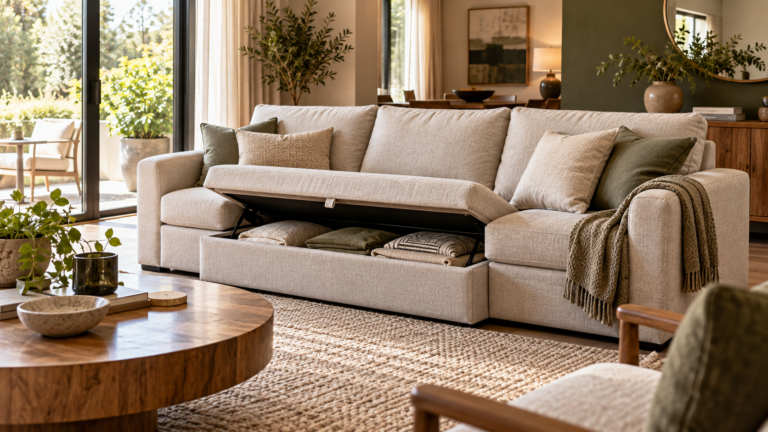
- Inspect sofa and cushions.
- Check remote controls.
Airbnb recommends exactly this type of repeatable turnover strategy and specifically emphasizes countertops, drains, floors, fresh linens and clean towels.
2. Start With a Property Walkthrough
Before cleaning begins, walk through the property.
Do not immediately start stripping beds.
A quick inspection can reveal problems that need to be documented before they disappear into the cleaning process.
Look for:
- Damage
- Missing items
- Stains
- Excessive trash
- Broken furniture
- Plumbing leaks
- Maintenance issues
Photograph Important Problems
If something appears damaged, take clear photographs before moving or cleaning it.
Examples include:
- Broken furniture
- Damaged appliances
- Large stains
- Cracked fixtures
- Missing inventory
This creates a useful record for the property manager or host.
Check for Maintenance Problems
Cleaners often spend more time inside rental properties than maintenance staff.
They may be the first people to notice:
- Slow drains
- Loose handles
- Leaking taps
- Flickering lights
- HVAC problems
- Damaged blinds
A strong cleaning operation therefore includes a maintenance-reporting process.
Cleaning and property inspection should work together.
3. Handle Linens and Laundry Carefully
Fresh bedding is one of the clearest signals of cleanliness.
Guests notice:
- Hair
- Makeup marks
- Stains
- Wrinkled bedding
- Unpleasant odors
immediately.
Airbnb advises hosts to make beds with fresh linens and provide clean towels for every guest before arrival.
Strip Beds First
Remove used:
- Sheets
- Pillowcases
- Duvet covers where applicable
Check:
- Mattress protector
- Pillow protectors
- Mattress surface
for stains or damage.
Launder Correctly
CDC guidance recommends washing laundry with detergent using the warmest appropriate water setting permitted by the item’s care instructions and drying items completely.
The phrase appropriate water setting matters.
Do not automatically use extremely hot water if the manufacturer recommends otherwise.
Keep Clean and Dirty Linens Separate
Avoid placing clean sheets in the same basket used for dirty laundry unless the basket has been cleaned.
CDC recommends cleaning laundry hampers and baskets according to appropriate surface-cleaning guidance.
Keep Backup Linen Sets
A practical rental should have enough linen inventory to handle:
- Same-day turnovers
- Stains
- Laundry delays
Many professional operators keep multiple complete sets for each bed.
4. Give Bathrooms Extra Attention
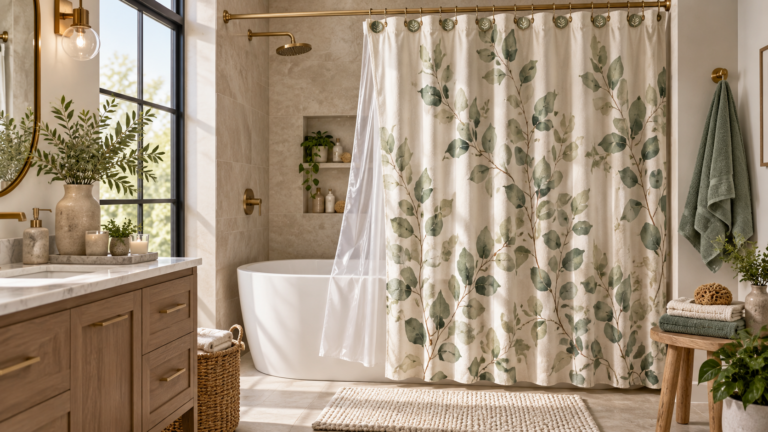
Bathrooms are one of the most closely inspected areas in any short-term rental.
A small amount of hair can make an otherwise clean bathroom feel dirty.
Airbnb specifically advises hosts to double-check that hair has not been left behind during cleaning.
Bathroom Cleaning Sequence
A practical order is:
- Remove towels and trash.
- Apply appropriate bathroom cleaner.
- Clean shower or tub.
- Clean toilet.
- Clean sink and taps.
- Wipe mirrors.
- Inspect drains.
- Clean floor.
- Replace towels.
- Restock amenities.
Inspect Hidden Areas
Check:
- Behind the toilet
- Shower corners
- Drain area
- Under vanity
- Around taps
These are easy places for dirt or hair to remain.
Clean Before Disinfecting
CDC distinguishes between cleaning and disinfecting.
Cleaning physically removes most dirt and germs.
Disinfecting uses chemicals to kill germs that remain.
Surfaces should generally be cleaned before they are disinfected because dirt can interfere with disinfectant performance.
Routine disinfection of every surface is not always necessary.
CDC says regular cleaning is sufficient in many situations, with disinfection particularly relevant when someone has been sick or when other risk factors exist.
5. Clean the Kitchen as if the Next Guest Will Cook Immediately
Guests expect a vacation-rental kitchen to be ready for use.
That means more than wiping the counter.
Check Dishes and Cookware
Inspect:
- Plates
- Cups
- Glasses
- Cutlery
- Pots
- Pans
Do not assume a dish is clean simply because a previous guest placed it back in the cupboard.
Inspect the Refrigerator
Remove:
- Spoiled food
- Spills
- Forgotten leftovers
unless the host has a clear policy allowing specific sealed items.
Clean Appliances
Depending on the property, inspect:
- Microwave
- Oven
- Stovetop
- Coffee maker
- Toaster
- Refrigerator
Grease or food residue can quickly reduce the perceived cleanliness of the entire kitchen.
Food-Contact Surfaces
CDC recommends cleaning countertops with hot, soapy water and sanitizing surfaces that have been contaminated by raw meat, poultry or their juices.
Use products that are appropriate for food-contact surfaces and follow label directions.
6. Prioritize High-Touch Surfaces
Some objects are touched repeatedly by almost every guest.
Common examples include:
- Door handles
- Light switches
- Remote controls
- Faucet handles
- Appliance handles
- Thermostats
CDC recommends regular cleaning of frequently touched surfaces.
Electronics Need Care
Television remotes and other electronics should be cleaned according to manufacturer instructions.
CDC suggests following device-specific recommendations and notes that wipeable covers may make some electronics easier to clean.
Do not saturate electronics with cleaning liquid.
Frequently Touched Does Not Mean Excessive Chemical Use
A common mistake is assuming every high-touch item requires strong disinfectant after every normal stay.
CDC’s current guidance states that cleaning alone removes most harmful germs in many normal household situations.
The cleaning protocol should match the actual risk and applicable local requirements.
7. Restock Guest Supplies Consistently
Cleaning is only part of a turnover.
The property must also be ready for the next guest.
Possible supplies include:
- Toilet paper
- Hand soap
- Shampoo
- Dish soap
- Dishwasher tablets
- Trash bags
- Paper towels
- Coffee supplies
The exact list depends on the property and host offering.
Use a Minimum Stock Level
Do not rely on the cleaner to guess how much is enough.
For example:
Bathroom 1
- 2 spare toilet-paper rolls
- Full hand-soap bottle
- Fresh towels for booked occupancy
Clear standards improve consistency.
Check Consumables During Every Turnover
Even partially full items may need replacement if:
- They are damaged.
- They are contaminated.
- The packaging is unattractive.
Airbnb’s guidance for higher-end listings emphasizes keeping cooking essentials, bathroom amenities and linens properly stocked for arriving guests.
8. Use Cleaning Products Safely
A rental should smell clean, not chemically overwhelming.
Using excessive chemicals can create:
- Strong odors
- Surface damage
- Respiratory irritation
- Residue
Follow Product Labels
CDC advises using products appropriate for the surface and following label directions.
When disinfectants are used, the label may specify a contact time.
This is how long the surface must remain wet for the product to work as intended.
Never Mix Cleaning Chemicals
CDC specifically warns against mixing cleaning or disinfecting products.
Mixing incompatible chemicals can produce dangerous fumes.
Ventilate the Property
When using cleaning chemicals indoors, appropriate ventilation may be necessary.
CDC advises opening windows or doors or using ventilation where appropriate when working with disinfectants indoors.
Consider Safer Cleaning Products
EPA maintains its Safer Choice program, which identifies products meeting specific human-health and environmental criteria.
Its database includes products for homes and hospitality operations, including:
- All-purpose cleaners
- Bathroom cleaners
- Floor cleaners
- Laundry products
- Glass cleaners
9. Perform a Final Guest-Ready Inspection
The property should be inspected after cleaning is finished.
Do not let the final action simply be:
Cleaner leaves.
Someone should confirm that the home is ready for arrival.
Use the Guest’s Point of View
Enter through the same door the guest will use.
Ask:
What do I notice first?
Check:
- Smell
- Temperature
- Lighting
- Floor cleanliness
- Furniture arrangement
Inspect Bedrooms
Confirm:
- Beds are made.
- Pillows are arranged.
- No hair is visible.
- Nightstands are clean.
Inspect Bathrooms
Look for:
- Hair
- Water spots
- Soap residue
- Empty supplies
Inspect Kitchen
Check:
- Sink
- Counters
- Appliances
- Dishes
- Refrigerator
Inspect Floors
Look beneath:
- Beds
- Sofas
- Tables
Airbnb specifically encourages hosts to clean floors under furniture and refresh every room rather than only addressing visible open areas.
Short-Term Rental Cleaning vs Regular House Cleaning
These services overlap but are not identical.
Regular Residential Cleaning
May focus primarily on:
- Dusting
- Vacuuming
- Bathrooms
- Kitchens
Short-Term Rental Cleaning
Usually adds:
- Laundry
- Bed making
- Restocking
- Inventory checks
- Damage reporting
- Guest staging
- Time-sensitive turnover
The cleaner is effectively preparing a hospitality product.
That requires a different mindset.
How Long Should Short-Term Rental Cleaning Take?
There is no universal turnover time.
It depends on:
- Property size
- Number of bathrooms
- Number of beds
- Laundry setup
- Guest condition
A one-bedroom apartment may require far less time than a five-bedroom vacation home.
Avoid Unrealistically Tight Turnovers
If cleaners are consistently rushed, they may miss:
- Hair
- Dust
- Under-furniture areas
- Appliances
- Maintenance problems
Airbnb recommends scheduling enough time between bookings for thorough cleaning and keeping a backup cleaner available when possible.
Same-Day Turnover Cleaning
Same-day turnovers require careful scheduling.
A useful system may involve:
- Guest checkout
- Initial inspection
- Laundry start
- Room cleaning
- Restocking
- Final inspection
- Guest check-in
Laundry Is Often the Bottleneck
Bedsheets and towels may take longer than surface cleaning.
Possible solutions include:
- Extra linen sets
- Off-site laundry
- Commercial machines
The best solution depends on booking volume and property size.
Short-Term Rental Deep Cleaning
Turnover cleaning and deep cleaning are different.
A turnover focuses on restoring the property after a normal guest stay.
Deep cleaning addresses areas that do not require full attention during every turnover.
Deep-Cleaning Tasks May Include
- Baseboards
- Behind appliances
- Interior cabinets
- Upholstery
- Carpet extraction
- Ceiling fans
- Detailed grout cleaning
- Window tracks
A property that receives only quick turnovers eventually accumulates hidden dirt.
Schedule periodic deep cleans based on:
- Occupancy
- Property type
- Guest volume
Cleaning Bedrooms Properly
Bedrooms should appear fresh before guests enter.
Inspect:
- Bedding
- Mattress protector
- Bed frame
- Nightstands
- Lamps
- Closet
Do Not Forget Under the Bed
Guests may store luggage there.
Finding dust or previous guests’ belongings immediately damages the cleanliness impression.
Check Closets
Remove:
- Forgotten clothing
- Used hangers in odd places
- Trash
Keep spare bedding organized rather than leaving it loose.
Cleaning Living Rooms
Living rooms experience heavy guest use.
Pay attention to:
- Sofas
- Cushions
- Coffee tables
- Remotes
- Floors
Inspect Between Cushions
Guests may leave:
- Crumbs
- Hair
- Small objects
Vacuum where appropriate.
Stage Furniture Consistently
Furniture placement should resemble the listing photographs where practical.
This creates familiarity for arriving guests.
Pet-Friendly Rental Cleaning
Pet-friendly rentals may require additional attention.
Possible tasks include:
- Removing pet hair
- Inspecting upholstery
- Checking outdoor areas
- Addressing odors
Airbnb’s cleanliness standards specifically mention excessive pet dander among issues that should not be present at check-in.
Use appropriate tools and products for the surfaces involved.
Create a Cleaning Supply Station
Professional cleaners work faster when supplies are organized.
A property supply area might contain:
- Gloves
- Microfiber cloths
- Surface cleaners
- Glass cleaner
- Bathroom products
- Vacuum supplies
- Trash bags
- Guest consumables
Keep chemicals:
- Clearly labeled
- Securely stored
- Away from guests where required
Do not store incompatible chemicals together carelessly.
Color-Code Cleaning Cloths
Some cleaning teams assign different cloth colors to different areas.
For example:
Red: toilet areas
Blue: general surfaces
Green: kitchen
This can reduce the chance of using the same cloth on a bathroom fixture and a kitchen counter.
The exact color system matters less than consistency.
Use Photo Verification
Property managers with multiple rentals may ask cleaners to upload final photographs.
Useful images might show:
- Made beds
- Bathroom
- Kitchen
- Living room
Photo verification is not a substitute for quality cleaning.
It does provide evidence that the property was staged and inspected before arrival.
Avoid Strong Fragrances
A strong artificial scent does not prove a home is clean.
Some guests may also be sensitive to fragrance.
Focus first on removing the cause of odors.
Possible causes include:
- Trash
- Wet towels
- Food
- Plumbing
Masking a problem with air freshener is not the same as cleaning it.
EPA’s Safer Choice database includes fragrance-free filtering for products meeting its program criteria, which can be useful for operators seeking lower-fragrance options.
Frequently Asked Questions
What is short-term rental cleaning?
Short-term rental cleaning is the complete turnover process performed between guests, including cleaning rooms, changing linens, removing trash, replenishing supplies and preparing the property for the next arrival.
What should be cleaned after every short-term rental stay?
At minimum, clean bathrooms, kitchens, floors, bedding, towels and frequently touched surfaces while removing trash and checking the property for guest-ready condition. Airbnb requires listings to be cleaned between every stay.
Do short-term rentals need to be disinfected after every guest?
Not necessarily. CDC guidance says routine cleaning removes most germs in normal situations, while disinfection is particularly useful when someone has been sick or when other risk factors apply.
How should linens be cleaned between guests?
CDC recommends laundering linens with detergent using the warmest appropriate water setting permitted by the item’s care instructions and drying them completely.
How can hosts prevent cleaning mistakes?
Use a room-by-room turnover checklist, allow adequate cleaning time, maintain backup supplies and complete a final inspection before every guest arrival. Airbnb also recommends using a consistent turnover checklist.
What is the difference between turnover cleaning and deep cleaning?
Turnover cleaning prepares the rental for the next guest, while deep cleaning handles less frequent tasks such as baseboards, upholstery, window tracks, behind appliances and detailed grout cleaning.
Conclusion
Short-term rental cleaning is a hospitality operation, not simply ordinary housekeeping. A strong turnover system combines detailed cleaning, fresh linens, restocking, property inspection and consistent staging before every arrival. Using a repeatable checklist and prioritizing bathrooms, kitchens, high-touch areas and final inspections can significantly reduce overlooked problems. When hosts give cleaners enough time, clear standards and proper supplies, maintaining a reliable guest-ready property becomes much easier