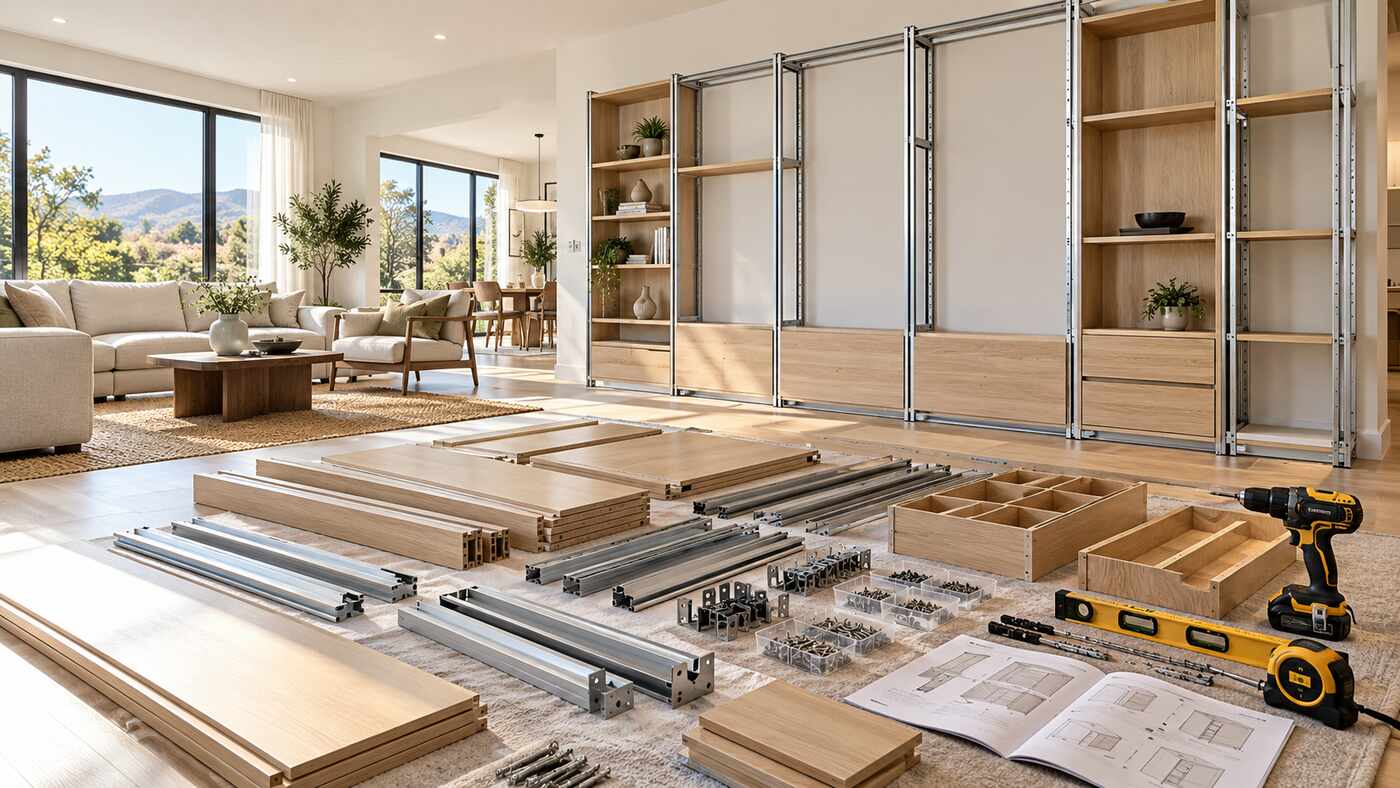
Engineered for Homeowner Installation: 7 Powerful Benefits of Modern DIY Home Improvement Products
Improving your home should not always mean dealing with complicated construction processes, expensive labor, or weeks of disruption. Modern home improvement products are increasingly designed around convenience, efficiency, and practical assembly. Choosing products engineered for homeowner installation allows homeowners to complete suitable improvements using clearly organized components, understandable instructions, and commonly available tools.
Across the United States, homeowners are looking for practical ways to upgrade living spaces while maintaining control over project budgets and design choices. From modular storage systems and decorative wall panels to certain flooring products and outdoor improvement kits, homeowner friendly designs can make selected projects more accessible.
However, successful DIY installation requires more than purchasing a product labeled easy to install. Understanding product compatibility, construction quality, safety requirements, and preparation methods is essential for creating a finished result that performs reliably.
What Does Engineered for Homeowner Installation Mean?
The phrase engineered for homeowner installation generally refers to products intentionally designed to simplify the assembly or installation process for nonprofessional users.
These products often feature prepared components, compatible hardware, standardized measurements, and detailed assembly instructions.
Rather than requiring homeowners to manufacture individual parts, a prefabricated system may provide materials that are ready to position, connect, and secure.
For example, a modular shelving kit might contain precut panels, adjustable mounting brackets, and clearly identified fasteners. A compatible flooring system may use an interlocking design that reduces the need for certain traditional installation techniques.
The precise meaning varies between manufacturers and product categories.
Importantly, the word engineered does not automatically mean a product has been independently certified, approved by a structural engineer, or accepted under local building regulations. Homeowners must verify relevant technical claims separately.
What Makes a Product Homeowner Friendly?
Well designed installation systems commonly provide:
- Components manufactured to consistent dimensions
- Clearly identified hardware and mounting points
- Detailed step by step assembly instructions
- Accurate diagrams or installation videos
- A practical list of required tools
- Manufacturer specified load and performance limits
- Accessible customer support
- Clear maintenance and warranty information
These features can make a project easier to understand and reduce unnecessary installation difficulties.
7 Benefits of Products Engineered for Homeowner Installation
1. A Simpler and More Organized Installation Process
One of the main advantages of homeowner friendly products is the potential to reduce unnecessary construction complexity.
Traditional installations sometimes involve cutting individual materials, preparing connection points, and adapting components on site.
Prefabricated systems may reduce this work by providing prepared parts designed to fit together in a particular sequence.
A modular wall storage system, for example, can include precut shelves, compatible connectors, and prepared mounting holes.
This allows homeowners to concentrate on accurate positioning and secure assembly rather than producing the components themselves.
Clear Instructions Help Prevent Mistakes
A quality installation guide should identify the tools, measurements, installation sequence, and safety precautions.
Good documentation explains not only what to do but also which mistakes to avoid.
Before purchasing, check whether the manufacturer provides the complete installation manual.
A product that looks easy in a short promotional video may still require detailed measurements or specialized fastening methods.
2. Potential Savings on Installation Labor
Professional installation costs can account for a significant portion of certain home improvement projects.
Products engineered for homeowner installation may allow suitable tasks to be completed without hiring a professional installation crew.
For example, assembling a freestanding organization system can be less expensive when the homeowner already owns the necessary tools.
However, DIY installation is not automatically the cheapest option.
Homeowners should account for the cost of equipment, delivery, preparation materials, and any professional assistance required.
Calculate the Complete Project Cost
A realistic budget should include the product purchase, applicable taxes, shipping, necessary tools, safety equipment, and replacement materials.
It should also account for potential mistakes.
If a product requires tools that will rarely be used again, renting equipment or selecting professional installation may offer better value.
The most useful comparison is the total cost of a safe, properly completed project.
3. Greater Flexibility Over Project Scheduling
Homeowners often appreciate having more control over when installation work takes place.
Certain modular improvement projects can be divided into manageable stages.
A homeowner might spend one day organizing components, another preparing the installation area, and a final session assembling the system.
This flexibility can be helpful for people balancing employment, family responsibilities, and other commitments.
However, not every task can safely be interrupted.
Adhesives, coatings, sealants, and other materials may have specific application or curing requirements.
Always follow the manufacturer’s installation sequence rather than adjusting essential procedures solely for convenience.
4. Better Opportunities for Personalization
Modern modular products often provide several layout and finishing options.
Homeowners may be able to choose different colors, dimensions, accessories, or arrangements.
For example, a modular closet system might include adjustable shelves, hanging rails, drawers, and compatible storage accessories.
Decorative wall systems may offer different finishes that complement existing furniture and interior colors.
This flexibility makes it easier to create improvements that reflect individual preferences.
However, customization should remain within the product’s approved design limits.
Cutting structural sections, modifying connection points, or combining incompatible components can compromise performance.
5. Consistent Component Dimensions
Factory prepared components can provide consistent dimensions and accurately positioned connection points.
This can simplify alignment and reduce the amount of material preparation needed during installation.
For example, a prefabricated cabinet system may arrive with matching panels and compatible hardware.
Consistent manufacturing can support easier assembly when the installation surface is properly prepared.
However, manufacturing precision does not guarantee that every home has perfectly level walls or floors.
Homeowners must still inspect the installation area and make adjustments allowed by the manufacturer’s instructions.
6. More Convenient Maintenance and Repairs
Some modular products are designed to allow individual components to be accessed, replaced, or adjusted.
For example, removable panels may provide access to fasteners or concealed storage areas.
Certain shelving systems allow homeowners to change shelf positions without rebuilding the entire structure.
This can make future modifications more manageable.
However, repairability depends on product design.
Before purchasing, ask whether replacement parts are available and whether the manufacturer provides repair instructions.
Products that depend on proprietary components can become difficult to maintain if replacement parts are discontinued.
7. Greater Confidence in Managing Home Improvements
Completing an appropriate DIY project can help homeowners understand their property’s construction and maintenance needs.
Measuring a room, inspecting surfaces, understanding fastening systems, and reviewing installation instructions all develop practical knowledge.
This experience may also improve confidence when planning future projects.
However, experience with basic assembly does not qualify someone to perform specialized electrical, gas, structural, or other regulated construction work.
Responsible DIY improvement means recognizing both personal capabilities and limitations.
A successful project should satisfy safety requirements rather than merely demonstrate that the homeowner completed it independently.
Popular Home Improvement Products Designed for Homeowner Installation
Different types of residential products incorporate design features intended to support simpler assembly.
Modular Storage and Organization Systems
Closet organizers, storage cabinets, and shelving systems are common examples.
These products may include precut panels, adjustable brackets, and standardized connectors.
They can be suitable for bedrooms, garages, laundry rooms, and home offices.
Wall mounted systems require particular care.
The fasteners must be appropriate for the wall material and expected loads.
Heavy furniture may also need anchoring to reduce tipping hazards.
The U.S. Consumer Product Safety Commission recommends securing appropriate furniture and televisions using suitable anti-tip systems.
Decorative Wall Panels
Some interior wall panel systems are manufactured in prepared sections.
Depending on the product, installation may involve approved adhesives, clips, or mechanical fasteners.
These products can help homeowners create decorative features without extensive custom fabrication.
However, walls must meet the manufacturer’s surface preparation requirements.
Certain decorative materials may also need to satisfy applicable fire performance standards.
Interlocking Flooring Systems
Selected laminate, vinyl, and modular flooring products use interlocking connections.
These systems may reduce reliance on adhesives or traditional fastening techniques.
However, a successful flooring installation still depends on subfloor preparation.
Uneven surfaces, moisture intrusion, and inadequate expansion allowances can cause problems.
Always follow the flooring manufacturer’s specifications for the substrate, temperature, humidity, and installation conditions.
Weatherstripping and Simple Air Sealing Products
Some residential energy efficiency improvements are appropriate for homeowners with basic DIY skills.
Weatherstripping kits can help reduce unwanted air movement around compatible doors and windows.
The U.S. Department of Energy identifies caulking and weatherstripping as common methods of reducing air leakage.
However, sealing must not interfere with required ventilation or combustion air supplies.
More complicated building envelope improvements may require professional assessment.
Outdoor Improvement Kits
Certain garden structures, decorative screens, and storage products are supplied as prepared installation kits.
These may simplify component assembly compared with building every part from raw materials.
Outdoor installation still requires attention to weather exposure, foundations, anchoring, and local regulations.
Products exposed to significant wind or snow loads may need engineered foundations or professional installation.
How to Choose Products Engineered for Homeowner Installation
Not every product described as DIY friendly provides the same level of convenience.
Homeowners should evaluate actual specifications rather than relying exclusively on marketing language.
Review the Installation Manual Before Buying
A complete installation guide should explain:
- Required tools and safety equipment
- Recommended number of installers
- Surface and mounting requirements
- Component dimensions and clearances
- Load limits and appropriate fasteners
- Assembly sequence and inspection steps
- Maintenance and warranty conditions
If this information is unavailable, contact the manufacturer before ordering.
Check Compatibility With Your Home
A product may be easy to assemble but unsuitable for a particular property.
For example, mounting systems designed for wood framing may require different hardware for concrete or masonry walls.
Flooring products may have restrictions related to moisture or surface conditions.
Outdoor kits may require particular foundation dimensions.
Confirming these details before purchasing can prevent expensive installation problems.
Evaluate Product Testing and Quality
Look for relevant test reports, technical specifications, and certifications where appropriate.
The applicable standards depend on the product category.
Structural components, electrical equipment, windows, furniture, and flooring products may have very different testing requirements.
A product’s claim of engineering quality should be supported by information relevant to its intended use.
Compare Manufacturer Support
Reliable technical support can be especially valuable during installation.
Check whether the manufacturer offers replacement hardware, troubleshooting guidance, and assistance with product compatibility questions.
Customer reviews may help identify recurring difficulties, but they should be evaluated alongside technical documentation.
A Practical Step by Step Homeowner Installation Plan
Careful preparation can improve project efficiency and reduce the likelihood of mistakes.
Step 1: Measure the Installation Area
Start by recording accurate dimensions.
Check the width, height, depth, and clearances required by the product.
Measure more than once when necessary, particularly if the room has uneven walls or floors.
Consider nearby doors, outlets, fixtures, and furniture.
Verify measurements against the manufacturer’s specifications before ordering.
Step 2: Inspect Existing Surfaces
The installation area should be suitable for the planned improvement.
Look for signs of moisture damage, loose materials, cracks, or unstable mounting surfaces.
A wall that appears attractive may not provide adequate support for heavy shelves.
Similarly, a floor may require leveling or moisture correction before installing a new covering.
Correcting underlying problems before installation generally produces better results than concealing them.
Step 3: Organize Materials and Tools
Unpack the product carefully and compare the contents with the manufacturer’s parts list.
Identify fasteners, brackets, panels, and accessories before assembly.
Inspect components for visible damage.
Keep small hardware organized in suitable containers and ensure the work area is clean and adequately illuminated.
Use the tools specified in the instructions.
Step 4: Follow the Approved Assembly Sequence
Complete the installation in the order recommended by the manufacturer.
Avoid skipping alignment checks or tightening components before they are correctly positioned.
When fastening into a wall, verify that the chosen anchors and mounting locations are appropriate.
Do not substitute hardware unless the manufacturer approves the alternative.
If a component does not fit correctly, investigate the reason rather than forcing the connection.
Step 5: Inspect the Completed Installation
After assembly, review the manufacturer’s final inspection requirements.
Check accessible fasteners, alignment, stability, clearances, and operation.
For cabinets or shelving, confirm the installed system is secured according to its instructions before loading it.
Do not exceed published weight limits.
Retain the manual and warranty documents for future reference.
When Should Homeowners Hire Professional Installers?
Products engineered for homeowner installation are not suitable for every project.
Certain improvements involve safety risks or regulatory requirements that make professional assistance necessary or strongly advisable.
Electrical and Gas Systems
Work involving electrical wiring, service panels, or gas connections can create serious hazards.
Many jurisdictions require permits or licensed professionals for certain types of work.
Even when a product includes easy installation instructions, the homeowner must comply with applicable laws.
Structural Changes
Removing walls, modifying supports, altering roof framing, or installing load bearing components requires appropriate engineering and construction expertise.
A product marketed as prefabricated does not eliminate structural requirements.
Complex Plumbing and Waterproofing
Minor maintenance tasks may be manageable for experienced homeowners.
However, major plumbing changes, drainage alterations, and waterproofing systems require careful planning.
Improper installation can cause hidden leaks and costly property damage.
Older Homes and Hazardous Materials
Homes constructed before 1978 may contain lead based paint.
Renovation activities such as sanding and drilling can release hazardous dust.
The U.S. Environmental Protection Agency recommends using lead safe certified contractors for renovation work that may disturb lead based paint.
Suspected asbestos containing materials also require appropriate professional evaluation before disturbance.
Common Mistakes to Avoid During DIY Installation
Even well designed products can fail when installed incorrectly.
One common mistake is starting without reviewing the complete installation instructions.
Another is assuming that the included hardware works with every wall, ceiling, or floor material.
Homeowners may also underestimate the importance of accurate measurements.
Incorrect dimensions can cause alignment problems or prevent components from fitting in the intended location.
Using excessive force, substituting unsuitable fasteners, or ignoring manufacturer load limits can create additional hazards.
It is also important to avoid rushing through preparation and inspection.
A careful installation approach is generally more valuable than completing the work as quickly as possible.
How Much Can Homeowners Save With DIY Installation?
Potential savings depend on product type, local labor rates, required tools, and installation complexity.
A simple modular storage project may require relatively little equipment or additional material.
A larger outdoor installation may involve excavation, special anchors, concrete work, or permit requirements.
These additional costs can reduce the financial advantage of self installation.
Compare DIY and Professional Installation Costs
Ask whether the product manufacturer offers optional professional installation.
Compare the complete professional quotation with the expected cost of completing the work yourself.
Include tool rental, preparation materials, disposal, and any assistance needed to handle large components.
Time also has value.
A project that requires several weekends of difficult work may be less attractive than hiring a qualified installer, particularly when specialized skills are involved.
How to Maintain Homeowner Installed Products
Routine maintenance helps preserve the performance of completed projects.
Inspect accessible connections and mounting points according to manufacturer recommendations.
Clean surfaces using approved products.
Avoid exceeding weight limits or exposing components to conditions beyond their intended use.
For outdoor installations, monitor corrosion, loose fasteners, weather damage, and drainage issues.
Modular products may also require periodic adjustment.
Keep spare hardware, product identification information, and assembly documentation in a safe place.
These records can make future repairs or replacements easier.
Are DIY Friendly Home Improvement Products Worth It?
Products designed for homeowner installation can offer practical value when they match the homeowner’s abilities and the property’s requirements.
Their benefits may include simpler assembly, scheduling flexibility, reduced labor expenses, and greater customization.
However, convenience should never replace proper safety precautions or technical assessment.
The best products combine clear instructions, appropriate materials, reliable manufacturer support, and documented performance requirements.
A homeowner should be able to understand not only how to assemble the product but also how to confirm that the installation is safe and suitable.
Frequently Asked Questions
1. What does engineered for homeowner installation mean?
It generally means a product is designed to simplify assembly or installation using prepared components and clear instructions. It does not automatically indicate independent engineering certification.
2. Are homeowner installation kits safe to use?
They can be safe when correctly selected and installed according to manufacturer instructions. Safety depends on product quality, appropriate mounting, intended loads, and applicable regulations.
3. Can DIY installation save money?
Yes, suitable DIY projects may reduce labor expenses. However, tool purchases, permits, preparation work, and mistakes can affect the total savings.
4. What tools are needed for homeowner installation?
Requirements vary by product. Common tools may include measuring tapes, levels, screwdrivers, and drills, but homeowners should always check the specific installation guide.
5. Do homeowner installation products require permits?
Some projects require permits, especially when involving structural work, electrical systems, plumbing, or significant exterior modifications. Check local building requirements before starting.
6. Are products engineered for homeowner installation durable?
Durability depends on materials, manufacturing quality, installation conditions, and maintenance. A homeowner friendly design does not automatically guarantee a longer product lifespan.
Conclusion
Products engineered for homeowner installation can make selected home improvement projects more accessible, flexible, and manageable for American homeowners. Prefabricated components, clear documentation, and thoughtful product design may simplify assembly while reducing certain installation expenses. However, accurate measurements, appropriate tools, manufacturer specifications, and safety requirements remain essential. By choosing reliable products and recognizing when professional assistance is necessary, homeowners can complete practical improvements that support long term comfort and functionality