Custom Accent Walls St. Augustine FL: 7 Stunning Ideas to Transform Your Home
A beautiful home interior is about more than attractive furniture and coordinated colors. The walls surrounding a living space influence its character, atmosphere, and overall visual appeal. Choosing custom accent walls St. Augustine FL allows homeowners to introduce distinctive textures, architectural details, and personalized designs that complement the relaxed coastal lifestyle of Northeast Florida.
From contemporary waterfront properties to traditional family residences and historic homes, decorative accent walls can transform ordinary rooms into inviting spaces. Whether you prefer natural wood paneling, elegant decorative molding, textured plaster, or a modern geometric arrangement, the right feature wall can enhance an interior without requiring a complete renovation.
However, successful wall customization involves more than selecting an appealing design. Material quality, moisture conditions, wall preparation, lighting, and professional installation all influence the final result.
This guide explores seven stylish accent wall ideas, discusses practical considerations for St. Augustine homes, and explains how to plan an attractive and lasting interior improvement.
What Are Custom Accent Walls?
A custom accent wall is an interior wall intentionally designed to stand out from surrounding surfaces through color, material, texture, architectural detailing, or decorative features.
Unlike a standard painted wall, a custom feature wall often incorporates elements designed specifically for the room.
Examples include natural wood slats, decorative trim, shiplap panels, textured plaster, stone finishes, and built in shelving.
The purpose is to create a visual focal point while complementing the home’s existing architecture.
Why Custom Accent Walls Are Popular in St. Augustine
St. Augustine is known for its distinctive architectural history, coastal surroundings, and diverse residential styles.
Homes in the area can range from traditional structures with historic architectural character to contemporary houses featuring open floor plans and large windows.
Custom interior designs allow homeowners to reflect these different styles.
A coastal residence might benefit from light oak paneling and warm neutral colors, while a traditional home may look attractive with decorative molding or classic wall treatments.
The ideal design depends on the property rather than a single decorating trend.
7 Beautiful Custom Accent Wall Ideas for St. Augustine Homes
Different accent wall designs provide different visual effects.
Understanding their materials, appearance, and practical requirements can help homeowners select an option that complements their space.
1. Natural Wood Slat Accent Walls
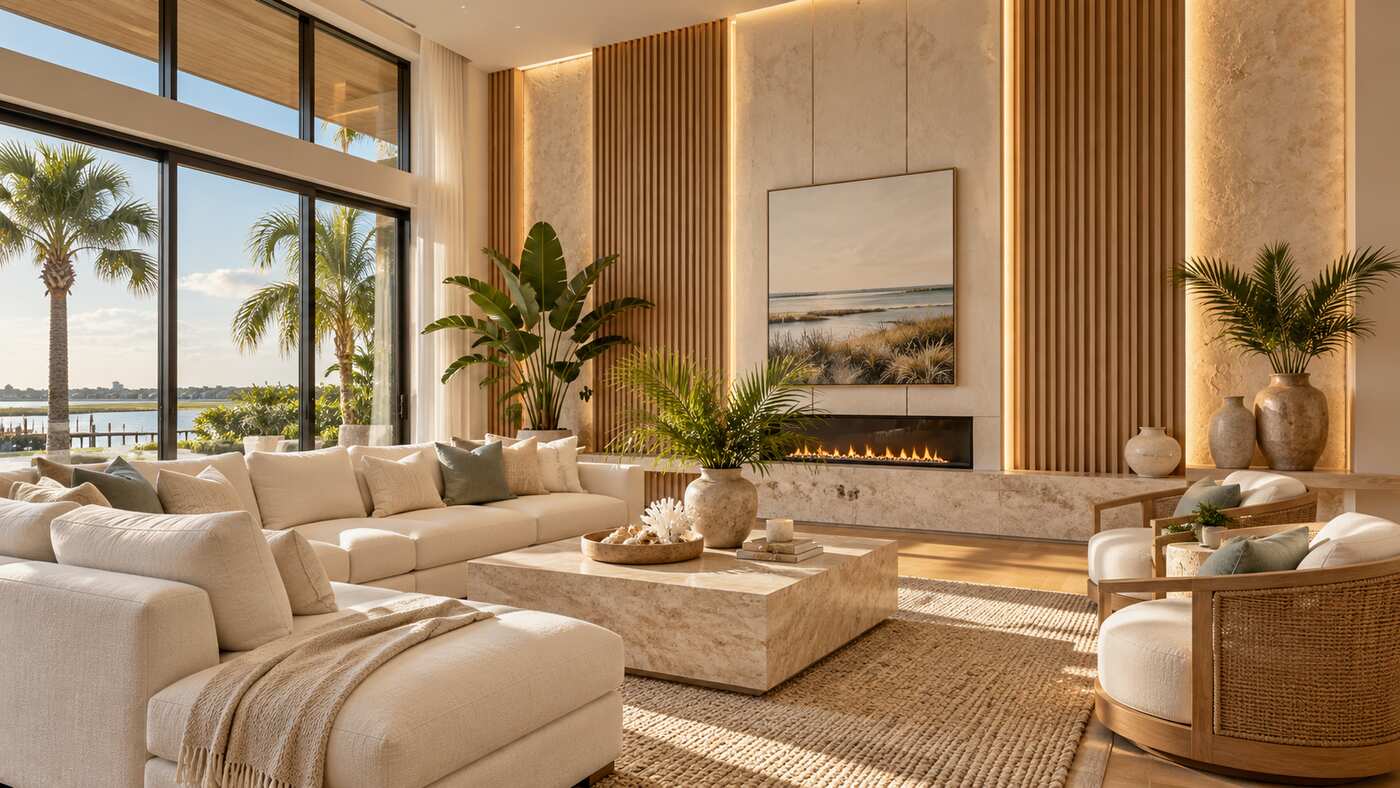
Wood slat walls are a popular option for homeowners seeking a contemporary interior with natural warmth.
These designs use vertical or horizontal strips of wood arranged in a consistent pattern.
The spaces between the slats create depth and visual rhythm.
Natural oak, walnut toned finishes, and other wood appearances can complement modern furniture and neutral color palettes.
Why Wood Slat Walls Work Well
Vertical wood slats can emphasize ceiling height and create an elegant architectural feature.
Horizontal arrangements may help visually widen certain rooms.
Wood slats can also provide a beautiful background for a television, sofa, or decorative console.
For St. Augustine homes inspired by coastal design, light wood finishes can create a relaxed and welcoming atmosphere.
Choosing Suitable Materials
Wood products respond to moisture and humidity.
Properly dried materials, appropriate finishes, and suitable installation details are important for Florida interiors.
Engineered panels may be appropriate for some designs, but their performance depends on the product specifications and environmental conditions.
Homeowners should confirm that the selected material is suitable for the intended room.
Do not install decorative panels over damp or damaged walls.
2. Classic Board and Batten Accent Walls
Board and batten wall treatments create architectural interest through raised strips or molding arranged across a flat surface.
The design can feature rectangular panels, vertical divisions, or carefully planned geometric patterns.
It works particularly well in bedrooms, dining rooms, entryways, and living rooms.
Traditional and Contemporary Designs
A traditional board and batten design may use evenly spaced rectangular sections.
A more modern arrangement might feature tall vertical panels extending toward the ceiling.
Neutral colors such as white, beige, light gray, and muted green can produce a timeless appearance.
Darker colors can create a more dramatic focal point.
Important Installation Considerations
Successful installation requires accurate measurements, level alignment, and careful preparation.
Uneven molding or inconsistent panel spacing can make the entire wall appear unbalanced.
The installer should also account for existing outlets, switches, baseboards, and door trim.
Finishing details such as caulking and painting affect the final appearance.
3. Coastal Shiplap Accent Walls
Shiplap is associated with relaxed, welcoming interiors and can complement many coastal inspired homes.
It creates a repeated plank appearance, often using horizontal boards.
Some homeowners prefer traditional white shiplap, while others select natural wood or muted colors.
Shiplap can be effective in bedrooms, family rooms, hallways, and selected dining spaces.
Coastal Color Combinations
White panels paired with natural oak furniture can create a bright interior.
Soft blue, muted sage, sandy beige, and warm gray may also complement a coastal palette.
Decorative elements such as woven rugs, linen upholstery, and ceramic accessories can complete the appearance.
The goal is to create a balanced room rather than fill every surface with coastal themed decorations.
Is Shiplap Suitable for Florida Humidity?
Shiplap may be suitable for conditioned indoor spaces when the materials and installation methods are appropriate.
However, wood and wood based products can be affected by sustained moisture exposure.
A painted surface is not a substitute for correcting leaks or excessive humidity.
Select products intended for the installation environment and follow the manufacturer’s recommendations for preparation, fastening, and finishing.
4. Elegant Textured Plaster Accent Walls
Textured plaster can create a refined, understated appearance without relying on elaborate trim or decorative panels.
These finishes use surface variation to create subtle shadows and depth.
Depending on the product and application method, the wall may appear smooth, lightly textured, or deliberately irregular.
Textured finishes are often used in minimalist, Mediterranean inspired, and contemporary interiors.
Popular Textured Wall Finishes
Different products can create different appearances.
Decorative plaster may produce a natural mineral look.
Certain lime based finishes create soft tonal variation.
Specialized decorative coatings can imitate the appearance of concrete or other materials.
However, each product has different substrate, moisture, application, and maintenance requirements.
Products described as limewash, plaster, or microcement should not automatically be treated as interchangeable.
Professional Surface Preparation
The quality of a textured wall depends heavily on the underlying surface.
Cracks, loose paint, contamination, and uneven substrates can interfere with adhesion.
Some products require specialized primers or application methods.
Homeowners should request a sample area before approving the entire wall.
This helps confirm texture, color, and how the finish appears under the room’s lighting.
5. Decorative Stone and Tile Feature Walls
Stone inspired walls can create a distinctive appearance in living rooms, dining areas, and entryways.
Depending on the design, homeowners may choose natural stone, manufactured stone veneer, porcelain tile, or other suitable decorative products.
Stone surfaces can complement modern architecture, rustic furniture, and Mediterranean influenced interiors.
Selecting the Right Stone Appearance
Light limestone inspired finishes can produce a warm neutral atmosphere.
Textured stacked stone may create a more dramatic feature.
Large format porcelain tiles can provide a streamlined appearance with fewer visible grout lines.
The best choice depends on room size, surrounding materials, and maintenance preferences.
Structural and Installation Requirements
Stone and tile products vary substantially in weight.
Some installations require specialized substrates, approved adhesives, mechanical support, or additional structural assessment.
Heavy cladding should never be installed using a method intended only for lightweight decorative panels.
Wall preparation, proper support, and manufacturer approved installation methods are essential.
6. Modern Geometric Accent Walls
Geometric accent walls introduce visual interest through carefully planned shapes, angles, and repeated patterns.
The design may use decorative molding, contrasting paint colors, or dimensional panels.
This approach works well in contemporary bedrooms, home offices, and living rooms.
Creating a Balanced Geometric Design
A successful geometric pattern should complement the proportions of the room.
Large shapes can create a bold visual effect, while smaller repeated patterns may appear more detailed.
The arrangement should consider furniture placement and nearby architectural features.
For example, a geometric wall behind a bed may use a centered composition that aligns with the headboard.
Choosing the Right Colors
Neutral geometric patterns can create subtle architectural interest.
Contrasting colors produce a more noticeable design.
Charcoal, navy, muted green, warm beige, and natural wood tones are possible options.
Avoid selecting too many competing colors unless the overall interior supports a more expressive design.
7. Custom Built In Accent Walls With Lighting
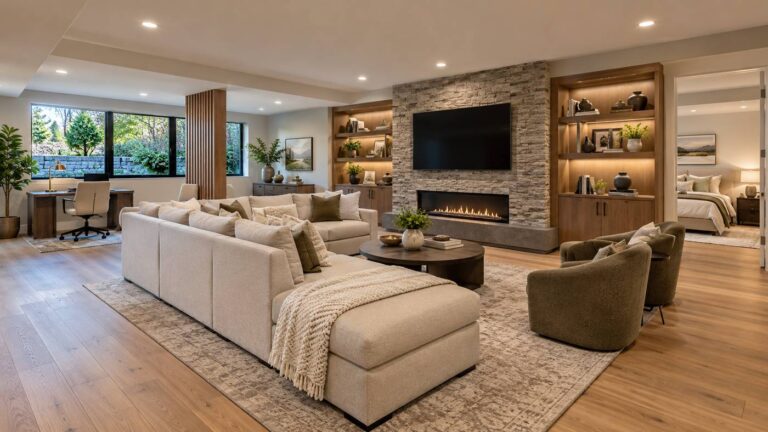
Built in feature walls combine decorative finishes with practical elements such as shelving, cabinetry, and integrated lighting.
They can be especially useful when homeowners want to improve both appearance and storage.
A custom entertainment wall, for example, may incorporate a television area, concealed cable routing, shelves, and carefully positioned lighting.
Living Room Entertainment Walls
An entertainment wall can create a focal point while organizing electronic equipment.
Materials may include wood panels, painted cabinetry, decorative trim, and suitable stone inspired finishes.
The design should account for ventilation around electronics, access to electrical connections, and future equipment replacement.
Integrated LED Lighting
Lighting can emphasize architectural textures and provide additional ambient illumination.
However, integrated lighting should use compatible electrical components installed according to applicable requirements.
Professional electrical assistance may be necessary when new wiring, circuits, or concealed connections are involved.
A beautiful design should never compromise electrical safety or access to required equipment.
Custom Accent Walls St. Augustine FL: Choosing the Right Design for Each Room
Different rooms have different design priorities.
The most effective accent wall should support the function of the space rather than compete with it.
Living Room Accent Walls
Living rooms often provide an ideal location for a decorative focal point.
The wall behind a sofa or entertainment center may be a suitable choice.
Wood slats, textured finishes, or decorative molding can work well.
Choose a design that complements the room’s furniture and natural lighting.
Bedroom Feature Walls
The wall behind the bed is a common location for an accent treatment.
Board and batten, upholstered panels, and subtle wood textures can create a calm atmosphere.
Soft neutral colors may be appropriate for homeowners who want a relaxing bedroom.
Consider how the wall will look with bedside lighting and existing furniture.
Dining Room Accent Walls
Dining rooms can benefit from elegant decorative molding, textured plaster, or carefully selected wall panels.
These details help define the dining area without requiring extensive furniture changes.
For open plan properties, an accent wall may visually separate the dining space from nearby living areas.
Home Office Accent Walls
A home office feature wall can create an attractive background for video meetings.
Wood paneling, muted colors, and organized shelving may provide a professional appearance.
Avoid overly reflective materials that create glare on screens.
The design should also leave sufficient room for work equipment and storage.
How Florida’s Humid Climate Affects Accent Wall Materials
One important consideration for custom accent walls St. Augustine FL is the area’s warm and humid coastal environment.
Indoor moisture conditions can influence material selection and installation.
Wood, drywall, adhesives, and certain decorative finishes may be affected by persistent dampness.
Control Indoor Humidity
The U.S. Environmental Protection Agency recommends keeping indoor relative humidity below 60%, ideally between 30% and 50% where practical.
Humidity levels can be monitored using a hygrometer.
Air conditioning and appropriate dehumidification can help control moisture in Florida homes.
However, moisture problems caused by leaks or poor drainage must be corrected directly.
Inspect the Wall Before Installation
Before installing decorative treatments, check for signs of water damage.
These may include stains, peeling paint, swollen baseboards, musty odors, or visible mold.
Covering damaged surfaces can conceal the symptoms without correcting the cause.
A qualified professional should investigate significant moisture concerns before installation.
Select Appropriate Wall Materials
Different products respond differently to moisture exposure.
Some engineered materials have specific moisture resistant properties, while others are intended only for dry interior conditions.
Stone, tile, and some mineral based finishes may be suitable in particular applications, but their installation systems must also manage moisture correctly.
Moisture resistance does not mean a wall assembly is waterproof.
Do not add unapproved vapor barriers or impermeable layers that could trap moisture within an existing wall.
How to Plan a Professional Accent Wall Installation
Thoughtful preparation helps reduce unexpected problems and achieve a more consistent finished appearance.
Step 1: Evaluate the Existing Space
Begin by measuring the wall and identifying permanent features.
Consider doors, windows, baseboards, outlets, switches, and air vents.
Look at how sunlight enters the room and how nearby furniture affects the composition.
The accent wall should complement these existing elements.
Step 2: Select the Design and Materials
Choose an accent wall concept that matches the home’s architecture.
Request samples of wood, paint, paneling, tile, or textured finishes.
Evaluate the samples under the room’s natural and artificial lighting.
A finish that looks attractive in a showroom may appear different in your home.
Step 3: Prepare the Wall
The installation surface should be clean, dry, stable, and suitable for the selected material.
Depending on the project, preparation may include minor repairs, surface leveling, priming, or removal of unsuitable finishes.
Damaged substrates may need replacement.
For older buildings, additional precautions may be required before disturbing existing painted surfaces.
Step 4: Complete the Installation
Professional installers should follow appropriate alignment, fastening, adhesive, and finishing requirements.
Decorative molding requires consistent spacing and careful cutting.
Wood panels need suitable fastening and allowance for material movement where specified.
Heavy wall finishes require support systems appropriate for their weight.
Step 5: Inspect the Finished Wall
After installation, check alignment, surface consistency, visible joints, edges, and finish quality.
Confirm that outlets, switches, and other necessary features remain accessible and safe.
Ask for cleaning and maintenance instructions specific to the installed product.
Custom Accent Walls in Historic St. Augustine Homes
St. Augustine contains properties with important architectural and historical characteristics.
Homeowners renovating older structures should consider how proposed improvements interact with original building materials.
Decorative work that damages historic surfaces may be difficult to reverse.
Planning Custom Accent Walls St. Augustine FL in Older Properties
Before removing existing plaster, trim, or wall materials, determine whether they contribute to the home’s historic character.
Preserving original features may be preferable to replacing them with contemporary finishes.
Reversible design approaches can be useful when appropriate.
The City of St. Augustine operates historic preservation review procedures for certain properties and work within designated historic districts.
These reviews commonly concern exterior alterations and other regulated work. A purely decorative interior accent wall does not automatically require Historic Architectural Review Board approval.
However, permits or other approvals may still apply depending on the scope of construction, property status, and location.
Confirm requirements with the relevant city or county authority before beginning regulated work.
Important Considerations for Homes Built Before 1978
Older homes may contain lead based paint.
Renovation work that disturbs painted surfaces can release hazardous dust.
The EPA’s Renovation, Repair and Painting Rule generally requires covered contractors working on pre-1978 housing to use certified firms and lead safe work practices.
Homeowners should verify applicable requirements and avoid unsafe sanding or demolition.
How Much Do Custom Accent Walls Cost in St. Augustine FL?
The cost of a custom accent wall depends on the design, materials, size, preparation work, and installation complexity.
A simple painted feature wall may require fewer materials and less labor than a complete custom entertainment wall.
Natural wood, detailed molding, decorative stone, and integrated cabinetry can involve additional fabrication and finishing.
Factors That Influence Accent Wall Pricing
Important considerations include:
- Total wall dimensions
- Material type and quality
- Existing wall condition
- Decorative design complexity
- Custom fabrication requirements
- Finishing and painting
- Electrical or lighting work
- Labor and installation requirements
- Cleanup and project preparation
Because costs vary between contractors and projects, request local written estimates.
Make sure each estimate describes the same materials and scope of work.
Is a Custom Accent Wall Worth the Investment?
An accent wall may improve the appearance and everyday enjoyment of a room.
It can also create a more distinctive interior presentation.
However, an increased property resale value is not guaranteed.
The financial effect depends on design quality, buyer preferences, the local property market, and installation cost.
Homeowners should prioritize a design that suits their lifestyle and existing property.
How to Choose Accent Wall Contractors in St. Augustine
Selecting the right contractor can influence workmanship, scheduling, and the finished appearance.
Look for professionals with relevant experience in decorative wall installations.
A contractor who regularly performs custom trim work may have different expertise from one specializing in stone cladding or cabinetry.
Review Previous Projects
Ask to see completed installations that resemble your preferred design.
Look for consistent alignment, clean edges, appropriate finishing, and thoughtful material combinations.
Photographs can be useful, but they should be genuine examples of the contractor’s work.
Discuss Material Suitability
Ask how the proposed materials will perform in your particular home.
The installer should understand surface preparation, moisture concerns, and manufacturer requirements.
For more complicated projects, ask who will handle specialized electrical or structural work.
Request a Detailed Written Quote
A professional estimate should describe the design, material specifications, installation scope, schedule, payment terms, and relevant warranties.
Clarify whether surface preparation and finishing are included.
Avoid approving substantial work based only on an informal verbal price.
How to Maintain Custom Accent Walls
Proper care depends on the installed material.
Painted walls may require gentle cleaning with manufacturer approved products.
Wood paneling should be protected from prolonged moisture exposure.
Textured plaster may require special cleaning methods to avoid changing its appearance.
Routine Cleaning
Remove ordinary dust using methods appropriate for the surface.
Avoid abrasive cleaners that can damage decorative finishes.
For wood products, follow the manufacturer’s recommendations concerning moisture and cleaning.
Monitor for Moisture Problems
Inspect the surrounding wall for discoloration, swelling, or unexpected changes.
If water damage develops, investigate the cause promptly.
Decorative coverings should not be used to hide active moisture problems.
Protect the Finish
Avoid mounting heavy artwork, shelves, or televisions without suitable support.
Use fasteners designed for the wall construction and intended loads.
Repair minor damage using compatible materials whenever possible.
Common Accent Wall Design Mistakes to Avoid
One common mistake is selecting a pattern that overwhelms the room.
A large, highly detailed feature wall may look attractive in a spacious showroom but feel too busy in a smaller bedroom.
Another mistake is mixing too many competing materials.
Wood, stone, metal, and textured plaster can work together, but the composition requires careful planning.
Poor wall preparation is another frequent issue.
Decorative materials installed over damaged or damp surfaces may fail prematurely.
Finally, homeowners should avoid choosing materials solely because they are fashionable.
A successful accent wall should complement the property and remain practical for everyday use.
Frequently Asked Questions
1. What are the best custom accent walls for St. Augustine FL homes?
Popular options include wood slat walls, shiplap, board and batten, textured plaster, and decorative stone. The ideal choice depends on room design and material suitability.
2. Are wood accent walls suitable for Florida’s humid climate?
Yes, when appropriate materials, finishing methods, moisture control, and installation procedures are used. Existing dampness should be corrected before installation.
3. How much do custom accent walls cost in St. Augustine FL?
Costs vary according to wall size, materials, design complexity, preparation, and labor. Request an itemized local estimate for accurate project pricing.
4. Do custom accent walls require permits in St. Augustine?
Simple decorative treatments may not require permits, but structural, electrical, or other regulated changes can. Historic properties may involve additional considerations.
5. Which accent wall is best for a modern coastal living room?
Light wood slats, neutral textured plaster, and subtle board and batten designs can complement coastal interiors with natural textures and soft colors.
6. How long does custom accent wall installation take?
Installation time depends on the design and existing wall condition. Simple treatments may require relatively little work, while custom cabinetry or detailed finishes can take longer.
Conclusion
Custom accent walls St. Augustine FL offer homeowners a creative way to enhance interior spaces with distinctive textures, architectural details, and personalized designs. From coastal shiplap and natural wood slats to elegant molding and decorative stone, the right feature wall can complement a wide range of residential styles. Careful material selection, proper moisture management, and professional installation are especially important in Florida’s coastal environment. With thoughtful planning and regular maintenance, a custom accent wall can become a beautiful and functional part of your home for years to come.