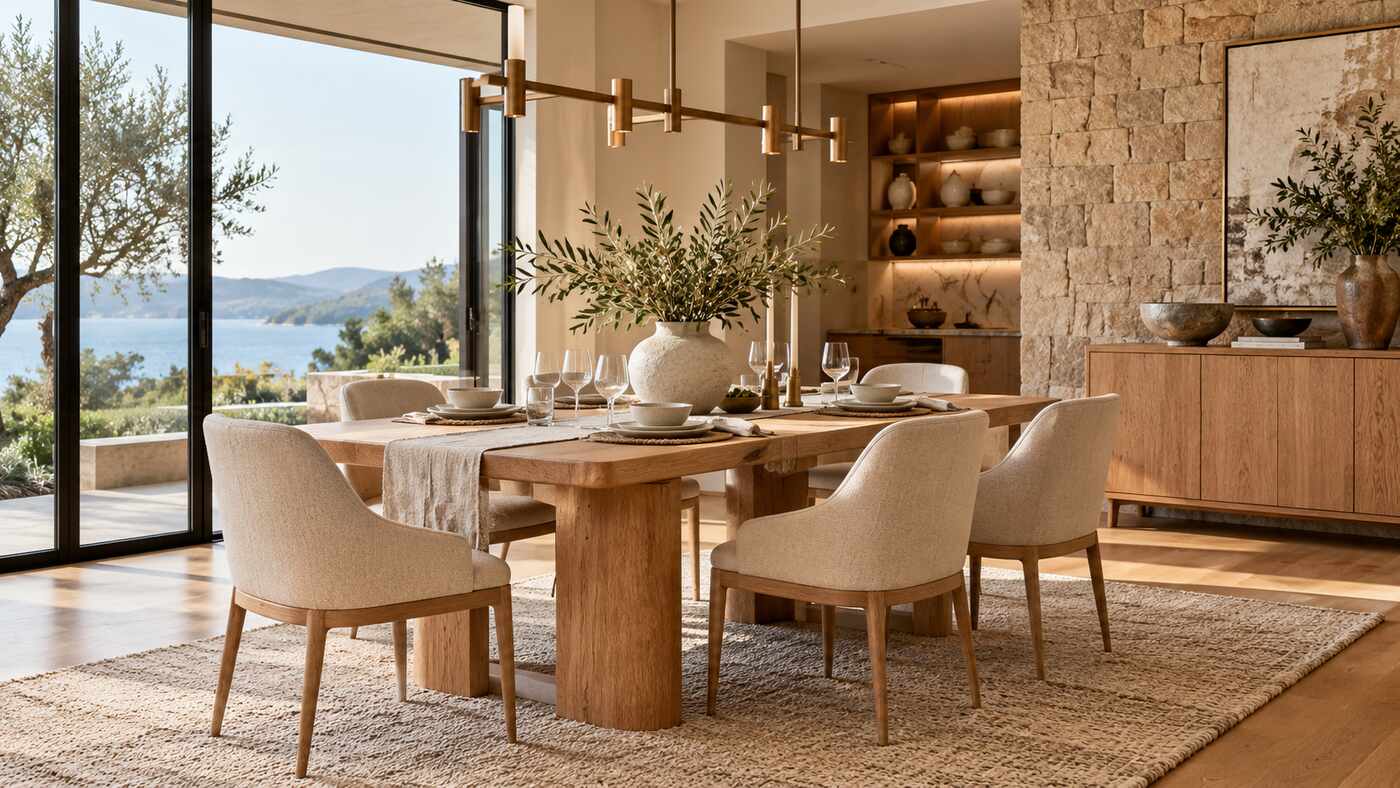
Oak Dining Tables: 7 Smart Ways to Choose Timeless Furniture for Your Home
The dining table is more than a place to enjoy meals. It brings family members together, creates space for conversations, and often becomes the centerpiece of a home’s interior design. Choosing oak dining tables allows homeowners to combine natural beauty, practical durability, and versatile styling in one essential piece of furniture. From elegant contemporary dining rooms to welcoming farmhouse kitchens, oak furniture can complement many different American home interiors.
Oak is a widely used hardwood valued for its recognizable grain, strength, and suitability for furniture construction. Available in various colors, shapes, finishes, and designs, oak dining furniture can accommodate different household sizes and decorating preferences.
However, not every oak table offers the same materials, construction quality, or long term value. Understanding the differences between solid oak, oak veneer, wood species, and finishing methods is important before making a purchase.
This guide explores seven practical considerations to help you select an attractive, functional dining table that suits your home and everyday lifestyle.
What Makes Oak Dining Tables a Popular Choice?
Oak is a hardwood commonly used for furniture, flooring, cabinetry, and architectural woodwork.
Its natural grain pattern creates visual interest, while its strength makes it suitable for dining tables that experience regular use.
Oak furniture can be finished in light, natural, medium, or dark tones, allowing it to coordinate with different interior design styles.
Unlike materials manufactured to imitate wood grain, genuine oak includes natural differences in color and texture.
These variations contribute to the character of each furniture piece.
Why Oak Works Well for Everyday Dining
Dining tables experience repeated contact with dishes, serving items, drinks, and other household objects.
A well constructed oak table can provide a stable dining surface when its wood has been properly dried, its joints are sound, and its finish suits everyday use.
Oak is relatively hard compared with several other common furniture woods.
According to the American Hardwood Information Center, typical Janka hardness values are approximately 1,360 pounds force for white oak and 1,290 pounds force for red oak.
However, hardness is only one aspect of durability.
The protective finish, construction method, and daily care also influence how the table performs.
7 Essential Tips for Choosing Oak Dining Tables
Buying a dining table involves more than selecting an attractive photograph.
These seven factors can help homeowners compare available options and choose furniture that suits their dining space.
1. Understand Solid Oak and Oak Veneer Construction
One of the first considerations is the material used to manufacture the table.
Furniture descriptions may include terms such as solid oak, oak veneer, engineered wood, or oak effect.
These materials are not interchangeable.
Solid Oak Dining Tables
A solid oak tabletop is made using pieces of genuine oak wood throughout the thickness of the top.
Manufacturers often join multiple boards to create the finished surface.
Solid oak can be attractive for homeowners who appreciate natural wood and want a table with substantial repair potential.
Depending on its construction and finish, a solid oak tabletop may be sanded and refinished when it becomes worn.
However, solid wood reacts to changes in humidity.
Quality construction must allow for this natural movement.
Oak Veneer Dining Tables
Oak veneer is a thin layer of genuine oak attached to a supporting material.
The core may be manufactured from plywood, medium density fiberboard, or another engineered material.
A well manufactured veneer table can provide an attractive wood surface with good dimensional stability.
Veneered construction may also allow particular furniture designs that would be more difficult or expensive using solid hardwood alone.
However, veneer generally has less material available for deep sanding and refinishing.
Oak Effect Furniture
Oak effect furniture uses a printed or manufactured surface intended to resemble oak.
It should not be confused with genuine solid oak or real wood veneer.
These products may be suitable for certain budgets, but buyers should understand exactly what materials they are purchasing.
The most important consideration is transparency about construction.
2. Choose Between White Oak and Red Oak
American furniture manufacturers commonly use red oak and white oak.
Both are hardwood groups suitable for indoor furniture, but their visual characteristics differ.
White Oak Dining Tables
White oak often features light brown, beige, or warmer natural tones.
Its grain can create a calm, refined appearance that works well in contemporary interiors.
Quarter sawn white oak may display distinctive ray patterns that add visual character.
White oak is frequently associated with minimalist, Scandinavian inspired, and modern traditional dining rooms.
However, the final appearance depends on the specific wood and finish.
Red Oak Dining Tables
Red oak often has warmer or slightly pinkish undertones.
Its grain may appear more pronounced, particularly under certain stains.
Red oak can work beautifully with traditional American furniture, rustic interiors, and classic dining spaces.
It can also be stained or finished to suit modern environments.
Which Oak Type Is Better?
Neither species is automatically superior for every dining table.
The American Hardwood Information Center explains that red and white oak differ primarily in appearance and wood structure, while both provide suitable strength for furniture applications.
Choose according to the grain, color, construction quality, and finish you prefer.
Compare actual wood samples rather than relying exclusively on product photographs.
3. Select the Right Table Shape and Size
A dining table should fit comfortably within the available room.
An oversized table can make movement difficult, while a table that is too small may not support everyday family needs.
Before purchasing, measure the dining area and consider how the surrounding space will be used.
Rectangular Oak Dining Tables
Rectangular tables are a practical option for many American homes.
They can accommodate multiple diners and work well in longer rooms.
A rectangular table can also provide space for serving dishes during family meals.
However, leg placement and table width affect seating comfort.
Round Oak Dining Tables
Round oak dining tables encourage conversation because seated guests face one another more directly.
They can work well in square dining rooms, breakfast areas, and certain open plan spaces.
Pedestal bases may provide flexible legroom, although the stability and design of the base should be examined carefully.
Oval and Square Dining Tables
Oval tables provide a softer visual appearance while offering seating along an elongated tabletop.
Square designs may suit smaller dining areas and households with relatively consistent seating needs.
Choose a shape that complements both the room and the way your family uses the space.
How Much Space Should You Leave Around the Table?
A useful furniture planning guideline is to allow approximately 24 inches of table edge per diner.
For chair movement, allow around 36 inches between the table edge and the nearest wall or furniture where practical.
Busy walkways may benefit from additional clearance.
These are general planning guidelines rather than universal requirements.
Dining chairs, accessibility needs, and room layout may require different dimensions.
4. Match the Table to Your Interior Design
Oak dining tables are available in styles ranging from traditional farmhouse designs to modern architectural furniture.
Selecting a style that complements your home can create a more cohesive dining environment.
Modern Oak Dining Tables
Modern designs often use clean lines, simple silhouettes, and restrained decorative details.
Light oak finishes can complement white walls, neutral upholstery, natural stone, and contemporary lighting.
Slim or sculptural legs may create a less visually heavy appearance.
The construction should still provide suitable support and stability.
Farmhouse Oak Dining Tables
Farmhouse dining tables often feature substantial tabletops, traditional legs, or trestle bases.
These designs can create a welcoming atmosphere for family meals and informal entertaining.
They work well with upholstered chairs, wooden benches, woven accessories, and natural textiles.
Rustic Oak Dining Tables
Rustic styles emphasize visible grain, natural color variation, and selected character features.
Depending on the design, the surface may include knots or deliberately textured finishing details.
These elements can add personality, but they should not interfere with cleaning or everyday use.
Scandinavian Inspired Oak Furniture
Scandinavian inspired furniture often emphasizes light wood, balanced proportions, and minimal decoration.
Natural oak finishes can complement simple dining chairs, muted colors, and uncluttered interiors.
This style is especially appealing for homeowners who want a bright and understated dining room.
5. Compare Protective Finishes and Surface Treatments
The finish on a dining table influences its appearance and maintenance requirements.
Even a strong hardwood can develop stains or surface damage when exposed to moisture, heat, or repeated abrasion.
Selecting a suitable finish is therefore essential.
Lacquered Oak Dining Tables
Lacquer creates a protective coating over the wood surface.
Depending on the product, it may offer useful resistance to everyday marks and cleaning.
Some lacquered finishes provide a glossy appearance, while others create a matte or satin look.
However, lacquered furniture is not completely scratchproof or heatproof.
Always follow the manufacturer’s cleaning instructions.
Oiled Oak Dining Tables
Oil finishes enhance the natural appearance and feel of oak.
They can create a warm, understated surface that emphasizes the wood grain.
Some oiled finishes allow localized maintenance using suitable approved products.
However, periodic reapplication may be necessary.
The maintenance schedule depends on the finishing system and usage.
Waxed Oak Dining Tables
Waxed finishes often create a soft traditional appearance.
They may suit certain rustic and classic furniture styles.
However, wax can require greater attention to moisture and heat exposure than some protective film finishes.
Which Finish Is Best for Family Dining?
For a household with children or frequent entertaining, an easy to clean protective finish may be a practical choice.
Homeowners who prioritize natural texture may prefer an oil based finish.
No treatment makes wood completely resistant to every form of damage.
Compare the manufacturer’s recommendations and consider how much maintenance you are comfortable performing.
6. Consider Extendable Oak Dining Tables
Not every household needs a large table throughout the year.
An extendable oak dining table offers additional seating when needed while allowing a more compact everyday arrangement.
This can be useful for families who regularly host celebrations or occasional dinner parties.
Common Extension Mechanisms
Some tables use removable leaves that are inserted when extra length is required.
Others contain integrated extension panels.
Certain designs feature a butterfly leaf mechanism that stores the additional tabletop section within the table.
The precise operation depends on the manufacturer.
What to Check Before Buying
Inspect whether the extension mechanism operates smoothly.
Check the alignment between the main tabletop and extension sections.
Ask about the stability of the table when fully extended.
Measure the room using the extended dimensions, not only the compact size.
Make sure there is enough space for additional chairs and comfortable movement.
Are Extendable Tables as Durable as Fixed Tables?
A well constructed extension table can provide dependable service.
However, the mechanism introduces additional components that should be maintained and used correctly.
Furniture quality depends on the design, materials, hardware, and assembly.
An extension system should not wobble excessively or require unreasonable force to operate.
7. Evaluate Craftsmanship and Long Term Value
A dining table may look beautiful in a showroom while hiding weaknesses in its construction.
Before purchasing, examine the details that influence stability, usability, and future maintenance.
Inspect Table Legs and Connections
The legs should attach securely to the tabletop or supporting frame.
Check whether the table feels stable under ordinary movement.
Look for properly fitted joints and consistent construction.
A large solid wood tabletop should use a fastening approach that accommodates normal seasonal wood movement.
Rigidly restraining a wide solid wood panel without allowance for movement can contribute to splitting or distortion.
Examine the Tabletop Surface
Look for consistent finishing and carefully prepared edges.
Natural color and grain variation are expected in genuine oak.
However, the surface should not contain obvious defects that interfere with the table’s intended use.
Confirm whether visible character marks are intentional design features.
Understand the Warranty
Review the manufacturer’s warranty before ordering.
Clarify coverage for structural defects, finish issues, manufacturing problems, and extension mechanisms.
Also confirm whether professional assembly is required for warranty coverage.
A clear written warranty provides useful information about the manufacturer’s obligations.
How to Style Oak Dining Tables in Modern American Homes
Oak furniture can complement many decorating styles without requiring an entire room redesign.
The most effective approach considers color, proportion, texture, and lighting.
Pair Oak With Neutral Upholstered Chairs
Beige, cream, gray, and warm white upholstery can create a soft contrast against oak grain.
Upholstered chairs may provide additional comfort for longer meals.
However, fabric selection should also consider cleaning requirements and household usage.
For busy family homes, practical upholstery can be as important as appearance.
Combine Oak With Metal Accents
Black metal dining chairs, lighting fixtures, and decorative hardware can create a contemporary look.
The contrast between warm natural wood and darker metal elements can be particularly effective in industrial inspired interiors.
Avoid overcrowding the space with too many competing finishes.
Use Natural Textiles and Decorative Accessories
Linen table runners, ceramic serving bowls, woven placemats, and simple floral arrangements can complement oak.
These accessories add texture without covering the entire tabletop.
A carefully selected centerpiece may enhance the dining area while leaving enough space for meals.
Choose Appropriate Dining Room Lighting
A pendant light or chandelier can help visually define the dining area.
Select lighting based on table dimensions, ceiling height, and room proportions.
Lighting should illuminate the table comfortably without creating excessive glare.
Warm lighting can emphasize oak’s natural color and texture.
How Many People Can Sit at an Oak Dining Table?
Seating capacity depends on the tabletop dimensions, base design, and chair sizes.
A four person dining arrangement may work with a compact rectangular or round table.
A six person rectangular arrangement commonly uses a table around 60 to 72 inches long, although more generous spacing may require additional length.
Larger tables can accommodate eight or more diners when their dimensions and leg positions allow.
Consider Chair Width
Dining chairs with armrests often require more space than slim side chairs.
A table advertised for six people may feel crowded with six wide upholstered chairs.
Always compare the actual chair dimensions with the usable table edge.
Measure Before Ordering
Measure the available floor area, nearby furniture, door openings, and circulation routes.
For extendable tables, repeat the calculation using the maximum length.
Check that delivery personnel can move the table through doorways, staircases, and hallways.
An attractive table is not a practical choice if it cannot be transported into the intended room.
Are Solid Oak Dining Tables Worth the Investment?
Solid oak furniture can provide long term value when it is properly constructed and maintained.
One potential advantage is repairability.
A solid oak tabletop may allow refinishing when the protective coating becomes worn or the surface develops damage.
However, this depends on the table’s construction and the type of finish applied.
Durability Depends on More Than Wood Species
The table’s overall performance depends on several factors:
- Properly dried wood
- Quality joinery and structural design
- Appropriate surface finishing
- Stable support and leg construction
- Suitable indoor environmental conditions
- Regular care and maintenance
A poorly constructed solid oak table may perform worse than a carefully manufactured table using a combination of solid wood and quality veneer.
The material label alone does not determine value.
Think About Total Ownership Costs
Consider the purchase price alongside delivery, assembly, maintenance, and potential repair expenses.
A less expensive table may be suitable for temporary accommodation or occasional dining.
A more substantial piece may appeal to homeowners planning to keep their furniture for many years.
Choose according to realistic usage rather than assuming the most expensive option is always better.
How to Clean and Maintain Oak Dining Tables
Proper maintenance helps protect natural wood and preserve the appearance of the finish.
Oak is durable, but it still requires sensible care.
Clean the Table Regularly
Remove dust and loose debris using a clean, soft cloth.
Use cleaning products recommended by the furniture manufacturer.
Some finishes can tolerate a lightly dampened cloth, followed by immediate drying.
Avoid soaking the surface.
Excess moisture can damage finishes or affect the wood over time.
Wipe Spills Promptly
Water, juice, sauces, and other liquids should be cleaned up promptly.
Do not allow standing moisture to remain on the surface or around joints.
The American Hardwood Information Center recommends using coasters, pads, and runners to protect hardwood furniture against spills and water rings.
Protect Against Heat
Use suitable trivets or heat resistant pads beneath hot serving dishes.
Do not assume a lacquered or oiled tabletop can safely withstand direct contact with hot cookware.
Heat can damage finishes even when the underlying wood remains structurally sound.
Manage Sunlight Exposure
Direct sunlight may gradually change the color of wood and certain furniture finishes.
Curtains, blinds, or thoughtful furniture placement can reduce prolonged exposure.
Natural color changes are part of how many wood products age, but uneven exposure may produce noticeable differences.
Maintain Stable Indoor Conditions
Wood responds to moisture in the surrounding air.
Research published by the USDA Forest Service explains that changes in moisture content can influence wood dimensions.
Large seasonal humidity changes may contribute to movement, gaps, or distortion.
Avoid placing solid oak furniture directly beside strong heating sources where possible.
Follow the furniture manufacturer’s environmental recommendations.
Common Mistakes to Avoid When Buying Oak Dining Tables
One common mistake is assuming every product described as oak furniture is made entirely from solid oak.
Always check the material specifications.
Another mistake is ordering a table without measuring the room.
Retail photographs may show furniture in spacious settings that differ significantly from your home.
Homeowners should also avoid choosing finishes based solely on appearance.
A beautiful untreated or delicately finished surface may require more care than expected.
Ignoring seating comfort is another frequent problem.
Check chair width, table height, and legroom before making a final decision.
Finally, avoid relying entirely on advertised discounts.
A strong purchasing decision considers actual construction quality, warranty coverage, delivery requirements, and suitability for everyday use.
How to Choose the Best Oak Dining Table for Your Lifestyle
The right table should reflect how you use your dining space.
A family with young children may prioritize easy cleaning, rounded corners, and a durable finish.
A couple living in an apartment may prefer a smaller round oak table.
A household that hosts regular celebrations might benefit from an extendable rectangular design.
For Everyday Family Meals
Choose a stable tabletop with adequate space for daily dining.
A practical finish and comfortable chairs can make maintenance easier.
For Small Dining Rooms
Consider compact round tables or carefully sized rectangular designs.
Look for leg arrangements that maximize usable seating.
Avoid selecting oversized furniture simply because the design is attractive.
For Frequent Entertaining
An extendable oak table may provide flexibility without occupying excessive room throughout the year.
Check its full extension dimensions and seating comfort.
For Long Term Furniture Ownership
Compare solid wood construction, joinery, finish repairability, warranty terms, and maintenance requirements.
A carefully selected dining table should support both your present lifestyle and reasonable future needs.
Frequently Asked Questions
1. Are oak dining tables durable?
Yes. Oak is a relatively hard wood suitable for everyday furniture. Durability also depends on construction quality, protective finishes, environmental conditions, and regular maintenance.
2. What is the difference between red oak and white oak dining tables?
White oak often features paler or brownish tones, while red oak may have warmer or reddish undertones. Both are suitable hardwoods for dining furniture.
3. Are solid oak dining tables better than oak veneer tables?
Solid oak generally offers greater potential for deep refinishing, while quality oak veneer can provide attractive, dimensionally stable surfaces. The best choice depends on construction, budget, and intended use.
4. How do I protect an oak dining table from scratches?
Use placemats, coasters, and suitable protective pads. Avoid dragging sharp or heavy objects across the surface and follow the manufacturer’s cleaning recommendations.
5. What size oak dining table is best for six people?
A rectangular table approximately 60 to 72 inches long may accommodate six people, depending on chair dimensions and leg placement. Larger dimensions can provide more comfort.
6. Can oak dining tables be refinished?
Many solid oak tables can be refinished, depending on their construction and surface treatment. Veneered tables generally have more limited sanding and refinishing options.
Conclusion
Oak dining tables offer a versatile combination of natural beauty, practical strength, and timeless interior style for American homes. Choosing the right table involves understanding wood construction, selecting appropriate dimensions, comparing finishes, and evaluating craftsmanship. Regular cleaning and suitable environmental conditions can help preserve the furniture’s appearance and performance. With thoughtful selection and proper care, an oak dining table can remain a welcoming centerpiece for everyday meals and memorable family gatherings