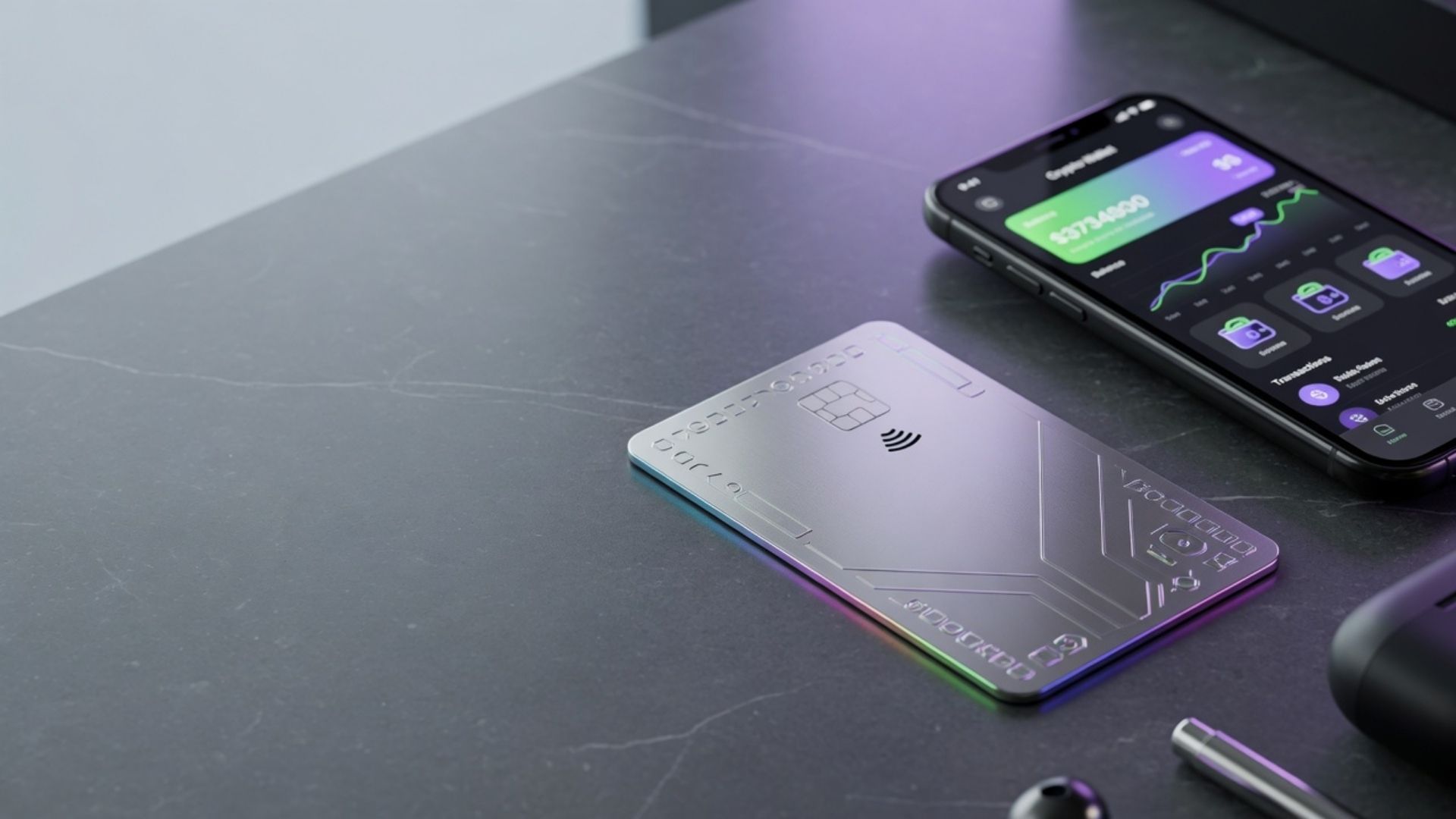
The modern Crypto Card: 5 Smart Features for Better Global Spending
The gap between decentralized digital finance and everyday consumer spending has been steadily narrowing. For years, cryptocurrency holders faced a frustrating dilemma. They could hold substantial wealth in digital assets, yet struggle to use that wealth for simple daily purchases like a cup of coffee or groceries. Converting cryptocurrency to local fiat currency often required lengthy bank transfers, manual selling on exchanges, and unwanted delays. However, the financial technology landscape has shifted dramatically. Today, a modern Crypto Card serves as a vital bridge, allowing users to spend their digital assets instantly anywhere traditional cards are accepted.
This evolution represents much more than a simple payment upgrade. It signifies the integration of blockchain technology into mainstream financial infrastructure. A modern Crypto Card automatically handles the complex backend processes of cryptocurrency conversion, allowing users to transact seamlessly. As these cards become increasingly popular, understanding their mechanics, benefits, and limitations is essential for anyone looking to utilize their digital assets in the real world. This comprehensive guide explores how these cards function, their standout features, and what consumers should consider before acquiring one.
How a modern Crypto Card Works at the Point of Sale
To understand the value of a modern Crypto Card, one must first understand the mechanics behind a transaction. When a user taps their card at a payment terminal, a highly synchronized sequence of events occurs in the background within seconds. The user does not see this process, but it is what makes everyday crypto spending possible.
The Authorization and Conversion Process
When the card is swiped or tapped, the merchant’s payment terminal sends an authorization request through the traditional card networks, such as Visa or Mastercard. The request reaches the card issuer, which is usually a fintech company partnered with a licensed banking entity. At this exact moment, the issuer’s system checks the user’s cryptocurrency wallet balance to ensure sufficient funds are available.
If the balance is adequate, the system automatically calculates the exact amount of cryptocurrency needed to cover the fiat purchase price. The system then liquidates that specific amount of cryptocurrency in real-time on a partnered liquidity exchange. The fiat currency is sent to the card network to settle the transaction with the merchant. Finally, an approval signal is sent back to the payment terminal. All of this happens in mere seconds. The user experiences a normal card transaction, while the backend handles the complex crypto-to-fiat conversion.
Supported Card Networks and Global Acceptance
A crucial factor in the success of a modern Crypto Card is its reliance on established card networks. Most crypto cards operate on Visa or Mastercard rails. This strategic decision guarantees global acceptance. Because merchants do not need special hardware or software to accept crypto, the card functions identically to a traditional debit or credit card. Consequently, users can use their digital assets in over a hundred countries, withdraw cash from ATMs, and make online purchases without friction. This global interoperability is a primary reason why these cards have gained massive traction among frequent travelers and digital nomads.
Key Features of a modern Crypto Card
The market for crypto payment solutions is highly competitive. As a result, issuers have introduced a variety of features to attract users. A true modern Crypto Card goes beyond basic conversion, offering financial tools that rival and sometimes exceed those of premium traditional banking products.
Real-Time Auto-Conversion
The most defining feature is real-time auto-conversion. Users do not need to manually sell their Bitcoin, Ethereum, or stablecoins before going to the store. The card’s linked application manages the liquidity process dynamically. Furthermore, many platforms allow users to set preferences for which asset is sold first. For example, a user might configure the card to spend from their stablecoin balance first to avoid liquidating appreciating assets like Bitcoin. This level of granular control provides both convenience and strategic financial management.
Cryptocurrency Cashback and Rewards
To incentivize usage, many issuers offer competitive reward structures. Unlike traditional cards that offer airline miles or fiat cashback, a modern Crypto Card typically offers cryptocurrency rewards. Users might earn a percentage of their total spending back in Bitcoin, Ethereum, or the platform’s native utility token. These rewards are automatically deposited into the user’s wallet. This feature allows users to passively accumulate digital assets through everyday spending. However, users should always review the terms, as reward rates sometimes fluctuate based on the platform’s staking requirements or monthly spending tiers.
Virtual Cards for Secure Online Shopping
Security is a major concern for online shoppers. To address this, modern providers issue virtual cards alongside physical ones. A virtual modern Crypto Card can be generated instantly within the mobile app. It features a unique card number, expiration date, and CVV separate from the physical card. Users can use virtual cards for e-commerce purchases, subscriptions, or one-time payments. If a website is compromised, the virtual card can be frozen or deleted instantly without affecting the user’s primary physical card. Some platforms even allow users to generate multiple virtual cards to segregate different online services.
Integration with Apple Pay and Google Pay
The integration of crypto cards into mobile payment ecosystems has been a game-changer for adoption. A physical card is no longer necessary for daily transactions. By linking a modern Crypto Card to Apple Pay or Google Pay, users can make contactless payments directly from their smartphones or smartwatches. This integration aligns perfectly with the mobile-first nature of the cryptocurrency community. It also adds an extra layer of security, as mobile wallet transactions require biometric authentication, such as Face ID or fingerprint scanning, before the payment is authorized.
Staking Tiers and Fee Reductions
Many crypto card programs are tied to broader ecosystem loyalty tiers. If a user holds and stakes a certain amount of the platform’s native cryptocurrency, they unlock higher-tier cards. These premium tiers often come with higher cashback percentages, zero foreign transaction fees, free ATM withdrawals, and even subscriptions to streaming services. While staking requires locking up capital, the ongoing benefits can significantly offset the cost of living for active users. Therefore, evaluating the staking requirements is a crucial step before committing to a specific card provider.
The Financial Mechanics: Spreads, Fees, and Limits
While the utility of a crypto card is obvious, the underlying financial mechanics determine its true cost. Issuers must generate revenue, and they do so through various channels that users must understand. A modern Crypto Card is rarely entirely free to operate, and failing to understand the fee structure can lead to unexpected costs.
Understanding Exchange Rate Spreads
The most common way crypto card issuers generate revenue is through the exchange rate spread. When a transaction is converted from crypto to fiat, the platform may apply a small percentage markup on the market exchange rate. For example, if Bitcoin is trading at $40,000, the platform might process the conversion at an internal rate of $40,050. This difference is the spread. While a 0.5% or 1% spread might seem negligible on a small purchase, it compounds significantly over time and across large transactions. Therefore, users should compare the stated spread rates of different providers when choosing a card.
Transaction and Maintenance Fees
Beyond spreads, users must be aware of explicit fees. Some cards charge a monthly maintenance fee, though this is becoming less common in highly competitive markets. More frequently, users encounter foreign transaction fees when making purchases outside their home currency. ATM withdrawal fees are also a major consideration. Withdrawing cash from an ATM using a crypto card often incurs a flat fee plus a percentage of the withdrawn amount. Additionally, network gas fees apply when moving cryptocurrency from a personal cold wallet to the card provider’s hot wallet. A transparent provider will clearly list all potential fees in their terms of service.
Managing Volatility During Spending
Cryptocurrency is inherently volatile. This volatility presents a unique challenge for card users. If the market crashes suddenly, the purchasing power of a crypto wallet can diminish rapidly. Conversely, if the market surges, users might find themselves reluctant to spend assets that are appreciating in value. To mitigate volatility risks, many users prefer to fund their crypto cards with stablecoins. Stablecoins are pegged to fiat currencies, usually the US Dollar, meaning their value remains steady. Using stablecoins for daily spending allows users to enjoy the technological benefits of a modern Crypto Card without exposing their daily budget to market swings.
Security Architecture of a modern Crypto Card

Security is the cornerstone of any financial product, but it is especially critical in the cryptocurrency sector. The irreversible nature of blockchain transactions means that stolen funds are rarely recovered. Consequently, a modern Crypto Card must employ rigorous security architectures to protect user funds from both external hackers and internal fraud.
Biometric App Access and Instant Freezing
The primary layer of security begins with the user’s smartphone. Accessing the card management app requires biometric authentication or a strong PIN. If a user loses their physical card, they do not need to call a support line. They can instantly freeze the card via the app, rendering it useless to anyone who finds it. This instant freezing capability extends to virtual cards and specific merchant authorizations. Users have granular control over where and how their card can be used, restricting it to specific regions or disabling online purchases entirely if desired.
Dynamic CVV and Tokenization
To combat online card theft, some premium crypto cards feature dynamic CVV technology. The three-digit security code on the back of the card changes periodically throughout the day. The current code is displayed in the user’s mobile app. If a hacker intercepts a static CVV during an online purchase, the code will soon become useless for future transactions. Furthermore, the integration of tokenization through Apple Pay and Google Pay means the actual card number is never transmitted to the merchant, drastically reducing the risk of data breaches.
KYC and AML Compliance
A legally operating modern Crypto Card is subject to the same Know Your Customer (KYC) and Anti-Money Laundering (AML) regulations as traditional bank cards. Before a card is issued, the user must provide government-issued identification and verify their address. While some crypto purists dislike this level of surveillance, it is a legal necessity for operating on Visa and Mastercard networks. This compliance protects the ecosystem from illicit activities and ensures that legitimate users can spend their assets without their accounts being suddenly frozen due to suspicious activity flags.
Tax Implications of Spending Cryptocurrency
One of the most overlooked aspects of using a crypto card is the tax impact. Many users assume that spending crypto via a card is a simple transaction. However, in many jurisdictions, including the United States and the United Kingdom, cryptocurrency is treated as property for tax purposes. This means that every time a modern Crypto Card liquidates crypto to pay a merchant, a taxable event occurs.
Capital Gains and Losses
When the card system sells a fraction of Bitcoin to cover a coffee purchase, the user is technically disposing of an asset. If the Bitcoin was purchased at a lower price than its current market value, the user realizes a capital gain and may owe taxes on that gain. Conversely, if the crypto was purchased at a higher price, the user realizes a capital loss. Tracking these micro-transactions can be a bookkeeping nightmare at tax time. Users must export their transaction history and calculate the cost basis for every single card swipe.
Using Stablecoins to Simplify Taxes
To avoid complex capital gains tracking on everyday purchases, many tax-conscious users fund their crypto cards exclusively with stablecoins. Because stablecoins are pegged to fiat currency, buying a $5 coffee with $5 worth of stablecoins generally results in no capital gain or loss. The cost basis remains stable. This strategy simplifies tax reporting significantly while still allowing the user to utilize blockchain infrastructure for their spending. However, users should always consult a certified tax professional in their specific jurisdiction, as tax laws regarding digital assets remain subject to change and interpretation.
Choosing the Right modern Crypto Card for Your Needs
With numerous fintech companies offering crypto cards, selecting the right one requires careful evaluation. The best card for a frequent traveler may not be the best card for a casual user. When comparing options, prospective users should look beyond the marketing materials and analyze the core functionality of each modern Crypto Card.
Evaluating Supported Assets
First, check which cryptocurrencies the platform supports. If a user holds a diverse portfolio of altcoins, they need a card that supports those specific assets, or at least allows auto-conversion from them. Some cards only support major assets like Bitcoin and Ethereum, forcing users to manually swap their altcoins into accepted currencies first. The ideal card supports a wide variety of assets, giving users the flexibility to spend from different parts of their portfolio.
Assessing Geographic Availability
Geographic restrictions are a major hurdle. Not all crypto cards are available in all countries. Regulatory differences mean a card issuer might operate seamlessly in the European Union but be completely unavailable in the United States, or vice versa. Users must verify that the modern Crypto Card they are interested in is fully licensed and supported in their country of residence. Furthermore, they should check for foreign transaction fees if they plan to use the card while traveling internationally.
Comparing Reward Structures vs. Staking Requirements
Finally, users must weigh the reward benefits against the capital requirements. A card offering 5% cashback in crypto sounds incredibly appealing. However, if that tier requires staking $50,000 worth of the platform’s native token, it may not be practical or safe for the average user. Staking locks up capital in a potentially volatile asset. If the token’s value drops, the user loses far more than they gain in cashback. Users should look for cards that offer reasonable rewards with low or no staking requirements, prioritizing the preservation of their capital over chasing high yield incentives.
The Future of Crypto Cards and Decentralized Finance

The current generation of crypto cards is impressive, but it is still fundamentally a Web2 interface sitting on top of Web3 technology. The card networks are still centralized, and the issuer still controls the fiat settlement process. However, the future of the modern Crypto Card points toward deeper integration with decentralized finance protocols.
In the coming years, we can expect cards to connect directly to non-custodial wallets. Instead of pre-funding a card with a centralized fintech company, the card will interact directly with the user’s self-custody wallet or a smart contract vault. When a transaction occurs, the smart contract will automatically handle the conversion and settlement. This removes the need to trust a third party with funds, aligning the card experience more closely with the ethos of decentralization.
Furthermore, the integration of real-world credit lines backed by decentralized collateral is on the horizon. Users might deposit cryptocurrency into a liquidity pool and receive a credit limit on their card, spending fiat against their crypto collateral without having to sell it. This would allow users to access the liquidity of their digital assets for daily expenses while maintaining their long-term investment positions, entirely sidestepping taxable events until they choose to repay the credit line.
Frequently Asked Questions
What is a modern Crypto Card?
A modern Crypto Card is a payment card linked to a cryptocurrency wallet that automatically converts digital assets into local fiat currency in real-time for everyday purchases.
Can I use a crypto card at an ATM?
Yes, most crypto cards function on major networks like Visa or Mastercard, allowing users to withdraw local fiat currency from ATMs, though withdrawal fees may apply.
Are crypto card transactions taxable?
In many jurisdictions, spending cryptocurrency is considered a taxable event, triggering capital gains or losses based on the asset’s value change since it was acquired.
Do I need to manually sell my crypto before using the card?
No, the card provider’s backend system automatically handles the liquidation of the necessary amount of cryptocurrency at the moment the transaction is authorized.
Is it safe to keep funds on a crypto card platform?
While reputable platforms use advanced security, keeping large amounts of cryptocurrency on any centralized platform carries counterparty risk. It is safer to keep long-term holdings in self-custody and only fund the card with what is needed for spending.
Can I use a crypto card with Apple Pay or Google Pay?
Yes, most modern crypto card providers integrate with major mobile payment wallets, allowing users to make contactless payments via their smartphones or smartwatches.
Conclusion
The development of the modern Crypto Card represents a significant milestone in the mainstream adoption of digital assets. By seamlessly bridging the gap between decentralized blockchain networks and traditional payment rails, these cards provide a practical utility that was missing from the cryptocurrency ecosystem for years. They allow users to leverage their digital wealth for everyday expenses, travel, and online shopping without the friction of manual exchanges and bank delays. However, like any financial instrument, they require responsible use. Understanding the fee structures, tax implications, and security models is essential for maximizing their benefits. As financial technology continues to evolve, the capabilities of these cards will only expand, further cementing the role of digital assets in the global economy.