Food Containers from MrTakeOutBags: 7 Best Benefits
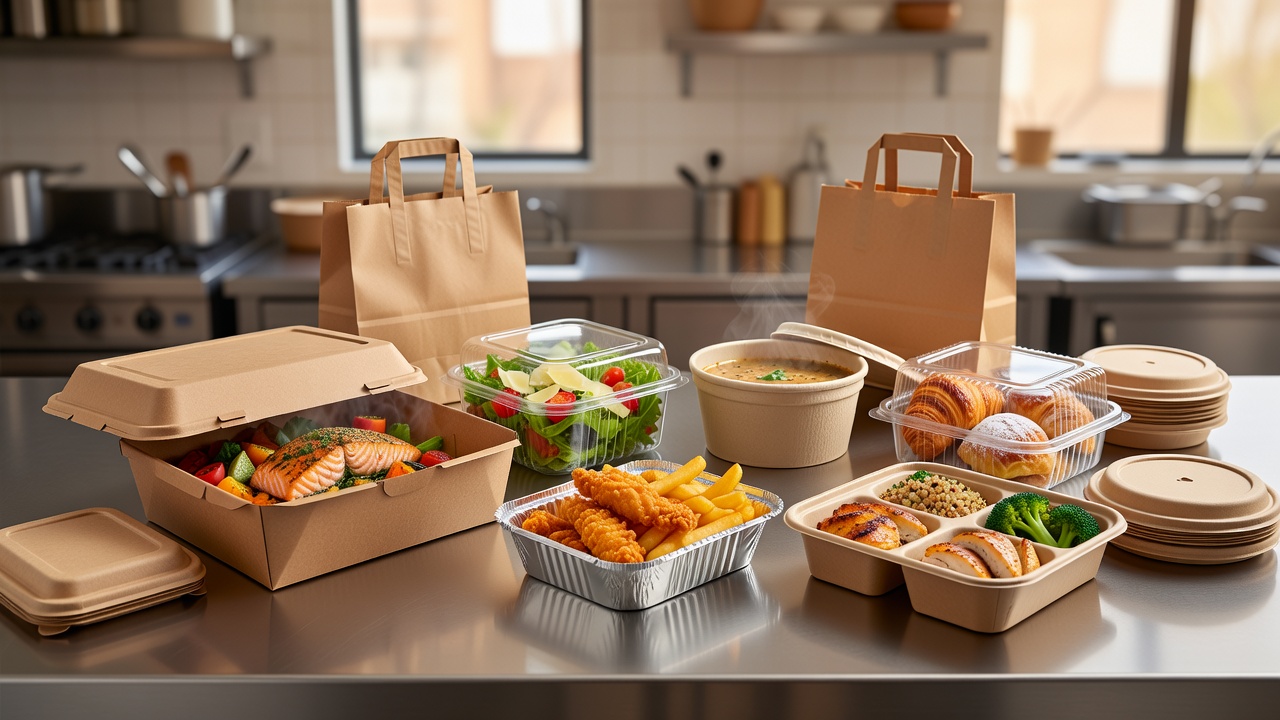
Takeout and delivery have become fundamental parts of modern foodservice, making packaging almost as important as the meal itself. A container must do more than hold food: it needs to withstand transportation, help prevent leaks, preserve presentation, and suit the temperature and texture of whatever is packed inside. For restaurants, cafés, caterers, food trucks, bakeries, and other hospitality businesses, choosing food containers from MrTakeOutBags can be part of building a more reliable and professional packaging system for off-premise dining.
The ideal container for a hot entrée may be completely unsuitable for a crisp salad, delicate pastry, soup, or multi-component meal. Material, lid design, ventilation, grease resistance, temperature tolerance, portion size, and stackability can all influence whether food reaches the customer in good condition. Cost also matters, but evaluating packaging purely by unit price can be misleading if poorly matched containers result in spills, damaged meals, wasted food, or customer complaints.
This guide explores seven benefits of selecting purpose-appropriate food containers, explains common packaging materials and formats, and covers practical considerations when purchasing foodservice packaging through suppliers such as MrTakeOutBags.
Note: Product availability, specifications, pricing, sustainability claims, certifications, minimum order quantities, and shipping terms can change. Confirm current details directly with MrTakeOutBags before ordering. Packaging suitability should also be verified for the particular food, temperature, and intended use.
What Are Food Containers from MrTakeOutBags?
Food containers from MrTakeOutBags refer to foodservice packaging products available through the MrTakeOutBags retail or distribution platform.
Depending on current inventory, food businesses may encounter packaging designed for applications such as:
- Restaurant takeout.
- Food delivery.
- Catering.
- Meal preparation.
- Bakery products.
- Grab-and-go retail.
- Events.
- Corporate dining.
Available materials, dimensions, colors, closures, and environmental characteristics vary by individual product, making specification review important before purchasing.
Why Food Packaging Matters
Customers often experience takeout food differently from dine-in meals.
Instead of being served immediately on a plate, the meal may spend considerable time:
- Waiting for collection.
- Sitting in a delivery vehicle.
- Being carried in a bag.
- Traveling over uneven roads.
- Waiting before consumption.
Packaging must support the food through this entire process.
Good packaging cannot stop food quality from changing over time, but selecting the right container can help manage temperature, moisture, movement, and presentation more effectively.
1. Better Protection During Takeout and Delivery
One of the most important benefits of food containers from MrTakeOutBags is the opportunity to select packaging designed for particular foodservice applications.
Takeout containers may need to handle:
- Movement.
- Stacking.
- Sauces.
- Grease.
- Heat.
- Cold.
- Steam.
A container that performs well for dry baked goods does not necessarily provide the leak resistance required for a saucy entrée.
Matching the package to the meal helps reduce preventable failures during transportation.
2. Multiple Material Options
Foodservice containers are manufactured from several materials, each with different characteristics.
Paper and Paperboard
Paper-based packaging is popular for many takeout applications because it can be lightweight, printable, and available in a wide range of formats.
Some containers include coatings or liners to improve resistance to grease and moisture.
Plastic
Plastic packaging can provide excellent visibility, durability, and leak resistance depending on the resin and design.
Not every plastic is suitable for every food or temperature.
Aluminum
Aluminum containers are widely used for certain hot foods, baking, reheating, and catering applications.
Usage instructions should be followed carefully, particularly regarding microwave compatibility.
Molded Fiber
Fiber-based containers are commonly selected by businesses seeking alternatives to conventional plastic packaging.
Material sourcing, coatings, compostability, and disposal requirements should be verified for each product.
3. Sizes for Different Menu Items
Portion control and presentation both depend on container dimensions.
When evaluating food containers from MrTakeOutBags, businesses should match container capacity to menu portions rather than selecting a single package for everything.
Different formats may be appropriate for:
- Side dishes.
- Full entrées.
- Family meals.
- Desserts.
- Salads.
- Soups.
- Appetizers.
Oversized packaging can increase material usage and allow food to move during transportation.
Containers that are too small may crush food or cause lids to close improperly.
4. Improved Food Presentation
Customers often see the packaging before they see the food.
A clean, appropriately sized container can make an order feel more intentional and professional.
Presentation considerations include:
Shape
Square, rectangular, round, and compartmented containers create different visual experiences.
Visibility
Clear lids can showcase salads, desserts, bakery items, and prepared meals.
Interior Space
Food should fit naturally without being compressed against the lid.
Consistency
Using coordinated packaging across a menu can strengthen the overall customer experience.
Packaging should support presentation without compromising food safety or functionality.
5. More Efficient Restaurant Operations
Packaging affects employees as much as customers.
A well-designed food container should be easy to:
- Store.
- Separate.
- Fill.
- Close.
- Label.
- Stack.
- Place into takeout bags.
During peak service periods, even small inefficiencies can accumulate quickly.
If staff struggle to secure lids or locate matching components, order preparation slows.
Before committing to large quantities, test containers during realistic service conditions.
6. Packaging Options for Different Food Types
The food itself should determine the packaging.
Burgers and Sandwiches
These foods may benefit from packaging that accommodates heat and moisture without compressing the product.
Fried Foods
Steam can quickly soften crispy coatings, making ventilation especially important.
Soups
Liquid foods need reliable, compatible lids and containers designed for the intended temperature.
Salads
Salads often benefit from containers that preserve visual presentation while allowing adequate space for ingredients.
Bakery Products
Cakes, pastries, cookies, and other baked goods need packaging that protects delicate surfaces and decorative elements.
Testing food containers from MrTakeOutBags with your actual recipes is more useful than selecting packaging solely from photographs.
7. Opportunities for More Thoughtful Material Selection
Sustainability has become an important packaging consideration for many food businesses and customers.
Potential options in the wider foodservice market include:
- Recyclable packaging.
- Recycled-content materials.
- Paper-based containers.
- Molded fiber.
- Compostable products.
However, environmental claims require context.
A package labeled compostable, for example, may require access to specific commercial composting infrastructure. Local recycling programs may also accept some materials but reject others.
Businesses should verify manufacturer claims and understand local waste systems before communicating environmental benefits to customers.
How to Choose Food Containers from MrTakeOutBags
Start with your menu rather than the packaging catalog.
Create a list of foods requiring takeout containers and categorize them according to their practical needs.
For each item, consider:
- Serving temperature.
- Portion size.
- Liquid content.
- Grease level.
- Required ventilation.
- Average travel time.
- Reheating expectations.
- Presentation needs.
Then compare products based on these requirements.
This approach can prevent buying attractive packaging that does not perform well in actual service.
Hot Food Packaging
Hot meals create unique challenges.
Steam can produce condensation inside sealed containers. That moisture can affect texture and potentially compromise the customer experience.
Consider whether the food requires:
- Ventilation.
- Grease resistance.
- High-temperature compatibility.
- Secure closure.
Never assume a container is safe for very hot food simply because it looks durable.
Check product specifications.
Cold Food Packaging
Cold dishes frequently prioritize appearance and moisture resistance.
Applications include:
- Salads.
- Fruit.
- Desserts.
- Cold sandwiches.
- Prepared meals.
Transparent packaging may make fresh ingredients more visually appealing, but functionality still matters.
Containers should remain stable under refrigeration and during delivery according to their intended use.
Microwave and Reheating Considerations
Customers may want to reheat takeout meals directly in their containers.
This makes clear instructions particularly important.
Not every food container is:
- Microwave safe.
- Oven safe.
- Freezer safe.
- Suitable for dishwasher use.
Businesses should communicate accurate reheating guidance based on manufacturer specifications.
Metal containers should never be assumed safe for microwave use.
Leak Resistance
Few packaging failures frustrate customers more than sauces or soups leaking into a delivery bag.
For liquid-heavy foods, examine:
- Lid fit.
- Rim construction.
- Closure mechanism.
- Container rigidity.
Testing should involve actual transportation.
Fill a sample container with the intended food, close it normally, place it in the same bag used for customers, and simulate the expected delivery period.
Ventilation for Fried and Crispy Foods
A perfectly sealed container is not always the best container.
Hot fried foods release moisture as steam. If steam remains trapped, condensation may soften the product.
Ventilated packaging can help manage this moisture while still protecting the meal.
Different foods require different balances between heat retention and ventilation.
Compartmented Food Containers
Meals containing multiple components may benefit from separate compartments.
These can help prevent:
- Sauces mixing prematurely.
- Crisp foods becoming wet.
- Side dishes shifting.
- Presentation becoming disorganized.
Compartment sizes should match actual portions, so sample testing remains important.
Stackability and Storage Space
Restaurants often purchase packaging in bulk.
Before ordering large quantities of food containers from MrTakeOutBags, consider how much storage space cases will require.
Efficient containers should ideally nest or stack securely where their design permits.
Poor storage planning can create clutter around food preparation areas.
Measure shelving before ordering unusually large cases or switching to a bulkier packaging format.
Food Containers and Takeout Bags
Containers and bags should be selected as a system.
A stable container may still tip if placed loosely inside an oversized bag.
Consider:
- Container footprint.
- Bag width.
- Bag depth.
- Number of containers per order.
- Weight distribution.
A coordinated system can reduce movement during delivery and improve handoff for customers and couriers.
Labeling Takeout Orders
Clear labeling helps reduce order mistakes.
Labels may identify:
- Customer name.
- Menu item.
- Dietary information where appropriate.
- Reheating guidance.
- Order number.
Businesses should use particular care with allergen-related information and follow applicable food-safety and labeling requirements rather than relying on informal assumptions.
Branding and Packaging
Packaging can reinforce a restaurant’s identity even when custom-printed containers are not practical.
Businesses may use appropriately designed:
- Labels.
- Stickers.
- Sleeves.
- Branded bags.
The branding method should not interfere with vents, closures, food-contact surfaces, or legally required information.
Comparing Packaging Costs
Unit price is important, but it should not be the only metric.
Consider the effective cost per completed order.
A slightly more expensive container may provide better value if it reduces:
- Leaks.
- Remakes.
- Extra wrapping.
- Customer complaints.
- Packaging time.
Businesses ordering high volumes should also consider case quantities, shipping costs, storage requirements, and purchasing frequency.
Common Food Packaging Mistakes
One common error is trying to use a universal container for an entire menu.
Other mistakes include:
- Failing to test lids.
- Ignoring ventilation.
- Using oversized packages.
- Assuming microwave compatibility.
- Making unsupported sustainability claims.
- Ordering large quantities before testing samples.
Packaging should be treated as part of product development, particularly for delivery-focused menus.
Food Safety Considerations
Packaging does not replace proper food safety procedures.
Restaurants must still manage:
- Cooking temperatures.
- Holding temperatures.
- Cross-contamination.
- Hygiene.
- Storage.
- Delivery times.
Use containers intended for food contact and follow manufacturer instructions regarding temperature and usage.
Applicable health regulations should guide operations.
Trends in Foodservice Packaging
Takeout packaging continues to evolve alongside consumer expectations and regulation.
Key trends include:
- Reduced-material designs.
- Fiber-based packaging.
- Improved leak-resistant closures.
- Tamper-evident features.
- Better delivery-specific formats.
- Clearer disposal information.
Regulations concerning certain packaging materials are also changing in various jurisdictions, making ongoing supplier and compliance review important.
Using AI to Improve Packaging Decisions
Restaurants increasingly use digital analytics to understand delivery complaints, menu performance, and operational costs.
AI tools may help businesses identify patterns such as:
- Which dishes receive the most packaging-related complaints.
- Which menu items frequently leak.
- Where packaging costs are increasing.
- Which container sizes are used most often.
These insights can support purchasing decisions, but physical testing remains essential because software cannot fully predict how a particular meal will behave during transportation.
Conclusion
Food containers from MrTakeOutBags can provide restaurants, caterers, cafés, food trucks, bakeries, and other foodservice businesses with options for building a more effective takeout and delivery packaging system. The most important consideration is matching each container to the food it needs to protect. Temperature tolerance, ventilation, leak resistance, size, material, stackability, presentation, and disposal characteristics all deserve attention before placing a bulk order. Businesses should test packaging with actual menu items under realistic travel conditions and verify current specifications directly with MrTakeOutBags. By treating packaging as part of the overall dining experience rather than an afterthought, foodservice operators can reduce preventable problems while presenting meals more professionally.
FAQs
What are food containers from MrTakeOutBags used for?
Food containers from MrTakeOutBags may be suitable for takeout, food delivery, catering, bakery products, meal preparation, and other foodservice uses, depending on individual product specifications.
What materials are available from MrTakeOutBags?
Availability changes, so check the current catalog. Foodservice containers in general may be made from paperboard, plastic, aluminum, molded fiber, or other food-contact materials.
Are food containers from MrTakeOutBags microwave safe?
Microwave compatibility depends on the specific product and material. Review the manufacturer’s instructions for each container rather than assuming it can be reheated.
How do I choose takeout containers for hot food?
Consider temperature rating, grease resistance, lid security, ventilation requirements, portion size, and how long the food will typically remain inside the container.
Are food containers from MrTakeOutBags eco-friendly?
Environmental characteristics depend on the individual product. Verify claims regarding recyclability, recycled content, compostability, coatings, and certifications before purchasing or advertising sustainability benefits.
Should I test food containers before ordering in bulk?
Yes. Testing with your actual menu items can reveal issues with sizing, leakage, condensation, stacking, delivery performance, and presentation before you commit to a large order.