Home Energy Audit Massachusetts: Complete Guide to Savings & Rebates
Scheduling a home energy audit Massachusetts is the smartest first step toward lowering your utility bills, improving indoor comfort, and accessing thousands of dollars in state-sponsored rebates. Massachusetts consistently ranks among the most expensive states for electricity and heating. Yet, many residents lose hundreds of dollars annually through drafty windows, insufficient insulation, and outdated HVAC systems. A professional home energy audit Massachusetts identifies exactly where your home wastes energy. Even better, the state’s renowned Mass Save program heavily subsidizes these assessments, often making them completely free. This comprehensive guide explains how the process works, the exclusive incentives available to MA residents, and how to prepare for your evaluation.
What Is a Home Energy Audit Massachusetts?
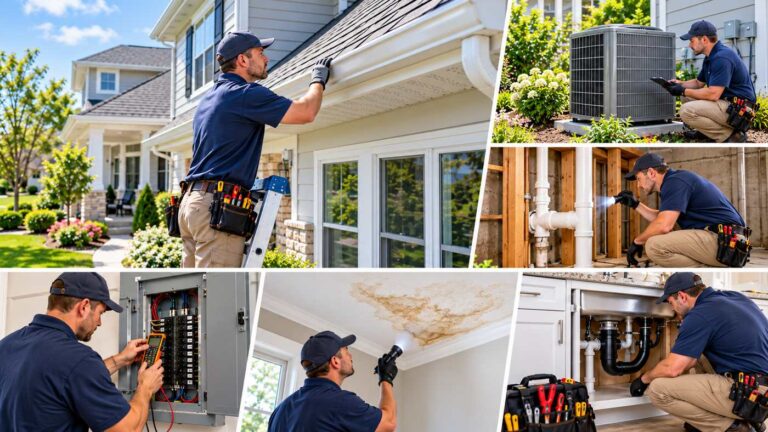
A home energy audit—often called a home energy assessment in Massachusetts—is a thorough, whole-house evaluation. A certified home performance contractor inspects your property from top to bottom. They look for air leaks, inadequate insulation, and inefficient heating or cooling systems.
The goal is not just to list problems. The goal is to create a prioritized roadmap. This roadmap shows you the most cost-effective upgrades to make your home more energy efficient.
The Mass Save Program and State Incentives
You cannot talk about energy audits in MA without discussing Mass Save. Mass Save is an initiative sponsored by Massachusetts’ gas and electric utilities. It connects residents with energy efficiency programs.
Through Mass Save, customers of major utilities like Eversource, National Grid, Unitil, and Columbia Gas can receive a no-cost home energy assessment. Without this sponsorship, a professional audit with blower door testing could cost between $300 and $500. The program ensures that every resident has access to expert guidance, regardless of their income level.
How Does a Mass Save Energy Assessment Work?
Understanding the step-by-step process removes the mystery. It helps you know exactly what happens when the energy specialist arrives at your door.
The Blower Door Test and Thermal Imaging
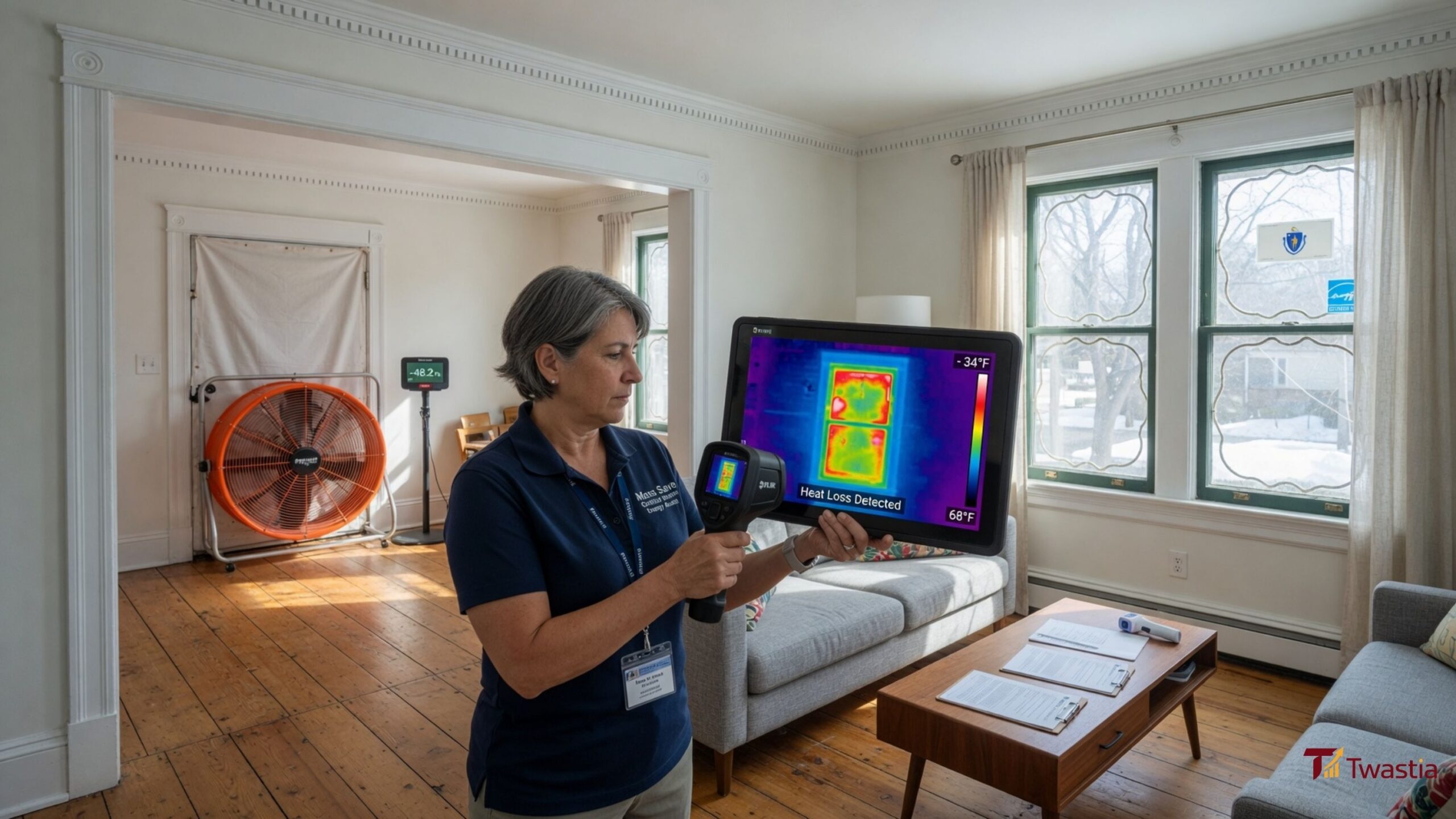
The most critical part of your audit is the blower door test. The specialist seals your main door and installs a powerful fan. This fan depressurizes your home, pulling outside air in through any unsealed cracks or gaps.
While the fan runs, the auditor walks through your house with an infrared camera. The thermal imaging reveals the exact locations where cold air infiltrates your walls, attic, and basement. This technology takes the guesswork out of finding drafts. It visually highlights hidden gaps around recessed lighting, plumbing chases, and electrical outlets that you might otherwise miss.
Comprehensive Safety and Health Checks
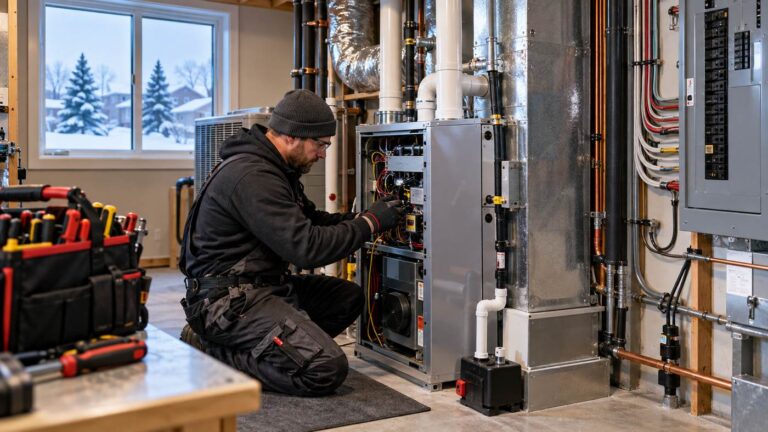
A good auditor does not just care about energy. They care about your safety. During a Massachusetts assessment, the specialist will test your combustion appliances. This includes your furnace, boiler, water heater, and gas stove.
They check for carbon monoxide leaks and ensure proper ventilation. They also measure the efficiency of your heating system. If your equipment poses a safety risk, they will flag it immediately before recommending any weatherization work that could make the house too tight.
Instant Savings and Free Gifts
One of the best parts of the assessment is the immediate gratification. During the visit, the specialist will install several energy-saving products at no cost to you. This typically includes:
- LED Light Bulbs: Replacing inefficient incandescent or halogen bulbs throughout the home.
- Advanced Power Strips: Smart strips that cut phantom power to electronics when they are turned off.
- Low-Flow Showerheads and Faucet Aerators: Reducing hot water usage, which lowers both water and gas/electric bills.
- Hot Water Pipe Insulation: Wrapping exposed pipes to prevent heat loss.
Key Benefits of Scheduling a Home Energy Audit Massachusetts
The benefits extend far beyond a simple checklist of home repairs. A professional audit delivers tangible, long-lasting value.
Lower Utility Bills and Increased Comfort
Drafty homes are uncomfortable. You feel cold drafts sitting on the couch, so you turn up the thermostat. This wastes money. By following the audit’s recommendations—like air sealing and insulation—most Massachusetts homeowners see a 20% to 30% reduction in their energy bills. More importantly, your home maintains a consistent temperature. You eliminate cold rooms in the winter and hot, stuffy rooms in the summer.
Access to Generous Rebates and 0% Financing
The audit is your gateway to massive financial incentives. In Massachusetts, you cannot access the deep Mass Save rebates for insulation or heating upgrades without first completing an audit.
Once you complete the assessment, you unlock:
- Insulation Rebates: You can receive 75% to 100% off the cost of approved insulation and air sealing projects. Yes, the state may pay for the entire upgrade.
- Heat Pump Rebates: Massive rebates (often thousands of dollars) for upgrading to high-efficiency air source or ground source heat pumps.
- The Mass Save Heat Loan: A 0% APR loan for up to $15,000 (or $25,000 for income-eligible residents) with a 7-year term. This makes larger projects like window replacement or HVAC upgrades incredibly affordable.
Reducing Your Carbon Footprint
Massachusetts has aggressive climate goals. The state aims to reach net-zero emissions by 2050. Reducing your home’s energy consumption directly supports this effort. By burning less natural gas or drawing less electricity from the grid, you shrink your household’s carbon footprint. It is a practical way to contribute to a cleaner, healthier environment.
Common Recommendations After a MA Energy Audit
Every home is different, but older New England housing stock shares common issues. Here is what your auditor will likely recommend.
Air Sealing and Insulation Upgrades
This is the most frequent recommendation. Hot air rises, so an uninsulated or under-insulated attic is a primary source of heat loss. Similarly, uninsulated basement ceilings and exterior walls let cold air bleed in.
Auditors prioritize air sealing before adding insulation. Insulation slows down heat transfer, but if air is blowing through it, it acts like a sweater with holes. Sealing the gaps first ensures the insulation performs at its rated R-value.
HVAC Upgrades and Heat Pumps
If your furnace or boiler is older than 15 years, the auditor will likely recommend an upgrade. Massachusetts is strongly pushing electrification. They will highlight the benefits of replacing fossil-fuel systems with high-efficiency air source heat pumps. These systems provide both heating and cooling, eliminating the need for window AC units and drastically improving summer comfort.
Weatherization and Smart Thermostats
Upgrading old, leaky windows and doors is often mentioned. However, because windows are expensive, the audit usually proves that air sealing and insulation offer a much faster return on investment. The auditor may also recommend upgrading to a programmable or smart thermostat to better manage your heating and cooling schedules.
How to Prepare for Your Home Energy Audit Massachusetts
A little preparation goes a long way. It ensures the specialist can do their job efficiently and accurately.
- Gather Your Utility Bills: The auditor needs your energy usage data. Have the last 12 months of gas and electric bills ready. If you do not have paper copies, you can often download a report from your utility account online.
- Clear Access to Key Areas: The specialist needs physical access to your attic, basement, and mechanical room. Move stored boxes away from the attic hatch and basement ceiling. Clear a path to your heating system and water heater.
- Make a List of Comfort Problems: Note any rooms that are drafty, overly hot, or unusually cold. Tell the auditor about any ice dams you experience in the winter. This localized information helps them target specific problem areas.
- Be Present for the Whole Assessment: The audit takes roughly 2 to 3 hours. You should be home the entire time. The auditor will need to get into locked rooms and will want to review their findings with you in person before they leave.
Choosing the Right Home Performance Contractor
You must schedule your audit through the Mass Save website or your local utility to ensure it is covered by the program. However, it is still important to understand who is entering your home.
Verify Certification
Ensure the specialist is a certified Home Energy Professional (HEP) or holds credentials from the Building Performance Institute (BPI). BPI certification is the gold standard in the industry. It proves the auditor understands building science, safety protocols, and diagnostic testing.
Independent vs. Utility-Approved Auditors
The auditors assigned through Mass Save are vetted and approved by the utility companies. They follow strict protocols. However, if you live in a town with a municipal light plant (MMLP) that does not participate in Mass Save, you may need to hire an independent auditor. Always check their reviews, ask for references, and verify their insurance.
Conclusion: Unlock Your Home’s Potential with an Energy Audit
You should not have to wear a sweater inside your home just to afford your heating bill. A home energy audit Massachusetts gives you the data-driven insights needed to fix comfort problems and stop wasting money. Through the incredible Mass Save program, this professional evaluation is readily accessible and heavily subsidized. By completing the assessment, you unlock deep rebates for insulation, 0% financing for major upgrades, and instant savings from free LED bulbs and smart power strips. Take control of your home’s efficiency today. Schedule a home energy audit Massachusetts and start enjoying a warmer, healthier, and more affordable home.
Frequently Asked Questions (FAQs)
1. How much does a home energy audit cost in Massachusetts?
Through the Mass Save program, a standard home energy assessment is completely free for customers of major utilities like Eversource, National Grid, and Columbia Gas.
2. How long does a Mass Save energy assessment take?
The assessment typically takes between 2 to 3 hours, depending on the size of your home and the complexity of its heating and cooling systems.
3. What is the Mass Save Heat Loan?
It is a 0% APR interest loan available to Massachusetts residents (up to $15,000) to help finance recommended energy efficiency upgrades like heat pumps, windows, or insulation.
4. Can I get free insulation through Mass Save?
Yes, after completing an audit, many Massachusetts residents qualify for 75% to 100% off the cost of approved insulation and air sealing upgrades.
5. Do I need a home energy audit to get rebates in MA?
Yes, you must complete a no-cost home energy assessment before you can access the enhanced rebates for weatherization, heating systems, and heat pumps through the Mass Save program.
6. What is a blower door test?
It is a diagnostic test where a powerful fan depressurizes the home, allowing the auditor to measure the exact air leakage rate and locate hidden drafts using thermal imaging.