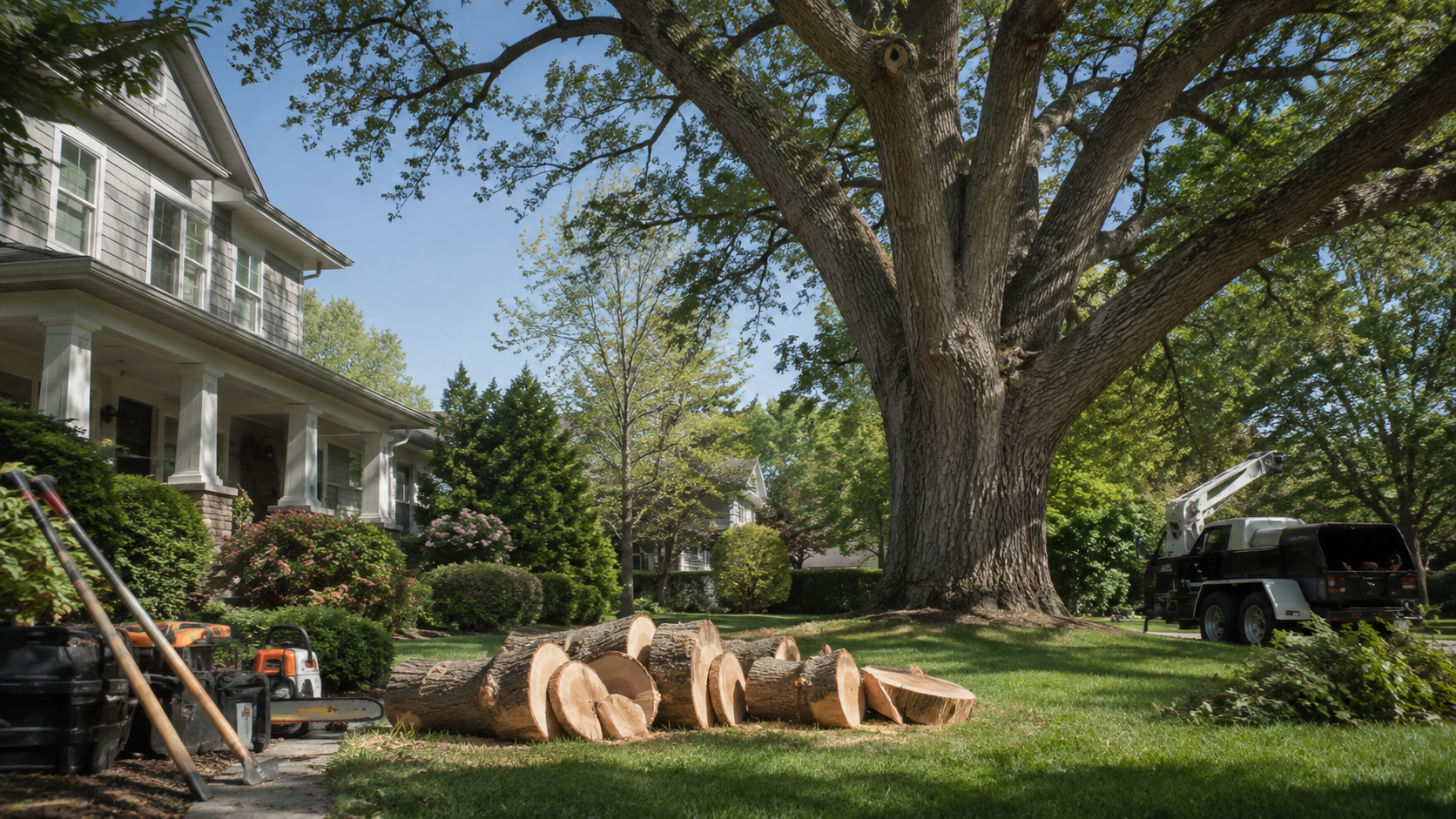
Tree Removal: Understanding When Professional Tree Services Are Necessary
Trees provide beauty, shade, privacy, and environmental benefits, making them an important part of residential and commercial landscapes. However, there are situations where a tree can become unsafe, unhealthy, or unsuitable for its location. Dead branches, severe storm damage, disease, structural instability, or overgrown roots can create risks for people, buildings, and surrounding property. In these cases, professional Tree Removal becomes an important solution for maintaining a safe and healthy outdoor environment.
Removing a tree is not simply a matter of cutting it down. Large trees involve complex structures, heavy materials, and unpredictable movement patterns. Without proper knowledge and equipment, attempting removal without professional assistance can create serious safety concerns and property damage.
A qualified tree service evaluates the condition of the tree, surrounding structures, and potential risks before recommending removal. In many cases, experts first determine whether the tree can be preserved through pruning, treatment, or maintenance. However, when a tree presents unavoidable hazards, complete removal may be the safest option. Professional arborists are trained to assess tree health, provide recommendations, and perform tree-related services safely.
Modern tree care focuses on balancing safety, environmental responsibility, and landscape improvement. A properly planned removal process helps protect homes while allowing property owners to maintain attractive and functional outdoor spaces.
Why Tree Removal Is Important for Property Safety
Healthy trees can increase property value and improve outdoor spaces, but damaged or unstable trees may become dangerous over time. A tree that appears normal from a distance may have hidden issues such as internal decay, weakened roots, or structural damage.
One major reason homeowners consider removal is safety. A weakened tree can lose large branches or fall unexpectedly during storms, strong winds, or heavy rainfall. If the tree is positioned near a house, driveway, fence, or utility lines, falling limbs can cause significant damage.
Additionally, trees with declining health may continue deteriorating despite maintenance efforts. In some cases, removing a failing tree prevents future problems and creates opportunities for healthier landscaping choices.
Tree removal also helps protect nearby plants and structures. Overgrown roots may interfere with sidewalks, foundations, drainage systems, or underground utilities. Removing problematic trees can prevent expensive repairs and improve the overall functionality of the property.
Furthermore, professional removal creates a controlled solution. Experienced tree specialists use proper planning, equipment, and techniques to reduce risks during the process.
Common Reasons Homeowners Need Tree Removal
Dead or Dying Trees
One of the most common reasons for tree removal is declining tree health. Dead trees no longer provide structural stability and may become more vulnerable to breaking.
A dead tree can develop weak branches that fall without warning. Removing it helps reduce safety risks around homes and outdoor areas.
Storm Damage
Severe weather can significantly affect trees. High winds, lightning, heavy snow, and storms may break branches or damage the trunk.
Some storm-damaged trees can be saved through pruning and care, while others may become too unstable and require complete removal.
Disease and Pest Problems
Tree diseases and insect infestations can weaken internal structures. When damage becomes extensive, treatment may no longer restore the tree’s health.
Professional evaluation helps determine whether preservation or removal is the better option.
Structural Instability
Trees that lean heavily, have large cracks, damaged roots, or uneven growth patterns may create safety concerns.
A professional assessment helps identify whether the tree poses a potential hazard.
Construction and Property Improvements
Sometimes tree removal is necessary for construction projects, landscaping changes, driveway expansion, or outdoor improvements.
Removing selected trees can create space while allowing property owners to redesign their outdoor areas.
Signs That a Tree May Need Professional Evaluation
Homeowners should regularly inspect their trees for warning signs. Early identification of problems can help prevent emergency situations.
Common signs include:
- Large dead branches
- Visible cracks in the trunk
- Mushrooms growing near the base
- Significant leaning
- Root damage
- Missing bark
- Weak or broken limbs
- Unusual leaf discoloration
- Signs of insect activity
A professional arborist can determine whether these symptoms indicate serious problems or manageable conditions. Certified professionals handle tree health evaluation, pruning, and removal decisions based on the specific situation.
Ignoring these warning signs may allow problems to become worse. Early evaluation provides more options and helps property owners make informed decisions.
Benefits of Hiring Professional Tree Removal Services
Improved Property Safety
The biggest advantage of professional removal is reducing potential hazards. Experts understand how to manage heavy branches, large trunks, and difficult locations.
Professional teams carefully plan the removal process to protect nearby structures and surrounding areas.
Prevents Property Damage
A damaged tree near a home, vehicle, or outdoor structure can create expensive risks. Removing dangerous trees before they fail helps protect valuable property.
Professional services also include proper cleanup, reducing leftover debris and improving the appearance of the landscape.
Saves Time and Effort
Tree removal requires specialized equipment, experience, and physical effort. Completing the process without proper preparation can take significant time and may create additional problems.
Professional crews complete the work more efficiently while managing safety requirements.
Proper Equipment and Techniques
Large tree removal often requires equipment such as lifts, ropes, specialized cutting tools, and removal machinery.
Professional companies have access to suitable equipment and understand how to use it correctly.
Better Long-Term Landscape Planning
Removing an unhealthy or unsafe tree allows homeowners to improve their landscape design.
After removal, property owners can consider new plantings, garden improvements, or open-space designs.
The Professional Tree Removal Process Explained
A successful removal project involves careful planning and several important steps.
Initial Tree Assessment
Professionals begin by examining the tree’s condition, size, location, and surrounding risks.
They evaluate factors such as tree health, nearby structures, and potential obstacles.
Planning the Removal Strategy
Before work begins, the team determines the safest approach. Large trees require careful planning to control how sections are removed.
Preparing the Area
The surrounding area is prepared to protect people, vehicles, buildings, and landscaping.
Professional teams establish safe working zones before starting removal.
Removing the Tree
The tree is carefully removed using appropriate techniques based on its size and location.
Large trees may require section-by-section removal rather than a single cut.
Cleanup and Final Inspection
After removal, professionals typically handle debris management and ensure the area is left clean.
Some services may also include stump grinding or additional landscape recommendations.
Different Situations That Require Specialized Tree Removal
Not every tree removal project is the same. Different conditions require different approaches.
Emergency Tree Removal
Storm-damaged or fallen trees may require urgent attention, especially when they threaten buildings, roads, or electrical systems.
Emergency services focus on quickly reducing hazards while protecting surrounding property.
Large Tree Removal
Large mature trees require advanced planning because of their size and weight.
Professionals use specialized methods to safely manage these projects.
Trees Near Structures
Trees growing close to homes, garages, fences, or power lines require extra care.
Controlled removal techniques help prevent accidental damage.
Stump Removal After Tree Removal
After a tree is removed, the remaining stump may create problems. Stumps can become obstacles, attract pests, or interfere with future landscaping plans.
Many homeowners choose stump grinding or removal to complete the process.
How Tree Removal Protects Your Home and Landscape
A well-maintained landscape contributes to property appearance and functionality. However, unsafe trees can negatively affect both.
Removing problematic trees can:
- Protect roofs and structures
- Improve outdoor safety
- Prevent falling branch damage
- Create additional yard space
- Improve sunlight exposure
- Support healthier landscaping plans
Strategic tree management helps homeowners maintain a balance between natural beauty and property protection.
Environmental Considerations During Tree Removal
Responsible tree removal should consider environmental impact. Professional companies often focus on minimizing unnecessary disturbance and managing removed materials properly.
Wood and branches may sometimes be recycled into mulch, firewood, or other useful materials.
Additionally, removing one unhealthy tree may create opportunities for planting new trees that are better suited to the location.
Tree care decisions should consider both immediate safety and long-term landscape health.
Tree Removal vs Tree Trimming: Understanding the Difference
Tree trimming and tree removal serve different purposes.
Tree trimming focuses on maintaining tree health, improving appearance, and removing specific branches. It is often used when a tree is healthy but requires maintenance.
Tree removal involves completely eliminating a tree when it is unsafe, severely damaged, or no longer suitable for the location.
Choosing the correct service depends on the tree’s condition and the property’s needs.
Common Mistakes to Avoid When Removing Trees
Attempting Dangerous DIY Removal
Large tree removal involves significant risks. Without proper equipment and experience, homeowners may experience injuries or property damage.
Ignoring Professional Assessment
Some trees may be saved through treatment or pruning. Removing a tree without evaluation may lead to unnecessary landscape changes.
Hiring Without Checking Experience
Tree work requires skill and proper safety practices. Choosing an inexperienced provider may increase risks.
Focusing Only on Low Price
The cheapest option may not always provide safe or quality results. Experience, insurance, and professional reputation are important considerations.
How to Choose the Right Tree Removal Company
When selecting a tree service provider, homeowners should consider several factors.
Look for:
- Relevant experience
- Proper insurance coverage
- Professional qualifications
- Clear estimates
- Positive customer reputation
- Safe work practices
A reliable company should explain the removal process, discuss potential risks, and provide transparent recommendations.
Getting multiple estimates can also help homeowners compare services and understand project requirements.
Frequently Asked Questions About Tree Removal
When should a tree be removed?
A tree may require removal when it is dead, severely damaged, diseased, unstable, or creating a safety risk.
Is tree removal dangerous?
Yes. Large tree removal involves risks, which is why professional equipment and experience are important.
Can every damaged tree be saved?
Not always. Some trees recover with treatment, while others become unsafe and require removal.
What happens after a tree is removed?
After removal, homeowners can choose options such as stump grinding, cleanup, or landscape replacement.
How long does tree removal take?
The timeline depends on tree size, location, complexity, and required equipment.
Conclusion: Protect Your Property With Safe Tree Management
Trees provide valuable benefits, but damaged or unsafe trees can create serious concerns for homeowners. Professional Tree Removal offers a practical solution when a tree becomes hazardous, unhealthy, or unsuitable for its location. With proper assessment, planning, and specialized techniques, experienced tree professionals can complete removal safely while protecting surrounding property. By addressing tree problems early and choosing qualified experts, homeowners can maintain a safer, cleaner, and more attractive outdoor environment for years to come.