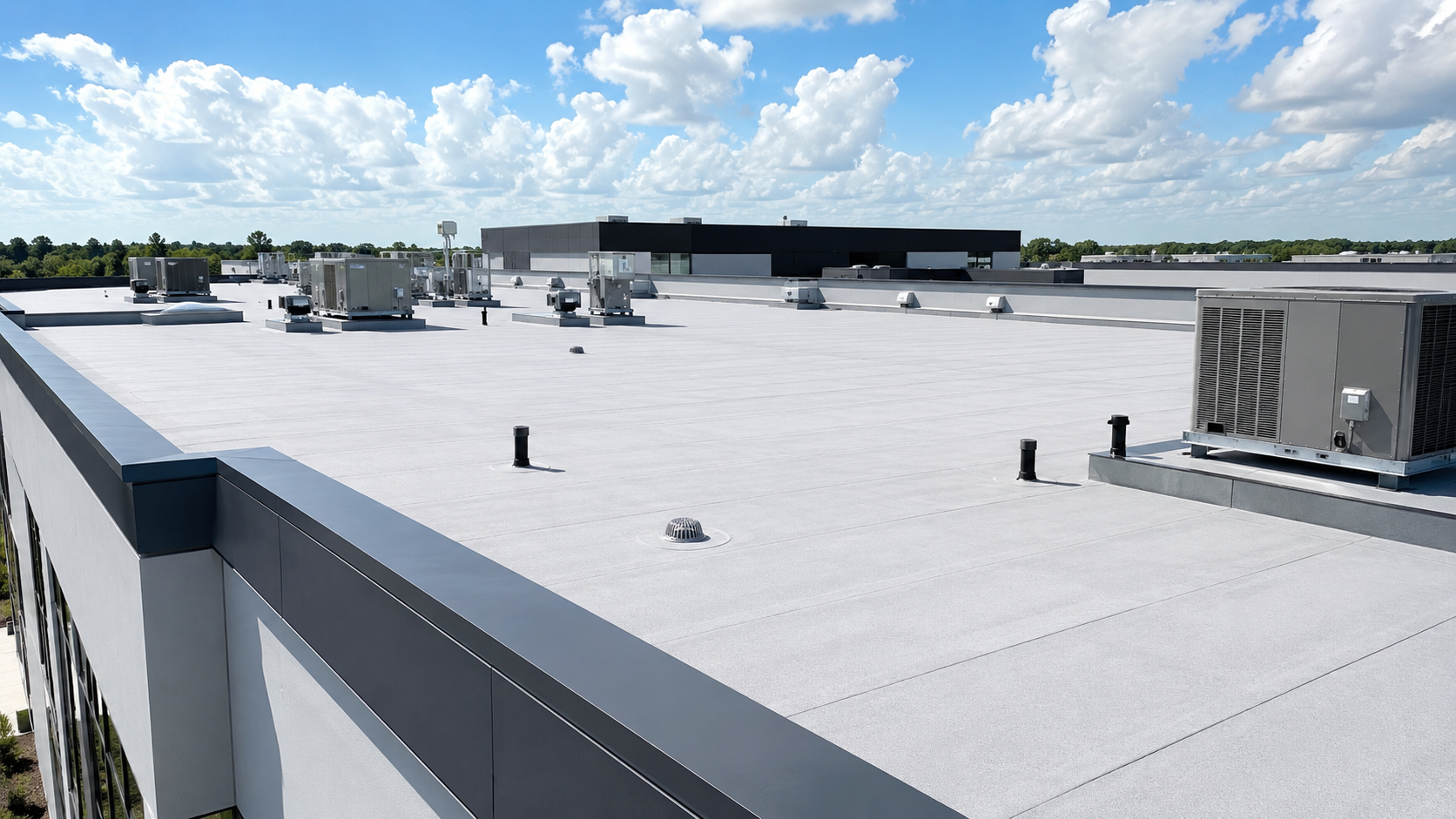
Commercial Flat Roofing Contractors St Louis County MO: Protecting Business Properties With Professional Roofing Solutions
Commercial buildings require roofing systems that can withstand changing weather conditions, protect valuable assets, and support long-term business operations. Unlike residential roofing, commercial roofs often cover larger areas and involve specialized materials, drainage designs, and maintenance requirements. Choosing experienced commercial flat roofing contractors St Louis County MO businesses can rely on is an important step toward maintaining a secure and durable roofing system.
Flat roofs are widely used on commercial properties because they provide practical advantages for large buildings such as offices, warehouses, retail facilities, schools, and industrial structures. However, these roofing systems require professional knowledge because their design, installation, and maintenance differ from traditional sloped roofs.
A properly installed flat roof does more than protect a building from rain and snow. It helps maintain energy efficiency, prevents moisture intrusion, supports building operations, and reduces unexpected repair costs. In St. Louis County, where commercial properties experience seasonal temperature changes, storms, humidity, and winter conditions, reliable roofing solutions are essential.
Professional roofing contractors evaluate each building individually to determine the most suitable materials, repair methods, and maintenance strategies. By working with experienced specialists, businesses can reduce risks and protect their investment over time.
Why Flat Roofing Systems Are Popular for Commercial Buildings
Flat roofing systems have become a preferred option for many commercial properties because they offer practical benefits that match the needs of large-scale buildings.
One major advantage is efficient use of space. Commercial facilities often require large roof areas for equipment such as HVAC systems, ventilation units, and other building components. Flat roofs provide accessible space where these systems can be installed and maintained more easily.
Additionally, flat roofs typically require fewer materials compared with steep-slope roofing designs. This can make them a cost-effective choice for commercial construction and renovation projects.
Another benefit is design flexibility. Many modern commercial roofing systems can be customized with insulation layers, protective coatings, drainage solutions, and energy-efficient materials.
However, flat roofs also require careful planning because water drainage is different from sloped roofing. Although called “flat,” commercial flat roofs usually have a slight slope designed to move water toward drains and drainage points.
Without proper installation or maintenance, standing water can create problems such as leaks, membrane deterioration, and structural damage. This is why professional expertise plays an important role in flat roofing performance.
Understanding the Role of Commercial Flat Roofing Contractors
Commercial roofing requires specialized skills, equipment, and knowledge. Experienced contractors handle everything from initial inspections and repairs to complete roof replacement projects.
Professional commercial flat roofing contractors St Louis County MO provide services designed specifically for business properties. These experts understand local weather conditions, commercial building requirements, and different roofing technologies.
A reliable contractor typically begins with a detailed roof evaluation. This inspection identifies existing problems, evaluates material condition, and determines whether repair or replacement is the best option.
During the assessment, contractors may examine:
- Roofing membrane condition
- Drainage performance
- Flashing and edge details
- Insulation quality
- Signs of moisture damage
- Previous repair work
After inspection, professionals develop a recommended solution based on the building’s needs and budget.
Commercial roofing contractors also help businesses choose suitable systems. Different properties may require different materials depending on factors such as building use, climate exposure, maintenance expectations, and energy goals.
Common Types of Commercial Flat Roofing Systems
Commercial flat roofs are available in several different systems. Each option has unique characteristics, benefits, and applications.
TPO Roofing Systems
Thermoplastic Polyolefin (TPO) roofing is a popular single-ply membrane system used on many commercial buildings.
TPO roofs are known for durability, resistance to weather exposure, and reflective properties that can help improve energy efficiency.
They are commonly selected for businesses looking for a balance between performance and cost.
EPDM Roofing Systems
EPDM is a rubber roofing membrane widely used in commercial applications.
This material provides flexibility and strong resistance against weather conditions. It is especially valued for durability and long service life when properly installed.
PVC Roofing Systems
PVC roofing membranes offer strong resistance to chemicals, moisture, and environmental exposure.
They are often considered for commercial properties where durability and performance are important factors.
Modified Bitumen Roofing
Modified bitumen roofing uses asphalt-based materials combined with polymers to improve flexibility and strength.
This system has been used for many years in commercial applications and can provide reliable waterproofing performance.
Built-Up Roofing Systems
Built-up roofing involves multiple layers designed to create a durable protective barrier.
This traditional commercial roofing method is known for strength and long-term performance.
Benefits of Hiring Experienced Commercial Roofing Professionals
Better Installation Quality
A commercial roof represents a major investment. Proper installation directly affects performance, durability, and future maintenance requirements.
Experienced contractors understand correct installation techniques, material handling, and manufacturer guidelines.
Reduced Risk of Water Damage
Roof leaks can interrupt business operations and damage inventory, equipment, documents, and interior spaces.
Professional installation and timely repairs help reduce the risk of moisture intrusion.
Improved Energy Efficiency
Many commercial roofing systems include reflective materials and insulation options designed to improve building efficiency.
A properly maintained roof can help regulate indoor temperatures and reduce unnecessary energy consumption.
Long-Term Cost Savings
Although professional roofing services require an initial investment, quality workmanship can reduce future repair expenses.
Poor installation often leads to recurring problems, while properly installed systems typically provide better long-term value.
Better Safety and Compliance
Commercial roofing projects involve safety considerations, building requirements, and industry standards.
Professional contractors follow appropriate procedures to protect workers and building occupants.
Signs Your Commercial Flat Roof Needs Repair or Replacement
Recognizing roofing problems early can help businesses avoid expensive damage.
Common warning signs include:
Frequent Water Leaks
Leaks are one of the most obvious indicators of roofing issues. Even small leaks can create significant interior damage over time.
Standing Water
Although flat roofs are designed with drainage systems, water should not remain on the surface for extended periods.
Pooling water may indicate drainage problems or roof slope issues.
Damaged Roofing Membrane
Cracks, punctures, bubbles, or separation in roofing materials can reduce waterproof protection.
Increasing Energy Costs
A damaged roof may affect insulation performance and contribute to higher heating and cooling expenses.
Aging Roofing Materials
Every roofing system has a useful lifespan. Older roofs may require replacement when repairs become frequent or ineffective.
The Commercial Flat Roof Repair and Installation Process
Professional roofing projects usually follow a structured process.
Roof Inspection
The contractor evaluates the existing roof condition and identifies problem areas.
Planning and Material Selection
Based on inspection results, professionals recommend appropriate repair methods or roofing systems.
Surface Preparation
Before installation or repairs, the roof surface is prepared to ensure proper material performance.
Installation or Repair Work
Contractors complete the required work using specialized equipment and industry-approved techniques.
Final Inspection
After completion, the roofing system is checked to ensure proper installation and performance.
How Regular Roof Maintenance Extends Commercial Roof Lifespan
Routine maintenance is one of the most effective ways to protect a commercial roofing investment.
Regular inspections allow contractors to identify minor issues before they become major problems.
Maintenance services may include:
- Drain cleaning
- Membrane inspections
- Flashing checks
- Sealant evaluation
- Minor repairs
- Surface assessments
Preventive maintenance helps businesses avoid unexpected disruptions and extends roof performance.
In St. Louis County, regular inspections are especially valuable because roofs experience different challenges throughout the year, including summer heat, storms, freezing temperatures, and moisture exposure.
Choosing the Right Roofing Contractor in St Louis County MO
Selecting the right contractor is one of the most important decisions for any commercial roofing project.
Businesses should consider several factors:
Experience With Commercial Roofing
Commercial roofing requires different skills compared with residential roofing. Choose contractors with experience handling large-scale projects.
Knowledge of Flat Roofing Systems
A contractor should understand different membrane systems, drainage requirements, and repair techniques.
Proper Credentials and Insurance
Professional contractors should maintain appropriate insurance coverage and follow industry safety standards.
Clear Communication
A reliable contractor explains project details, timelines, costs, and recommended solutions clearly.
Strong Local Experience
Contractors familiar with St. Louis County conditions understand common weather challenges and regional roofing requirements. Local commercial roofing companies often provide services including flat roof repair, replacement, and maintenance for businesses throughout the area.
Common Mistakes Businesses Make With Flat Roofing
Ignoring Small Problems
Minor leaks or membrane damage can quickly become larger issues if ignored.
Choosing Based Only on Price
The lowest estimate may not always provide the best long-term value. Quality materials and skilled installation are important.
Skipping Maintenance
Even high-quality roofs require regular inspections to perform properly.
Hiring Inexperienced Contractors
Commercial roofing requires specialized knowledge. Poor workmanship can lead to repeated repairs and unnecessary expenses.
How Flat Roofing Solutions Improve Business Operations
A reliable roofing system supports smoother business operations in several ways.
First, it protects valuable equipment, inventory, and interior spaces from weather damage.
Second, it reduces unexpected repair interruptions that can affect productivity.
Third, a well-maintained roof contributes to a professional property appearance.
Finally, efficient roofing systems can support better building performance and long-term cost management.
For businesses, roofing is not just a construction feature. It is an important part of protecting daily operations.
Frequently Asked Questions About Commercial Flat Roofing Contractors St Louis County MO
What services do commercial flat roofing contractors provide?
Commercial roofing contractors typically provide inspections, repairs, maintenance, replacement, and installation of flat roofing systems.
How long does a commercial flat roof last?
The lifespan depends on the roofing material, installation quality, maintenance schedule, and weather exposure.
How often should a commercial flat roof be inspected?
Many businesses schedule regular inspections to identify problems early and maintain roof performance.
Can flat roofs be repaired instead of replaced?
Yes. Minor damage can often be repaired. However, replacement may be recommended when the roof reaches the end of its useful life.
What is the best flat roofing material for commercial buildings?
The best option depends on building requirements, budget, climate conditions, and long-term performance goals.
Conclusion: Invest in Reliable Commercial Roofing Protection
A commercial roof is a critical part of any business property, protecting buildings, equipment, inventory, and daily operations. Choosing experienced commercial flat roofing contractors St Louis County MO businesses can trust helps ensure proper installation, reliable repairs, and effective maintenance. From TPO and EPDM systems to modified bitumen and other commercial solutions, professional roofing experts provide the knowledge needed to maintain durable protection. By investing in quality roofing services and proactive maintenance, businesses can reduce risks, improve efficiency, and protect their properties for many years.




One Comment