Emergency Plumber Guide: What to Do When a Plumbing Problem Cannot Wait
Calling an emergency plumber can be necessary when a plumbing failure creates an immediate risk of substantial water damage, sewage exposure, loss of an essential water service, or another safety concern. A burst pipe, uncontrolled leak, sewage backup, or serious water heater problem can worsen quickly, making the actions taken before professional help arrives especially important. Knowing how to recognize a genuine emergency, safely isolate water where possible, document damage, and choose a qualified plumber can help limit consequences without attempting hazardous DIY repairs.
When Do You Need an Emergency Plumber?
An emergency plumber provides urgent plumbing diagnosis and repair outside ordinary service arrangements or when waiting for a routine appointment could create unreasonable property or safety risks.
Not every dripping tap requires immediate after hours service.
The urgency depends on the amount and source of water, whether the flow can be isolated, whether sewage is involved, whether electrical or gas hazards may exist, and how quickly the problem could damage the property.
A small leak from a fixture that can be safely isolated may sometimes wait for a scheduled repair. Water flowing uncontrollably through a ceiling generally should not.
When deciding, consider the consequences of waiting rather than simply how inconvenient the problem feels.
9 Critical Steps to Take During a Plumbing Emergency
Property owners can often take simple protective actions before a plumber arrives. Personal safety should always take priority over saving possessions or completing a temporary repair.
1. Shut Off the Water When It Is Safe
Stopping the water supply can significantly reduce damage from certain leaks.
If the problem is limited to one fixture and its isolation valve is accessible and functional, closing that valve may be sufficient.
For a major supply pipe leak, the main water shutoff may need to be closed.
Homeowners should ideally locate the main shutoff before an emergency occurs.
Do not force a seized or damaged valve. Excessive force can break components and create a larger problem.
2. Protect Yourself From Electrical Hazards
Water and electricity can create a serious hazard.
Do not enter standing water when energized electrical equipment, outlets, wiring, extension cords, or appliances may be involved.
If electrical equipment has been exposed to water, do not handle it merely because the visible leak has stopped.
A qualified electrician may need to assess affected electrical components.
Emergency Plumber Situations Involving Electricity
A plumber addresses the plumbing source, but an electrician may be necessary when water reaches:
• Electrical panels
• Outlets
• Light fittings
• Wiring
• Appliances
• Electrical heating equipment
If you cannot safely approach a shutoff because of an electrical hazard, stay clear and contact emergency or utility services as appropriate.
3. Move Belongings Away From Water
If the area is safe to enter, move furniture, electronics, rugs, documents, and other vulnerable belongings away from the leak.
Do not risk personal injury to save property.
For active ceiling leaks, avoid standing beneath visibly sagging or heavily waterlogged material because damaged ceiling components can fail.
4. Contain Water Where Practical
Buckets, towels, or suitable containers may help manage a small, accessible leak until professional assistance arrives.
This is damage limitation, not a repair.
Do not create improvised plumbing connections that could fail under pressure.
For significant water intrusion, professional water extraction and drying services may be required after the plumbing source is controlled.
5. Avoid Using Affected Fixtures
If a drain is backing up, stop sending more water into the affected system.
Continued use of sinks, toilets, showers, dishwashers, or washing machines may worsen a blockage or overflow depending on the plumbing configuration.
If the location of a blockage is unclear, minimize plumbing use until it has been evaluated.
6. Keep Away From Sewage
Wastewater backups require more caution than ordinary clean water leaks.
Sewage can contain microorganisms and other contaminants.
Avoid direct contact and keep children and pets away from contaminated areas.
Professional cleanup may be necessary in addition to plumbing repair.
7. Document Visible Damage
Once immediate safety concerns are controlled, photographs and videos can document what happened.
Record visible water, damaged materials, affected belongings, and the apparent source where safe.
Documentation may be useful for communication with the plumber, property manager, or insurer.
Do not delay urgent water isolation solely to take photographs.
8. Call an Appropriate Plumbing Professional
Explain the symptoms clearly.
Tell the company whether water is actively flowing, sewage is involved, the main supply has been closed, a water heater is affected, or electrical hazards are present.
Accurate information can help the plumber assess urgency and prepare appropriate equipment.
9. Avoid Risky DIY Repairs
Temporary tape, sealants, drain chemicals, and improvised clamps can sometimes make professional diagnosis more difficult and may introduce additional hazards.
If a leak is under pressure, shutting off water is generally safer than experimenting with an unknown repair.
What to Tell an Emergency Plumber on the Phone
Be prepared to describe:
• Where the problem is located
• Whether water is still flowing
• Whether the water supply is off
• Whether sewage is present
• Whether electricity may be affected
• What fixtures are involved
• When the problem began
• Any recent plumbing work
• Whether access is restricted
• The property type
Clear information helps the service provider determine what response may be required.
Emergency Plumber for Burst Pipes
A burst or severely leaking water supply pipe can release substantial water until the supply is isolated.
This generally warrants prompt action.
Turn Off the Main Water Supply
If the main shutoff is safely accessible and you know which valve controls the property, close it.
Opening a cold water faucet after shutting off the main may help relieve residual pressure in some systems, but plumbing configurations vary.
Follow local professional guidance where uncertain.
Address the Cause of the Failure
The visible split in a pipe is not always the complete problem.
Freezing, corrosion, excessive pressure, physical damage, installation defects, or failed fittings may contribute.
Emergency Plumber Repairs for Frozen Pipes
A frozen pipe does not necessarily leak until ice begins to thaw and reveals a split.
Do not use open flames, torches, or unsafe heating methods to thaw plumbing.
If a pipe is frozen or suspected of being damaged, seek qualified assistance, particularly when the pipe is concealed or difficult to access.
Emergency Plumber for Major Water Leaks
Not every serious leak comes from a burst pipe.
Connections, appliances, valves, toilets, water heaters, and concealed plumbing can all release water.
Leaks Beneath Sinks
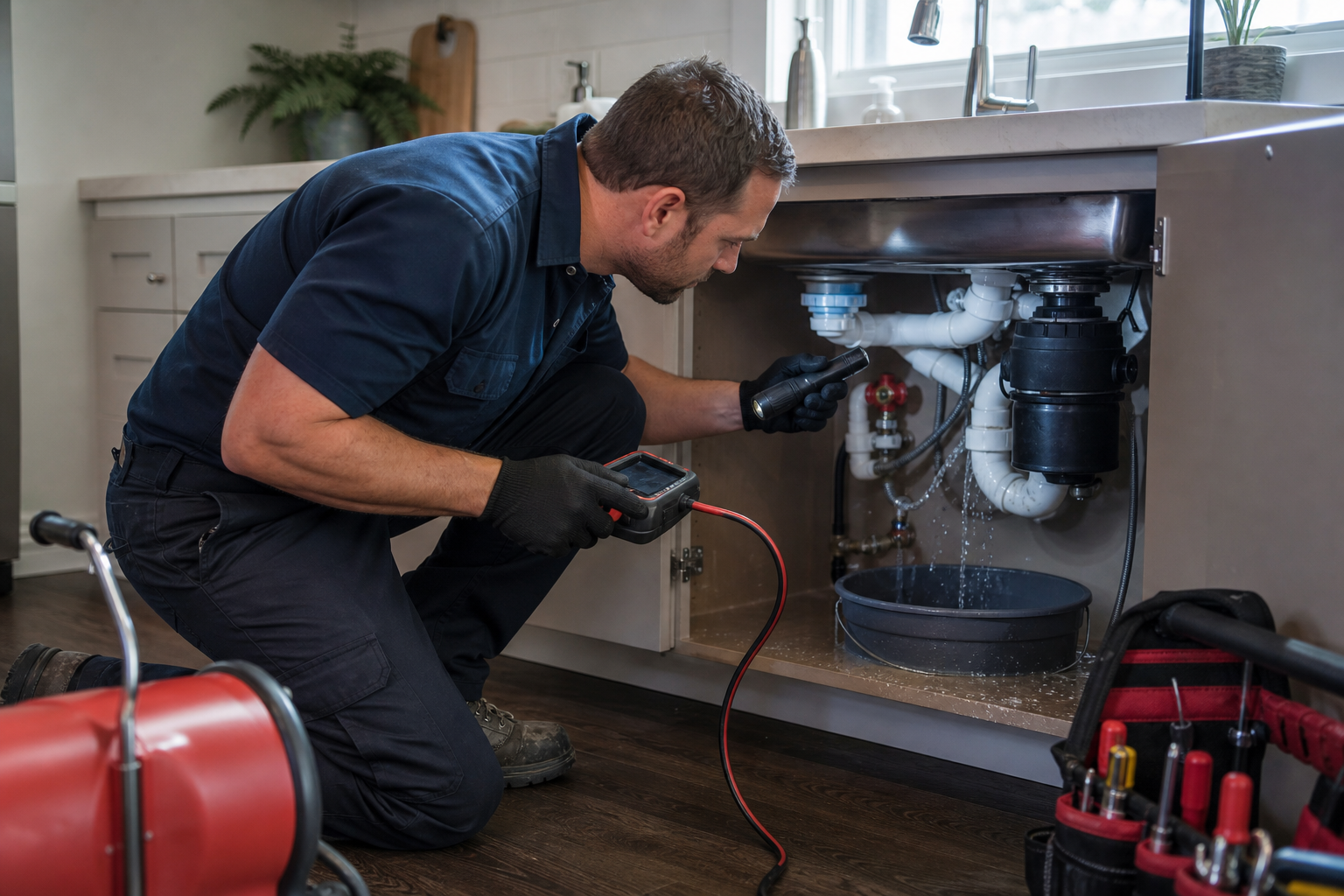
An under sink leak might come from a supply connection, faucet, drain, disposal unit, trap, or valve.
If an accessible isolation valve safely stops the supply leak, close it and arrange repair.
Cabinet materials can absorb water quickly, so dry accessible clean water where safe.
Leaks Inside Walls
Water appearing through paint, plaster, drywall, flooring, or trim can indicate a concealed leak.
The visible wet area may not be directly beside the failed pipe.
Moisture can travel through building materials.
Emergency Plumber for Ceiling Leaks
A plumbing fixture or pipe on an upper floor can produce water at the ceiling below.
However, roof leaks, HVAC condensate, and other sources can create similar symptoms.
Keep away from sagging ceilings and electrical fixtures affected by water while professionals identify the source.
Emergency Drain and Sewer Problems
A slow single drain is often a routine maintenance issue.
Multiple fixtures backing up or sewage entering the property can be much more urgent.
Signs of a Significant Drain Problem
Potential warning signs include several fixtures draining poorly at the same time, wastewater appearing in lower fixtures, repeated toilet backup, or sewage odors accompanied by drainage problems.
These symptoms can have different causes, so diagnosis matters.
Stop Adding Water
Using additional fixtures can increase wastewater volume behind an obstruction.
Minimize water use until the system has been evaluated.
Avoid Chemical Drain Cleaners During an Emergency
Chemical drain products can create hazards for occupants and plumbers and may be incompatible with some plumbing situations.
They also do not solve every obstruction.
When an Emergency Plumber May Use Drain Equipment
Professional diagnosis may involve appropriate drain machines, inspection cameras, locating equipment, or other tools depending on the problem.
A camera is not always the first step.
The plumber should choose diagnostic methods based on symptoms and access.
Overflowing Toilet Emergencies
A toilet overflow can be caused by a local blockage or a larger drainage problem.
Stop the Water
If the bowl is rising, stop flushing.
Where safe and accessible, close the toilet’s supply valve if incoming water is contributing to the overflow.
Do not continue testing the toilet repeatedly.
Determine Whether Other Fixtures Are Affected
If sinks, tubs, showers, or other toilets are also backing up, the problem may extend beyond the individual toilet.
This information is useful to the plumber.
When an Overflow Needs an Emergency Plumber
Prompt assistance is appropriate when the overflow cannot be stopped, sewage is entering the home, multiple fixtures are affected, or the problem repeatedly returns after basic appropriate measures.
Keep contaminated areas isolated until they are safely cleaned.
Emergency Water Heater Problems
Water heaters combine plumbing with energy sources and therefore require additional caution.
Water Leaking From the Tank
A small amount of water around a heater can originate from several components.
A severely leaking tank may require shutting off its water supply when this can be done safely and correctly.
Do not interact with electrical equipment that is wet.
Gas Water Heater Concerns
If you smell gas, hear an unusual gas leak sound, or suspect a gas supply problem, leave the area and follow the emergency instructions of your local gas utility or emergency authority.
Do not operate switches or create ignition sources in the affected environment.
This is not simply a routine plumbing problem.
Electric Water Heater Concerns
Electrical water heaters operate at hazardous voltages.
Water around electrical connections requires caution.
Emergency Plumber vs Other Professionals for Water Heaters
Depending on the problem, a licensed plumber, electrician, gas professional, HVAC technician, or utility service may need to be involved.
Do not attempt electrical or gas repairs without appropriate qualifications.
Low Water Pressure and Loss of Water
Sudden pressure loss can result from internal plumbing problems or issues with a public or private water supply.
Check Whether the Problem Is Property Wide
If only one faucet is affected, the issue may be local to that fixture.
If the entire property suddenly loses pressure, check for visible leaks and determine whether neighbors are experiencing similar problems when practical.
Water utility outages can mimic household plumbing faults.
Look for Evidence of Hidden Leakage
Unexpected sounds of running water, unexplained wet areas, meter activity, or water emerging from walls or floors may suggest leakage.
When Low Pressure Requires an Emergency Plumber
Sudden major pressure loss accompanied by visible water or suspected pipe failure can warrant urgent service.
Gradual low pressure without leakage may be suitable for a normal appointment, depending on circumstances.
Emergency Plumber for Gas Related Plumbing Work
In some jurisdictions, plumbers may hold qualifications that permit certain gas work.
Plumbing credentials alone should not be assumed to authorize every gas service.
Gas systems require specific licensing or certification depending on location.
Suspected Gas Leak Safety
A suspected gas leak is an emergency.
Move to a safe location and follow local utility and emergency service instructions.
Do not search for the leak using a flame or operate electrical equipment in a potentially hazardous atmosphere.
Verify Qualifications
When gas appliances or supply systems are involved, use a professional appropriately qualified for that work in your jurisdiction.
Emergency Plumber Credentials for Gas Work
Ask the company whether the attending technician has the specific gas credentials required for the proposed job.
Verify licensing through the appropriate regulatory authority when available.
What Counts as a 24 Hour Plumbing Emergency?
Many companies advertise 24 hour plumbing services, but response arrangements vary.
Some maintain technicians on duty, while others use an after hours callout structure.
Genuine Plumbing Emergencies
Situations commonly requiring urgent attention include:
• Uncontrolled water leaks
• Burst pipes
• Sewage entering the property
• Major drain backups
• Water threatening electrical systems
• Serious water heater leaks
• Essential plumbing loss in vulnerable situations
• Plumbing damage creating immediate property risk
The exact urgency depends on whether the system can be safely isolated.
Problems That May Be Able to Wait
A dripping tap, slow drain, running toilet that can be isolated, or nonessential fixture problem may sometimes wait for normal service hours.
Waiting can reduce after hours callout charges.
Deciding Whether to Call an Emergency Plumber
Ask two questions: can the source be safely contained, and will waiting likely cause substantial additional damage or create a health or safety issue?
If the answer indicates immediate risk, urgent service is reasonable.
How Much Does an Emergency Plumber Cost?
Emergency plumbing generally costs more than scheduled work because it may involve after hours labor, urgent dispatch, travel, and immediate resource availability.
There is no universal emergency plumbing price.
Factors Affecting Emergency Plumbing Costs
Cost can depend on:
• Time and day
• Location
• Travel
• Diagnostic complexity
• Labor duration
• Required parts
• Access
• Water damage
• Drain equipment
• Permits
• Scope of repair
A holiday night callout may be priced differently from urgent service during normal working hours.
Ask About Callout Charges
Before dispatch, ask whether there is an emergency callout fee and whether it includes any diagnostic or labor time.
Also ask about hourly or fixed pricing where applicable.
Emergency Plumber Estimates
When the property is actively flooding, immediate containment may need to happen before the complete repair price can be determined.
Still, the contractor should explain pricing as clearly as circumstances permit.
Request documentation for completed work and parts.
How to Choose an Emergency Plumber
Urgency should not eliminate basic contractor checks.
Verify Licensing
Plumbing licensing requirements vary by jurisdiction.
Use appropriate government or regulatory databases where available.
Ask whether the individual performing the work holds the required credentials for the job.
Check Insurance
A legitimate plumbing contractor should carry insurance appropriate to its activities and local requirements.
Large or complex projects may justify additional verification.
Look for Clear Business Information
A reliable company should provide a business name, contact information, service area, and pricing explanation.
Questions to Ask an Emergency Plumber
Before authorizing work, ask:
• Are you licensed for this work where required?
• What is the emergency callout charge?
• How is labor billed?
• Is diagnosis included?
• What immediate work is necessary?
• Can the problem be safely contained first?
• Will additional repairs be required later?
• What parts are being replaced?
• What warranty applies?
• Will I receive an itemized invoice?
During genuine emergencies, some details may only become clear after inspection.
Emergency Plumbing Scams and Red Flags
Urgent situations can make property owners vulnerable to high pressure sales.
Be cautious when a contractor refuses to explain basic pricing or demands an unusually large cash payment before evaluating the problem.
Other concerns can include a lack of verifiable credentials, vague business identity, or pressure to approve major unrelated work immediately.
A temporary emergency repair and a larger planned renovation are different decisions.
When immediate danger has been controlled, there may be time to obtain another opinion for substantial additional work.
Emergency Plumbing in Apartments and Rental Properties
Tenants may need to contact the landlord, property manager, building emergency line, or another designated service depending on the lease and local law.
Know the Building Procedure
Large apartment buildings can have centralized water shutoffs and plumbing systems that tenants should not operate themselves.
Use building emergency contacts where available.
Document the Problem
Notify the responsible party promptly through the required communication method and retain records where appropriate.
When Renters Should Call an Emergency Plumber
Responsibility varies by jurisdiction and rental agreement.
When immediate danger exists and property management cannot be reached, tenants should follow local emergency procedures and applicable tenancy rules.
Preventing Future Plumbing Emergencies
Not every plumbing failure can be prevented, but maintenance and preparation can reduce certain risks.
Know Your Shutoff Valves
Every adult household member who is able to do so should know where the main water shutoff is located and how it operates.
Test and maintain valves according to professional guidance rather than waiting for an emergency to discover that one is seized.
Address Small Leaks
Minor leaks can indicate deteriorating components.
Repairing them early can prevent water waste and reduce the chance of further damage.
Protect Pipes From Freezing
In cold climates, pipe protection can involve insulation, appropriate heating, air sealing, and winterization practices suited to the building.
Follow reliable local guidance.
Emergency Plumber Prevention Checklist
Useful preparation includes:
• Locate the main water shutoff
• Label appropriate fixture valves
• Maintain water heaters
• Repair known leaks
• Protect vulnerable pipes in cold climates
• Avoid inappropriate items in drains
• Know utility emergency numbers
• Keep a trusted plumber’s contact details
• Consider water leak detectors
• Review insurance coverage
Preparedness can reduce decision making during a stressful event.
Smart Leak Detection and Automatic Shutoff Systems
Technology can provide earlier warning of certain plumbing problems.
Water Sensors
Small sensors can be placed near water heaters, washing machines, sinks, or other leak prone areas.
Connected models can send phone notifications.
They only detect water in locations where sensors are positioned.
Automatic Shutoff Valves
Some systems monitor water use or respond to sensors and can automatically close the main supply.
These systems vary in design and reliability.
Professional installation may be required.
Can Technology Replace an Emergency Plumber?
No.
A shutoff device can potentially limit water flow, but it does not repair the failed pipe, fixture, drain, or appliance.
Technology works best as an early detection and damage limitation tool.
Water Damage After Emergency Plumbing Repair
Stopping the leak is only part of recovery after substantial water intrusion.
Wet building materials may require drying, cleaning, removal, or restoration.
Act Promptly
Water can spread into insulation, walls, flooring, cabinets, and structural materials.
The extent may not be obvious from the surface.
Consider Professional Restoration
Large losses, contaminated water, or water hidden within assemblies may justify professional water damage assessment.
Qualified restoration professionals can evaluate moisture and drying requirements.
Emergency Plumber and Insurance Documentation
Retain photographs, invoices, repair reports, and documentation of damaged property where relevant.
Insurance coverage depends on policy terms and cause of loss.
Contact the insurer for guidance rather than assuming every plumbing event is covered.
Common Emergency Plumbing Mistakes
Panic can lead to actions that make a plumbing problem more dangerous or expensive.
Avoid:
• Repeatedly using a blocked drain
• Entering electrically hazardous water
• Contacting sewage unnecessarily
• Forcing a seized shutoff valve
• Using open flames on frozen pipes
• Applying random drain chemicals
• Ignoring active ceiling leaks
• Attempting unqualified gas repairs
• Resetting electrical protection repeatedly
• Hiring an unverified contractor solely because they arrive first
Safe containment and qualified diagnosis should come before improvised repairs.
Frequently Asked Questions
When should I call an emergency plumber?
Call when an uncontrolled leak, burst pipe, sewage backup, serious water heater problem, or another plumbing failure creates immediate property, health, or safety concerns.
How much does an emergency plumber cost?
Costs depend on location, callout time, labor, parts, travel, access, and repair complexity. Ask about emergency fees and billing structure before dispatch when possible.
What should I do before an emergency plumber arrives?
If safe, shut off the affected water supply, stop using impacted fixtures, move vulnerable belongings, avoid sewage and electrical hazards, and document visible damage.
Can an emergency plumber fix a burst pipe immediately?
Many burst pipes can receive an immediate repair or safe isolation, but concealed damage, unavailable parts, or broader system problems may require additional planned work.
Is a blocked drain a plumbing emergency?
It can be when sewage is backing up, multiple fixtures are affected, or wastewater cannot be contained. A minor slow drain may be suitable for scheduled service.
How do I find a reliable emergency plumber?
Verify applicable licensing, insurance, business identity, emergency pricing, reviews or references where practical, written work details, and warranties before approving substantial repairs.
Conclusion
An emergency plumber is most valuable when a plumbing failure cannot safely wait for routine service. During a burst pipe, uncontrolled leak, sewage backup, or serious water heater problem, prioritize personal safety and isolate the water when it can be done without risk. Qualified diagnosis, clear pricing, and proper repairs can then address the underlying failure, while prompt drying and documentation may help limit the longer term effects of significant water damage.