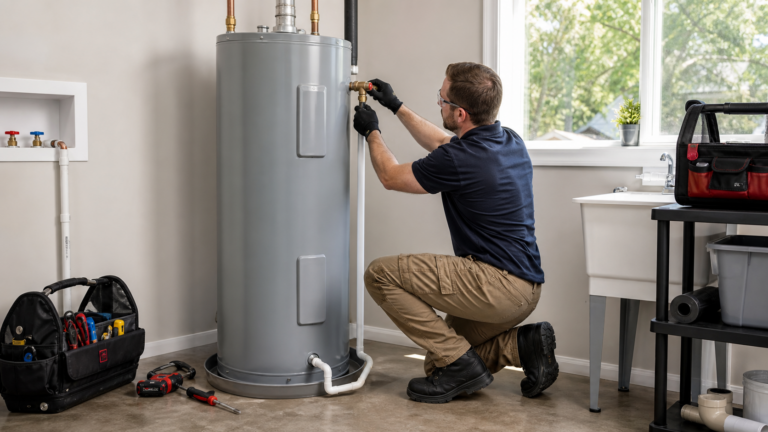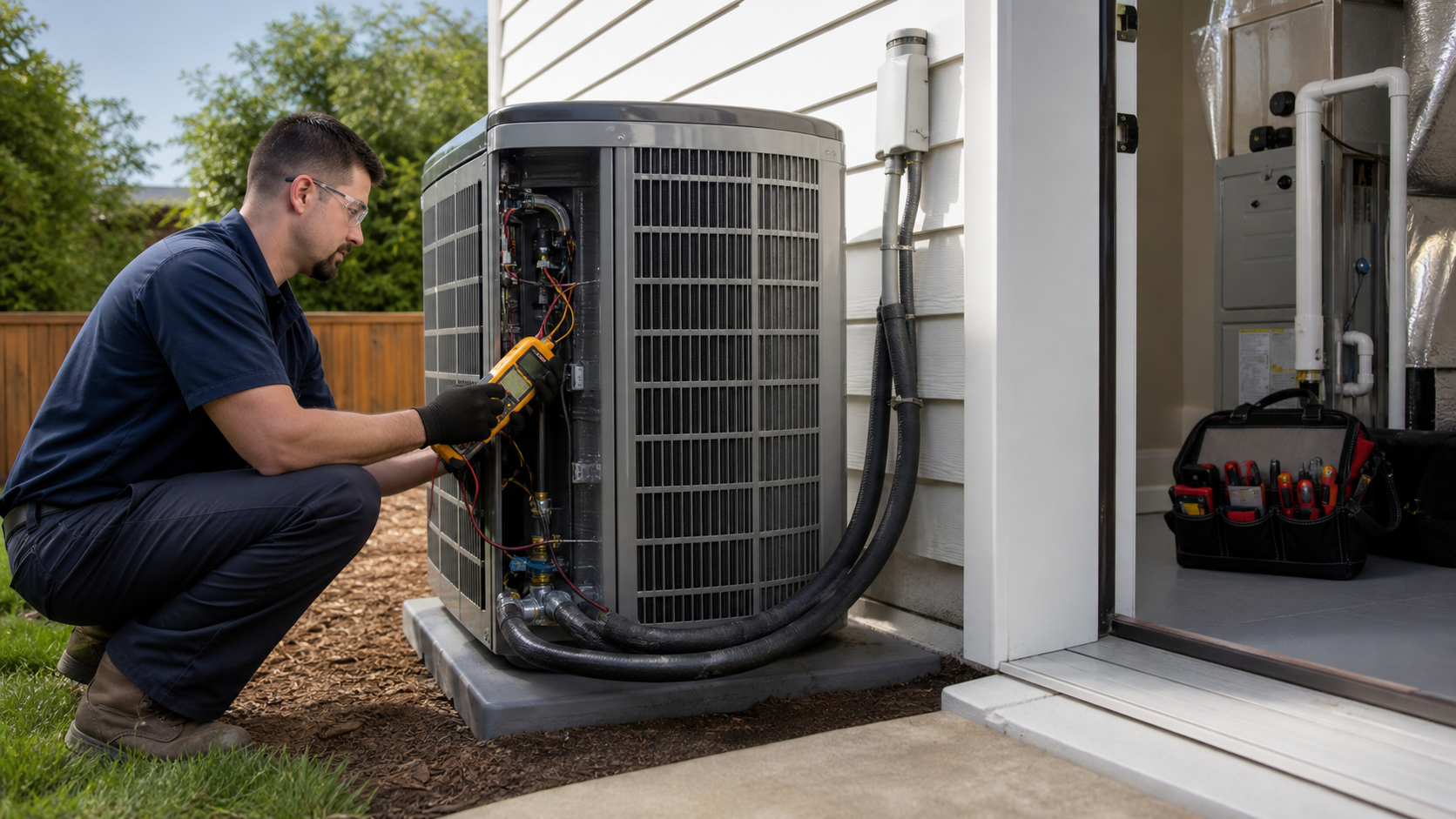
HVAC Maintenance: How to Keep Heating and Cooling Systems Running Reliably
Regular HVAC maintenance helps heating, ventilation, and air conditioning equipment operate as intended while giving homeowners an opportunity to identify developing problems before an inconvenient breakdown. Maintenance can include filter care, cleaning, drainage checks, electrical inspections, airflow evaluation, thermostat review, and equipment specific service, but the exact requirements depend on whether a home uses a furnace, heat pump, central air conditioner, boiler, ductless system, or another configuration. A sound maintenance plan follows manufacturer guidance and addresses the complete system rather than treating every HVAC unit as though it has identical service needs.
What Is HVAC Maintenance?
HVAC maintenance is the routine inspection, cleaning, adjustment, and servicing of equipment responsible for heating, cooling, ventilation, and related indoor environmental control.
Some tasks are suitable for homeowners. Others involve electricity, refrigerants, fuel combustion, moving components, or specialized measurements and should be handled by appropriately qualified technicians.
Maintenance is not the same as repair.
Maintenance aims to preserve normal operation and identify concerns. Repair addresses equipment that is malfunctioning, damaged, or unable to perform correctly.
Why Is HVAC Maintenance Important?
Heating and cooling equipment contains components that operate repeatedly under changing temperatures and loads.
Filters collect particles. Coils can accumulate debris. Drainage systems can clog. Electrical components can deteriorate. Mechanical parts can wear.
Regular attention can help:
• Support reliable equipment operation
• Maintain appropriate airflow
• Identify abnormal wear
• Keep coils and drainage components clean
• Detect certain electrical problems
• Support combustion safety where applicable
• Maintain manufacturer requirements where relevant
• Reduce the chance that minor issues remain unnoticed
Maintenance cannot guarantee that equipment will never fail.
7 Powerful HVAC Maintenance Tips for Better Performance
Homeowners can build a practical maintenance strategy around these seven areas while following the instructions for their specific system.
1. Make Filter Care Part of HVAC Maintenance
Air filters are among the most visible maintenance components in many forced air systems.
Their purpose and configuration vary, but they commonly protect HVAC equipment while capturing some airborne particles from recirculated air.
How Often Should HVAC Filters Be Changed?
There is no universal replacement schedule.
Filter service frequency depends on:
• Filter type
• Equipment operation
• Household occupancy
• Pets
• Indoor particle levels
• Construction or renovation dust
• Filter size
• System airflow
• Manufacturer recommendations
Inspect filters periodically and replace or clean them according to equipment and filter instructions.
A Higher Filter Rating Is Not Always Better
Filters create resistance to airflow.
A high efficiency filter that creates excessive pressure drop for the existing system can reduce airflow if the equipment and ductwork were not designed for it.
Choose a Compatible Filter
Use the correct dimensions and an appropriate filtration level for the HVAC system.
If improved particle filtration is a priority, ask an HVAC professional whether the filter cabinet, return system, and blower can support the proposed filter.
Filtration and system airflow should be considered together.
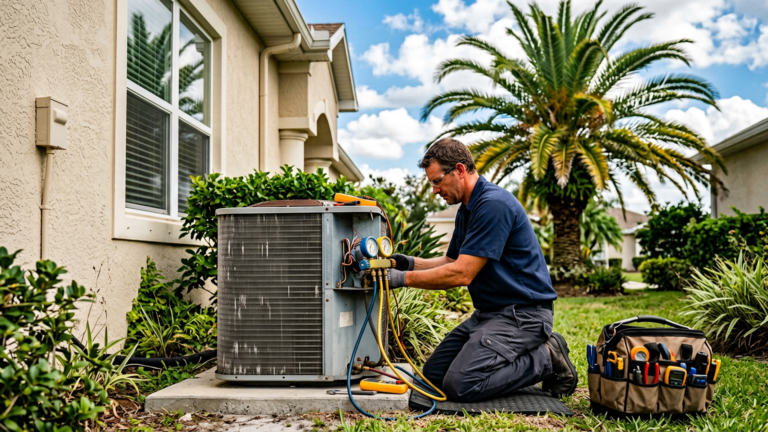
2. Keep Outdoor HVAC Equipment Clear
Air conditioners and air source heat pumps transfer heat through outdoor coils.
They require adequate airflow.
Remove Nearby Debris
Check for leaves, grass clippings, vegetation, and other material that could obstruct the outdoor equipment.
Do not stack objects around the unit.
Maintain Manufacturer Clearances
There is no appropriate universal clearance distance for every condenser or heat pump.
Follow the equipment manufacturer’s specifications around sides, top, service panels, and nearby structures.
Be Careful With Landscaping
Shrubs and decorative screens can conceal equipment but may interfere with airflow or service access if positioned too close.
Plan landscaping around HVAC requirements rather than forcing the equipment into an enclosed area.
Avoid Damaging the Coil
Outdoor coil fins can be delicate.
Do not use aggressive pressure washing or sharp tools without knowing the manufacturer’s cleaning procedure.
Bent or damaged fins can interfere with airflow through the heat exchanger.
3. Include Indoor Coils and Drainage in HVAC Maintenance
During cooling operation, the indoor evaporator coil can collect moisture from the air.
That condensate must drain correctly.
Why Condensate Maintenance Matters
Blocked or damaged drainage can cause:
• Water leakage
• Equipment shutdown
• Overflow
• Damage to nearby finishes
• Persistent moisture
• Drain pan problems
Certain installations use safety switches or secondary drainage arrangements to reduce overflow risk.
Inspect Accessible Drain Areas
Homeowners can watch for unexpected water around indoor equipment.
Persistent moisture, rust, or repeated drain backups deserve professional evaluation.
Do Not Pour Random Chemicals Into Drains
HVAC drain materials and equipment differ.
Use maintenance procedures and cleaning products approved by the manufacturer or recommended by a qualified technician.
Improper chemicals can damage components or create hazardous reactions.
Evaporator Coil Cleaning
An evaporator coil should not automatically require aggressive chemical cleaning at every service.
The technician can inspect its condition and choose an appropriate method if cleaning is necessary.
Maintaining filtration and airflow can help reduce debris reaching the coil.
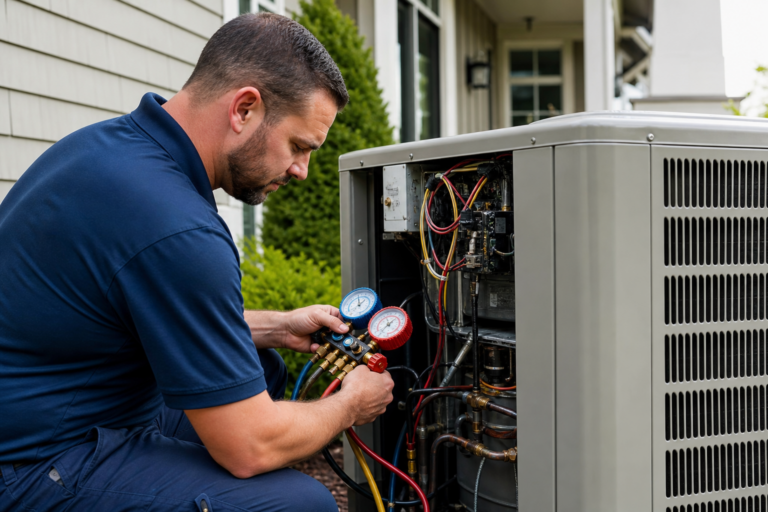
4. Make Professional Inspection Part of HVAC Maintenance
Homeowners can perform useful visual checks, but professional service can evaluate components that require training and instruments.
What needs inspection depends on the system.
Professional AC Maintenance Can Include
Depending on equipment and conditions, a technician may evaluate:
• Electrical components
• Operating temperatures
• Airflow
• Blower operation
• Condensate drainage
• Coil condition
• Controls
• Refrigerant system performance
• Thermostat operation
• Equipment condition
This does not mean every system requires every procedure at every visit.
Furnace Maintenance Has Different Priorities
Fuel burning equipment introduces combustion considerations.
A technician may evaluate components such as burners, ignition, venting, heat exchangers, controls, and other manufacturer specified items.
Carbon Monoxide Requires Serious Attention
Carbon monoxide is colorless and odorless.
Homes with fuel burning equipment should use carbon monoxide alarms according to current manufacturer instructions and applicable local requirements.
An alarm is an important safety device but does not replace proper furnace inspection and maintenance.
5. Check Thermostat and HVAC Controls
Thermostats influence system operation, comfort, and scheduling.
A thermostat problem can sometimes resemble an HVAC equipment problem.
Verify Basic Operation
Check whether the thermostat:
• Displays correctly
• Responds to temperature changes
• Activates the intended mode
• Follows programmed schedules
• Uses functioning batteries where applicable
• Is configured for the equipment
A thermostat should be compatible with the HVAC system.
Smart Thermostats
Smart controls can provide scheduling, remote management, and other features.
Some can help homeowners use their systems more deliberately, but energy savings depend on behavior, building characteristics, system type, climate, and settings.
Avoid Extreme Setpoint Changes
Setting a conventional thermostat far below the desired cooling temperature does not generally make a standard single stage air conditioner cool faster.
Equipment operation depends on system design.
Variable and staged systems can behave differently, so follow manufacturer guidance.
6. Include Ductwork in HVAC Maintenance
Ducts distribute conditioned air throughout many homes.
Problems in the distribution system can affect comfort even when the heating and cooling equipment itself is operating correctly.
Common Duct Problems
Possible issues include:
• Disconnected sections
• Air leakage
• Crushed flexible ducts
• Damaged insulation
• Restricted returns
• Poorly sealed connections
• Blocked registers
• Inadequate sizing
• Excessive pressure losses
A duct inspection can help identify whether comfort complaints originate from the equipment or distribution system.
Do Ducts Need Routine Cleaning?
Routine whole house duct cleaning is not automatically necessary for every home.
The U.S. Environmental Protection Agency has stated that air ducts should generally be cleaned as needed rather than on a fixed universal schedule.
When Duct Cleaning May Be Considered
Professional evaluation can be appropriate when there is substantial visible contamination, pest infestation, or excessive debris affecting the system.
The source of contamination should also be corrected.
Cleaning ducts without addressing water intrusion, filtration problems, or pest entry may allow the problem to return.
7. Use Seasonal HVAC Maintenance Planning
Heating and cooling demands change throughout the year.
Planning maintenance before periods of heavy use can help identify problems before extreme weather arrives.
Cooling Season Preparation
Before regular air conditioning use, consider:
• Checking the filter
• Clearing outdoor equipment
• Inspecting visible condensate areas
• Testing thermostat operation
• Scheduling appropriate professional service
• Confirming registers are not unintentionally blocked
These basic steps do not replace technical commissioning when a performance problem exists.
Heating Season Preparation
Before regular heating operation, check filters and controls and arrange manufacturer appropriate maintenance.
Fuel burning systems deserve particular attention because combustion and venting are safety related.
Heat Pumps Operate in Both Seasons
Heat pumps provide both cooling and heating, so outdoor equipment can operate for much of the year.
Maintenance planning should account for this extended operating schedule.
Cold climate homeowners should also follow manufacturer instructions concerning snow and ice around outdoor units.
HVAC Maintenance for Central Air Conditioners
Central air conditioning typically includes an outdoor unit and an indoor evaporator coil connected through a refrigerant circuit.
The blower and ductwork move conditioned air throughout the home.
Keep Coils Functional
Heat transfer surfaces need appropriate airflow.
Dirty coils can affect performance, although cleaning procedures should match actual conditions rather than being performed unnecessarily.
Refrigerant Is Not Consumed Like Fuel
A properly operating closed refrigeration system should not routinely need refrigerant simply because time has passed.
Low refrigerant can indicate leakage or another service issue.
Repeatedly adding refrigerant without investigating the cause can leave the underlying problem unresolved.
HVAC Maintenance for Heat Pumps
Heat pumps use refrigeration technology for both heating and cooling.
Many systems reverse their operating cycle depending on season.
Check Outdoor Equipment Year Round
Because the outdoor unit can operate during both heating and cooling periods, keep it free of obstructive vegetation and debris throughout the year.
Defrost Operation
Air source heat pumps can develop frost on outdoor coils during heating operation in appropriate weather.
Modern systems use defrost controls to manage this condition.
Some frost can be normal. Persistent heavy ice or unusual operation can indicate a problem requiring service.
HVAC Maintenance for Gas Furnaces
Gas furnaces require correct fuel supply, combustion, venting, electrical controls, and airflow.
Repairs to fuel gas or combustion systems should be left to qualified professionals.
Furnace Filters
Many furnaces share filtration and blower components with central cooling systems.
Restricted filters can affect both heating and cooling airflow.
Inspect Venting
Venting problems can create serious hazards.
Homeowners can visually observe accessible vent components for obvious displacement or damage, but technical assessment should be performed professionally.
Never block or modify combustion air openings to eliminate a draft without determining their purpose.
HVAC Maintenance for Boilers
Boilers heat water or another fluid that circulates through a building’s heating system.
They have different maintenance requirements from forced air furnaces.
Boiler Service
Professional maintenance may include evaluation of:
• Combustion where applicable
• Pumps
• Controls
• Pressure
• Expansion components
• Venting
• Safety devices
• Hydronic components
Exact procedures depend on equipment.
Do Not Ignore Water Around a Boiler
Leaks can indicate problems with piping, valves, pumps, relief components, or the boiler itself.
Safety relief equipment should never be capped or disabled to stop leakage.
HVAC Maintenance for Ductless Mini Splits
Ductless systems typically use one or more indoor units connected to outdoor equipment.
They require filter, coil, drainage, and outdoor unit maintenance.
Clean Reusable Filters
Many ductless indoor units have washable filters.
Follow manufacturer instructions for removal, cleaning, drying, and reinstallation.
Inspect Condensate Drainage
Indoor units can develop leakage if drain systems become obstructed or damaged.
Contact a qualified technician if water appears from an indoor unit.
HVAC Maintenance and Indoor Air Quality
Heating and cooling equipment can affect filtration, humidity, and ventilation, but HVAC maintenance alone does not solve every indoor air quality concern.
Source Control Matters
Indoor pollutants can originate from cooking, cleaning products, tobacco smoke, moisture, pets, furnishings, combustion, outdoor air, and other sources.
Addressing pollution sources is important.
Ventilation
Modern buildings may use mechanical ventilation to provide controlled outdoor air.
Ventilation equipment needs its own maintenance according to manufacturer instructions.
Humidity Control
High indoor humidity can contribute to discomfort and moisture problems.
Low humidity can also affect comfort.
Persistent humidity issues deserve investigation into equipment sizing, ventilation, moisture sources, building envelope conditions, and climate.
HVAC Maintenance and Energy Efficiency
Proper maintenance can support equipment performance, but guaranteed energy savings should not be promised.
Actual energy consumption reflects both the HVAC system and the building it serves.
What Influences HVAC Energy Use?
Factors include:
• Outdoor weather
• Thermostat settings
• Insulation
• Air leakage
• Windows
• Equipment efficiency
• Duct performance
• Maintenance
• Household behavior
• Utility rates
A clean, properly operating system cannot compensate entirely for a poorly insulated building.
High Utility Bills Need Diagnosis
An unexpected energy bill does not prove the HVAC equipment is malfunctioning.
Changes in weather, rates, occupancy, thermostat settings, and other appliances may affect consumption.
Compare usage as well as total cost when reviewing bills.
HVAC Maintenance and Refrigerants
Air conditioners and heat pumps use refrigerants in a closed system to transfer heat.
Refrigerant service requires specialized knowledge and is regulated.
EPA Technician Requirements
In the United States, technicians performing covered work involving regulated refrigerants must satisfy applicable Environmental Protection Agency Section 608 certification requirements.
Homeowners should not attempt refrigerant charging or recovery.
Refrigerant Regulations Change
Equipment technologies and environmental regulations continue to evolve.
Use current EPA and manufacturer information rather than relying on outdated advice about specific refrigerants.
HVAC Maintenance Cost
There is no universal maintenance price.
Costs vary by equipment type, number of systems, region, accessibility, maintenance scope, and whether repairs are discovered.
What Can Affect HVAC Maintenance Cost?
Pricing can reflect:
• Furnace, AC, boiler, or heat pump type
• Number of indoor and outdoor units
• Service scope
• Equipment accessibility
• Local labor rates
• Specialty testing
• Replacement filters
• Needed repairs
• Membership plans
Ask what procedures are included in the quoted service.
Maintenance Plans
HVAC companies sometimes offer annual membership or service plans.
These can include scheduled visits, discounts, priority service, or other benefits.
Read the Terms
Compare the plan price with the services actually provided.
A maintenance agreement is not necessarily an insurance policy against breakdowns and does not mean all repairs are free.
DIY HVAC Maintenance Versus Professional Service
Homeowners can safely handle basic tasks when manufacturer instructions permit.
Examples include filter checks, keeping registers clear, monitoring equipment, and removing ordinary debris from around outdoor units.
Leave Technical Work to Professionals
Professional assistance is appropriate for:
• Refrigerant systems
• Fuel gas components
• Combustion problems
• High voltage electrical work
• Internal equipment repairs
• Repeated breaker trips
• Persistent drainage problems
• Unusual noises
• Burning odors
• Loss of heating or cooling
Local licensing requirements vary.
Warning Signs Your HVAC System Needs Service
Maintenance visits are planned. Service calls respond to a problem.
Recognizing the difference prevents a malfunction from being mistaken for routine maintenance.
Common Warning Signs
Contact an appropriate professional for:
• Repeated shutdowns
• New or unusual noises
• Burning odors
• Unexpected water
• Weak airflow
• Inadequate heating
• Inadequate cooling
• Repeated breaker trips
• Heavy unexplained ice
• Significant comfort changes
• Error codes that persist
Some conditions may require the system to remain off until evaluated.
Gas Odor Requires Immediate Action
If you smell gas, follow the gas utility’s emergency guidance, leave the building when appropriate, and avoid potential ignition sources.
Do not treat a suspected gas leak as a routine furnace maintenance issue.
How Often Is HVAC Maintenance Needed?
There is no one schedule for every piece of equipment.
Manufacturer recommendations should provide the primary maintenance framework.
Equipment Usage Matters
A heat pump operating throughout the year may have different needs from separate heating and cooling systems that run seasonally.
Environmental conditions also matter.
Warranty Requirements
Some manufacturers specify maintenance responsibilities as part of their warranty conditions.
Keep service records and invoices.
Documentation can be useful if a warranty claim arises.
HVAC Maintenance Before Buying a Home
A general home inspection can identify visible HVAC conditions, but it is not necessarily equivalent to a technical system evaluation.
Older, unusual, or questionable equipment may justify a specialist inspection.
Ask for Maintenance Records
Service records can provide useful context about repair history and previous maintenance.
A missing maintenance record does not prove neglect, but records can help evaluate the system.
Check Equipment Identification
Model and serial information can help determine equipment specifications and compatibility.
Age should be considered alongside actual condition rather than treated as the sole replacement criterion.
HVAC Maintenance After Renovation
Construction and remodeling can create substantial dust and debris.
HVAC systems deserve attention during and after these projects.
Protect the System During Construction
Contractors should avoid using HVAC equipment in ways that draw excessive construction dust into unsuitable filters, coils, and ducts.
The correct approach depends on the project and system.
Check Filters After Dusty Work
Renovations involving drywall sanding, cutting, or demolition can load filters faster than ordinary household use.
Inspect them more frequently during these conditions.
Common HVAC Maintenance Mistakes
A frequent mistake is assuming that maintenance means simply replacing the filter.
Filters are important, but complete professional maintenance considers additional equipment specific components.
Ignoring Drainage
Small condensate problems can result in significant water damage.
Unexpected moisture near cooling equipment deserves attention.
Blocking Registers
Furniture, rugs, boxes, and other objects can interfere with supply or return airflow.
Keep intended openings unobstructed unless a qualified HVAC professional recommends otherwise.
Covering Outdoor Units Improperly
A cover can restrict airflow or trap moisture if used incorrectly.
Follow manufacturer guidance concerning seasonal protection.
Skipping Service Because the System Still Runs
Equipment can continue operating despite developing conditions.
Routine inspection can identify some problems before total failure.
Creating an HVAC Maintenance Checklist
A property specific maintenance record can make routine care easier.
Record equipment information and service history rather than relying on memory.
Information Worth Keeping
Save:
• Manufacturer
• Model numbers
• Serial numbers
• Installation date
• Filter specifications
• Warranty documentation
• Contractor information
• Service invoices
• Repair history
• Thermostat documentation
• Manufacturer maintenance instructions
This information can be valuable when parts or replacement equipment are eventually needed.
Frequently Asked Questions
What does HVAC maintenance include?
HVAC maintenance can include filters, coils, drainage, airflow, electrical components, thermostats, controls, outdoor equipment, and system specific safety checks.
How often should HVAC maintenance be performed?
Frequency depends on equipment type, usage, manufacturer instructions, climate, and warranty requirements. There is no universal schedule suitable for every system.
Does HVAC maintenance reduce energy bills?
Proper maintenance can support normal efficiency, but savings vary with weather, building condition, equipment, utility rates, thermostat settings, and household behavior.
Can I perform HVAC maintenance myself?
Homeowners can often handle filters and basic visual checks. Refrigerant, combustion, gas, high voltage electrical, and internal repair work should be handled by qualified professionals.
Why is HVAC maintenance important for heat pumps?
Heat pumps can operate during both heating and cooling seasons, making filter condition, outdoor airflow, coils, drainage, controls, and refrigeration performance important throughout the year.
What are signs that HVAC maintenance is not enough?
Loss of heating or cooling, repeated shutdowns, unusual sounds, unexpected water, burning odors, breaker trips, or significant ice can indicate a repair issue requiring professional diagnosis.
Conclusion
Effective HVAC maintenance combines simple homeowner care with equipment specific professional service. Clean filters, unobstructed airflow, functional drainage, appropriate controls, inspected electrical and combustion components, and properly maintained coils can help a system operate as designed. Following manufacturer guidance and responding promptly to unusual performance changes provides a more reliable approach than waiting for heating or cooling equipment to fail during periods of peak demand.