7-Foot Portable Restroom Guide: Rentals, Dimensions, Placement, and Sanitation
A 7-foot portable restroom offers a practical sanitation solution for construction sites, outdoor events, festivals, temporary workplaces, parks, private gatherings, and locations without convenient permanent toilets. The term generally describes the approximate height of a portable sanitation unit rather than one standardized model, so interior dimensions, waste tank capacity, weight, ventilation, doorway size, and accessories can differ among manufacturers and rental providers. Choosing the right unit requires considering expected attendance, rental duration, servicing frequency, accessibility, placement, hand hygiene, delivery access, and local requirements. Careful planning can improve user convenience while making routine pumping, cleaning, and pickup significantly easier.
What Is a 7-Foot Portable Restroom?
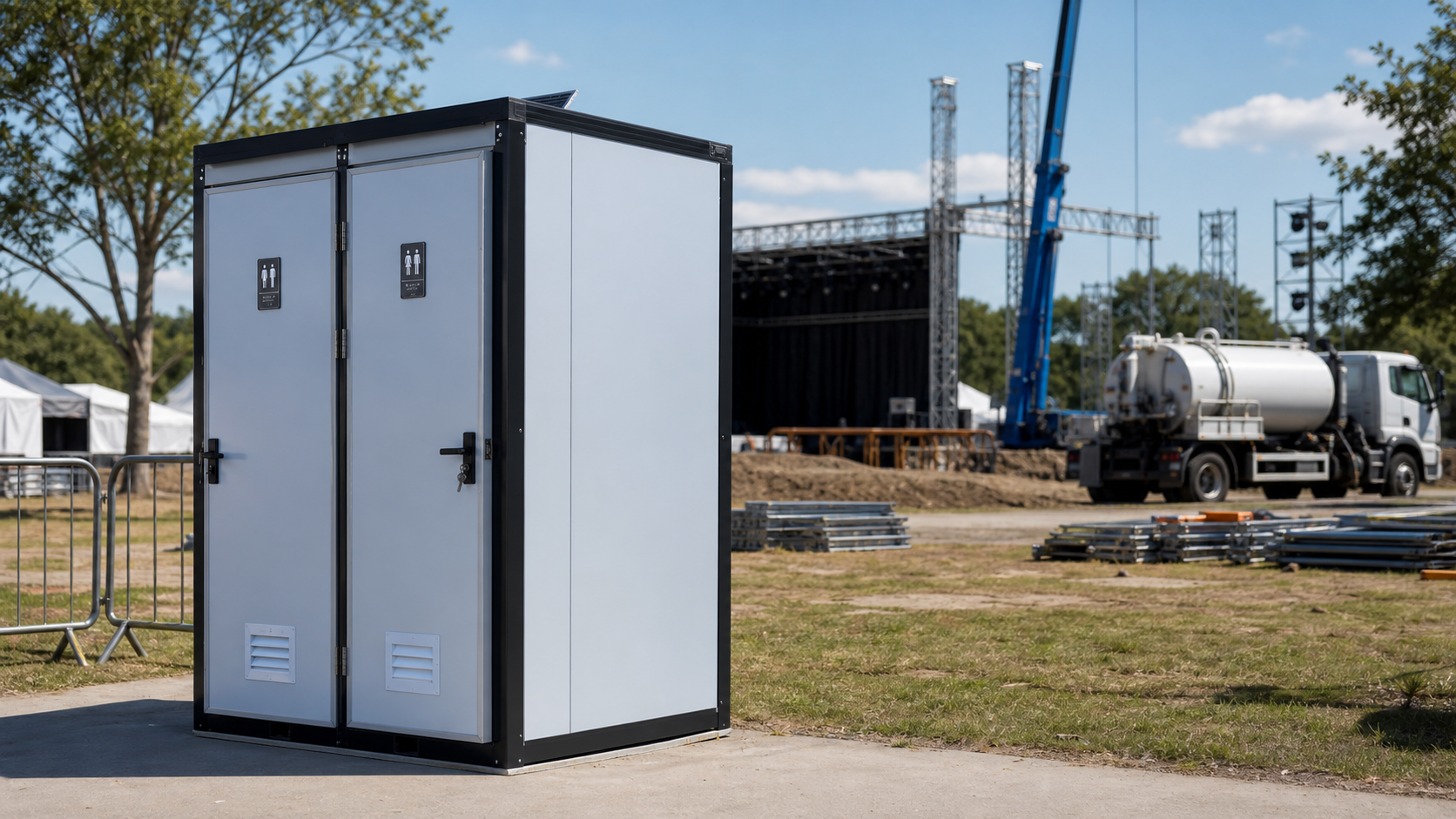
A 7-foot portable restroom is a freestanding portable sanitation enclosure measuring approximately seven feet in overall height, depending on the specific model.
Typical units contain a waste holding tank and toilet seat inside a lightweight but durable enclosure. Many models also provide ventilation, a lockable privacy door, a urinal, toilet paper dispensers, and other basic accessories.
A standard portable restroom does not ordinarily require connection to a building sewer.
Are All 7-Foot Portable Restroom Units the Same Size?
No.
Seven feet is often an approximate height description rather than a complete dimensional specification.
The following dimensions can vary:
• Exterior width
• Exterior depth
• Interior floor area
• Door opening
• Roof height
• Holding tank capacity
• Overall weight
• Base dimensions
• Interior fixture configuration
Always request the specification sheet for the exact unit when dimensions are important.
How Does a Portable Restroom Work?
Waste enters an integrated holding tank below or behind the toilet opening, depending on unit design.
A sanitation service provider periodically pumps the tank and services the enclosure.
Unlike a conventional flush toilet, a basic portable unit does not depend on a permanent water supply and sewer connection.
What Is Inside the Holding Tank?
Service providers typically use sanitation products formulated for portable toilet applications.
Formulations and treatment practices vary.
Only products approved by the rental or sanitation provider should be added because incompatible chemicals can interfere with servicing or wastewater disposal.
7 Powerful 7-Foot Portable Restroom Rental Benefits
Portable restrooms are relatively simple equipment, but their usefulness depends on good planning. These seven factors explain why this size category is common and how to obtain better results.
1. A 7-Foot Portable Restroom Can Serve Many Temporary Locations
One major advantage is deployment where permanent plumbing is unavailable or impractical.
Units can be delivered and removed without constructing a permanent bathroom.
Common Applications
Potential uses include:
• Construction sites
• Weddings
• Festivals
• Sporting events
• Fairs
• Concerts
• Outdoor markets
• Private parties
• Farms
• Temporary workplaces
• Emergency response areas
• Renovation projects
The right configuration depends on the type of users and duration of the installation.
Temporary Does Not Mean Unplanned
Delivery still requires suitable access and a stable placement location.
Restrooms should be incorporated into the site plan before crowds, construction materials, vehicles, or temporary structures block access.
2. A 7-Foot Portable Restroom Is Designed for Efficient Transport
Portable restroom enclosures are commonly designed to be moved by specialized sanitation companies.
Their relatively compact footprint enables multiple units to serve a site without requiring permanent construction.
Delivery Access Matters
Before placing an order, discuss:
• Gate widths
• Road conditions
• Slopes
• Overhead clearance
• Soft ground
• Vehicle access
• Pedestrian areas
• Construction traffic
• Event structures
Delivery requirements vary by provider and equipment.
Service Access Must Continue Throughout the Rental
A suitable delivery location can become unsuitable later if vehicles, fencing, dumpsters, materials, tents, or equipment block it.
Plan for routine sanitation service as well as initial delivery.
3. A 7-Foot Portable Restroom Can Support Construction Site Sanitation
Construction sites frequently lack permanent toilet facilities during early project stages.
Portable sanitation provides a practical temporary solution.
Construction Site Placement
Position units where workers can reach them without interfering with:
• Heavy equipment
• Material deliveries
• Excavations
• Crane activity
• Emergency routes
• Active demolition
• Traffic
Location should be coordinated as the site evolves.
OSHA Considerations
In the United States, employers are subject to Occupational Safety and Health Administration sanitation requirements applicable to workplaces.
The required number and availability of toilet facilities can depend on workforce and worksite conditions.
Verify Current Requirements
Employers should consult current OSHA rules and any applicable state plan requirements rather than relying solely on rental company rules of thumb.
A rental provider can assist with logistics, but legal compliance remains an employer responsibility.
4. A 7-Foot Portable Restroom Can Simplify Event Planning
Outdoor events need sanitation capacity appropriate to attendance, event duration, alcohol service, food and beverage activity, and the availability of permanent facilities.
There is no universal unit count that works for every event.
Factors Affecting Restroom Quantity
Consider:
• Number of guests
• Event duration
• Event type
• Food service
• Beverage consumption
• Alcohol service
• Existing permanent restrooms
• Peak attendance
• Accessibility requirements
• Service opportunities
• Local regulations
Rental companies often have planning formulas, but organizers should also verify venue and local requirements.
Large Events May Need Mid Event Service
For long or heavily attended events, providing more units is not the only option.
Scheduled pumping, cleaning, and restocking during the event can help maintain usable conditions.
Consider Separate Handwashing Facilities
Portable handwashing stations can supplement restroom units where required or desirable.
Food service operations may have specific handwashing requirements that are separate from general guest sanitation.
5. A 7-Foot Portable Restroom Requires Proper Placement
Where a restroom is positioned can affect stability, usability, odors, servicing, and accessibility.
A level and firm location is generally preferable.
Choose Stable Ground
Avoid locations where a unit can settle unevenly or become unstable.
Potential problem areas include:
• Deep mud
• Loose slopes
• Flood prone depressions
• Unstable fill
• Areas exposed to vehicle impact
• Locations near unsupported edges
Providers can advise on suitability during site planning.
Consider Wind Exposure
Portable enclosures can be affected by strong winds.
Placement and securing practices should follow the rental provider’s and manufacturer’s procedures.
Do Not Relocate the Unit Yourself Without Permission
Moving a loaded portable restroom can create tipping, leakage, equipment damage, and service problems.
Contact the rental provider when a unit needs relocation.
6. A 7-Foot Portable Restroom Needs Scheduled Sanitation Service
A portable restroom is not maintenance free simply because it does not use a conventional sewer.
The holding tank requires pumping, and the interior needs cleaning and restocking.
What Routine Service Can Include
Depending on the rental agreement, service may involve:
• Pumping waste
• Cleaning internal surfaces
• Replenishing tank treatment
• Replacing toilet paper
• Inspecting the unit
• Cleaning the urinal where installed
• Addressing odors
• Restocking other contracted supplies
The exact scope should appear in the rental agreement.
Service Frequency Depends on Use
No single schedule is appropriate for every location.
A lightly used unit at a small workplace and a heavily used restroom at a crowded festival require different servicing.
Ask About Emergency Service
Construction schedules and event attendance can change unexpectedly.
Before signing the agreement, ask what happens if the holding tank approaches capacity or the unit requires additional cleaning before its scheduled visit.
7. Accessibility Must Be Considered Alongside a 7-Foot Portable Restroom
A standard portable toilet is not automatically an accessible restroom.
Accessible portable units generally have larger interiors, appropriately designed doors, maneuvering space, grab bars, and other features intended for accessible use.
Standard and Accessible Units Are Different
The approximate seven foot height of a unit tells you nothing about whether it satisfies accessibility requirements.
Confirm the exact model and specifications.
ADA Requirements
In the United States, accessibility requirements can apply to public accommodations, commercial facilities, public entities, and certain events or temporary facilities depending on circumstances.
Applicable standards can affect:
• Accessible toilet availability
• Routes
• Ground surfaces
• Door access
• Placement
• Signage
• Maneuvering space
The Route Matters Too
Providing an accessible unit at the end of an inaccessible path does not create meaningful access.
Mud, curbs, steep slopes, gravel, cables, and temporary barriers can prevent wheelchair access.
Site planning should consider the complete route.
Standard 7-Foot Portable Restroom Features
Rental inventory differs among companies.
A basic model typically emphasizes functionality rather than luxury.
Common Interior Features
Depending on model, equipment can include:
• Toilet seat
• Holding tank
• Urinal
• Toilet paper holder
• Door latch
• Occupancy indicator
• Ventilation
• Interior handholds
Some accessories are optional.
Ventilation
Portable units commonly use ventilation features intended to help manage odors.
Performance depends on model, temperature, use, cleanliness, and servicing.
Avoid Blocking Vents
Do not cover vents in an attempt to control drafts or insects.
Ventilation is part of the unit’s sanitation design.
7-Foot Portable Restroom Dimensions
The exact dimensions must come from the manufacturer or rental company.
Do not design pathways or enclosures around height alone.
Width and Depth Matter
The exterior footprint influences:
• Delivery
• Placement
• Required site space
• Temporary fencing
• Walkways
• Service access
• Grouped restroom layouts
Request exact specifications during planning.
Door Clearance
Allow users to open the door fully without hitting temporary fences, walls, parked vehicles, or other units.
Avoid Tight Enclosures
Hiding restrooms behind decorative temporary structures can interfere with ventilation, doors, service hoses, or removal.
Consult the provider before building anything around rented units.
How Many 7-Foot Portable Restroom Units Do You Need?
Quantity depends on use rather than the height of the enclosure.
There is no reliable universal guest to restroom ratio that applies to every event or workplace.
Event Factors
The rental company may request information about:
• Attendance
• Duration
• Alcohol
• Food
• Venue
• Existing facilities
• Expected gender mix where relevant to planning
• Service schedule
• Accessibility
These factors help estimate demand.
Construction Workforce
For workplaces, current occupational sanitation requirements should inform the number of facilities.
Add Capacity for Longer Events
A longer event generally produces more restroom use than a short gathering with identical attendance.
Scheduled servicing can also influence required capacity.
7-Foot Portable Restroom for Weddings
Portable sanitation is sometimes necessary at outdoor weddings, private estates, farms, and temporary venues.
Guest expectations can differ from construction site requirements.
Consider Premium Options
Depending on budget, rental companies may offer:
• Enhanced interior units
• Flush capable models
• Handwashing stations
• Restroom trailers
• Interior lighting
• Mirrors
• Additional amenities
A standard portable restroom remains suitable for many events when properly serviced.
Place Units Discreetly but Conveniently
Restrooms should be easy for guests to find without dominating the primary event view.
Do not place them so far away that access becomes inconvenient or unsafe after dark.
Nighttime Lighting
Outdoor events extending into the evening need appropriate site lighting.
Fixtures and electrical installations should be suitable for outdoor use and arranged without blocking accessible pathways.
7-Foot Portable Restroom for Construction Sites
Durability, access, and reliable service are usually the main priorities for construction rentals.
Long term rental agreements can require placement adjustments as work progresses.
Keep Clear of Equipment Routes
Do not position units where reversing trucks, excavators, cranes, forklifts, or material deliveries create unnecessary collision risk.
Secure Restricted Sites
Construction sites can experience vandalism or unauthorized use.
Discuss locking, fencing, and placement options with the provider without interfering with worker access or sanitation requirements.
Portable Restroom Placement Near Food Areas
Restroom planning should account for food preparation and dining locations.
Health department rules may affect facility arrangements for temporary food events.
Separate Sanitation Functions
Guest toilets and food worker handwashing requirements may involve different equipment.
A hand sanitizer dispenser should not automatically be assumed equivalent to a required handwashing facility.
Consult Local Health Requirements
Food festivals, temporary markets, and catering operations can be subject to jurisdiction specific health regulations.
Organizers should verify current requirements before the event.
Portable Restroom Placement and Water
Avoid locations vulnerable to flooding or runoff.
Floodwater entering a portable sanitation unit can create environmental and public health concerns.
Keep Clear of Drainage Paths
Do not position units where stormwater naturally collects.
Weather conditions should be part of event and construction planning.
Waterways and Sensitive Areas
Placement near lakes, rivers, drainage channels, wells, or environmentally sensitive areas may be restricted.
Follow local environmental and sanitation requirements.
7-Foot Portable Restroom Cleaning and Hygiene
Cleanliness depends on both service frequency and user volume.
A heavily used restroom can require more attention than the original schedule anticipated.
Toilet Paper and Supplies
Confirm which consumables the rental company replenishes.
Event organizers may want staff to periodically inspect facilities between professional service visits.
Hand Sanitizer
Some units include sanitizer dispensers.
Availability varies and dispensers require refilling.
Handwashing Stations
Where proper handwashing is required, use a facility designed to provide it.
Portable sinks can include freshwater and wastewater storage, soap, and towel dispensers depending on model.
Odor Control in a 7-Foot Portable Restroom
A clean, properly serviced portable toilet will still have different odor characteristics from a conventional plumbed restroom.
Several factors influence odor.
Factors Affecting Odor
These can include:
• Frequency of use
• Temperature
• Ventilation
• Holding tank level
• Service frequency
• Treatment products
• Cleanliness
Hot weather and intense use can increase service needs.
Do Not Add Household Chemicals
Bleach, drain cleaner, fragrances, or other products can react with treatment chemicals or create servicing problems.
Use only products approved by the sanitation provider.
Cold Weather Portable Restroom Use
Cold climates introduce different service considerations.
Waste systems and handwashing stations can be affected by freezing conditions.
Winter Service
Rental providers familiar with local winter conditions can recommend suitable service and treatment procedures.
Snow Access
Keep pathways usable and preserve service vehicle access.
Do Not Block Units With Plowed Snow
Snow piles can prevent door operation, ventilation, pumping, or pickup.
Include restroom locations in snow management planning.
Hot Weather Portable Restroom Use
Heat can increase odor concerns and affect user comfort.
Site layout can help.
Shade
Shade can reduce direct solar exposure when available, provided trees, structures, or temporary shade do not create hazards or obstruct service.
More Frequent Service
High temperatures combined with heavy use may justify additional cleaning or pumping.
Ask the provider for a site specific recommendation.
How Much Does a 7-Foot Portable Restroom Rental Cost?
There is no universal rental price.
Pricing depends on location, rental duration, unit type, delivery, servicing, event timing, and site access.
Cost Factors
A quote can reflect:
• Number of units
• Standard or accessible model
• Rental duration
• Delivery distance
• Pickup
• Cleaning frequency
• Pumping frequency
• Handwashing equipment
• Premium accessories
• Difficult access
• Weekend or event scheduling
• Local disposal costs
Request an itemized quote based on the actual site.
Ask What the Rental Price Includes
Confirm whether the quoted amount includes delivery, pickup, routine service, supplies, environmental charges, and taxes where applicable.
Ask About Additional Fees
Potential charges can include unscheduled service, relocation, damage, excessive cleaning, inaccessible units, or extended rental periods.
Read the agreement before accepting delivery.
Renting Versus Buying a 7-Foot Portable Restroom
Rental is generally convenient for temporary needs because the sanitation company handles delivery and waste service.
Buying may make more sense for organizations with frequent long term use and an appropriate servicing arrangement.
Rental Advantages
Potential benefits include:
• Delivery
• Pickup
• Waste pumping
• Routine cleaning
• Supply replenishment
• Equipment replacement when covered
The actual agreement determines included services.
Ownership Responsibilities
Owners need arrangements for legal waste pumping and disposal, cleaning, transportation, repairs, and storage.
Waste cannot be dumped into an arbitrary drain or outdoor location.
Portable Restroom Waste Disposal
Waste from portable toilets must be handled through appropriate sanitation and wastewater systems.
Rental providers typically transport collected waste to authorized treatment or disposal locations.
Never Attempt Improvised Disposal
Portable toilet waste can contain pathogens and chemicals.
Disposal is subject to sanitation and environmental requirements.
Ask About Provider Practices
Commercial customers can ask how the sanitation company manages collected waste and whether it operates under applicable local requirements.
How to Choose a 7-Foot Portable Restroom Rental Company
Price matters, but dependable servicing is particularly important for longer rentals and high attendance events.
Questions to Ask
Consider asking:
• What are the exact unit dimensions?
• What is the holding tank capacity?
• Which accessories are included?
• How often will the unit be serviced?
• Is toilet paper included?
• Are hand hygiene options available?
• What accessible units do you provide?
• What site access is required?
• What happens if extra service is needed?
• What does the quoted price include?
• What damage fees apply?
Clear answers reduce event day surprises.
Delivery Day Preparation
The provider should know exactly where the restroom will be positioned before arriving.
Site personnel should ensure the area remains accessible.
Mark the Location
For larger sites, identify planned locations clearly so units do not need to be moved repeatedly.
Check Ground Conditions
Heavy rain can turn a previously accessible location into soft or muddy ground.
Notify the provider when site conditions change significantly.
Keep Service Routes Open
Do not park vehicles or store equipment where the sanitation truck needs access.
Long term projects should monitor access continuously.
Common 7-Foot Portable Restroom Rental Mistakes
One common mistake is choosing the number of units solely from a generic online formula without considering duration or use.
Another is focusing on delivery while forgetting ongoing servicing access.
Ignoring Accessibility
Standard portable toilets do not automatically satisfy accessibility requirements.
Include appropriate accessible facilities and routes when required.
Poor Placement
Unstable ground, drainage paths, vehicle routes, and inaccessible corners create avoidable problems.
Underestimating Service Needs
Heavy use can fill tanks and consume supplies faster than expected.
Discuss realistic attendance or workforce levels with the provider.
Waiting Until the Last Minute
Inventory can become limited during major festivals, construction seasons, and large local events.
Advance planning improves equipment and schedule options.
Frequently Asked Questions
What is a 7-foot portable restroom?
A 7-foot portable restroom is a freestanding portable toilet enclosure measuring approximately seven feet high. Exact dimensions and features vary by manufacturer and model.
How much does a 7-foot portable restroom cost to rent?
Rental cost depends on location, duration, unit type, quantity, delivery, servicing, accessibility, and site conditions. A local itemized quote provides the best pricing.
Does a 7-foot portable restroom need plumbing?
Most standard units use an internal waste holding tank and do not need permanent sewer or water connections. Specialized models can have different requirements.
How often should a 7-foot portable restroom be serviced?
Service frequency depends on user volume, rental duration, weather, tank capacity, and site conditions. The sanitation provider should recommend a schedule for the actual use.
Is a standard 7-foot portable restroom ADA accessible?
Not automatically. Accessible portable restrooms are generally specifically designed with additional interior space and accessibility features. Confirm the exact unit and site requirements.
Where should a 7-foot portable restroom be placed?
Choose a firm, level, service accessible location away from traffic hazards, unstable ground, drainage paths, and other site risks while maintaining convenient user access.
Conclusion
A 7-foot portable restroom can provide practical temporary sanitation for construction sites, events, workplaces, and outdoor gatherings when the unit is matched to actual site demands. Exact dimensions, user volume, accessible facilities, ground conditions, service frequency, hand hygiene, and sanitation truck access should all be planned before delivery. Working with an established rental provider and documenting the complete service schedule can help keep temporary restroom facilities cleaner, accessible, and ready throughout the rental period.