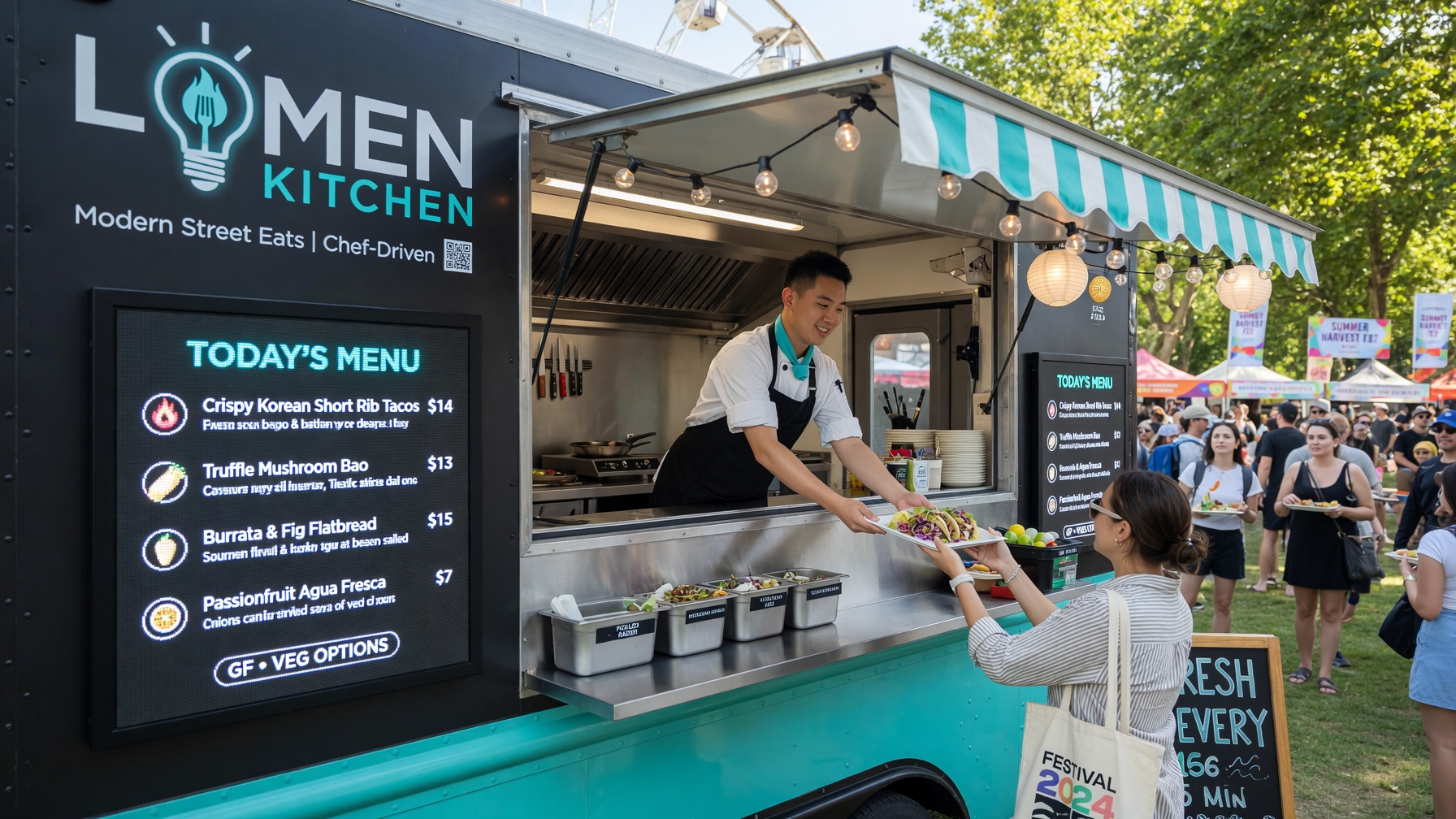
Mobile Kitchens: Complete Guide to Food Trucks & Catering Trailers
Mobile kitchens have revolutionized the food service industry, offering entrepreneurs a flexible, profitable, and scalable way to bring their culinary creations directly to the masses. Whether operating as a bustling food truck or a high-end catering trailer, mobile kitchens eliminate the massive overhead of traditional brick-and-mortar restaurants. They allow chefs to test markets, cater private events, and build loyal followings without being tied to a long-term lease. This comprehensive guide explores the different types of mobile culinary units, the essential commercial kitchen equipment required, and the key regulations you need to know to launch a successful mobile catering business.
What Are Mobile Kitchens and Why Are They Booming?
The restaurant industry is notoriously risky. High rent, lengthy build-outs, and uncertain foot traffic make traditional restaurants a massive gamble. Mobile kitchens flip this model on its head.
Instead of waiting for customers to find you, you drive your restaurant to where the customers already are. You can park at festivals, business parks, breweries, and neighborhood street fairs. If a location underperforms, you simply drive to a new one the next day.
The Financial Advantages of Mobile Catering
The startup costs for a food truck or catering trailer are a fraction of what it takes to open a sit-down restaurant. You avoid expensive commercial real estate deposits and years of construction.
Operating costs are also significantly lower. You pay less in utilities, insurance, and property taxes. Because your space is compact, you keep your inventory lean and waste to a minimum. This financial flexibility gives mobile catering businesses a much higher profit margin and a faster path to breaking even.
Types of Mobile Kitchens: Finding the Right Fit
Not all mobile units are created equal. The right choice depends on your menu, budget, and business goals.
Food Trucks: The Self-Propelled Powerhouses
Food trucks are the most recognizable type of mobile kitchen. They are self-propelled vehicles where the kitchen and the cab share the same chassis. This means you can drive directly to your serving location without needing a separate tow vehicle.
Pros: High mobility, excellent brand visibility (the entire truck is a moving billboard), and no need for a separate tow vehicle.
Cons: Mechanical maintenance is double—you must maintain both the engine and the kitchen equipment. Space is also tighter compared to a trailer.
Catering Trailers and Concession Trailers
Catering trailers are towed behind a separate truck or SUV. They range from small 8-foot concession trailers to massive 30-foot mobile catering rigs. Because they do not have an engine, they offer much more interior square footage dedicated entirely to cooking.
Pros: Maximum kitchen space, easier to clean and organize, and lower mechanical maintenance. If your tow vehicle breaks down, you can rent another one and still work.
Cons: Harder to maneuver and park in tight urban spaces. You must own or lease a capable tow vehicle.
Mobile Kitchen Pods and Shipping Containers
A growing trend in outdoor event catering is the use of shipping containers or modular kitchen pods. These units are transported on a flatbed truck and dropped at a location. They are ideal for long-term pop-ups, construction sites, or seasonal festival grounds. They offer the durability of a commercial kitchen with the mobility of a temporary structure.
Equipping Mobile Kitchens with Commercial Kitchen Equipment
Designing the layout of a mobile kitchen requires strategic planning. Every inch matters. You must balance high-volume cooking capability with strict space and weight constraints.
Cooking and Refrigeration Essentials
Your menu dictates your equipment, but almost all mobile kitchens require a few core pieces:
- Commercial Griddles and Flat Tops: The workhorses of most food trucks. They offer a large, versatile cooking surface for burgers, quesadillas, and breakfast items.
- Deep Fryers: Essential for french fries, chicken tenders, and fried desserts. Choose countertop models to save space.
- Charbroilers: Perfect for giving burgers and steaks that authentic grilled flavor.
- Under-Counter Refrigeration: Every mobile unit needs cold storage. Under-counter fridges and prep tables keep ingredients at safe temperatures without eating up your valuable floor space.
Power and Water Systems
Mobile kitchens operate off-grid, so your utility systems are critical.
- Generators: Most food trucks and trailers rely on built-in propane or diesel generators. You must calculate the total wattage of all your equipment (hoods, fridges, lights, POS systems) to size your generator correctly.
- Propane Systems: Propane powers stoves, griddles, and fryers. Proper tank storage and ventilation are non-negotiable for safety.
- Fresh and Grey Water Tanks: Health codes require mobile units to have onboard fresh water for handwashing and cooking. You also need grey water tanks to hold the wastewater. Tank sizes dictate how long you can operate before needing a commissary to refill and pump out.
Ventilation and Fire Suppression
Safety is paramount. Commercial hoods with exhaust fans are required over all grease-producing cooking equipment. Alongside the hood, you must install a fire suppression system (such as Ansul). This automated system deploys wet chemicals to put out grease fires. You cannot pass a health inspection or get insured without one.
Navigating Health Department Regulations
Operating a mobile kitchen involves strict oversight. Regulations vary wildly by state, county, and city. Understanding the rules before you build is crucial.
Commissary Kitchens and Zoning
Most municipalities do not allow food trucks to park at a private home overnight. They require you to operate out of a licensed commissary kitchen. A commissary provides a legal base of operations. You store your inventory, prep food, refill water tanks, and dump grey water there. Ensure you have a commissary lined up before applying for your mobile food vendor license.
Health Inspections and Mobile Food Permits
Your truck or trailer must pass a rigorous health inspection before you can serve a single meal. Inspectors will check for proper food temperatures, sanitizer concentrations, handwashing station accessibility, and the integrity of your water lines. You will also need regular fire inspections to certify your suppression systems.
ServSafe and Food Handling
At least one person on the truck at all times must hold a certified food handler card (like ServSafe). This ensures your team understands food safety, allergen protocols, and cross-contamination prevention.
Custom Food Truck Builders vs. DIY Conversions
One of the biggest decisions you will make is how to build your unit. You can hire a custom food truck builder or purchase a used truck and convert it yourself.
The Value of Professional Builders
A professional builder knows the codes. They ensure your plumbing, electrical, and gas lines meet health and fire department standards. They optimize the layout for workflow and safety. While a custom build is expensive (often $100,000 to $150,000+), it comes with warranties and the peace of mind that it will pass inspection on the first try.
The DIY Route
Buying a used step van or truck and outfitting it yourself saves a tremendous amount of money. However, it is incredibly time-consuming. If you are not a licensed electrician or plumber, you risk failing inspections due to code violations. DIY builds are best for those with construction experience or very simple menus that require minimal equipment.
Mobile Kitchen Rental for Outdoor Event Catering
Not everyone wants to own a mobile kitchen. If you are a traditional caterer looking to expand into outdoor events, renting a mobile kitchen is a smart solution.
Weddings, corporate retreats, and large festivals often lack kitchen facilities. Renting a catering trailer allows you to cook fresh, hot food on-site rather than transporting cold food in cambros. Mobile kitchen rental companies provide the unit, and you provide the staff and ingredients. This hybrid model offers the prestige of on-site cooking without the capital investment of owning a fleet.
Conclusion: The Profitable Potential of Mobile Kitchens
The food industry is evolving, and agility is the key to survival. Mobile kitchens provide that agility. They allow culinary entrepreneurs to bypass the crushing costs of traditional real estate, adapt to market trends in real time, and deliver their food directly to hungry crowds. Whether you choose a highly visible food truck, a spacious catering trailer, or a temporary event pod, success comes down to smart design, reliable commercial kitchen equipment, and strict adherence to health regulations. By building a solid business plan and investing in quality equipment, mobile kitchens can transform your culinary passion into a thriving, scalable enterprise.
Frequently Asked Questions (FAQs)
1. How much does it cost to build a food truck?
A fully equipped, custom-built food truck typically costs between $100,000 and $150,000, while a DIY conversion or used truck can cost between $50,000 and $80,000.
2. Do mobile kitchens need a separate commissary kitchen?
Yes, most local health departments require mobile food units to operate out of a licensed commissary kitchen for food prep, storage, and daily water refills.
3. What is the difference between a food truck and a catering trailer?
A food truck is a self-propelled vehicle that drives itself to locations, while a catering trailer must be towed by a separate truck but typically offers more interior cooking space.
4. What kind of generator do I need for a food truck?
You need a commercial-grade generator (usually 7,000 to 10,000+ watts) that can handle the combined startup surge of your refrigerators, hoods, cooking equipment, and lighting simultaneously.
5. Can I park my food truck anywhere to sell food?
No, you must adhere to local zoning laws, parking restrictions, and private property rules; many cities require specific mobile vending permits for public streets or designated food truck parks.
6. Is a fire suppression system required in a mobile kitchen?
Yes, any mobile kitchen with grease-producing cooking equipment (griddles, fryers, charbroilers) must have a certified commercial hood and an automatic fire suppression system to pass inspection.