Siding Replacement: 9 Signs, Benefits, Costs, and Installation Tips Homeowners Should Know
Professional siding replacement can improve a home’s exterior protection and appearance while creating an opportunity to inspect hidden wall conditions, repair damaged sheathing, improve flashing, and consider exterior insulation. New siding alone, however, cannot correct poor drainage, trapped moisture, air leakage, or defective installation. A successful replacement treats siding as one component of a complete exterior wall assembly that includes the water resistive barrier, flashing, penetrations, trim, insulation, fasteners, and properly detailed transitions around windows and doors.
What Is Siding Replacement?
Siding replacement is the process of removing some or all of a building’s existing exterior cladding and installing a new siding system.
Depending on the house and project scope, the work can involve much more than removing old boards and attaching new ones.
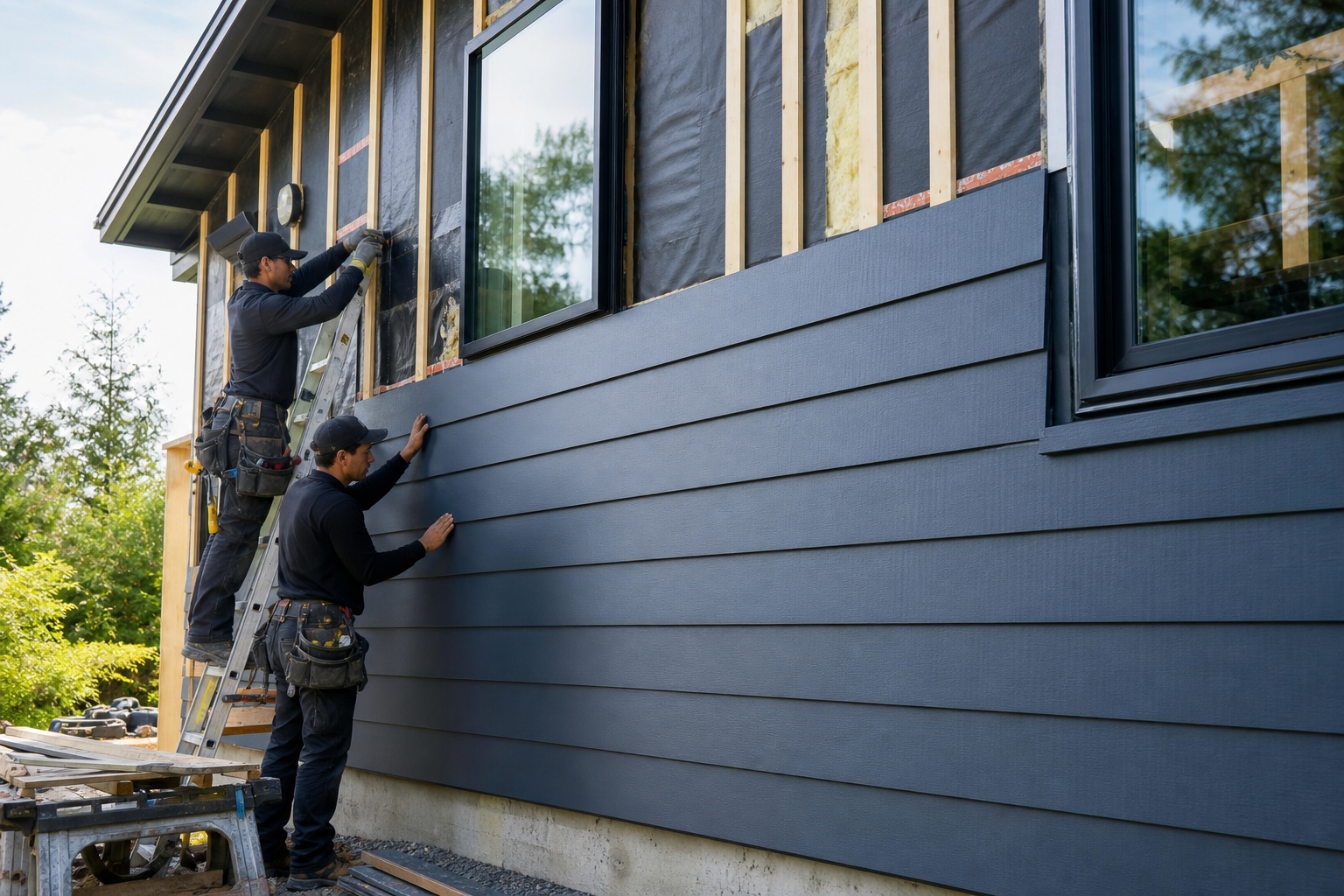
A comprehensive project may include inspection and repair of sheathing, water resistive barriers, flashing, insulation, window and door details, trim, soffits, fascia, penetrations, and other exterior components.
The condition uncovered after existing siding is removed can materially affect the project.
Water damage, rot, insect activity, deteriorated sheathing, or failed flashing may not be visible beforehand.
For this reason, homeowners should understand how unexpected repairs will be assessed and priced before construction begins.
9 Powerful Benefits of Siding Replacement
Replacing siding can provide meaningful benefits when existing cladding is deteriorated, inappropriate, or no longer meeting the home’s needs.
1. Better Exterior Weather Protection
Siding serves as an outer weather shedding layer.
It helps protect the wall assembly from rain, wind, sunlight, and physical exposure.
It should not be treated as the only waterproofing layer.
Water can enter behind many siding systems under certain conditions, which is why a properly integrated water resistive barrier and flashing are critical.
2. Opportunity to Correct Hidden Moisture Problems
Removing old siding exposes components that are normally concealed.
This creates an opportunity to identify damaged sheathing, deteriorated building paper or housewrap, improperly flashed openings, and other moisture related problems.
Finding damage can increase project cost, but covering it with new siding would not solve the problem.
Siding Replacement and Moisture Management
A durable exterior should direct water down and outward.
Important elements can include:
• Roof drainage
• Water resistive barrier
• Window flashing
• Door flashing
• Roof to wall flashing
• Kickout flashing where applicable
• Penetration details
• Ground clearances
• Drainage spaces where specified
Sealant can support appropriate details but should not replace properly designed flashing.
3. Improved Exterior Appearance
Siding covers a substantial portion of many houses.
Changing material, profile, colour, texture, or trim can significantly alter the building’s appearance.
A replacement project can also correct faded, mismatched, warped, or extensively repaired cladding.
Exterior design should still suit the architecture.
A highly fashionable colour may not age visually as well as a more deliberate long term choice.
4. Potential Energy Efficiency Improvements
Conventional siding itself is not necessarily a significant insulation layer.
Energy performance can improve when replacement is combined with appropriate continuous exterior insulation, air sealing, or other building envelope upgrades.
The actual energy impact depends on the complete home.
5. Reduced Maintenance With Certain Materials
Different cladding products require different maintenance.
A homeowner replacing frequently painted wood may consider products with lower routine finishing requirements.
No exterior material is maintenance free.
Even siding that does not require painting still needs periodic inspection, cleaning, and repairs when damage occurs.
6. Opportunity to Improve Exterior Insulation
Because the old cladding has already been removed, replacement can be an efficient time to consider adding appropriate exterior insulation.
Continuous insulation can help reduce thermal bridging through framing.
It also changes the geometry of the wall.
Windows, doors, trim, cladding attachment, and flashing may need redesigned details.
7. Improved Integration Around Windows and Doors
Older exterior work can contain inadequate or deteriorated flashing.
Siding removal provides access to these locations.
Correct integration is especially important because openings interrupt the wall’s drainage plane.
8. Potential Improvement in Property Marketability
An exterior in visibly good condition can improve buyer perception.
Buyers may also value avoiding a major siding project immediately after purchasing.
However, replacement cost is not guaranteed to be fully recovered at resale.
9. Long Term Opportunity to Standardise the Exterior System
Homes that have undergone repeated repairs may contain several incompatible materials and details.
A complete replacement can create a more consistent wall assembly.
Siding Replacement Should Be a System Upgrade
The strongest projects coordinate:
• Cladding
• Water management
• Flashing
• Insulation
• Air sealing where applicable
• Windows and doors
• Trim
• Fasteners
• Penetrations
• Ventilation details
Focusing only on the visible siding misses much of the building science involved.
Signs You May Need Siding Replacement
Not every cracked or loose board requires whole house replacement.
Localized repairs can sometimes extend the life of an otherwise functional exterior.
Extensive Rot or Deterioration
Widespread wood decay or material breakdown can make repeated repairs impractical.
The underlying cause should also be identified.
Replacing rotten boards while leaving a drainage defect will allow damage to recur.
Warped or Loose Siding
Movement can result from age, impact, improper fastening, moisture, heat, or installation problems depending on material.
A professional should determine whether damage is isolated or systemic.
Repeated Moisture Intrusion
Interior staining, deteriorated sheathing, or recurrent leaks can indicate problems within the wall system.
When Siding Replacement Is Better Than Repair
Replacement may become more practical when:
• Damage is widespread
• Materials are no longer available
• Multiple elevations are failing
• Hidden wall work is needed
• Maintenance costs are excessive
• The current siding is incompatible with planned insulation upgrades
Condition and economics should guide the decision rather than siding age alone.
Siding Repair vs Siding Replacement
Repair is generally preferable when problems are limited and the remaining siding is serviceable.
Replacement makes more sense where deterioration affects a substantial portion of the building or when broader envelope work is necessary.
When Repair May Be Enough
Repairs can potentially address:
• Individual cracked boards
• Local impact damage
• Limited loose siding
• Small trim defects
• Isolated flashing issues
The affected area still needs appropriate evaluation.
When Full Replacement Deserves Consideration
Whole house replacement can provide better consistency where many areas are failing.
Siding Replacement Decision Making
Ask contractors to separate:
• Immediate defects
• Optional improvements
• Hidden damage risk
• Cosmetic concerns
• Long term maintenance issues
This prevents aesthetic preferences from being confused with urgent building repairs.
Best Siding Replacement Materials
Material choice should reflect climate, architecture, maintenance expectations, budget, and wall construction.
Vinyl Siding
Vinyl is widely used for residential siding.
It is available in numerous profiles and colours and does not require ordinary repainting.
Vinyl expands and contracts with temperature changes.
Correct fastening and clearances are important because panels need to move as designed.
Fiber Cement Siding
Fiber cement products use cement based formulations incorporating fibres and other ingredients according to manufacturer specifications.
They can replicate lap siding, panels, shingles, and other looks.
Installation needs appropriate cutting, fastening, flashing, clearance, and moisture management.
Engineered Wood Siding
Engineered wood products use wood based materials manufactured with resins or treatments depending on the product.
They can provide a wood influenced appearance with engineered characteristics.
Siding Replacement With Engineered Products
Follow product specific requirements for:
• Cut edges
• Fasteners
• Clearances
• Joint treatments
• Flashing
• Finishing
• Storage
Do not assume installation instructions are identical between manufacturers.
Natural Wood Siding Replacement
Wood provides authentic grain, texture, and architectural character.
Wood Species
Available species depend on region.
Material properties and maintenance requirements differ.
Coatings
Paint, stain, or other appropriate finishing systems may protect wood and influence appearance.
Maintenance schedules depend on exposure and coating.
Moisture Control
Wood needs careful clearances and drainage.
Maintaining Wood After Siding Replacement
Inspect:
• Coating condition
• End grain
• Joints
• Ground clearance
• Roof intersections
• Window details
• Vegetation contact
Promptly address conditions that keep wood persistently wet.
Metal Siding
Steel and aluminium products provide alternatives for residential exteriors.
Advantages
Metal can provide clean profiles and different architectural appearances.
Some products offer strong durability under suitable conditions.
Considerations
Potential issues can include denting, scratching, coating damage, corrosion in specific environments, and thermal movement.
Siding Replacement in Coastal Environments
Salt exposure can affect metals and fasteners.
Select complete systems designed for local exposure conditions and follow manufacturer requirements.
Siding Replacement and Housewrap
Housewrap is one type of water resistive barrier used behind cladding.
It helps manage water that reaches the space behind siding.
Proper Overlap
Water management layers should generally be integrated in a way that directs water downward and outward.
Specific installation requirements depend on the product.
Window Integration
The barrier needs proper integration with window and door flashing.
Siding Replacement Water Resistive Barrier Inspection
When old siding is removed, the contractor should evaluate existing water management layers rather than automatically covering them.
Damaged or improperly installed materials may require correction.
Flashing During Siding Replacement
Flashing protects vulnerable transitions.
Window and Door Flashing
Openings require careful sequencing to manage water.
Surface caulk around trim is not a substitute for properly integrated flashing.
Roof to Wall Intersections
Roof intersections can concentrate runoff.
Kickout flashing may be critical where roof edges terminate beside walls.
Penetrations
Vents, pipes, electrical components, and utility connections interrupt siding.
Siding Replacement Flashing Details
A detailed contractor proposal should explain how critical transitions are treated.
Poor flashing can undermine expensive new siding.
Siding Replacement and Insulation
Exterior siding removal can create a useful opportunity to improve thermal performance.
Continuous Exterior Insulation
Rigid or semi rigid exterior insulation systems can reduce thermal bridging.
The appropriate product and thickness depend on climate and wall assembly.
Wall Drying Potential
Changing insulation or vapor control can affect moisture behaviour within the wall.
Building science guidance may be appropriate.
Siding Replacement With Exterior Insulation
Adding insulation affects:
• Window depth
• Door depth
• Trim
• Fastener length
• Siding attachment
• Flashing
• Electrical fixtures
• Utility penetrations
Treat it as a designed assembly rather than simply placing foam behind siding.
Does Siding Replacement Lower Energy Bills?
It can contribute to energy improvements when paired with meaningful insulation or air sealing upgrades.
Siding replacement alone does not guarantee lower bills.
Household energy use is also influenced by:
• Attic insulation
• Air leakage
• Windows
• HVAC equipment
• Climate
• Thermostat settings
• Occupancy
Avoid contractors promising a specific energy reduction without appropriate analysis.
Siding Replacement Costs
There is no universal cost for replacing siding.
Prices vary substantially by property and material.
Cost Factors
Major factors include:
• Wall area
• Material
• Building height
• Architectural complexity
• Removal
• Disposal
• Sheathing repairs
• Insulation
• Flashing
• Trim
• Labour
• Access
• Location
Two houses with similar floor areas can have very different exterior wall areas.
Hidden Damage
Damage discovered after removal can increase the price.
Siding Replacement Contingency Budget
Before work begins, ask:
• How hidden damage is documented
• Who approves extra work
• Labour rates
• Material markups
• Whether written change orders are required
This reduces disputes when unexpected repairs appear.
How Contractors Estimate Siding Replacement
Professional estimates should include enough detail to compare bids.
Wall Measurements
Contractors calculate exterior areas and account for waste, trim, openings, and product requirements.
Material Quantities
Different siding profiles have different coverage.
Labour Complexity
Second storeys, dormers, gables, detailed trim, and difficult access add work.
Comparing Siding Replacement Quotes
Compare:
• Product manufacturer
• Product line
• Colour
• Removal
• Water resistive barrier
• Flashing
• Insulation
• Trim
• Fasteners
• Disposal
• Permits
• Warranty
A total price without technical scope is difficult to evaluate.
The Siding Replacement Process
A well organised project follows a planned sequence.
Existing Siding Removal
Old cladding is removed while surrounding property is protected.
Contractors should manage nails and debris carefully.
Wall Inspection
With siding removed, inspect sheathing and visible wall details.
Repairs and Preparation
Damaged areas should be addressed before new cladding conceals them.
Water Management and Insulation
Required barriers, flashing, and insulation are installed.
New Siding Installation
The new product is installed according to manufacturer requirements.
Final Siding Replacement Inspection
Review:
• Alignment
• Trim
• Joints
• Flashing
• Penetrations
• Ground clearances
• Roof clearances
• Caulking where specified
• Cleanup
• Visible damage
Address concerns promptly.
Siding Replacement Around Windows
Windows are common areas of water intrusion when details are poor.
Existing Windows
Replacing siding does not necessarily require window replacement.
Functional windows can often remain while exterior details are properly addressed.
Window Replacement at the Same Time
Where windows already require replacement, coordinating both projects can create opportunities for proper integration.
Siding Replacement and Window Sales Pressure
Do not replace functional windows solely because a siding salesperson says both projects must always occur together.
Ask for technical reasons specific to the property.
Siding Replacement Around Doors and Decks
Door thresholds, deck ledgers, porches, and attached structures can create complex water management conditions.
Deck Ledger Flashing
Deck connections to a house deserve careful inspection where siding is removed.
Water intrusion around improperly flashed ledgers can damage structural wood.
Door Thresholds
Finished siding and trim should preserve appropriate drainage.
Siding Replacement Around Exterior Structures
Areas hidden by decks, stairs, utility equipment, or porches can increase project complexity.
Confirm how contractors will access and detail them.
Siding Replacement Permits
Permit requirements vary by jurisdiction.
Simple re cladding may be treated differently from work involving structural repairs, insulation, electrical systems, or substantial wall changes.
Check Local Requirements
Contact the local building authority or ask a qualified contractor.
The homeowner should know whether permits are required even if the contractor handles them.
Inspections
Some projects require inspections.
Siding Replacement and Building Codes
Applicable energy, fire, structural, and weather protection requirements can vary by project scope and location.
Contractors should follow current local codes, not merely replicate an old installation.
Choosing a Siding Replacement Contractor
Installation quality is one of the biggest determinants of project performance.
Ask About Product Experience
Contractors should have direct experience with the chosen siding system.
Different products require different tools and techniques.
Verify Credentials
Check applicable licensing, insurance, and local business information.
Review Older Projects
Newly installed siding often looks good.
Ask for references or projects several years old.
Questions to Ask a Siding Replacement Contractor
Ask:
• Which product are you installing?
• Are you manufacturer trained where applicable?
• How is existing sheathing inspected?
• How is hidden damage priced?
• What water resistive barrier is used?
• How are windows flashed?
• How are roof intersections handled?
• Is insulation being added?
• Which fasteners are used?
• Are permits required?
• What workmanship warranty applies?
• Who supervises the crew?
Specific answers make bids easier to compare.
Siding Replacement Warranties
Homeowners can encounter manufacturer warranties and contractor workmanship warranties.
They cover different issues.
Product Warranty
A manufacturer may cover specific product defects under defined conditions.
Read exclusions and transfer provisions.
Workmanship Warranty
The installer may cover defects related to its work.
Duration and terms vary.
Protecting a Siding Replacement Warranty
Keep:
• Contract
• Invoices
• Product information
• Colour information
• Installation photographs
• Permit records
• Warranty documents
• Maintenance records
Improper installation can affect manufacturer coverage.
Siding Replacement and Resale Value
New siding can improve exterior appearance and remove an obvious maintenance concern.
That can support buyer appeal.
No specific financial return is guaranteed.
Resale impact depends on:
• Local market
• Material
• Project quality
• Home value
• Buyer preferences
• Installation cost
• Architectural fit
Treat resale value as one consideration, not a guaranteed project reimbursement.
Siding Maintenance After Replacement
New siding still needs attention.
Inspect Annually
Look for loose pieces, damage, open joints where sealing is specified, coating problems, and changes around penetrations.
Keep Vegetation Controlled
Trees and shrubs should not repeatedly scrape or hold moisture against the building.
Clean Correctly
Use methods approved for the particular material.
Pressure Washing New Siding
High pressure can force water behind siding or damage finishes when used incorrectly.
Follow manufacturer cleaning instructions and use professional help where access or material sensitivity creates risk.
Sustainable Siding Replacement
Environmental considerations include material sourcing, production, durability, transportation, maintenance, and disposal.
Recycle Old Materials Where Possible
Local recycling options vary.
Vinyl, metal, wood, and other materials have different recovery possibilities.
Improve the Wall While Open
Adding appropriate insulation or air sealing during replacement can potentially provide long term energy benefits.
Choose Durable Materials
Long service life can reduce repeated replacement.
Siding Replacement Sustainability Claims
Avoid accepting terms such as green or eco friendly without details.
Ask about:
• Recycled content
• Product certification
• Material source
• Service life
• Maintenance
• Recyclability
• Manufacturing information
Specific evidence is more useful than general environmental marketing.
Common Siding Replacement Mistakes
Many expensive problems come from focusing only on the visible exterior.
Avoid:
• Covering rotten sheathing
• Ignoring flashing
• Depending entirely on caulk
• Choosing siding only by colour
• Using contractors unfamiliar with the product
• Comparing quotes without scope
• Ignoring hidden damage allowances
• Adding insulation without redesigning details
• Blocking wall drainage
• Incorrect fastening
• Ignoring manufacturer clearances
• Pressure washing improperly
A durable exterior depends on layers working together.
Frequently Asked Questions
How much does siding replacement cost?
Cost varies by home size, material, wall area, removal, hidden damage, trim, insulation, flashing, labour, access, and location. Detailed property specific quotes are most reliable.
When should siding replacement be considered?
Consider replacement when deterioration is widespread, repairs are becoming frequent, hidden wall work is required, materials are unavailable, or significant exterior upgrades are planned.
Does siding replacement improve home insulation?
Siding alone may add limited thermal resistance, but replacement can create an opportunity to install properly designed continuous exterior insulation and improve air sealing.
Can new siding be installed over old siding?
Some systems allow certain overlay applications, but doing so can conceal damage and complicate water management. Existing wall condition and manufacturer requirements should guide the decision.
How long does siding replacement take?
Project duration depends on wall area, building complexity, weather, crew size, repairs, insulation, and material. Hidden damage can extend the schedule.
How do I choose a siding replacement contractor?
Compare product specific experience, licensing where required, insurance, flashing practices, wall preparation, detailed written scope, warranties, references, and older completed projects.
Conclusion
Siding replacement can improve exterior appearance and weather protection while providing a valuable opportunity to correct hidden moisture, flashing, sheathing, and insulation problems. The most durable projects treat cladding as part of a complete wall system rather than simply replacing the visible outer layer. Choosing an appropriate material, documenting the project scope, and hiring a contractor who understands water management and manufacturer requirements can help protect the home long after installation is complete.