Why More Homeowners Are Transforming Their Bathrooms in 2026
A bathroom is one of the hardest-working spaces in a home, yet it is often expected to function for years with outdated layouts, worn fixtures, limited storage, and inefficient lighting. Bathroom remodeling gives homeowners an opportunity to address these everyday problems while creating a room that is easier and more comfortable to use.
The growing interest in bathroom upgrades is not simply about following interior design trends. Changes in household needs, aging homes, water-efficient fixtures, accessibility considerations, and demand for better storage are making bathroom renovation an increasingly practical home improvement project.
Why Bathroom Remodeling Is Growing in Popularity
Bathroom remodeling has become attractive because one project can address several aspects of a room at the same time. A carefully planned renovation can improve functionality, appearance, storage, lighting, ventilation, accessibility, and water efficiency.
Bathrooms also receive frequent daily use. Improvements made to this space can therefore affect a homeowner’s routine more directly than upgrades to rooms used less frequently.
A bathroom remodeling project might involve replacing only selected fixtures and finishes, or it can include a complete redesign of the room. The appropriate scope depends on the condition of the existing bathroom, budget, household requirements, and how long the homeowner plans to remain in the property.
Bathrooms Have Become More Than Utility Spaces
Older bathrooms were often designed primarily around basic functionality. Modern homeowners frequently expect more from the same space.
Practical storage, comfortable lighting, sufficient electrical outlets, effective ventilation, easy-to-clean surfaces, accessible showers, and visually coordinated finishes can all influence how enjoyable a bathroom is to use.
This shift helps explain why bathroom remodeling has moved higher on many home improvement lists. People want a bathroom to perform reliably while also feeling comfortable and organised.
Aging Homes Create a Need for Updates
Even a bathroom that was well designed when built does not remain new indefinitely. Sealants can fail, fixtures wear, cabinetry deteriorates, finishes become damaged, and household requirements change.
Older bathrooms may also lack features common in contemporary homes, such as efficient ventilation, improved task lighting, modern storage solutions, or water-saving fixtures.
Bathroom remodeling creates a chance to evaluate these issues together instead of repeatedly making isolated cosmetic repairs.
1. Bathroom Remodeling Can Improve Everyday Functionality
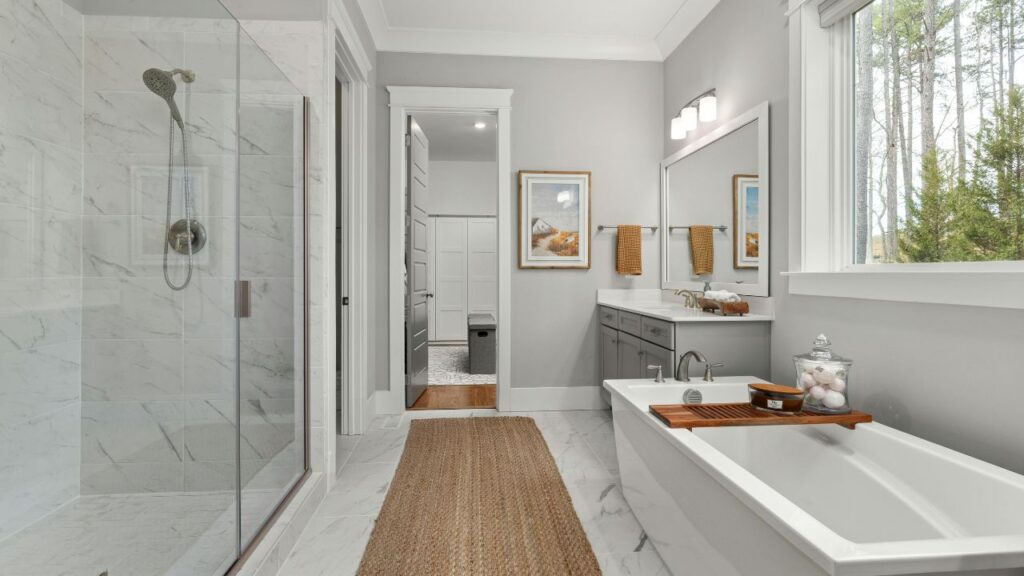
Function is one of the strongest reasons to renovate a bathroom. A visually attractive room can still be frustrating if the layout does not support daily routines.
Poorly positioned doors, limited counter space, inadequate storage, awkward shower access, and insufficient lighting can make even a relatively large bathroom feel inconvenient.
Good bathroom remodeling begins by identifying these problems before choosing colours or decorative finishes.
Better Layouts Make Better Use of Available Space
Increasing the physical size of a bathroom is not always possible or necessary. In many cases, a more effective layout can improve how the existing floor area works.
Changing a vanity width, altering a door arrangement, selecting a different shower configuration, or reorganising storage can free up usable space.
However, moving plumbing fixtures can increase complexity and cost. Water supply lines, drainage, waterproofing, structural conditions, and building requirements should be considered before changing a layout.
Plan Around Daily Movement
A useful layout considers how people actually move through the room.
There should be practical access to the toilet, vanity, shower, bath, storage, and doors without unnecessary conflicts. Cabinet doors and drawers should also be able to open without obstructing major circulation areas.
For households sharing a bathroom, these details can make a significant difference during busy morning and evening routines.
2. Modern Bathroom Remodeling Creates More Storage
Storage problems are common in bathrooms because the room needs to accommodate toiletries, towels, cleaning products, grooming equipment, and other necessities within a relatively small area.
Bathroom remodeling can integrate storage into the design rather than treating it as an afterthought.
Vanities with drawers, recessed cabinets, wall-mounted cupboards, shower niches, shelving, and tall cabinets are among the possibilities. The right solution depends on room dimensions and what needs to be stored.
Vanity Drawers Can Improve Organisation
Traditional cabinets with deep open spaces beneath the sink can make small objects difficult to reach.
Drawer-based vanities can provide easier access to regularly used items, although plumbing configuration needs to be considered when choosing the cabinetry.
Bathroom remodeling plans should therefore coordinate cabinetry and plumbing rather than selecting each independently.
Vertical Space Is Often Underused
Walls can provide useful storage opportunities without consuming additional floor area.
Tall cabinets and recessed medicine cabinets can be particularly useful in compact rooms. Shelving may also work for items that can be displayed neatly.
The goal is not to fill every wall with storage. Successful bathroom remodeling balances storage capacity with enough visual and physical space for the room to remain comfortable.
3. Bathroom Remodeling Can Improve Water Efficiency
Water efficiency has become an important consideration for many homeowners. Toilets, showers, and basin taps account for recurring water use, making fixture selection an important part of bathroom remodeling.
Modern water-efficient products are designed to reduce consumption while still meeting applicable performance standards.
Actual savings vary according to the fixtures being replaced, household behaviour, local water rates, and frequency of use, so homeowners should be cautious about universal savings claims.
Water-Efficient Fixtures Worth Considering
A bathroom remodeling project may provide an opportunity to evaluate:
- Water-efficient showerheads
- Efficient toilets
- Basin taps with appropriate flow characteristics
- Well-designed mixers
- Fixtures carrying relevant local efficiency certifications
- Reliable plumbing fittings that minimise leakage risks
In the United States, homeowners can look for products meeting EPA WaterSense criteria where applicable. Other countries have their own water-efficiency standards and labelling programs.
Efficiency Should Not Come at the Expense of Suitability
Choosing fixtures solely because they use less water can be shortsighted.
Water pressure, plumbing configuration, user preferences, maintenance, product quality, and local requirements can all influence performance.
An experienced plumber can help ensure bathroom remodeling decisions are compatible with the home’s plumbing system.
4. A Remodel Can Address Worn or Damaged Components
Bathrooms operate in a challenging environment. Water, steam, cleaning products, regular foot traffic, and daily use place significant demands on surfaces and fixtures.
Over time, grout may deteriorate, sealant can fail, cabinetry may swell or wear, fixtures can corrode, and surfaces may become difficult to maintain.
Bathroom remodeling can provide an opportunity to address these issues comprehensively.
Cosmetic Damage and Moisture Damage Are Different
Discoloured grout or an outdated tile colour is mainly an aesthetic concern. Persistent moisture behind finishes can be much more important.
Signs such as recurring mould, soft flooring, swollen materials, persistent damp odours, peeling finishes, or visible water damage deserve investigation.
Bathroom remodeling should not simply cover suspected moisture problems with new materials.
Find Leaks Before Installing New Finishes
A hidden plumbing or waterproofing failure can damage materials that are installed over it.
Where moisture damage is suspected, appropriate professionals may need to determine the source before renovation proceeds.
Repairing underlying problems first gives new bathroom remodeling work a more reliable foundation.
5. Bathroom Remodeling Can Improve Ventilation
Ventilation is sometimes overshadowed by decisions about tiles and fixtures, but it plays an important role in bathroom performance.
Bathing adds moisture to indoor air. Without sufficient ventilation, that moisture may contribute to condensation and create conditions favourable to mould growth.
Bathroom remodeling allows ventilation to be reviewed as part of the overall design.
Exhaust Fans Need Appropriate Selection
A bathroom exhaust fan should be chosen and installed according to the room and applicable local requirements.
Capacity, duct routing, noise, exterior termination, controls, and installation quality all matter.
Simply purchasing the largest available fan is not necessarily the best approach. Proper sizing and installation are more important than selecting equipment based on a single specification.
Natural Ventilation May Not Be Enough
A window can be useful, but homeowners should not automatically assume it replaces mechanical ventilation.
Building codes differ between locations, and bathroom remodeling should comply with applicable ventilation requirements.
A contractor or other qualified professional can explain what is required for the property.
6. Improved Lighting Is Driving Bathroom Renovations
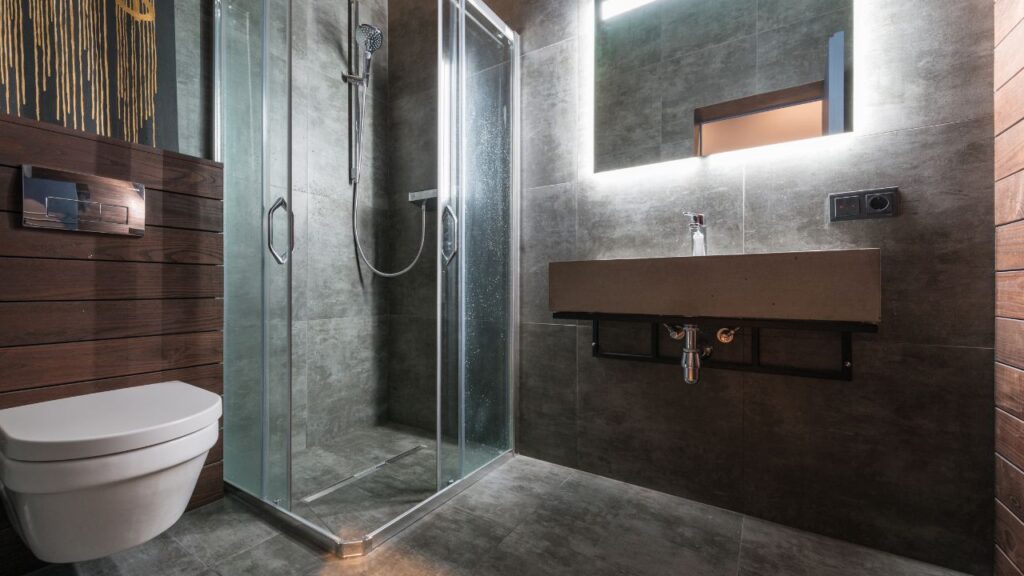
Bathroom lighting needs to perform several different jobs. People need enough illumination to navigate safely, clean the room, use the mirror, shower, and complete personal-care tasks.
One ceiling fixture may not perform all these functions well.
Modern bathroom remodeling often uses layered lighting to provide more flexible illumination.
Task Lighting Around the Vanity
Lighting around a mirror should make faces reasonably easy to see without excessive shadows or glare.
Depending on the design, fixtures can be positioned around or above the mirror. Colour quality and brightness also influence how comfortable the lighting feels.
Electrical products and their placement must be suitable for bathroom environments and comply with applicable electrical requirements.
Ambient and Accent Lighting
Ambient lighting provides general illumination throughout the bathroom, while accent lighting can emphasise architectural or decorative details.
Bathroom remodeling can combine these approaches, but functionality should remain the priority.
Lighting that looks dramatic in photographs may be frustrating if it makes everyday tasks difficult.
7. Bathroom Remodeling Supports Accessibility
Household needs can change over time because of aging, injuries, disabilities, or changes in who lives in the home.
Accessibility-focused bathroom remodeling can make a space easier to use for a wider range of people.
This can involve more than adding grab bars. Shower access, floor transitions, doorway width, fixture placement, controls, lighting, and available manoeuvring space may all matter.
Curbless and Low-Threshold Showers
Reducing the step into a shower can improve accessibility for some users and create a more visually open design.
However, curbless showers require careful planning. Floor slopes, drainage, waterproofing, structural conditions, and splash control need to work together.
Bathroom remodeling involving substantial shower changes should therefore be designed and constructed carefully.
Planning for Future Needs
Homeowners who expect to remain in a property for many years may choose to incorporate features that make future adaptations easier.
Examples can include wall reinforcement for future grab bars, easier-to-operate controls, appropriate shower access, and improved lighting.
Specific accessibility requirements vary between individuals. Professional advice can be valuable when bathroom remodeling is intended to accommodate a disability or mobility limitation.
Bathroom Remodeling and Home Value
One reason homeowners consider bathroom remodeling is the possibility of making a property more appealing to future buyers.
A clean, functional, well-maintained bathroom can contribute positively to a buyer’s overall impression of a home. However, homeowners should be cautious about assuming a guaranteed financial return.
Renovation value varies significantly by property, location, project cost, workmanship, housing market, and buyer expectations.
Avoid Renovating Only for a Predicted Return
Online return-on-investment percentages can provide general context, but they should not be treated as guarantees for an individual property.
An expensive bathroom remodeling project does not necessarily add an equivalent amount to the sale price.
Homeowners renovating before a sale may benefit from considering local market conditions and speaking with a knowledgeable real estate professional before committing to an unusually costly design.
Broad Appeal Can Matter
Highly personalised designs can be ideal for a long-term owner but may have narrower appeal during resale.
Neutral permanent finishes can provide flexibility, while personality can be added through paint, towels, artwork, hardware, and accessories that are easier to change.
This does not mean bathroom remodeling needs to look generic. It means balancing individual taste with the intended lifespan and purpose of the renovation.
Bathroom Remodeling Trends Shaping Modern Homes
Trends can inspire a project, but they should not override functionality.
The most practical bathroom remodeling ideas tend to combine contemporary appearance with durable materials and straightforward maintenance.
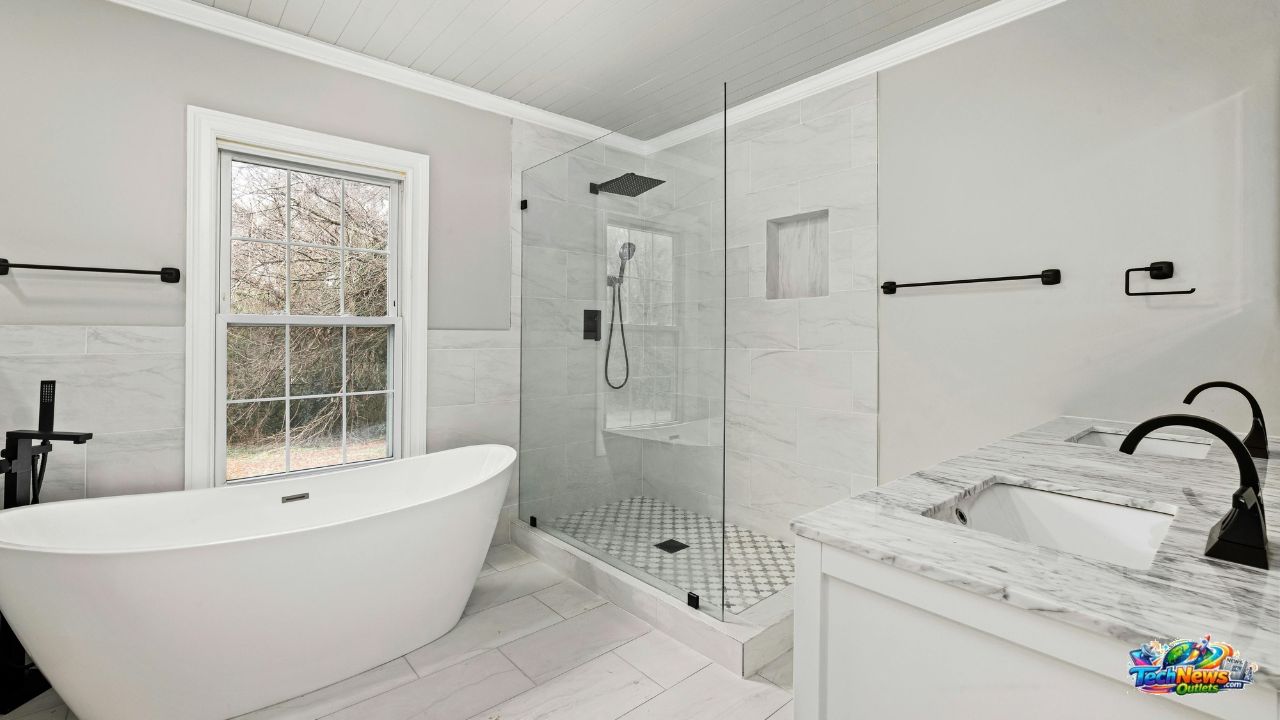
Walk-In Showers
Walk-in showers remain attractive because they can create an open appearance and provide convenient access.
Their design requires careful attention to waterproofing, drainage, screen placement, ventilation, and floor conditions.
A visually minimal shower still contains technical components that need appropriate installation.
Floating Vanities
Wall-mounted vanities can make floor area visible and give a bathroom a lighter appearance. Cleaning beneath them may also be easier.
Installation needs to account for wall construction, support, plumbing, vanity weight, and manufacturer specifications.
A floating vanity should be properly supported rather than attached as though it were a lightweight decorative cabinet.
Large-Format Surfaces
Larger tiles can reduce the number of grout joints and contribute to a streamlined visual style.
They are not automatically easier to install. Substrate flatness, tile dimensions, layout, cutting requirements, and installation technique can make large-format materials demanding.
Bathroom remodeling budgets should account for appropriate preparation and installation rather than focusing only on the purchase price of the tile.
Warmer Colours and Natural-Looking Finishes
Many contemporary bathrooms use timber-look finishes, stone-inspired surfaces, warm neutrals, and muted colours.
These choices can make a bathroom feel less clinical while still supporting a clean design.
For wet environments, product suitability matters more than appearance alone. Materials should be selected for their intended location and maintained according to manufacturer instructions.
How Much Does Bathroom Remodeling Cost?
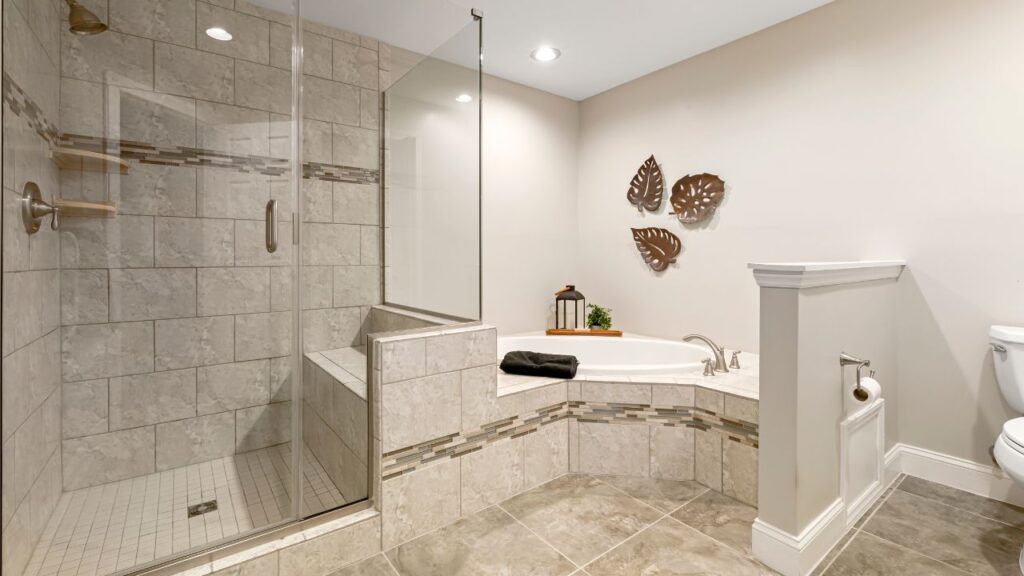
There is no reliable universal price because bathroom remodeling costs vary significantly by country, city, room size, labour rates, selected materials, structural conditions, and project scope.
A cosmetic refresh can cost substantially less than a renovation involving new plumbing locations, structural modifications, custom cabinetry, extensive electrical work, or high-end fixtures.
Rather than relying on a single average, homeowners can separate a budget into major categories.
| Budget Area | Typical Items to Consider | Main Cost Variables |
|---|---|---|
| Demolition | Removal and disposal | Access, material type, project size |
| Plumbing | Pipes, drains, fixtures | Layout changes and existing conditions |
| Electrical | Lighting, outlets, fans | New circuits and code requirements |
| Waterproofing | Wet-area preparation | Shower design and local standards |
| Surfaces | Tiles, flooring, wall finishes | Material and installation complexity |
| Cabinetry | Vanity and storage | Size, finish, custom or stock design |
| Fixtures | Toilet, shower, basin and taps | Brand, design, quality |
| Labour | Licensed trades and installers | Location and project complexity |
| Permits | Approvals and inspections | Local regulations |
| Contingency | Unexpected work | Condition of existing construction |
This approach provides a clearer picture of where bathroom remodeling money is going.
What Makes Bathroom Remodeling More Expensive?
Several design decisions can increase costs rapidly.
Moving a toilet, shower, or basin may require changes to water supply and drainage. Custom cabinetry generally costs more than standard products. Premium tiles can increase both material and installation expenses.
Hidden conditions uncovered during demolition can also affect the final cost.
Older Bathrooms Can Contain Surprises
Once finishes are removed, contractors may discover deteriorated substrates, outdated plumbing, previous poor-quality repairs, moisture damage, or other conditions that could not be seen beforehand.
Depending on the age and location of the property, potentially hazardous materials may also require professional identification and handling.
A sensible bathroom remodeling budget should therefore include some capacity for unforeseen work rather than allocating every available dollar to visible finishes.
How to Plan a Bathroom Remodeling Project
Good planning can prevent expensive changes after construction begins.
Homeowners should establish their priorities, budget, layout, fixture requirements, storage, lighting, and general material selections before demolition wherever practical.
Step 1 Identify the Problems
Write down what does not work in the current bathroom.
Common issues include inadequate storage, a small shower, poor lighting, damaged finishes, ventilation problems, inaccessible fixtures, or an inefficient layout.
The bathroom remodeling plan should solve these problems before introducing decorative extras.
Step 2 Establish a Realistic Budget
Separate essential work from optional upgrades.
Plumbing, electrical work, waterproofing, structural repairs, and ventilation may deserve priority over premium decorative finishes.
Keeping a contingency reserve can also reduce financial pressure if hidden problems emerge.
Step 3 Decide Whether the Layout Needs to Change
Keeping plumbing fixtures in similar locations can sometimes simplify a project, although this is not always the best design decision.
If the existing bathroom functions poorly, paying for a better layout may be worthwhile.
Bathroom remodeling should balance construction complexity against long-term usefulness rather than choosing the cheapest layout automatically.
Step 4 Select Compatible Products
Fixtures need to physically fit the room and work with the surrounding construction.
Measure carefully and check installation requirements for vanities, basins, toilets, baths, shower screens, taps, mirrors, and accessories.
Product specifications should be available to relevant trades before rough plumbing or electrical work is finalised.
Step 5 Confirm Contractors and Requirements
Determine which work must be completed by licensed professionals and whether permits or inspections apply.
Rules vary considerably between jurisdictions. Plumbing, electrical, waterproofing, structural work, and building alterations can be regulated differently depending on location.
Bathroom remodeling requirements should therefore be confirmed locally rather than inferred from generic online guidance.
Common Bathroom Remodeling Mistakes
Many renovation problems begin with decisions made before construction.
Understanding common mistakes can help homeowners create a more practical plan.
Prioritising Appearance Over Waterproofing
Beautiful tile cannot compensate for poorly executed wet-area construction.
Waterproofing requirements depend on the jurisdiction and construction system, and failures can be expensive to correct after finishing materials have been installed.
Use appropriately qualified trades and approved systems where required.
Ignoring Ventilation
Removing steam and moisture should be part of the initial design rather than an afterthought.
A bathroom that looks excellent but retains excessive moisture can develop maintenance problems.
Ventilation should therefore be considered alongside lighting, plumbing, and waterproofing during bathroom remodeling.
Choosing Materials That Are Difficult to Maintain
Highly textured surfaces, numerous grout joints, delicate finishes, and complicated fixtures may require more cleaning or maintenance.
That does not make them unsuitable, but homeowners should understand the maintenance commitment.
Bathroom remodeling is usually more satisfying when the finished room fits the owner’s actual cleaning and maintenance habits.
Failing to Plan Enough Storage
A minimalist bathroom can quickly become cluttered when everyday products have nowhere to go.
Storage requirements should be determined early because adding cabinetry after the room is completed may compromise the original layout.
Changing the Design Mid-Project
Late changes can affect labour schedules, material orders, plumbing positions, electrical locations, cabinetry, and waterproofing.
Some changes are unavoidable, particularly when hidden problems are discovered. Avoidable design changes, however, can increase both cost and project duration.
DIY Bathroom Remodeling Versus Professional Work
Homeowners may be able to complete selected cosmetic tasks themselves, depending on their skills and local laws.
Painting, assembling suitable furniture, or installing some accessories may be reasonable DIY projects for capable homeowners.
Plumbing, electrical work, waterproofing, structural modifications, and other regulated work may require licensed or qualified professionals.
Know Where DIY Should Stop
Bathrooms combine electricity, water, drainage, structural components, and wet-area construction within a confined space.
Mistakes can remain hidden until significant damage occurs.
Before beginning DIY bathroom remodeling, homeowners should check local building requirements and understand which activities legally require professional involvement.
How Long Does Bathroom Remodeling Take?
There is no standard project duration.
A modest refresh may be relatively quick, while a complete bathroom remodeling project can involve demolition, repairs, plumbing, electrical work, substrate preparation, waterproofing, tiling, cabinetry, fixtures, painting, inspections, and finishing work.
Product lead times can also affect the schedule.
Factors That Influence the Timeline
Common scheduling variables include:
- Project scope
- Contractor availability
- Permit and inspection requirements
- Custom cabinetry production
- Fixture delivery
- Hidden damage
- Plumbing and electrical changes
- Waterproofing and curing requirements
- Tile installation complexity
- Changes requested during construction
Homeowners should ask contractors for a project-specific schedule rather than relying on a generic renovation estimate.
How to Make Bathroom Remodeling More Sustainable
A sustainable bathroom is not defined by one product. Durability, water consumption, material selection, repairability, ventilation, and the lifespan of the design can all matter.
Keeping serviceable components can sometimes reduce unnecessary material use. At other times, replacing inefficient or deteriorated fixtures makes practical sense.
Bathroom remodeling should consider the full project rather than treating sustainability as a decorative feature.
Choose Durable Products
Products that perform reliably and can be maintained may avoid premature replacement.
Before buying a fixture, homeowners can consider warranty support, replacement parts, cleaning requirements, repairability, and suitability for the installation environment.
Reduce Unnecessary Demolition
Not every bathroom remodeling project needs complete demolition.
If the layout, waterproofing, fixtures, or cabinetry are still performing appropriately, selective changes may achieve the desired result with less disruption.
A condition-based approach can be more practical than removing functional components purely because they are not new.
Bathroom Remodeling for Small Spaces
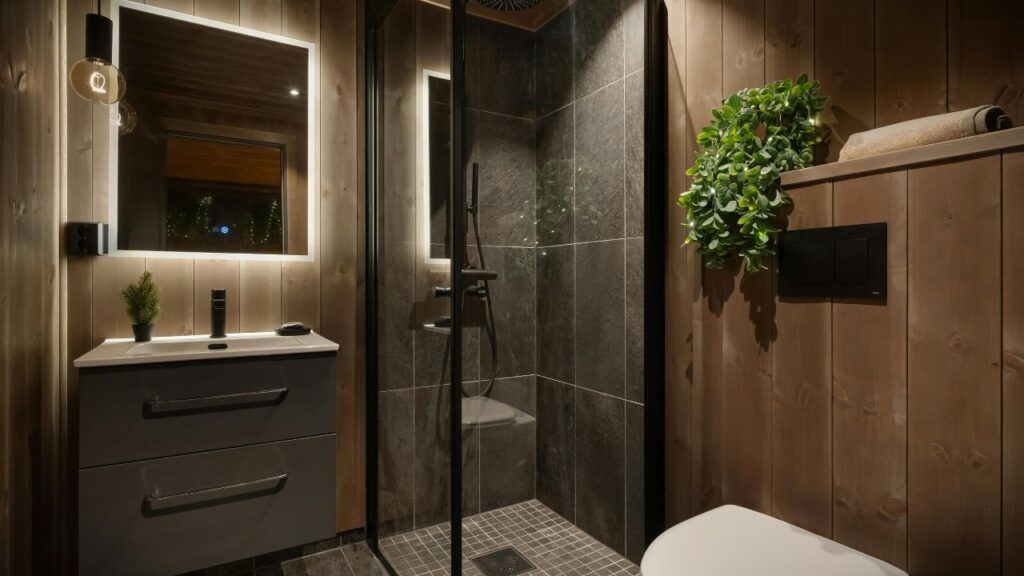
Small bathrooms benefit particularly from careful planning because every fixture consumes a meaningful share of available space.
The objective should not simply be to make the room appear larger. It should be to make the space function effectively.
Wall-mounted storage, appropriately sized fixtures, thoughtful lighting, clear shower screens, and controlled colour choices may contribute to a less crowded environment.
Avoid Oversized Fixtures
A large vanity or bath can dominate a compact bathroom and restrict circulation.
Products should be scaled to the room and measured before purchase.
Bathroom remodeling in a small space can often benefit more from a balanced layout than from adding expensive features.
Make Visual Simplicity Work Harder
Consistent materials and restrained visual transitions can create a cohesive appearance.
Mirrors can also distribute light and visually open a room, while adequate lighting prevents dark corners from making the space feel enclosed.
These techniques cannot increase physical dimensions, but they can improve the perception and usability of a compact bathroom.
Is Bathroom Remodeling Worth It?
Bathroom remodeling can be worthwhile when it solves genuine functional or maintenance problems and fits comfortably within a homeowner’s budget.
A renovation that provides better storage, safer access, improved lighting, appropriate ventilation, reliable fixtures, and a more practical layout can provide daily benefits independent of eventual resale value.
The decision becomes less straightforward when a homeowner is considering an extremely expensive renovation primarily because of current design trends.
Renovate for Long-Term Usefulness
Trends change more quickly than most bathrooms are renovated.
Choosing durable materials and a practical layout can help a bathroom remain useful even when decorative preferences evolve.
For this reason, good bathroom remodeling tends to combine timeless functional principles with personal design choices rather than building the entire project around a temporary trend.
What to Ask a Bathroom Remodeling Contractor
A clear conversation before signing a contract can reduce misunderstandings.
Homeowners should understand what is included, who is responsible for specific work, and how changes will be handled.
Useful questions include:
- Is your licence or registration appropriate for this work?
- What insurance applies to the project?
- Who coordinates plumbing and electrical trades?
- What waterproofing system will be used?
- Are permits and inspections required?
- Who purchases fixtures and materials?
- What is excluded from the quotation?
- How are unexpected repairs priced?
- What is the estimated schedule?
- What warranties apply to workmanship and products?
- How will variations be documented?
- Who is responsible for waste removal and cleanup?
Comparing the scope of quotations is generally more meaningful than comparing only the final price.
Why Bathroom Remodeling Will Remain a Practical Home Upgrade
Bathrooms combine essential household functions within one relatively compact room. When that room works poorly, the inconvenience can be experienced every day.
Bathroom remodeling allows homeowners to respond to aging materials, changing household needs, inefficient layouts, inadequate storage, poor ventilation, dated fixtures, and accessibility concerns within a coordinated project.
The popularity of this upgrade also reflects broader changes in how people view their homes. Comfort and everyday usability have become important design priorities rather than secondary considerations.
Function Is More Important Than Fashion
A successful bathroom does not need every current design trend.
Good lighting, reliable plumbing, durable wet-area construction, effective ventilation, practical storage, and comfortable circulation typically matter more to daily use than a fashionable surface colour.
Bathroom remodeling works best when these fundamentals are addressed first.
Professional Planning Can Prevent Expensive Problems
A bathroom may be small compared with other rooms, but its construction can be technically complex.
Plumbing, electrical systems, waterproofing, drainage, ventilation, structural conditions, cabinetry, and finishes need to work together.
Good bathroom remodeling therefore depends as much on planning and installation quality as it does on product selection.
FAQ’s
Why is bathroom remodeling becoming so popular?
Bathroom remodeling can improve everyday comfort, storage, lighting, ventilation, water efficiency, accessibility, and appearance within one project. Aging bathrooms and changing household needs also encourage renovation.
How much should I budget for bathroom remodeling?
There is no universal budget because costs vary by location, room size, labour, materials, layout changes, and hidden conditions. Obtain detailed local quotations and retain funds for unexpected work.
What should be replaced first during bathroom remodeling?
Priority should generally go to necessary repairs and core systems such as plumbing, waterproofing, ventilation, electrical work, and damaged substrates before purely decorative upgrades.
Does bathroom remodeling increase home value?
Bathroom remodeling may improve buyer appeal and can contribute to property value, but a specific financial return is never guaranteed. Local market conditions, renovation cost, design, and workmanship all affect the outcome.
How long does bathroom remodeling usually take?
The timeline depends on project complexity, permits, contractors, product availability, drying or curing requirements, and unexpected repairs. A contractor should provide an estimate based on the actual scope.
Can I do bathroom remodeling myself?
Some cosmetic work may be suitable for experienced homeowners, but regulated plumbing, electrical, waterproofing, and structural tasks may require qualified or licensed professionals depending on local laws.
Conclusion
Bathroom remodeling is becoming a popular home upgrade because it can address practical problems that homeowners experience every day. Better layouts, storage, lighting, ventilation, water-efficient fixtures, accessible features, and durable materials can transform how a bathroom performs without making unsupported promises about resale returns.
Successful bathroom remodeling starts with function and sound construction rather than appearance alone. By setting a realistic budget, investigating existing problems, selecting suitable products, and using qualified professionals where required, homeowners can create a bathroom designed for comfort, maintenance, reliability, and long-term use.