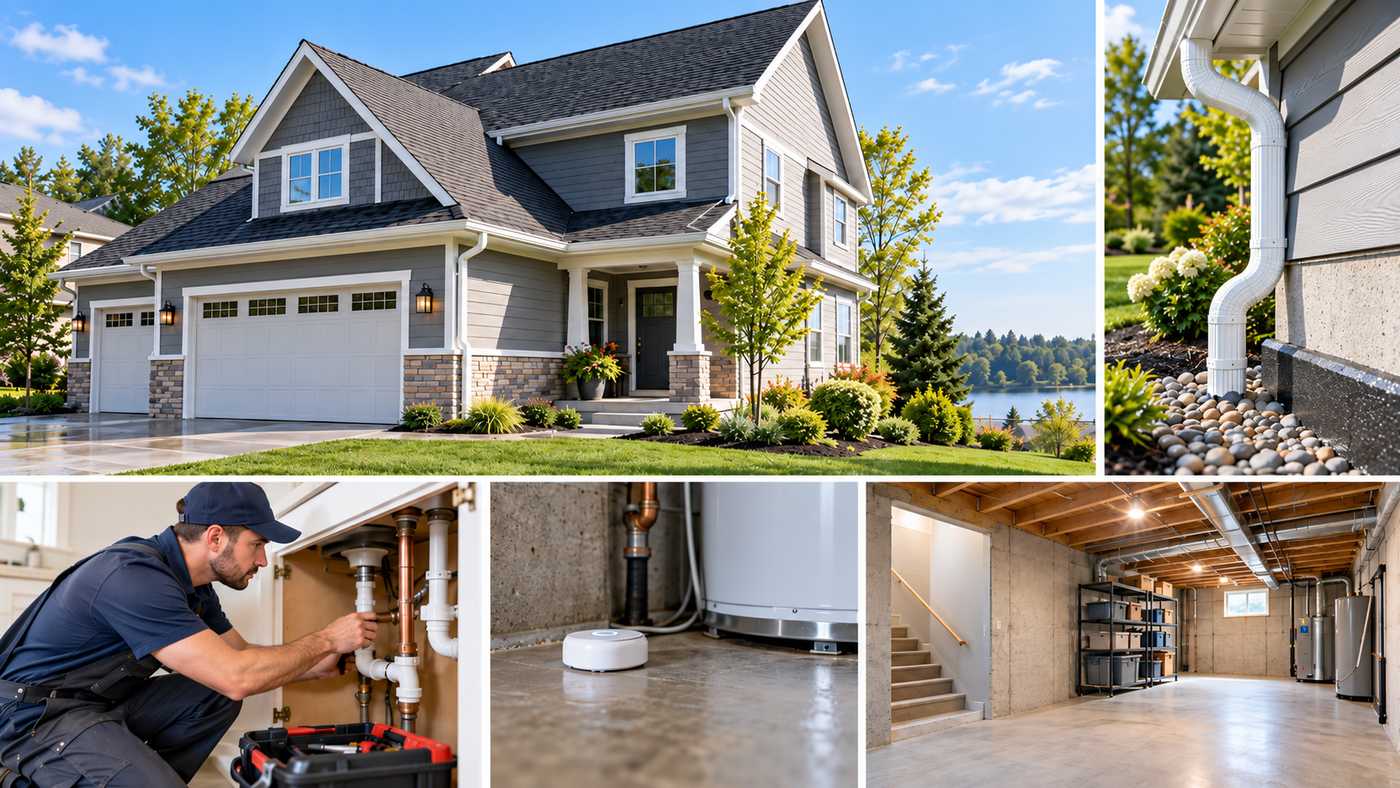
How to Avoid Water Damage and Protect Your Home From Costly Problems
Water can damage a house quietly or suddenly. A small plumbing leak may remain hidden behind a wall for weeks, while heavy rainfall, an overflowing appliance or a burst pipe can affect several rooms within minutes. Learning how to avoid water damage means paying attention to plumbing, roofing, drainage, appliances, indoor humidity and the foundation before a small moisture problem becomes a much larger repair. The U.S. Environmental Protection Agency emphasizes that controlling moisture is essential because persistent water problems can encourage mold growth and damage building materials.
Homeowners do not need to become plumbing or restoration professionals to reduce risk. Many preventive steps involve routine inspections, prompt repairs and knowing where water is most likely to enter the property.
The most effective strategy combines prevention with preparation. That means reducing the likelihood of leaks while also knowing how to respond quickly when water does enter the home.
This guide explains seven practical ways to protect a property from water damage, manage indoor moisture, reduce basement risks and respond properly when a leak occurs.
What Causes Water Damage in a Home?
Water damage can come from inside or outside a property.
Indoor sources commonly include leaking pipes, damaged appliance hoses, overflowing fixtures, water heaters, drainage problems and condensation.
Outdoor sources can include heavy rainfall, damaged roofing, clogged gutters, foundation seepage and flooding.
The EPA notes that moisture can enter homes through exterior leaks, basement floors and plumbing problems. Everyday activities such as cooking and showering can also increase indoor moisture when ventilation is inadequate.
Common causes include:
- Roof leaks
- Burst or leaking pipes
- Washing machine hose failures
- Dishwasher leaks
- Water heater problems
- Clogged gutters
- Poor drainage around foundations
- Sewer backups
- Basement seepage
- High indoor humidity
- Air conditioning drainage problems
- Flooding
Some of these problems create obvious standing water.
Others develop slowly.
Discoloration on a ceiling, peeling paint, musty odors or persistent condensation may indicate moisture even when no active leak is visible.
7 Essential Ways to Avoid Water Damage
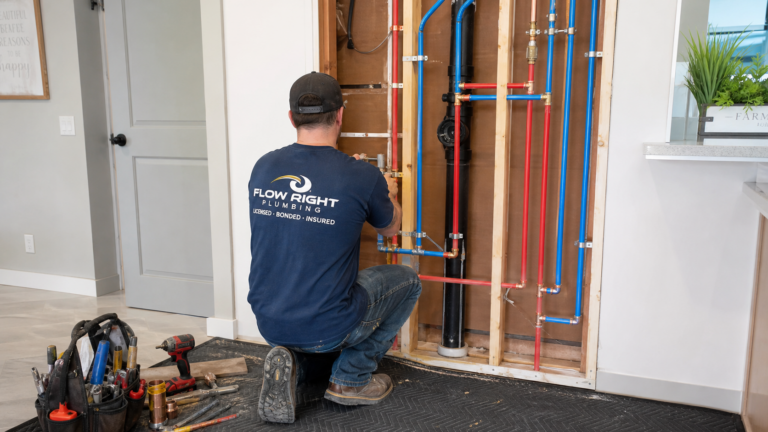
1. Avoid Water Damage by Inspecting Plumbing Regularly
Plumbing is one of the most important areas to monitor because pipes carry water throughout the property.
A small leak under a sink may seem insignificant, but moisture can damage cabinets, flooring and surrounding building materials when it continues unnoticed.
Inspect exposed pipes periodically.
Look below sinks, around toilets, near washing machines, around water heaters and anywhere plumbing connections are visible.
Signs worth investigating include:
- Water stains
- Damp cabinets
- Corrosion around fittings
- Unusual dripping
- Warped flooring
- Musty odors
- Unexpected increases in water use
The EPA recommends repairing plumbing leaks and other water problems as soon as possible rather than allowing moisture to remain inside the building.
Small plumbing concerns are often easier to manage when detected early.
How to Avoid Water Damage From Hidden Leaks
Hidden plumbing leaks can be more difficult because the affected pipe may be behind drywall, beneath flooring or inside a ceiling.
Homeowners can watch for indirect signs.
A stain that becomes larger over time deserves attention.
Paint that begins bubbling without an obvious explanation may indicate moisture underneath.
A persistent damp smell can also be a warning sign.
Water monitoring devices and leak sensors can provide another layer of protection. Some systems are designed to detect moisture near appliances, water heaters or plumbing fixtures.
More advanced devices can monitor water flow and alert homeowners when unusual usage patterns occur.
Technology does not replace inspections, but it can help identify problems sooner.
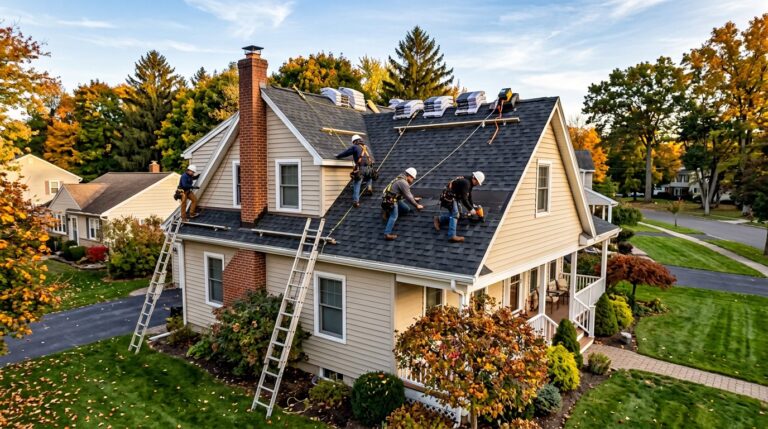
2. Maintain the Roof and Gutters
A home’s roof is one of its primary defenses against rain.
Damaged shingles, flashing problems or deteriorated roof components can allow water to enter the structure.
Roof leaks may eventually affect insulation, ceilings, walls and electrical areas.
Homeowners should visually inspect the roof periodically from a safe location and arrange professional inspection when damage is suspected.
After severe weather, look for signs such as missing roofing materials or water stains inside the attic.
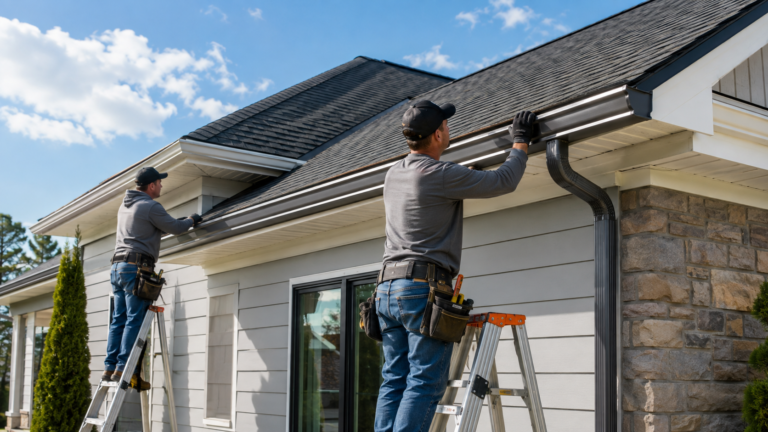
Gutters also play an important role.
Their purpose is to collect roof runoff and direct it away from the house.
The EPA recommends cleaning and repairing roof gutters regularly as part of moisture prevention.
Leaves and debris can block water flow.
When gutters overflow, water may run down exterior walls or collect near the foundation.
How Gutters Help Avoid Water Damage
A functional gutter system should move rainwater away from vulnerable areas.
Check that:
- Gutters are securely attached
- Downspouts are clear
- Water flows without overflowing
- Downspouts discharge away from the foundation
- Joints do not leak excessively
Homeowners should also inspect the area around downspout outlets.
Simply having a downspout is not enough if it releases large amounts of water directly beside the foundation.
Proper drainage should move water away from the building.
3. Direct Surface Water Away From the Foundation
The ground surrounding a house influences where rainfall travels.
If the landscape slopes toward the building, water may collect against foundation walls.
Over time, this can contribute to basement or crawlspace moisture.
The EPA specifically recommends grading the ground so that it slopes away from the foundation rather than allowing water to collect beside the structure.
FEMA provides similar guidance for properties exposed to flooding and recommends landscaping that helps direct water away from the home.
Homeowners should inspect the perimeter after heavy rainfall.
Look for areas where water remains standing.
Persistent puddles close to the building can indicate drainage problems.
Depending on the property, solutions may involve grading, drainage improvements, downspout extensions or other site specific measures.
Major drainage work should be evaluated by an appropriate professional because moving water incorrectly can create new problems elsewhere.
Protecting Basements From Water Entry
Basements are naturally vulnerable because they are below surrounding ground level.
Water may enter through foundation cracks, walls, floor joints or drainage systems.
FEMA recommends addressing foundation openings and notes that sealing cracks can help reduce water entry in appropriate situations. It also identifies sump pumps as a potential defense against basement seepage and flooding.
A sump pump collects water in a sump basin and moves it away from the structure.
For properties that depend heavily on a sump pump, FEMA recommends considering battery backup because a power outage can occur during severe weather.
Sump systems should be inspected and maintained according to manufacturer requirements.
4. Maintain Appliances That Use Water
Many household appliances connect directly to the plumbing system.
Washing machines, dishwashers, refrigerators with water dispensers and some other appliances can develop leaks.
A damaged hose or loose connection can release a significant amount of water.
Inspect appliance connections periodically.
Pay particular attention to older hoses, corrosion and moisture behind equipment.
Washing machines deserve special attention because their water supply lines remain under pressure when the valves are open.
Dishwashers can also leak beneath cabinets where damage may not immediately be visible.
Homeowners should follow manufacturer recommendations for inspection, maintenance and replacement of appliance components.
If water appears around an appliance, do not assume it is harmless.
Identify the source.
Some problems may involve simple drainage issues, while others require plumbing or appliance repair.
How Leak Sensors Can Help Avoid Water Damage
Small water sensors can be placed in areas where leaks are more likely.
Useful locations may include:
- Under sinks
- Near washing machines
- Near dishwashers
- Around water heaters
- In basements
- Near sump pumps
- Around refrigerators with water connections
Some sensors produce a local alarm.
Others connect to a smartphone or home monitoring system.
Automatic water shutoff systems are another option. Certain devices can detect unusual water flow and close the main supply.
These systems vary considerably, so homeowners should select equipment suited to their plumbing configuration and have complicated installations performed professionally.
5. Control Indoor Humidity and Condensation
Not all moisture damage comes from an obvious leak.
Humidity can create condensation on windows, pipes, walls and other cold surfaces.
Persistent condensation can contribute to damp building materials.
The EPA recommends keeping indoor relative humidity below 60 percent when possible and states that an ideal range is generally between 30 and 50 percent.
Humidity can be monitored using a hygrometer.
These inexpensive devices show the relative humidity inside a room.
If humidity remains high, homeowners can consider ventilation, air conditioning or dehumidification depending on climate and conditions.
Bathrooms and kitchens are important moisture sources.
Use exhaust fans when showering or cooking.
The EPA recommends exhausting moisture to the outside rather than directing it into spaces such as attics.
Clothes dryers should also be properly vented.
Avoid Water Damage Caused by Condensation
Condensation develops when humid air contacts a sufficiently cold surface.
Common examples include water collecting on windows or cold plumbing pipes.
Reducing indoor humidity can help.
Improving airflow can also reduce persistent moisture in some areas.
The EPA additionally recommends insulating cold surfaces such as cold water pipes where condensation is a recurring problem.
Repeated condensation should not simply be wiped away indefinitely.
Homeowners should identify why the surface remains wet.
6. Protect the Home From Basement and Sewer Backups
Water does not always enter from rainfall or plumbing supply lines.
Wastewater can sometimes back up through drains when sewer systems are overloaded or building drainage has problems.
FEMA describes backwater valves as devices that allow wastewater to leave a building while helping prevent reverse flow back into the property during certain flooding or sewer conditions.
FEMA recommends having these devices installed by qualified plumbing professionals when appropriate.
The suitability of a backwater valve depends on the plumbing system and local requirements.
Homeowners should also use drains responsibly.
FEMA advises against flushing wipes and other inappropriate materials and recommends keeping grease and fats out of kitchen drains because these substances can contribute to blockages.
Regular attention to drainage can reduce avoidable plumbing problems.
Understanding Flood Water Versus Household Water Damage
Homeowners should also understand that insurance treatment can differ depending on the source of water.
The Consumer Financial Protection Bureau explains that standard homeowners insurance generally does not cover flood damage and that separate flood insurance may be needed.
Coverage for burst pipes, sewer backups or other water events depends on the individual insurance contract.
Policies, exclusions and optional endorsements vary.
For that reason, homeowners should read their insurance documents and ask the insurer specific questions before an emergency happens.
A useful insurance review should clarify:
- Which types of water damage are covered
- Whether sewer backup coverage is included
- Whether flood insurance is separate
- Applicable deductibles
- Coverage limits
- Documentation requirements for claims
Insurance does not prevent physical damage, but understanding coverage helps homeowners prepare financially.
7. Respond Quickly When Water Enters the Home
Even well maintained homes can experience unexpected water events.
How quickly the homeowner responds can influence the amount of secondary damage.
First, stop the source when it is safe to do so.
This might mean shutting off a fixture or closing the home’s main water supply.
Homeowners should know where the main shutoff valve is located before an emergency occurs.
Electrical safety is also important.
Standing water and electrical systems can create serious hazards. Do not enter unsafe areas or handle electrical equipment when water is present.
Emergency services or qualified professionals may be necessary when there is significant flooding, structural damage or electrical risk.
Why Fast Drying Helps Avoid Water Damage and Mold
The EPA recommends drying water damaged areas and materials within approximately 24 to 48 hours when possible to help prevent mold growth.
This timeline makes early response important.
Small clean water incidents may sometimes be manageable with extraction, ventilation and dehumidification.
Large losses can require professional water restoration equipment.
Water contamination also matters.
Water from sewage, flooding or other contaminated sources requires additional precautions.
The EPA advises consulting professionals when water damage is extensive or when the water is not clean.
Warning Signs of Hidden Water Damage
Visible standing water is easy to recognize.
Hidden moisture can be more difficult.
Homeowners should pay attention to changes in building materials and indoor conditions.
Potential warning signs include:
- Brown or yellow ceiling stains
- Peeling paint
- Bubbling drywall
- Swollen cabinets
- Warped flooring
- Persistent damp smells
- Visible mold
- Condensation that repeatedly returns
- Soft areas around fixtures
- Unexpected water usage
None of these signs proves the exact source.
They indicate that further investigation may be worthwhile.
Moisture meters and professional inspections can help identify wet building materials when the source is unclear.
Areas of the Home That Deserve Regular Inspection
Water risks are not evenly distributed throughout a house.
Some areas deserve more frequent attention.
| Home Area | What to Inspect |
|---|---|
| Kitchen | Sink plumbing, dishwasher, refrigerator water line |
| Bathroom | Toilets, tubs, showers, sinks and ventilation |
| Laundry | Washing machine hoses, valves and drains |
| Basement | Foundation walls, sump pump, floor drains and humidity |
| Roof | Roofing materials, flashing and visible damage |
| Gutters | Blockages, leaks and downspout drainage |
| Utility area | Water heater, HVAC drains and exposed plumbing |
| Exterior | Grading, foundation cracks and standing water |
A simple inspection routine can help homeowners notice changes before damage becomes extensive.
Water Heater Maintenance and Leak Prevention
Water heaters hold or process significant amounts of water.
A leaking connection, corroded tank or damaged component can cause substantial property damage.
Inspect the area around the water heater periodically.
Moisture around the base should be investigated.
Homeowners should follow manufacturer maintenance instructions and use qualified professionals for repairs involving plumbing, gas or electrical systems.
If the heater is located in an area where leakage could cause major damage, homeowners may also consider water detection devices.
Some installations use drain pans where appropriate and permitted.
The specific protection method depends on the equipment and local building requirements.
How to Avoid Water Damage While Away From Home
Leaks can become especially damaging when no one is present to notice them.
Before an extended trip, homeowners can take additional precautions.
Consider:
- Checking plumbing for existing leaks
- Confirming that sump equipment is operating
- Clearing drainage areas
- Having a trusted person check the property
- Using connected leak sensors
- Following appropriate seasonal plumbing precautions
- Reviewing manufacturer guidance for appliances
Whether the main water supply should be turned off depends on the house, heating system and circumstances.
Homes in freezing climates may require specific winterization procedures.
A plumber can advise when shutting off water is appropriate.
Preventing Water Damage During Cold Weather
Freezing temperatures can create additional plumbing risks.
Water expands when it freezes, which can damage vulnerable pipes.
Homeowners in cold climates should identify areas where pipes may be exposed to low temperatures.
Insulation can provide protection in appropriate locations.
Indoor temperatures should also remain sufficient to protect plumbing during cold periods.
Outdoor hoses should be managed according to local climate and plumbing design.
If a pipe freezes, avoid unsafe attempts to thaw it using open flames.
A plumber may be necessary if the location of the blockage or pipe condition is uncertain.
What to Do Immediately After Discovering Water Damage
The correct response depends on how much water is present and where it came from.
A basic sequence can include:
- Protect people from electrical or structural hazards
- Stop the water source when safely possible
- Contact emergency or professional services if necessary
- Document visible damage
- Notify the insurer when appropriate
- Begin safe water removal
- Dry wet materials quickly
- Identify materials that cannot be salvaged
- Correct the original water source
- Monitor for continuing moisture
The Consumer Financial Protection Bureau recommends taking photographs or videos of disaster damage when possible because documentation can support an insurance claim.
Do not make permanent cosmetic repairs until the source of moisture is corrected.
Painting over a damp wall does not solve the underlying problem.
Avoid Water Damage by Creating a Home Maintenance Routine
Prevention becomes easier when it is part of normal home maintenance.
A useful schedule can include monthly visual checks around plumbing fixtures and seasonal exterior inspections.
Before rainy periods, confirm that gutters and drainage pathways are functioning.
Before cold weather, check vulnerable plumbing.
Monitor basements during heavy rain.
Inspect appliance connections according to manufacturer recommendations.
The goal is not constant worry.
It is familiarity.
Homeowners who understand the normal condition of their property are more likely to recognize when something changes.
Frequently Asked Questions
What is the easiest way to avoid water damage at home?
Regularly inspect plumbing, roofs, gutters, appliances and foundations, repair leaks promptly and make sure exterior water drains away from the building.
How quickly should water damage be dried?
The EPA recommends drying damp or water damaged materials within approximately 24 to 48 hours when possible to reduce the chance of mold growth.
What indoor humidity level helps prevent moisture problems?
The EPA recommends keeping indoor relative humidity below 60 percent and ideally around 30 to 50 percent when practical.
Can clogged gutters cause water damage?
Yes. Blocked gutters can overflow and direct water toward walls or foundations. The EPA recommends cleaning and repairing roof gutters regularly.
Does homeowners insurance cover flood water damage?
Standard homeowners insurance generally does not cover flooding. Separate flood insurance may be necessary depending on the property and risk.
Can a sump pump help avoid basement water damage?
A sump pump can help manage groundwater and basement seepage in appropriate properties. FEMA recommends considering battery backup because severe weather can also interrupt electrical power.
Conclusion
Learning how to avoid water damage starts with controlling moisture before it spreads through the home. Regular plumbing inspections, clean gutters, effective drainage, maintained appliances, controlled humidity and quick leak response can all reduce preventable problems. Homeowners should also understand their insurance coverage and address signs of moisture promptly rather than waiting for visible damage to become severe. A consistent maintenance routine can help protect the building, its contents and the comfort of the people who live there