Electrician Services in Singapore for Safer Homes and Businesses
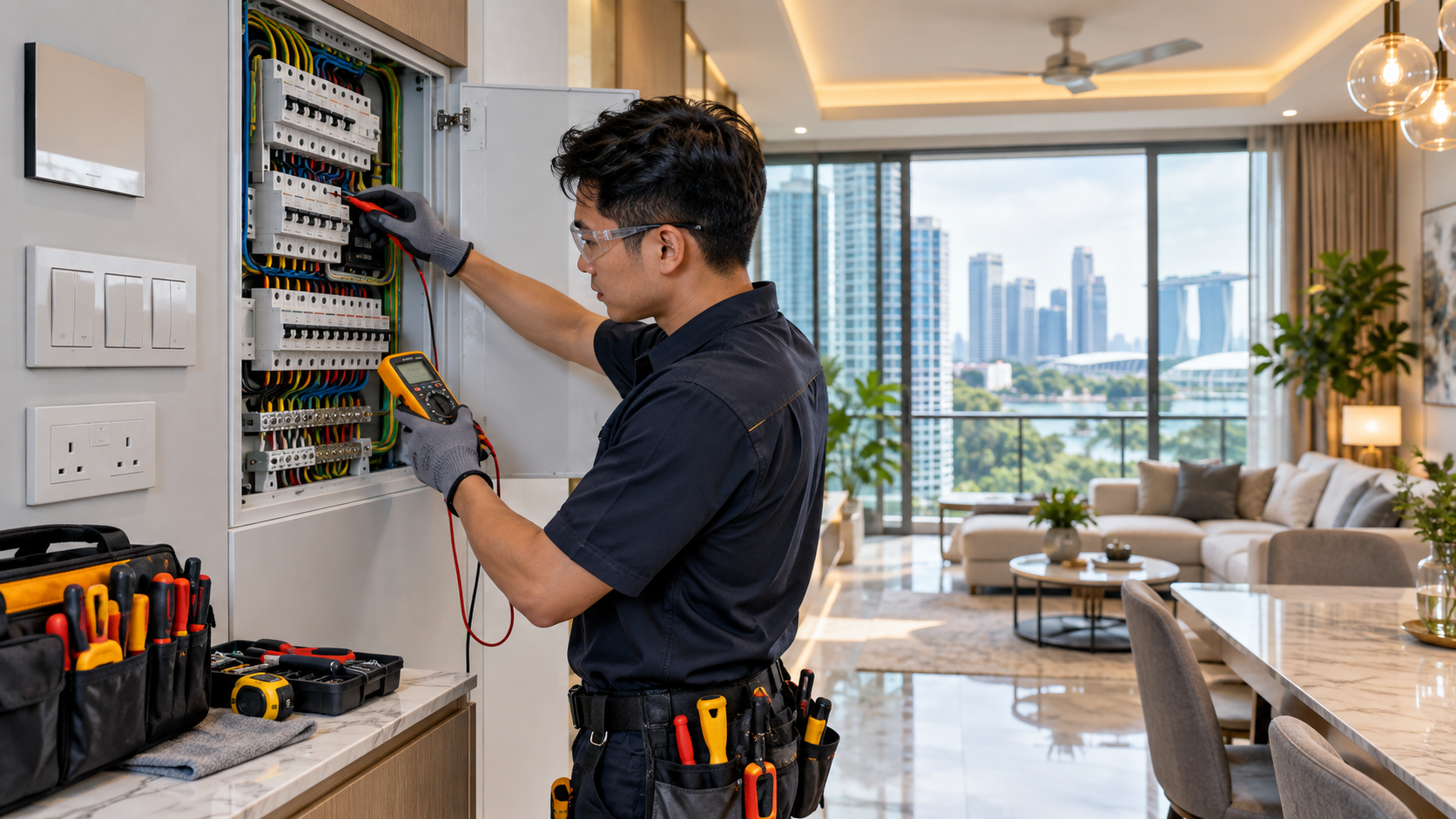
Reliable electrician services in Singapore help homeowners, tenants, landlords, offices, retailers, and other businesses maintain electrical systems safely while addressing problems such as faulty power points, damaged switches, lighting failures, circuit breaker issues, and wiring modifications. Singapore’s Energy Market Authority states that electrical work at homes and offices should be carried out or supervised by a Licensed Electrical Worker, commonly known as an LEW. This includes wiring work, adding or replacing electrical points, and work involving consumer control units or circuit breakers.
Electricity is essential to almost every modern property, but faults should not be treated as ordinary DIY maintenance.
A loose socket, frequently tripping circuit breaker, burning smell, damaged cable, or unexplained power interruption can indicate a problem that deserves professional assessment.
The safest approach is to identify the symptoms, stop using equipment that appears unsafe, and engage a suitably qualified professional for electrical work.
Understanding the services electricians provide, the importance of licensing, and the signs that a property needs professional attention can help consumers make better decisions.
What Do Electrician Services in Singapore Include?
Professional electricians can perform a broad range of electrical tasks, although the exact work they are authorised to carry out depends on their licence class and the electrical installation involved.
EMA identifies three classes of Licensed Electrical Workers:
• Licensed Electrician
• Licensed Electrical Technician
• Licensed Electrical Engineer
A Licensed Electrician can work on installations not exceeding an approved load of 45 kVA and operating at 1,000 volts or below. Electrical Technicians and Electrical Engineers can handle installations of larger scale according to their respective licence conditions.
For a typical home, services may include:
• Electrical fault diagnosis
• Wiring repairs
• Rewiring
• Lighting point work
• Switch replacement
• Socket outlet installation
• Additional power points
• Circuit breaker work
• Consumer control unit repairs
• Electrical testing
• Electrical modifications
Commercial requirements may involve larger installations, distribution systems, testing, inspection, and ongoing electrical maintenance.
Electrician Services in Singapore for Residential Properties
Homes contain more electrical equipment than ever.
Air conditioning, computers, televisions, kitchen appliances, water heaters, chargers, smart devices, lighting, and other equipment can all place demands on the electrical installation.
Residential electrical services may be required during:
• Renovations
• Older property upgrades
• Lighting changes
• Kitchen improvements
• Home office installation
• Addition of new power points
• Electrical fault investigation
• Replacement of damaged fittings
• Changes to room layouts
EMA specifically notes that adding, extending, or replacing power points such as socket outlets, switches, and lighting points forms part of electrical work that should be carried out or supervised by an LEW.
Why Licensed Electricians Matter in Singapore
Electrical work carries risks that are not always visible.
A fitting may appear to work normally even when the underlying wiring or connection has a problem.
Incorrect electrical work can contribute to:
• Electric shock
• Overheating
• Equipment damage
• Circuit failure
• Electrical fires
• Unexpected power interruption
• Damage to wiring
This is why professional competence matters.
How to Verify a Licensed Electrical Worker
EMA advises consumers to check that an electrical worker holds a valid licence before work begins.
Licensed Electrical Workers are issued licence cards containing identifying details and a licence number.
Consumers can also verify electrical professionals using EMA’s e Licence Information Services portal, known as ELISE.
When engaging an electrician, ask for:
• Full name
• Licence information
• Scope of work
• Written quotation where appropriate
• Details of testing required
• Explanation of any recommended electrical modifications
Clear documentation is particularly useful for larger jobs.
7 Smart Safety Tips When Choosing Electrician Services in Singapore
Choosing an electrician should involve more than comparing the lowest advertised price.
1. Verify the Electrician’s Licence
Licensing should be one of the first checks.
EMA states that consumers requiring electrical work should engage a Licensed Electrical Worker with the appropriate class of licence.
Verification can help confirm that the person is authorised to perform the type of electrical work required.
This is particularly important when work involves wiring, circuit breakers, new electrical points, or modification of an existing installation.
Avoid selecting someone only because they describe themselves online as experienced.
Check their actual credentials.
2. Explain the Electrical Problem Clearly
Before requesting a quotation, describe the symptoms accurately.
Useful information can include:
• Which room is affected
• Whether power is completely lost
• Whether a breaker trips
• Whether the problem is constant or intermittent
• Whether there is a burning smell
• Whether a socket or switch feels unusually warm
• Whether the issue started after renovation or appliance installation
• Whether multiple circuits are affected
Do not open electrical panels or remove covers simply to provide more information.
A qualified electrician can conduct the necessary inspection safely.
3. Request a Clear Scope of Work
A quotation should make it reasonably clear what is being proposed.
Depending on the job, it may identify:
• Labour
• Replacement components
• New power points
• Wiring
• Testing
• Repair work
• Electrical accessories
• Additional troubleshooting
• Follow up work
For more complex projects, ask whether there could be additional costs if hidden electrical faults are discovered.
A cheap quotation may not necessarily include the same work as another proposal.
4. Avoid DIY Electrical Modifications
Replacing a decorative item is very different from modifying electrical wiring.
EMA specifically states that rewiring, alteration, repair, replacement, and other work on electrical installations should be handled by Licensed Electrical Workers.
DIY electrical work can create danger even when the finished fitting appears normal.
Poor connections can remain hidden inside walls, boxes, or distribution equipment.
Electrician Services in Singapore Should Prioritise Testing
Electrical work should not end simply because a light turns on.
Testing helps confirm that the completed installation operates safely.
EMA states that relevant electrical work must be tested and certified safe for use by an appropriately licensed electrical worker before supply is turned on where applicable.
5. Ask About Parts Before Replacement
Not every fault requires a complete replacement.
A professional electrician should diagnose the issue before recommending major changes.
If a component needs replacement, ask:
• What has failed?
• Why does it need replacement?
• Is the replacement compatible with the installation?
• Will additional electrical work be required?
• Is testing included?
This helps homeowners understand what they are paying for.
6. Treat Electrical Warning Signs Seriously
Certain symptoms should not be ignored.
These can include:
• Burning smell
• Visible sparks
• Melted socket surfaces
• Blackened electrical fittings
• Frequent breaker trips
• Electrical shocks
• Buzzing from electrical fittings
• Unusually warm sockets
• Damaged exposed wiring
• Repeated loss of power
Stop using affected equipment where it is safe to do so and seek professional assistance.
If there is an immediate danger, fire, smoke, or other emergency, prioritise emergency services and personal safety.
7. Keep Electrical Records After Major Work
Documentation can be useful when renovating, selling, renting, or maintaining a property.
Keep copies of relevant:
• Quotations
• Invoices
• Test records
• Electrical drawings where applicable
• Installation documentation
• Product details
• Maintenance information
Commercial installations subject to licensing can have additional documentation requirements.
EMA requires holders of applicable installation licences to maintain records including updated single line drawings and inspection reports.
Electrician Services in Singapore for Power Point Installation
Modern homes often need more socket outlets than older properties were designed to provide.
Common reasons include:
• Home offices
• Entertainment systems
• Kitchen appliances
• Charging stations
• Additional bedroom equipment
• Smart home devices
• Workstations
Using multiple extension adapters as a permanent substitute for properly planned electrical points may create clutter and increase electrical loading concerns.
An electrician can assess the existing installation and determine the appropriate approach.
Moving or Adding Power Points
Installing a new power point can involve more than cutting an opening in the wall.
The electrician may need to consider:
• Existing wiring
• Circuit capacity
• Cable route
• Protection devices
• Installation environment
• Appliance requirements
• Accessibility
EMA confirms that addition, extension, or replacement of socket outlets is electrical work requiring an LEW.
Lighting Electrician Services in Singapore
Lighting can dramatically change the function and appearance of a property.
Electrical work may be needed when adding or relocating lighting points.
Common projects include:
• Ceiling lights
• Pendant lighting
• Kitchen lighting
• Bedroom lighting
• Office lighting
• Feature lighting
• Renovation lighting
• Replacement of defective lighting points
Installing a replacement bulb alone is different from modifying electrical wiring.
EMA notes that replacing bulbs does not itself require an LEW, but wiring work associated with electrical equipment does.
Plan Lighting Before Renovation
Planning electrical locations early can reduce unnecessary changes later.
Before renovation begins, consider:
• Furniture layout
• Bed position
• Television location
• Work desk
• Kitchen appliances
• Dining area
• Storage
• Mirrors
• Charging locations
• Air conditioning equipment
Good planning helps reduce the need to alter finished walls after electrical installation.
Circuit Breaker and Consumer Unit Problems
Circuit breakers protect electrical circuits under specified fault or overload conditions.
A breaker that trips repeatedly should not simply be reset indefinitely without understanding why.
Possible causes can include:
• Faulty appliances
• Circuit problems
• Electrical faults
• Overloading
• Damaged equipment
• Other installation issues
A qualified electrician can inspect the system and identify the cause.
EMA specifically lists repair or replacement of consumer control units and circuit breakers among work that should be performed or supervised by an LEW.
Do Not Force a Breaker to Stay On
A breaker that repeatedly trips may be signalling an underlying problem.
Do not modify the breaker or attempt to prevent it from operating.
Electrical protective devices form an important part of the installation.
Rewiring Electrician Services in Singapore
Older properties may eventually require rewiring or partial wiring upgrades depending on the condition of the installation and renovation plans.
Warning signs that deserve professional assessment can include:
• Repeated electrical faults
• Damaged wiring
• Deteriorated fittings
• Previous unsafe modifications
• Persistent breaker problems
• Renovation involving major layout changes
Rewiring decisions should be based on inspection rather than property age alone.
A professional can evaluate the actual condition of the installation.
Electrician Services in Singapore for HDB Flats
Electrical work in an HDB flat should be performed by a suitable Licensed Electrical Worker when it involves the electrical installation.
EMA specifically uses electrical work in an HDB flat as an example of work requiring the services of a licensed electrician.
During renovation, electrical planning may involve:
• Additional sockets
• Lighting points
• Kitchen appliance locations
• Air conditioning related electrical requirements
• Water heater connections
• Home office points
• Television locations
• Built in furniture
Coordinate electrical decisions with renovation plans before carpentry and finishing work begins.
This can help avoid expensive alterations later.
Electrician Services for Condominiums and Private Homes
Private residential properties can have larger or more complex electrical layouts than smaller apartments.
Possible requirements may include:
• Outdoor lighting
• Multiple distribution boards
• Larger kitchens
• Home automation
• Security systems
• Gate equipment
• Pool related equipment
• Electric vehicle related infrastructure
• Multiple air conditioning systems
Electrical work should be assessed according to the actual installation rather than assuming every residential property has the same requirements.
Commercial Electrician Services in Singapore
Commercial electrical systems may operate at larger loads and support more equipment.
Typical environments include:
• Offices
• Restaurants
• Retail stores
• Warehouses
• Workshops
• Clinics
• Schools
• Industrial premises
• Food courts
• Construction environments
The appropriate LEW class depends on the scale and characteristics of the installation.
EMA notes that larger installations such as food courts may require an Electrical Technician or Electrical Engineer rather than a Licensed Electrician.
Electrical Installation Licensing for Businesses
Residential electrical installations used exclusively for residential purposes are not subject to EMA’s electrical installation licensing scheme.
However, certain non residential installations require an installation licence.
EMA identifies examples including:
• Non domestic installations with approved load above 45 kVA
• Electrical installations used in hazardous trades regardless of approved load
• Non domestic supply installations regardless of approved load
Owners or users of these installations must appoint an LEW of the appropriate class to take charge of the installation.
Commercial Electrical Inspections
Applicable licensed installations must be inspected and certified in accordance with regulatory requirements.
Businesses should maintain their electrical systems rather than waiting for equipment failure.
Preventive attention can help identify deterioration before it interrupts operations.
Emergency Electrician Services in Singapore
Some electrical faults occur unexpectedly.
A property may suddenly lose power, a breaker may keep tripping, or a fitting may begin producing unusual heat or smell.
Emergency electricians may provide rapid fault investigation depending on availability.
What to Do While Waiting for an Electrician
Prioritise safety.
Avoid touching damaged electrical equipment.
Keep people away from exposed wires or visibly damaged fittings.
Do not dismantle electrical panels.
Do not pour water onto electrical equipment.
Where a serious fire or immediate danger exists, contact the appropriate emergency services.
A professional electrician should diagnose the underlying fault before normal use resumes.
Electrical Work and Water Heaters
EMA distinguishes between installing an electrical appliance and modifying the electrical installation.
Its guidance states that installation of appliances such as water heaters does not itself require an LEW unless electrical wiring work is involved.
In practice, homeowners should clarify what the installation actually requires.
If wiring, switches, isolators, or electrical circuits need modification, the electrical portion should be handled by an LEW.
How Much Do Electrician Services in Singapore Cost?
There is no single price that applies to every electrical job.
Cost can depend on:
• Type of fault
• Amount of labour
• Replacement components
• Number of electrical points
• Wiring distance
• Accessibility
• Property type
• Urgency
• Time of attendance
• Testing requirements
• Complexity
• Whether walls or ceilings restrict access
A simple fitting replacement may cost significantly less than fault tracing or rewiring.
For larger projects, request a clear quotation before work begins where possible.
Emergency situations may be handled differently because immediate safety is the priority.
How to Compare Electrician Quotations
Comparing only the total price can be misleading.
Check what each quotation actually includes.
Consider:
• Labour
• Materials
• Number of points
• Testing
• Transport
• Troubleshooting
• Disposal
• Follow up
• Warranty terms where provided
A lower quote may exclude work that another electrician includes.
Ask questions when the scope is unclear.
Common Electrical Problems in Singapore Properties
Electrical issues can develop gradually or appear suddenly.
Common reasons for contacting an electrician include:
Power Point Not Working
One socket may fail while others remain functional.
The cause should be diagnosed professionally rather than assuming the socket itself is the only problem.
Lights Flickering
A flickering light can result from the lamp, fitting, connection, driver, or other electrical issue.
Persistent or widespread flickering deserves assessment.
Circuit Breaker Keeps Tripping
Repeated breaker trips can indicate a fault that needs investigation.
Switch Feels Hot
Electrical fittings should not be ignored when they become unusually warm.
Stop using the affected fitting and arrange an inspection.
Burning Smell Near Electrical Equipment
A burning smell is a serious warning sign.
Switch off or isolate the affected equipment only if this can be done safely and seek professional assistance.
Preventive Electrical Maintenance
Electrical maintenance should not begin only when something stops working.
Property owners can pay attention to visible warning signs and arrange professional inspection when necessary.
Useful habits include:
• Replace visibly damaged fittings
• Avoid overloaded adapters
• Keep electrical equipment dry
• Stop using damaged power cords
• Follow appliance manufacturer instructions
• Arrange professional assessment of recurring faults
• Do not conceal damaged electrical components behind furniture
Commercial properties may require more structured inspection and maintenance programmes depending on their installation and regulatory obligations.
Choosing Between Repair and Replacement
Not every faulty component requires a full electrical upgrade.
A competent electrician can determine whether repair or replacement is more appropriate.
Replacement may become reasonable when:
• Equipment is physically damaged
• Components are no longer serviceable
• Existing wiring is unsafe
• Repeated faults occur
• Renovation changes electrical requirements
• Existing capacity is unsuitable for planned use
Recommendations should be based on the actual installation.
Frequently Asked Questions
Do electrician services in Singapore require a licensed electrician?
Electrical work involving wiring, power points, switches, lighting points, circuit breakers, or modification of an electrical installation should be carried out or supervised by an EMA Licensed Electrical Worker.
How can I verify an electrician in Singapore?
Consumers can verify a Licensed Electrical Worker through EMA’s ELISE portal and can also ask to inspect the worker’s official licence card before electrical work begins.
Can an electrician add new power points in an HDB flat?
Yes. EMA specifically states that adding or extending socket outlets and other electrical points is electrical work requiring a Licensed Electrical Worker.
Why does my circuit breaker keep tripping?
Repeated tripping can have several causes, including an appliance fault, circuit problem, overloading, or another electrical issue. A qualified electrician should diagnose persistent problems.
Does a residential home need an electrical installation licence?
EMA’s installation licensing scheme does not apply to electrical installations used exclusively for residential purposes, although electrical work itself should still be carried out by an appropriately licensed worker.
When should I call emergency electrician services in Singapore?
Seek urgent professional assistance for serious faults such as burning smells, visible electrical damage, repeated power failure, sparking, shocks, or unusually hot electrical fittings. If there is fire or immediate danger, prioritise emergency services and personal safety.
Conclusion
Professional electrician services in Singapore help keep residential and commercial electrical systems safe, functional, and suitable for everyday use. Consumers should verify that electrical work is performed or supervised by the appropriate Licensed Electrical Worker, particularly when wiring, power points, lighting circuits, or circuit breakers are involved. By responding quickly to warning signs, comparing clear scopes of work, and avoiding unsafe DIY electrical modifications, property owners can reduce unnecessary risks and maintain a more reliable electrical installation.