Custom Sofa: 7 Smart Reasons to Design Seating That Fits Your Home Perfectly
A comfortable living room begins with furniture that matches your lifestyle, personal taste, and available space. Choosing a custom sofa allows homeowners to create seating that reflects their needs instead of settling for standard furniture dimensions, limited fabric selections, or uncomfortable cushioning. From spacious family rooms to compact city apartments, personalized furniture can make everyday living more enjoyable.
For homeowners across the United States, custom furniture offers greater control over design, materials, comfort, and functionality. Whether you prefer a modern sectional, a traditional upholstered couch, or a contemporary curved design, understanding the customization process helps you make informed decisions and avoid expensive mistakes.
What Is a Custom Sofa?
A custom sofa is a piece of upholstered seating designed or configured according to specific customer preferences. Depending on the manufacturer, customization may include dimensions, upholstery materials, cushion firmness, armrest styles, frame finishes, and seating arrangements.
Some furniture companies offer configurable designs based on existing models. Others provide more extensive customization, allowing customers to select individual measurements and construction details.
This flexibility makes custom made sofas attractive for homeowners seeking furniture that suits a particular room or interior design concept.
However, customization options vary between manufacturers. Buyers should confirm which features can actually be changed before placing an order.
7 Benefits of Choosing a Custom Sofa for Your Home
1. Furniture That Fits Your Living Space
One of the biggest advantages of a custom sofa is the ability to choose dimensions that suit your room.
Standard sofas are manufactured in predetermined sizes, which may not work well in unusually shaped spaces or smaller homes.
A personalized sofa design can help homeowners make better use of available floor space while maintaining comfortable walking areas.
For example, a narrow living room may benefit from a compact sofa with slimmer armrests, while a spacious family room may accommodate a larger sectional arrangement.
Accurate measurements are essential because even custom furniture can create problems when room dimensions or delivery access are overlooked.
2. Comfort Designed Around Your Preferences
Comfort is personal. Some people enjoy soft cushions that allow them to relax deeply, while others prefer firmer seating with stronger support.
Custom sofa manufacturers may offer different seat depths, cushion materials, and backrest configurations.
A deeper seat can be comfortable for lounging, but it may not provide ideal upright support for shorter individuals.
Similarly, higher seat cushions may make standing easier for some users, while lower seating can create a more relaxed appearance.
Testing sample cushions and comparing dimensions with furniture you already find comfortable can help you select a suitable design.
3. Greater Freedom in Upholstery Selection
Upholstery affects both the appearance and everyday performance of a sofa.
Custom furniture buyers can often choose from a broader range of colors, textures, and materials than those available in standard retail collections.
Popular choices include linen blends, cotton fabrics, velvet, leather, and performance upholstery.
Homes with children or pets may benefit from fabrics selected for durability and manageable cleaning requirements.
A formal sitting room, on the other hand, may allow greater emphasis on texture and decorative appearance.
Before selecting upholstery, request fabric samples and review the manufacturer’s cleaning recommendations.
4. Better Coordination With Interior Design
A custom sofa can help create a more consistent interior appearance.
Homeowners may coordinate upholstery colors with existing flooring, curtains, wall finishes, and other furniture pieces.
Modern rooms often work well with clean silhouettes and neutral fabrics, while traditional interiors may benefit from rolled arms, tailored cushions, or decorative details.
Customization can also help balance the visual proportions of the room.
A sofa with unnecessarily bulky arms may overwhelm a smaller living area, whereas a slimmer design can create a more open atmosphere.
The most successful designs combine attractive details with practical dimensions.
5. More Control Over Construction Quality
Custom furniture can provide opportunities to select materials and construction details that are important to long term performance.
Depending on the manufacturer, customers may be able to specify frame materials, cushion construction, upholstery, and support systems.
Kiln dried hardwood frames, properly engineered joints, and suitable suspension systems are among the options worth discussing.
However, custom construction does not automatically guarantee superior quality.
A poorly constructed personalized sofa may perform worse than a carefully manufactured standard model.
Ask the furniture maker about structural materials, warranties, and how the furniture is assembled before committing to a purchase.
6. Flexible Seating Arrangements
Different households need different seating arrangements.
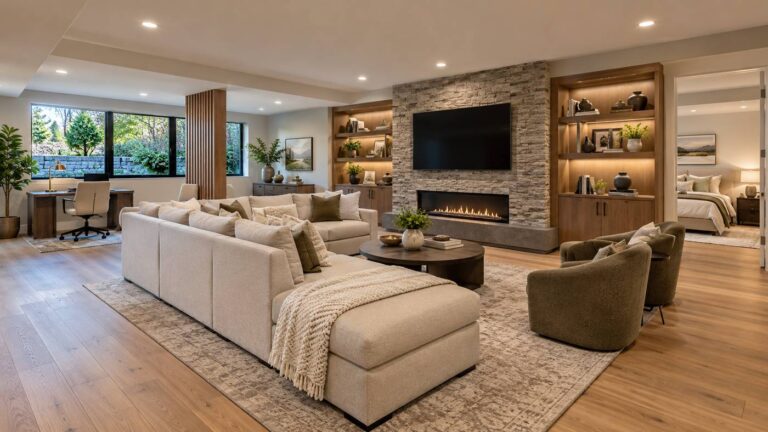
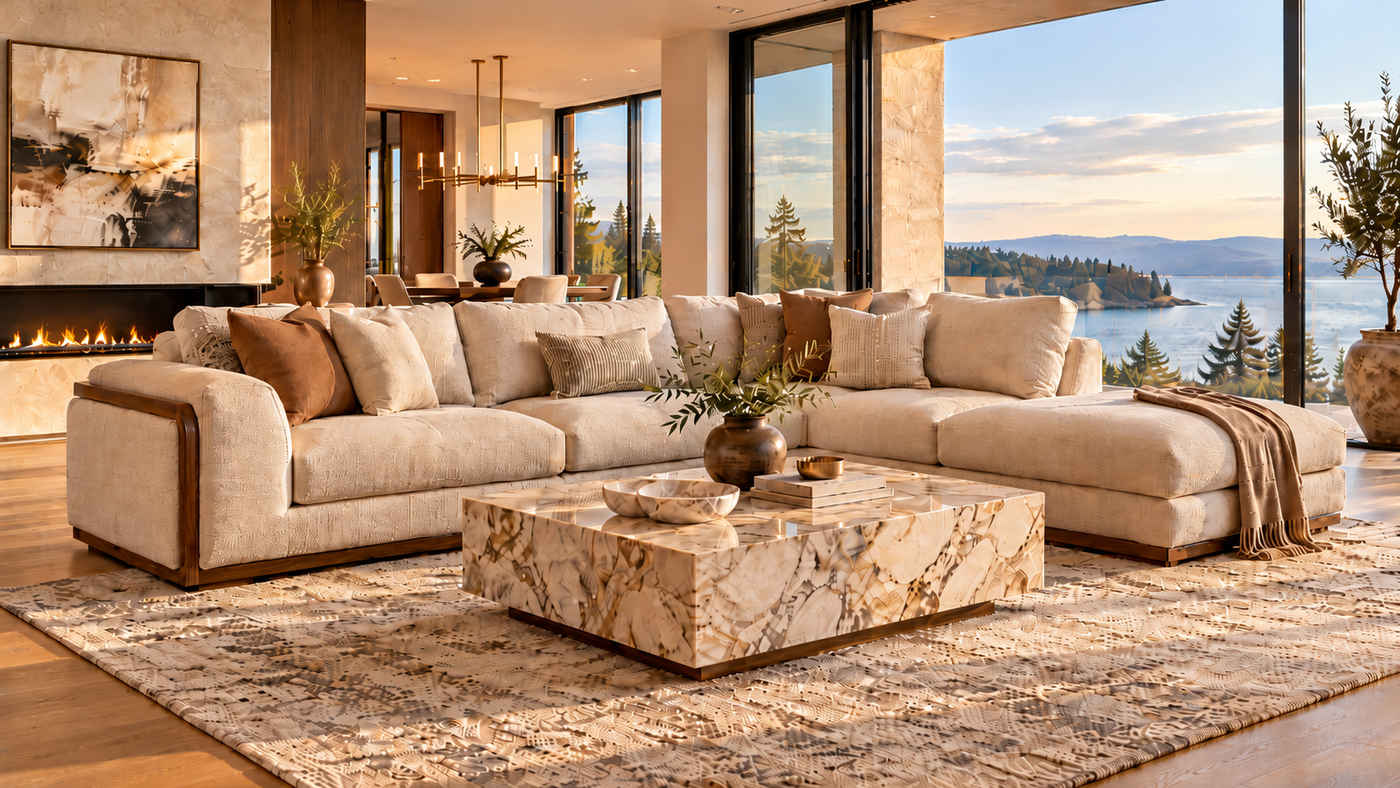
A custom sectional sofa may offer flexible configurations for family gatherings, television viewing, or entertaining visitors.
Some manufacturers provide modular pieces that can be arranged in different layouts.
Others offer chaise lounges, corner units, ottomans, or individual seating extensions.
This flexibility can be useful in open living spaces where furniture helps define separate activity areas.
When planning a sectional, consider television placement, doorway locations, traffic flow, and the amount of space needed around nearby tables.
7. Furniture That Reflects Your Lifestyle
A thoughtfully designed sofa should support daily activities rather than simply look attractive.
Families who enjoy movie nights may prioritize generous seating and durable fabrics.
Homeowners who frequently entertain guests might prefer upright cushions and a layout that encourages conversation.
People working with smaller spaces may prioritize compact proportions or compatible storage features.
Custom sofa designs allow these practical considerations to influence the final product.
Instead of selecting furniture based entirely on showroom appearance, homeowners can focus on how the sofa will function in their own environment.
How to Design the Perfect Custom Sofa
Designing personalized furniture requires careful planning. The most important decisions involve room measurements, seating comfort, overall shape, and compatibility with existing furnishings.
Measure Your Room Before Choosing Dimensions
Start by measuring the available floor space and identifying where the sofa will sit.
Record the width, depth, and height of the proposed furniture area.
Consider the position of doors, windows, fireplaces, electrical outlets, and other permanent features.
It is equally important to measure the delivery route, including hallways, elevators, staircases, and entrance doors.
A sofa that fits perfectly inside the living room may still be difficult to deliver if it cannot pass through an entryway.
Ask whether large furniture pieces can be delivered in separate sections when access is limited.
Choose the Right Seat Depth and Height
Seat dimensions influence how comfortable a sofa feels.
People who prefer upright sitting may appreciate a shallower seat with supportive back cushions.
Deeper seating can provide additional room for lounging, especially when paired with appropriate pillows.
Seat height also matters. Ideally, users should be able to sit comfortably and stand without unnecessary difficulty.
Rather than relying entirely on photographs, compare seat measurements with furniture you have personally tested.
If possible, visit a showroom or request detailed dimension drawings before finalizing the order.
Select a Shape That Supports the Room Layout
Custom sofas are available in several popular configurations.
Straight sofas work well in many traditional living rooms, while L shaped sectionals can provide additional seating in larger spaces.
U shaped arrangements may suit spacious entertainment areas, provided there is sufficient room for circulation.
Curved sofas can create a distinctive visual feature, although they may be harder to position against straight walls.
Choose a configuration that supports comfortable movement and the intended use of the room.
Choosing Materials for a Durable Custom Sofa
Material selection influences comfort, appearance, maintenance, and durability.
Frame Construction
The frame forms the structural foundation of upholstered furniture.
Common options include hardwood, engineered wood, metal, and combinations of different materials.
Construction quality depends on how these materials are selected and joined.
Ask about reinforcement, frame warranties, and manufacturer specifications rather than assuming one material is always superior.
A sturdy frame should remain stable under normal use without excessive movement or unusual noise.
Cushion Filling
Cushion materials affect firmness, shape retention, and maintenance requirements.
Polyurethane foam is commonly used because it is available in different densities and firmness levels.
Fiber filled cushions may create a softer appearance, while feather and down blends can provide a plush feel but often require regular fluffing.
Some designs combine materials to balance softness and support.
If a manufacturer advertises certified foam, confirm what the certification covers. For example, CertiPUR-US applies to qualifying flexible polyurethane foam, not automatically to the entire sofa.
Upholstery Fabric
Fabric should match how frequently the sofa will be used.
Performance fabrics may offer useful stain resistance or easier cleaning, depending on their specific treatment and construction.
Leather can provide an attractive surface but requires care appropriate to its finish and type.
Velvet creates a rich appearance, although its pile may show pressure marks or changes in shading.
Ask about abrasion testing, cleaning instructions, colorfastness, and expected wear.
No upholstery material is completely resistant to damage, so realistic maintenance expectations are important.
How Much Does a Custom Sofa Cost in the USA?
Custom sofa prices vary widely depending on the manufacturer, dimensions, materials, and level of customization.
A compact sofa using a manufacturer’s standard frame may cost less than a large sectional requiring specialized construction and premium upholstery.
Several factors influence the final price, including fabric selection, cushion filling, frame design, labor, delivery, and additional features.
When comparing quotations, check whether shipping, installation, taxes, and optional services are included.
It is also important to review payment terms and cancellation policies.
Because many made to order furniture pieces are produced according to individual specifications, return options may be more limited than those available for standard inventory.
The most useful comparison is the total delivered cost alongside construction quality and warranty coverage.
Common Mistakes to Avoid When Ordering a Custom Sofa
A personalized furniture purchase involves several decisions that deserve attention.
One common mistake is choosing a design based entirely on photographs without checking measurements.
Another is selecting upholstery for its appearance while ignoring cleaning requirements and daily usage.
Homeowners sometimes overlook seat comfort, assuming that expensive materials automatically produce a comfortable sofa.
Delivery access can also create problems when large furniture pieces cannot pass through doorways or narrow hallways.
Before placing an order, review the final specifications carefully.
Confirm dimensions, materials, color choices, cushion firmness, estimated production schedule, and warranty conditions in writing.
Ask whether the manufacturer provides drawings or final design approval before production begins.
How to Maintain Your Custom Sofa
Regular maintenance helps protect upholstered furniture and preserve its appearance.
Vacuum the sofa using an appropriate upholstery attachment to remove dust and loose debris.
Address spills promptly, following the manufacturer’s care instructions rather than applying unsuitable cleaning products.
Some fabrics tolerate water based cleaning methods, while others require specialized products or professional attention.
Rotate reversible cushions when recommended to distribute everyday wear more evenly.
Avoid placing sensitive upholstery in prolonged direct sunlight, which can contribute to fading.
Inspect removable cushion covers, seams, and supporting components periodically.
Professional upholstery cleaning may be appropriate when routine household care is insufficient.
Is a Custom Sofa Worth Buying?
A custom sofa can be a worthwhile purchase when standard furniture does not adequately meet your requirements.
It may be particularly useful for unusual room dimensions, specific comfort preferences, or coordinated interior design projects.
However, customization should be considered alongside construction quality, price, delivery arrangements, and warranty protection.
A standard sofa may offer better value when its dimensions and materials already suit your needs.
The goal is not simply to purchase personalized furniture, but to select seating that remains practical, comfortable, and visually appealing for years of everyday use.
Frequently Asked Questions
1. What is the difference between a custom sofa and a regular sofa?
A custom sofa offers selected design options such as dimensions, upholstery, or cushion firmness. A regular sofa generally comes with predetermined specifications and fewer personalization choices.
2. How long does it take to make a custom sofa?
Production times depend on the manufacturer, material availability, design complexity, and shipping arrangements. Request a written delivery estimate before placing your order.
3. Are custom sofas more expensive than standard sofas?
Custom sofas can cost more because of specialized materials and production requirements. However, pricing varies, and some configurable models may be competitively priced.
4. What fabric is best for a custom sofa with pets?
Durable, tightly woven upholstery with suitable cleaning instructions can be practical for homes with pets. Consider scratch resistance, stain performance, and ease of maintenance.
5. Can I customize the size of a sofa?
Many manufacturers allow adjustments to width, depth, and seating configuration. The available customization options depend on the furniture design and production capabilities.
6. How do I choose a reliable custom sofa manufacturer?
Review construction specifications, customer feedback, warranty coverage, fabric samples, and delivery policies. Confirm the final design details in writing before ordering.
Conclusion
A custom sofa offers homeowners an opportunity to create seating that matches their space, comfort preferences, and interior style. By choosing suitable dimensions, quality materials, and practical upholstery, you can design furniture that supports everyday living. Careful measurement, realistic budgeting, and clear communication with the manufacturer are essential for a successful purchase. A well planned custom sofa can become a comfortable and attractive centerpiece of your home