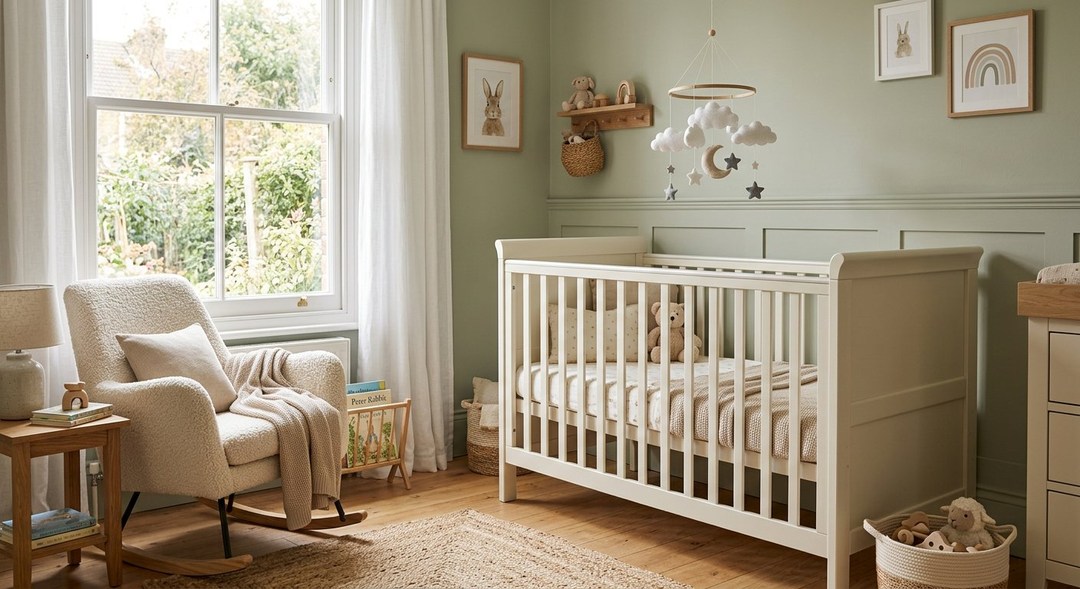
The Ultimate UK Baby Cot Buying Guide Every New Parent Should Read
Choosing the right Baby Cot is one of the most important nursery decisions for new and expecting parents. Your baby’s sleeping environment should provide a firm, flat, secure surface while meeting relevant UK safety requirements. With so many wooden cots, convertible designs, compact models, and nursery furniture collections available, understanding what genuinely matters can make the buying process much easier.
A beautiful nursery is appealing, but appearance should never take priority over safety, suitability, and everyday practicality. The ideal sleeping arrangement depends on your baby’s age, available space, mattress compatibility, and family needs. This guide explains the essential features, safety considerations, materials, costs, and common mistakes British parents should understand before purchasing a cot.
Why Choosing the Right Baby Cot Matters
Babies spend considerable time sleeping during their early development. Their sleeping environment therefore deserves careful attention, particularly because infants cannot always reposition themselves or move away from hazards.
A well-designed Baby Cot provides a dedicated sleeping space with appropriate structural support and a suitable mattress. However, the product must also be assembled and used correctly to maintain its intended safety features.
Parents should evaluate the complete sleep environment rather than focusing only on the cot frame. Mattress firmness, fitted bedding, positioning, and the absence of hazardous accessories are equally important.
Safety Should Come Before Appearance
Nursery furniture is available in many attractive finishes and designs. However, decorative features do not establish whether a cot is suitable for infant sleep.
A Baby Cot should meet the relevant safety requirements for its product category. Parents should also check manufacturer instructions, warnings, and recommended age or developmental limits.
Practical Design Makes Everyday Care Easier
Parents may need to place their baby into the cot several times throughout the day. Accessible construction and appropriate mattress-height settings can make this easier.
A practical Baby Cot should also be straightforward to clean and inspect. Simple features can be more valuable than decorative additions that create unnecessary complexity.
Understanding Different Baby Cot Types in the UK
The UK nursery market includes several types of infant sleeping furniture. These products differ in dimensions, intended age range, portability, and conversion features.
Understanding these distinctions helps parents choose a Baby Cot that fits their available space and expected period of use. Product names can vary between manufacturers, so specifications should always be checked.
Standard Baby Cot
A standard cot provides an enclosed sleeping space with fixed sides or other manufacturer-approved features. It is generally designed for babies and young children within specified developmental limits.
Many UK cots are designed for mattresses measuring approximately 120 x 60 cm. However, dimensions vary, and parents should never assume that every Baby Cot uses this size.
Cot Bed
A cot bed is designed to convert from an enclosed infant cot into a toddler-style bed. Some models include removable sides or additional conversion components.
A convertible Baby Cot can offer longer potential use when its configuration remains suitable for the child. Parents must follow the manufacturer’s conversion instructions and applicable safety requirements for each stage.
Mini Cot
Mini cots are designed for smaller spaces and may have a shorter useful lifespan than larger models. Their compact dimensions can appeal to families living in apartments or homes with limited nursery space.
However, a smaller Baby Cot may be outgrown sooner. Always check the manufacturer’s size, weight, and developmental restrictions before purchasing.
Bedside Crib
A bedside crib is a separate sleep product designed for use beside an adult bed. Certain models have an adjustable side and attachment system intended for specific bedside configurations.
A bedside crib should not be treated as interchangeable with a standard Baby Cot. It must be installed and used according to its own safety instructions, including any attachment and height requirements.
Essential UK Baby Cot Safety Standards
Safety standards are among the most important factors when buying infant sleeping furniture. They address aspects of product design, structural integrity, and potential hazards.
A Baby Cot sold in the UK should comply with applicable product safety legislation and relevant requirements. Parents should look for clear manufacturer information and evidence of appropriate product testing.
Understanding BS EN 716
BS EN 716 is the British adoption of a European standard covering safety requirements and test methods for children’s cots and folding cots intended for domestic use.
Parents purchasing a Baby Cot can look for a manufacturer’s declaration of conformity with the applicable version of this standard. The claim should relate to the actual product being purchased.
Why Product Testing Matters
Safety testing may examine structural performance, openings, stability, and other design characteristics. These checks are intended to identify foreseeable hazards associated with normal and reasonably foreseeable use.
A Baby Cot should not be considered safe merely because it looks sturdy. Reliable manufacturer documentation provides more useful reassurance than appearance alone.
Check Product Recalls
Product recalls can occur when safety concerns are identified after an item reaches the market. Parents should check relevant UK product safety information when purchasing unfamiliar or second-hand models.
The UK Office for Product Safety and Standards publishes product safety information and alerts. Manufacturer recall notices may also provide important instructions.
Choosing the Correct Baby Cot Mattress
The mattress is a critical part of an infant’s sleeping environment. It must be suitable for the cot and provide an appropriate sleeping surface.
A Baby Cot mattress should be firm, flat, and correctly fitted. Soft surfaces or large gaps between the mattress and cot sides can create avoidable hazards.
Mattress Size Must Match the Cot
Manufacturers specify the mattress dimensions suitable for their products. Parents should follow those measurements rather than relying on general mattress categories.
A poorly fitting Baby Cot mattress can create gaps around the edges. These gaps may present entrapment risks, making accurate sizing essential.
Choose a Firm and Flat Surface
UK safer-sleep guidance recommends a firm, flat mattress for babies. The sleeping surface should not be inclined or shaped to position the baby in a particular posture.
A Baby Cot should not be fitted with a soft mattress topper or additional padding unless the manufacturer specifically permits a suitable product and its use is consistent with safer-sleep guidance.
Check Mattress Condition
Mattresses should be clean, dry, supportive, and free from damage. Sagging, tears, deterioration, or unsuitable softness can make a mattress inappropriate.
If purchasing a second-hand Baby Cot, consider obtaining a new mattress that meets current safety requirements and fits correctly.
Baby Cot Mattress Materials Explained
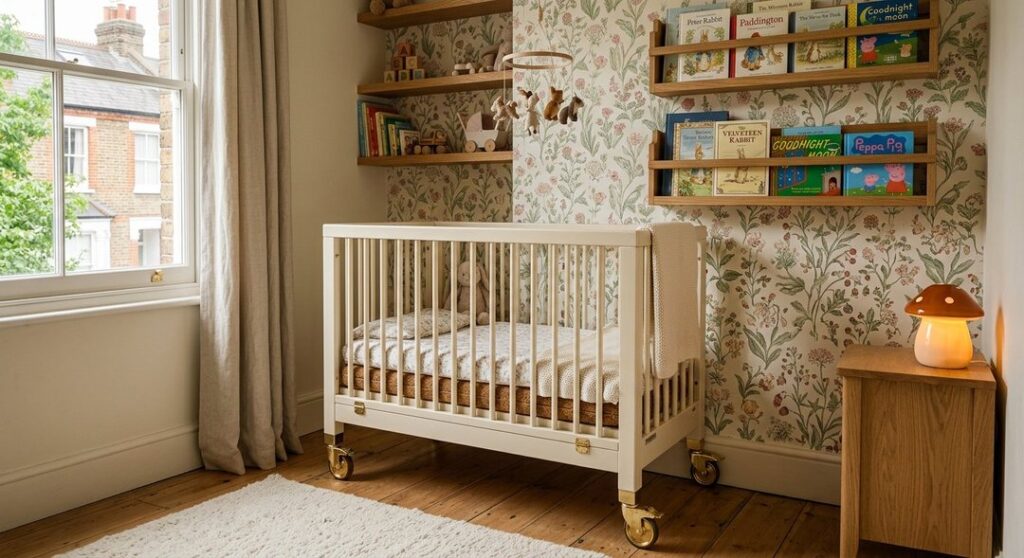
Cot mattresses are available in different constructions, including foam, sprung, and natural-material designs. Each has characteristics that may influence cost, firmness, weight, and maintenance.
The best Baby Cot mattress is not necessarily the most expensive option. Safety, appropriate firmness, correct dimensions, and compliance with relevant requirements should guide the decision.
Foam Mattresses
Foam mattresses are commonly available and can be relatively lightweight. Their performance depends on foam construction, density, and product design.
Parents should select a Baby Cot mattress intended specifically for infant sleep. An ordinary adult foam product should not be substituted.
Sprung Mattresses
Sprung cot mattresses use internal support systems combined with other materials. Construction and firmness vary between manufacturers.
A sprung Baby Cot mattress should still provide the firm, flat surface recommended for babies. The presence of springs does not automatically establish superior safety.
Natural-Material Mattresses
Some manufacturers offer mattresses incorporating coconut fibre, wool, cotton, or other materials. These products may appeal to parents who prefer particular material characteristics.
However, natural ingredients do not automatically make a Baby Cot mattress safer. Product construction, firmness, hygiene, and relevant testing remain essential.
Why Baby Cot Mattress Firmness Is Important
Babies have different physical abilities from older children and adults. A soft sleeping surface can increase the risk of the baby’s face becoming obstructed.
A firm Baby Cot mattress helps maintain a flat sleeping area. Parents should avoid adding pillows, cushions, or soft accessories to improve perceived comfort.
Avoid Soft Mattress Toppers
An adult may associate softness with better sleep, but infant safer-sleep recommendations are different. Babies should sleep on a firm, flat surface.
Adding an unapproved topper can change the mattress’s intended characteristics. A Baby Cot should be used with the manufacturer’s recommended mattress arrangement.
Waterproof Protection Can Be Practical
A suitable waterproof mattress cover can help protect against spills and everyday accidents. It should fit correctly and not create loose material or bunching.
Parents should follow mattress manufacturer instructions when selecting protective covers. The sleeping surface must remain firm and flat.
Baby Cot Materials and Construction
Cot frames are commonly manufactured from solid wood, engineered wood, metal, or combinations of materials. Each construction method can produce suitable furniture when properly designed and tested.
A Baby Cot should be evaluated based on structural quality, finish, stability, and compliance rather than material reputation alone.
Solid Wood Baby Cots
Wooden cots are popular because they can complement many nursery interiors. Common designs use painted timber or natural wood finishes.
A wooden Baby Cot should have smooth accessible surfaces and appropriate construction. Parents should check for splinters, cracks, loose joints, or damage.
Engineered Wood Designs
Some nursery furniture incorporates engineered wood components. Product suitability depends on manufacturing quality and the specific structural application.
An engineered-wood Baby Cot should meet the same relevant safety expectations as other products in its category. Material type alone does not determine whether it is suitable.
Metal Baby Cots
Metal frames are available in selected nursery furniture designs. They may offer a different appearance from traditional wooden models.
Parents should check finishes, construction quality, and manufacturer documentation. A metal Baby Cot must still provide a safe enclosed sleeping space.
Choosing a Baby Cot for a Small Nursery
Limited floor space can make nursery planning more challenging. Parents may need to balance sleeping furniture with storage, seating, and safe movement around the room.
A compact Baby Cot can help, but it should not create hazards through poor placement or overcrowding. Accurate measurements are important before ordering.
Measure the Available Space
Measure the intended location and consider surrounding furniture. Allow enough room to access the cot safely without squeezing through narrow gaps.
The Baby Cot should also be positioned away from obvious hazards. These include dangling blind cords, electrical cables, and unstable furniture.
Consider Future Requirements
A compact model may work well initially but become unsuitable as the baby grows. Parents should check developmental limits and expected product use.
A larger Baby Cot may offer more flexibility, but only when sufficient space is available. The correct decision depends on the room and household circumstances.
Baby Cot Placement and Safer Sleep
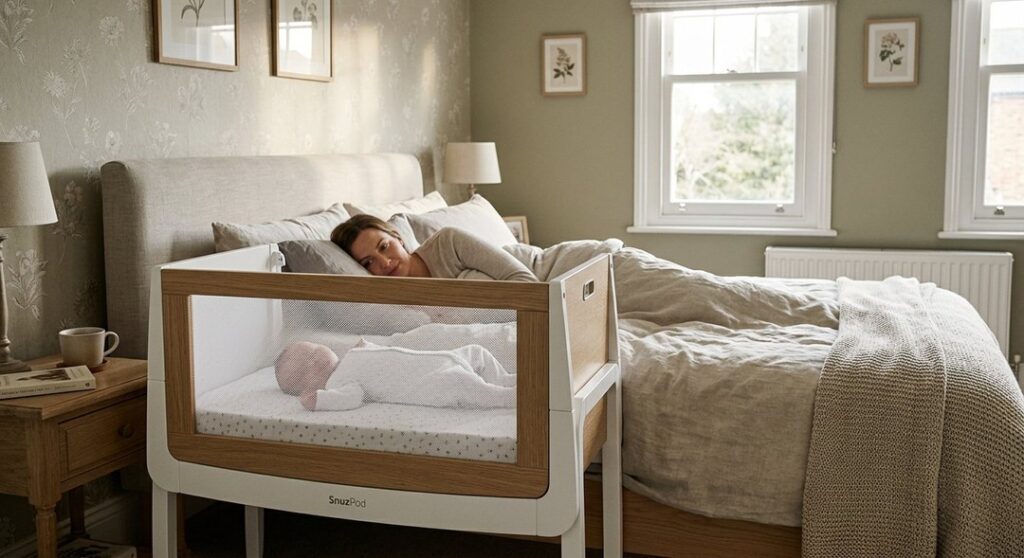
Where a cot is positioned can influence both convenience and safety. Parents should consider access, temperature, ventilation, and nearby hazards.
A Baby Cot should be placed on a stable surface and used according to manufacturer instructions. It should not be positioned where objects could fall into the sleeping area.
Keep the Cot Away From Blind Cords
Blind cords and curtain cords can create strangulation hazards for young children. They should be kept well away from sleeping furniture.
Parents should inspect the area around the Baby Cot before use. Furniture arrangements may need updating as the child becomes more mobile.
Avoid Nearby Heat Sources
Radiators, heaters, and direct sources of heat can create overheating concerns. The baby’s sleeping environment should remain appropriately comfortable.
A Baby Cot should not be placed directly beside an unsuitable heat source. UK safer-sleep guidance can help parents manage room temperature and clothing.
Keep Shelves and Decorations Secure
Wall decorations and nearby shelves should not introduce falling-object hazards. Heavy items should not be positioned where they could fall into the cot.
The Baby Cot itself should remain free of decorative objects. Nursery styling belongs outside the baby’s sleeping space.
Why Room Sharing Is Recommended for Young Babies
The NHS and The Lullaby Trust recommend that babies sleep in the same room as their parents for the first six months, both during the day and at night.
This means using a separate, appropriate sleeping surface within the parents’ room. A Baby Cot may be suitable when it fits the room and is appropriate for the infant.
Room Sharing Is Different From Bed Sharing
Room sharing allows a baby to sleep nearby without using the adult mattress. It is distinct from sharing the same sleep surface.
A properly positioned Baby Cot can provide a separate sleeping space. Parents should follow current safer-sleep guidance concerning sleep arrangements.
Plan for Night-Time Access
Parents frequently attend to feeding and other needs during the night. Convenient access can make these routines easier.
However, accessibility should not compromise safe positioning. The Baby Cot must remain stable and appropriately assembled.
What Should Go Inside a Baby Cot?
A baby’s sleeping space should be simple and uncluttered. The safest arrangement is not necessarily the most decorative one.
A Baby Cot should contain a suitable firm, flat mattress with a correctly fitted covering. Additional items should follow current UK safer-sleep recommendations.
Avoid Pillows and Cushions
Pillows are not recommended for babies because they can create suffocation risks. Decorative cushions should never be placed in an occupied cot.
The Baby Cot should remain free of unnecessary soft furnishings. Items can be displayed elsewhere in the nursery.
Avoid Cot Bumpers
Cot bumpers can create suffocation, entrapment, and strangulation hazards. Their decorative appearance does not justify their use.
Parents should not attach padded bumpers to a Baby Cot. The cot should be used with its original safety features intact.
Keep Soft Toys Outside the Sleeping Area
Soft toys may be suitable for supervised play, depending on the child’s age and the product. They should not be placed around a sleeping baby.
A Baby Cot is intended to provide a clear sleep surface. Toys can be stored separately until playtime.
Choose Bedding Carefully
UK safer-sleep guidance provides recommendations on suitable baby bedding and sleeping bags. Bedding should be selected according to the baby’s age and the product’s instructions.
Avoid loose duvets, quilts, and bulky bedding for young babies. The Baby Cot should not contain materials that could cover the baby’s face.
Adjustable Baby Cot Mattress Heights
Some cots include several mattress-base positions. These settings are intended to accommodate different stages of development.
An adjustable Baby Cot can make placing a young baby down easier when the mattress is at a permitted higher setting. The base must be lowered according to manufacturer instructions as the child develops.
Higher Mattress Settings
A higher setting may reduce bending for parents during the earliest stage of use. It is only appropriate while the baby remains within the manufacturer’s specified developmental limits.
Parents should never use convenience as a reason to ignore height restrictions. Safety requirements take priority.
Lower Mattress Settings
As babies become more mobile, the mattress base may need to be lowered. This helps maintain the protective function of the cot sides.
A Baby Cot should be adjusted before the child reaches a stage at which the existing setting becomes unsafe. Follow the manufacturer’s instructions rather than guessing.
When Should a Baby Move Into a Cot?
There is no single age when every baby must move into a standard cot. The decision depends on the current sleeping product, the baby’s development, and manufacturer limits.
Some families use a suitable Baby Cot from birth, while others initially use an approved bedside crib or Moses basket. The sleeping product must remain appropriate throughout use.
Watch Developmental Milestones
Rolling, sitting, pulling up, and increasing mobility can affect the suitability of certain sleeping products. Manufacturers provide restrictions based on these changes.
Parents should review the Baby Cot instructions whenever their child reaches a new developmental stage. The same applies to bedside cribs and other infant sleeping furniture.
How Long Can a Baby Cot Be Used?
The useful lifespan of a cot depends on the model, its dimensions, and the child’s development. Some children outgrow a standard cot before others.
A Baby Cot should no longer be used when the manufacturer-defined limits are reached. These may involve height, weight, mobility, or other safety considerations.
Do Not Rely Only on Age
Children grow at different rates, so age alone may not determine when a cot becomes unsuitable. Developmental abilities also matter.
Parents should monitor whether the Baby Cot continues to provide appropriate containment. Climbing attempts can indicate that the sleeping arrangement needs reassessment.
Baby Cot Versus Cot Bed
A standard cot and a convertible cot bed can both be practical options. The main difference is whether the product is designed for conversion into another sleeping configuration.
A convertible Baby Cot may offer longer use, but conversion features should not outweigh safety or quality.
Benefits of a Standard Cot
Standard cots can offer a straightforward design and may fit smaller nursery spaces. They can also be suitable for families planning to purchase a separate toddler bed later.
The available features depend on the specific model. Parents should compare dimensions and mattress requirements carefully.
Benefits of a Convertible Cot Bed
Cot beds can extend the potential use of the original furniture through manufacturer-approved conversions. This may reduce the need to purchase another bed immediately.
However, a convertible Baby Cot may require additional parts or a different configuration. Check whether all necessary conversion components are included.
Buying a New Baby Cot
A new cot generally provides access to current manufacturer documentation, warranty information, and product specifications. This can make suitability easier to evaluate.
However, a new Baby Cot should still be inspected before use. Manufacturing defects, shipping damage, or incorrect assembly can create problems.
Check Manufacturer Information
A reputable product listing should identify the manufacturer, dimensions, relevant safety information, and mattress requirements. Assembly instructions should also be available.
Parents should avoid purchasing a Baby Cot from a seller who cannot provide essential product information.
Examine the Warranty
Warranty coverage can vary between manufacturers. It may relate to manufacturing defects or other specified conditions.
A warranty does not replace safety compliance. Parents should read the terms and retain proof of purchase.
Is a Second-Hand Baby Cot Safe?
Second-hand nursery furniture may be attractive to budget-conscious families. However, its condition, age, assembly history, and compliance information deserve careful attention.
A second-hand Baby Cot should be inspected thoroughly before purchase. Missing parts, structural damage, or unavailable instructions can make the product unsuitable.
Inspect the Frame
Check for cracks, loose joints, splinters, damaged slats, and other visible defects. All required fittings should be present.
Do not attempt improvised repairs that change the Baby Cot design. Replacement components should be approved by the manufacturer.
Verify the Model
Look for the manufacturer and model identification. This information can help locate instructions and relevant safety notices.
Avoid purchasing an unidentified Baby Cot when its specifications cannot be established. Visual appearance alone is insufficient.
Consider a New Mattress
A new, correctly fitted mattress is generally preferable when using a second-hand cot. It should meet applicable safety requirements and provide a firm, flat surface.
Do not assume an old mattress remains suitable simply because it appears clean. Hidden deterioration or poor fit can create concerns.
Baby Cot Assembly and Installation
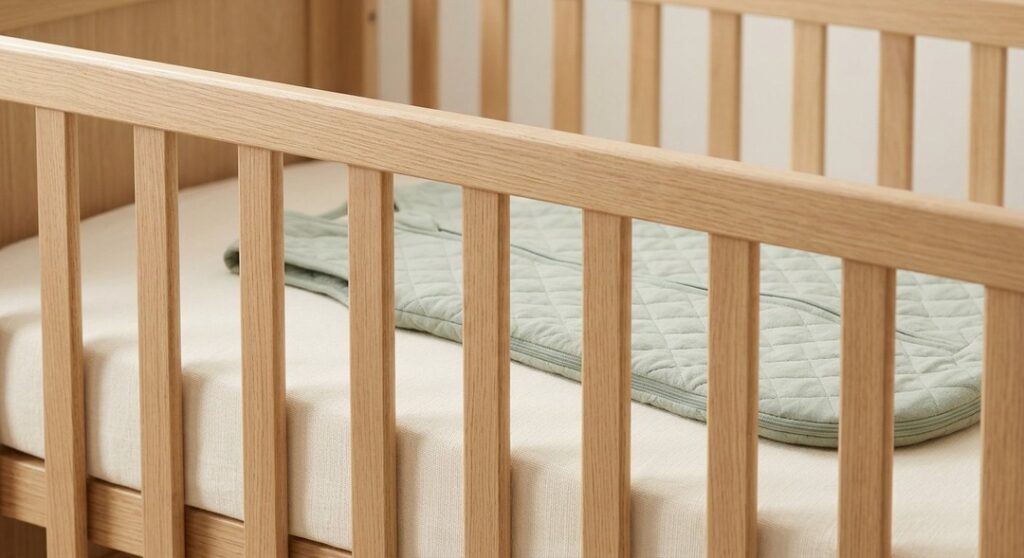
Correct assembly is essential because safety testing assumes the product is constructed as intended. Missing fittings or incorrect positioning can affect stability.
Parents should follow the Baby Cot manual carefully and retain it for future reference. Assembly should not involve unnecessary modifications.
Use the Supplied Components
Use the fittings and parts specified by the manufacturer. Unapproved substitutions may affect structural performance.
If a component is missing, contact the manufacturer or authorized supplier. Do not operate the Baby Cot with incomplete assembly.
Check Stability
After assembly, inspect the frame and ensure the components are secure. The mattress base should be correctly positioned.
A Baby Cot should not rock unexpectedly or show obvious instability. Any uncertainty should be resolved before the baby uses it.
Recheck After Moving
Moving furniture can loosen components or expose existing damage. Inspect the cot after relocation or disassembly.
The Baby Cot should be reassembled according to its instructions. Routine checks help identify potential problems.
Baby Cot Maintenance and Cleaning
Nursery furniture benefits from regular cleaning and inspection. Dust, spills, and ordinary wear can affect appearance and hygiene.
A Baby Cot should be cleaned using methods appropriate to its materials. Harsh chemicals may damage finishes or leave unwanted residues.
Clean the Frame Gently
A soft cloth and manufacturer-approved cleaning method are usually appropriate for routine maintenance. Avoid soaking wooden components or using abrasive products.
Dry surfaces thoroughly when required. A Baby Cot should not be used while cleaning products remain present.
Maintain the Mattress
Follow the mattress manufacturer’s cleaning instructions. Some products have removable covers, while others require surface cleaning.
The Baby Cot mattress should remain dry and in good condition. Replace it when it becomes damaged or unsuitable.
Inspect Fittings Regularly
Check accessible fasteners, slats, and structural joints for visible problems. Children may place increasing physical demands on furniture as they grow.
A Baby Cot showing damage should not remain in use until the issue has been appropriately resolved.
Baby Cot Design Trends in British Nurseries
Nursery design trends often emphasize natural materials, neutral colors, and furniture that complements the rest of the home. Simple wooden finishes remain popular across many styles.
However, Baby Cot design should always begin with safe construction and suitability. Decorative preferences come after those requirements.
Natural Wood Finishes
Natural wood tones can create a warm appearance and complement neutral nursery interiors. They also work with different wall colors and storage furniture.
A wooden Baby Cot should have an appropriate finish and smooth surfaces. Parents should check relevant product information rather than assuming natural materials are automatically safer.
White Nursery Furniture
White cots can create a bright and versatile nursery design. They often coordinate easily with existing furniture.
A painted Baby Cot should use finishes suitable for the intended product. Damaged or peeling coatings should be investigated.
Minimalist Nursery Designs
Minimalist nurseries use fewer decorative elements and often emphasize practical storage. This can help keep the room organized.
However, minimalist appearance alone does not establish safety. A Baby Cot still requires proper assembly, correct bedding, and safe positioning.
Choosing Baby Cot Colours and Finishes
Colour is primarily an aesthetic decision, but surface quality and maintenance also matter. Parents should choose finishes that are durable and appropriate for children’s furniture.
A Baby Cot may be available in white, grey, natural timber, or other colours. Product documentation remains more important than the shade.
Consider Cleaning Practicality
Light finishes may reveal marks more easily, while darker finishes can show dust or scratches. Neither is inherently safer.
Choose a Baby Cot finish that suits the room and can be maintained according to manufacturer instructions.
Avoid Unapproved Repainting
Repainting a cot can introduce concerns involving coating suitability, surface preparation, and product integrity. Not every manufacturer permits refinishing.
Parents should seek product-specific guidance before modifying a Baby Cot. Decorative changes should never compromise safety.
How Much Does a Baby Cot Cost in the UK?
Prices vary widely according to brand, dimensions, materials, design, and conversion features. Budget models and premium nursery furniture can meet appropriate safety requirements.
A more expensive Baby Cot is not automatically safer. Parents should compare verified safety information, construction, suitability, and practical features.
Budget Baby Cots
Lower-priced models may provide simple construction without additional design features. This can be sufficient when the product meets relevant requirements.
Parents should prioritize a suitable mattress and correct assembly. Decorative extras are not essential.
Mid-Range Baby Cots
Mid-range products may offer additional finishes, adjustable mattress positions, or coordinated furniture options. Features vary between manufacturers.
A Baby Cot in this category should still be evaluated against the same safety standards as any other product.
Premium Baby Cots
Premium models may emphasize materials, craftsmanship, styling, or conversion options. These features can appeal to parents seeking coordinated nursery furniture.
However, higher pricing should not be interpreted as proof of superior infant safety. Product compliance and correct use remain essential.
Hidden Costs Parents Should Consider
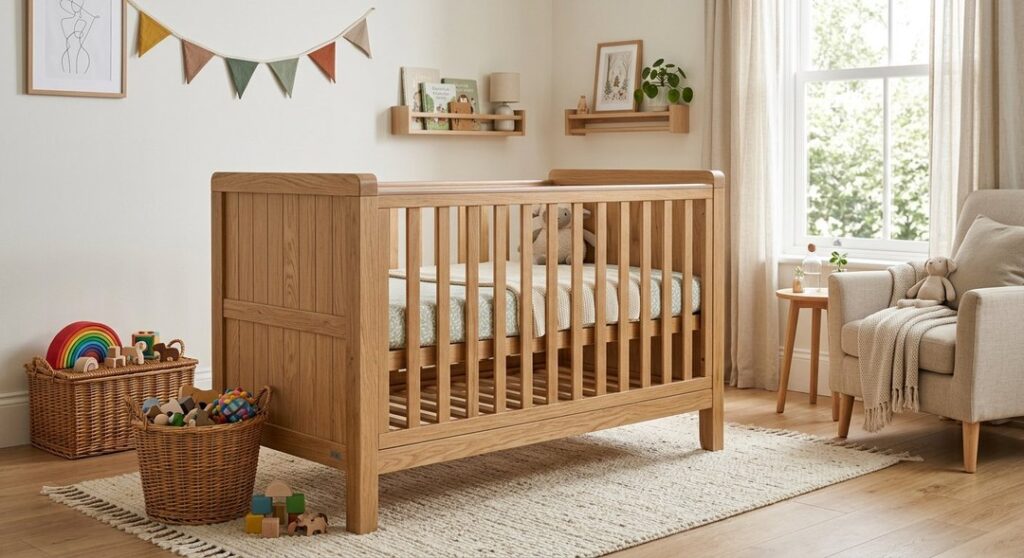
The frame is only one part of the total purchase. A mattress, suitable bedding, delivery, and possible conversion components may involve additional expenses.
When comparing Baby Cot options, calculate the complete cost rather than relying on the advertised frame price.
Mattress Purchases
Some cots are sold without a mattress. Parents should confirm whether one is included and whether it meets the product’s requirements.
Buying the correct Baby Cot mattress separately may be necessary. Avoid purchasing an unsuitable size simply because it is cheaper.
Conversion Accessories
Convertible cot beds may require additional parts for later stages. These accessories are not always included in the initial purchase.
Check the manufacturer’s product description before buying. This helps establish the realistic long-term cost.
Common Baby Cot Buying Mistakes
Parents can make avoidable mistakes when selecting nursery furniture. Many involve prioritizing appearance or convenience without checking important technical details.
A Baby Cot should be chosen through careful comparison rather than marketing claims alone.
Choosing the Wrong Mattress Size
An incorrectly sized mattress can create hazardous gaps or fail to sit properly within the frame. Always follow the manufacturer’s specified dimensions.
Do not assume similar-looking cots use interchangeable mattresses. Small dimensional differences can matter.
Adding Too Many Accessories
Pillows, bumpers, decorative cushions, and soft toys can create risks inside an infant’s sleeping space. A clear cot is more appropriate than a heavily decorated one.
Keep nursery accessories outside the Baby Cot. The sleeping area should remain simple and suitable for the baby’s developmental stage.
Ignoring Product Dimensions
A cot may look compact in promotional photographs but occupy substantial floor space. Measure the nursery before purchasing.
Allow room for safe access and nearby furniture. A Baby Cot should not be squeezed into an unsuitable location.
Forgetting Future Growth
Some compact models have shorter usage limits. Parents should compare these limits with their expected needs.
A larger Baby Cot may offer longer potential use, but only when its dimensions and design remain suitable.
How to Choose a Baby Cot Online
Online shopping provides access to many brands and designs. However, photographs alone cannot establish build quality or suitability.
Parents should examine the Baby Cot specifications, manufacturer information, mattress requirements, and return conditions before ordering.
Read the Product Description
Check dimensions, materials, mattress-base positions, recommended age limits, and assembly requirements. Look for relevant safety information.
A trustworthy Baby Cot listing should provide enough detail to support an informed purchase.
Review Customer Feedback
Reviews may identify practical issues such as difficult assembly or delivery damage. However, customer ratings are not a substitute for safety testing.
Use feedback alongside manufacturer documentation. Avoid relying entirely on influencer recommendations.
Check Returns and Delivery
Large nursery furniture can be difficult to transport or return. Review delivery arrangements and relevant consumer rights before purchasing.
Inspect the Baby Cot when it arrives. Report damage or missing parts promptly.
Preparing Your Nursery Before the Baby Arrives
Organizing the sleeping area before birth can reduce last-minute decisions. Parents can assemble the cot, check the mattress, and review safer-sleep guidance in advance.
A Baby Cot should be placed in an appropriate location with nearby hazards removed. The room should also allow convenient access for caregivers.
Keep Essentials Nearby but Outside the Cot
Nappies, wipes, spare sheets, and clothing can be stored in nearby furniture. These items should remain outside the baby’s sleeping space.
A well-organized nursery supports easier routines. However, convenience should never require placing loose items inside the Baby Cot.
Check Lighting and Temperature
Soft lighting can make night-time care more comfortable. The room should also be maintained at an appropriate temperature.
The NHS and The Lullaby Trust provide guidance on reducing overheating risks. Parents should follow current recommendations rather than relying on how warm they personally feel.
Baby Cot Safety During Everyday Use
A cot that was safe when assembled can become unsuitable if components loosen, accessories are added, or the child reaches new developmental milestones.
Parents should continue reviewing Baby Cot safety throughout its use. Regular attention is particularly important as babies become more active.
Always Place Babies on Their Backs to Sleep
UK safer-sleep guidance recommends placing babies on their backs for every sleep. This is one of the most important steps associated with reducing sudden infant death syndrome risk.
A Baby Cot should provide a firm, flat sleeping surface. Parents should follow current NHS guidance on positioning and sleep arrangements.
Avoid Overheating
Excessive clothing, bedding, or room heat can increase overheating risk. Appropriate clothing and bedding depend on the environment.
Parents should avoid placing the Baby Cot beside radiators or other heat sources. Follow safer-sleep guidance rather than adding unnecessary layers.
Inspect the Cot as Your Baby Grows
Increasing mobility can change how a child interacts with cot sides and fittings. Parents should adjust permitted mattress positions and monitor developmental limits.
A Baby Cot should no longer be used when the child can climb out or reaches other manufacturer-defined restrictions.
Questions to Ask Before Buying a Baby Cot
Choosing nursery furniture becomes easier when parents compare products using consistent questions. This approach helps distinguish useful features from unnecessary extras.
Before purchasing a Baby Cot, consider the following:
- Does the product meet relevant UK safety requirements?
- What mattress dimensions does the manufacturer specify?
- Is the mattress included?
- Does the cot have adjustable mattress positions?
- What are the developmental limits?
- Are assembly instructions provided?
- Are replacement components available?
- Does the cot fit the intended room?
- Are conversion parts included?
- What cleaning methods are recommended?
- What warranty and return terms apply?
- Has the model been subject to any relevant safety recall?
These questions cover the main practical considerations without relying on appearance alone. Parents can use the answers to compare different models more confidently.
Why a Simple Baby Cot Is Often a Practical Choice
Parents may feel pressure to purchase elaborate nursery furniture with numerous accessories. However, infant sleep safety depends on appropriate design and correct use rather than decorative complexity.
A simple Baby Cot that meets relevant requirements can provide a suitable sleeping environment. Additional features should only be chosen when they serve a clear purpose.
Prioritize Essential Features
A stable frame, appropriate mattress support, suitable dimensions, and clear manufacturer instructions are fundamental considerations. These features matter more than ornamental details.
Parents should also consider ease of cleaning and future developmental adjustments. Practical design can make everyday care more manageable.
FAQ’s
What is the safest Baby Cot for a newborn in the UK?
Choose a Baby Cot that meets applicable UK safety requirements and is suitable from birth. Use a firm, flat, correctly fitted mattress and keep the sleeping area free from pillows, bumpers, and soft toys.
What size mattress does a UK Baby Cot need?
Many standard UK cots use a 120 x 60 cm mattress, while cot beds commonly use larger sizes. Always follow the manufacturer’s exact mattress dimensions because products vary.
Can a newborn sleep in a Baby Cot?
Yes, when the Baby Cot is designed for newborn use and meets applicable safety requirements. UK guidance recommends that babies sleep in the same room as their parents for the first six months.
Is a second-hand Baby Cot safe to buy?
A second-hand Baby Cot may be suitable if it meets relevant safety requirements, has all original components, and shows no damage. Check recalls, obtain instructions, and use an appropriate mattress.
When should I lower the Baby Cot mattress?
Lower the mattress according to the manufacturer’s developmental instructions, particularly as your baby becomes more mobile. Do not wait until the child can climb over the sides.
What should I avoid putting inside a Baby Cot?
Avoid pillows, cot bumpers, soft toys, loose cushions, and other unnecessary objects. A baby’s sleeping space should remain clear, with a suitable firm, flat mattress and appropriate bedding.
Conclusion
Choosing the right Baby Cot is about creating a safe, comfortable, and practical sleeping environment for your child. Parents should prioritize relevant UK safety standards, correct mattress dimensions, firm sleeping surfaces, reliable construction, and appropriate developmental limits. Whether selecting a standard cot, compact design, or convertible cot bed, the product should match the baby’s needs and the available space without compromising essential safety features.
The best Baby Cot is not necessarily the most expensive or decorative option. A well-constructed model used according to manufacturer instructions and current NHS safer-sleep guidance can provide a dependable sleeping space. By checking product specifications, avoiding hazardous accessories, and reviewing the cot’s suitability as their baby grows, British parents can make a more informed nursery purchase.