Retail Displays Increase Product Visibility and Improve In-Store Shopping Experiences
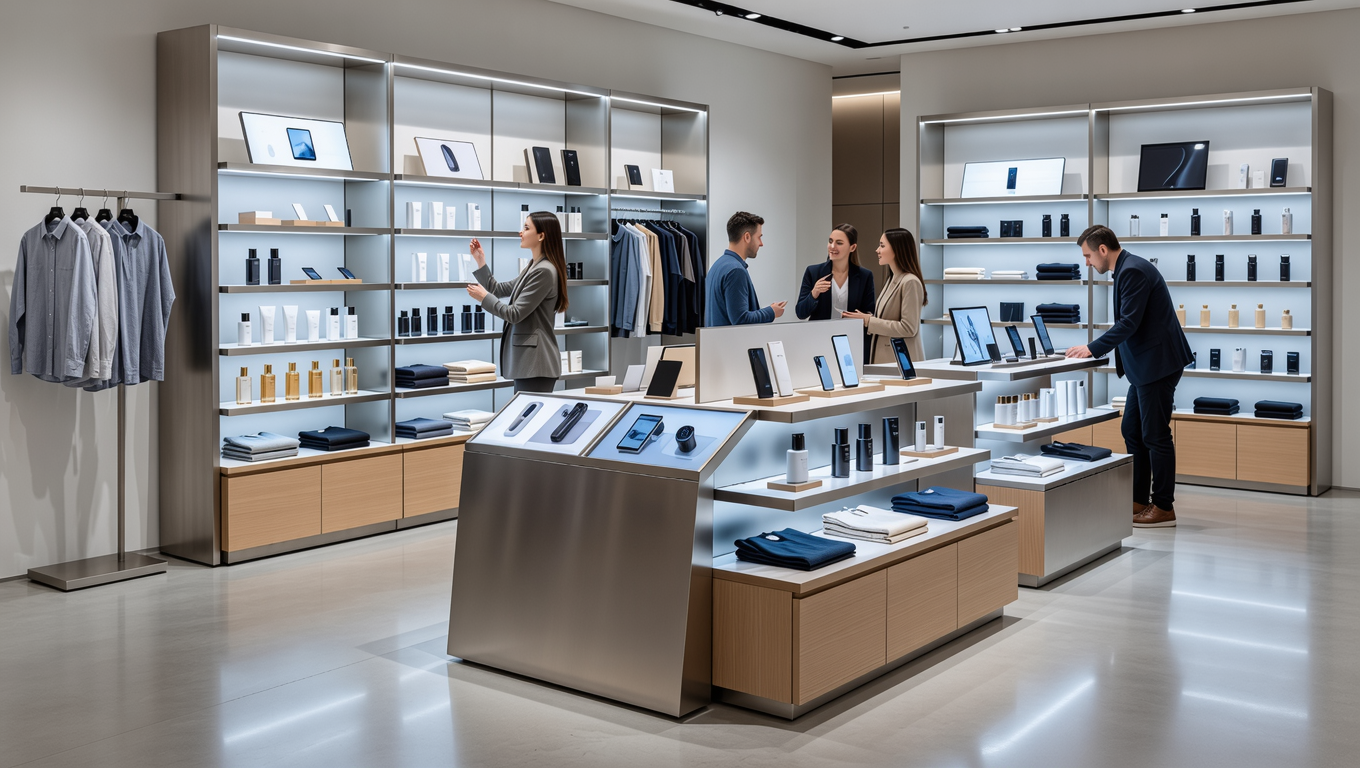
Walking into a well-organized store can immediately influence how customers shop. Attractive product arrangements, clear signage, and creative merchandising often encourage shoppers to explore more products and spend more time browsing. This is why Retail Displays play such an important role in modern retail environments.
Retail displays do much more than hold products. They guide customers through the store, highlight promotions, strengthen brand identity, and make shopping easier. Whether you’re managing a small boutique, a supermarket, or a large retail chain, choosing the right display solutions can improve product presentation and support sales.
This guide explains the different types of retail displays, their benefits, and practical tips for creating engaging shopping environments.
What Are Retail Displays?
Retail Displays are fixtures, shelving systems, stands, and presentation units designed to showcase products inside retail stores. Their purpose is to attract customer attention while making merchandise easy to find and purchase.
Retail displays can be permanent or temporary depending on the store’s merchandising strategy.
Common display types include:
- Shelf displays
- End-cap displays
- Counter displays
- Floor displays
- Window displays
- Promotional stands
- Point-of-purchase displays
- Digital displays
Each display serves a different purpose within the customer journey.
Why Retail Displays Matter
Customers often make purchasing decisions within seconds of noticing a product.
Well-designed displays help retailers:
- Increase product visibility
- Improve store organization
- Highlight promotions
- Support brand recognition
- Encourage impulse purchases
- Improve customer experience
Although displays can influence shopping behavior, purchasing decisions depend on many factors, including pricing, product quality, and customer needs.
Types of Retail Displays
Different stores require different merchandising solutions.
Window Displays
Window displays create the first impression for people passing by a store.
They often feature:
- New arrivals
- Seasonal products
- Promotional campaigns
- Brand storytelling
A creative window display can encourage potential customers to enter the store.
Floor Displays
Floor displays are freestanding units placed throughout the sales floor.
They are commonly used for:
- Featured products
- Limited-time promotions
- New product launches
- High-demand items
Their flexible placement makes them suitable for many retail environments.
End-Cap Displays
End-cap displays are located at the ends of store aisles.
Because they are highly visible, retailers often use them for:
- Promotional offers
- Seasonal merchandise
- Best-selling products
- Cross-selling opportunities
These displays help maximize exposure without interrupting customer flow.
Counter Displays
Counter displays are positioned near checkout areas.
They often contain:
- Small accessories
- Snacks
- Gift items
- Travel-size products
These displays are commonly used to encourage last-minute purchases.
Benefits of Retail Displays
Effective merchandising offers several advantages.
Improved Product Visibility
Products placed in eye-catching displays are often easier for customers to notice.
Better visibility may increase customer interest.
Better Customer Experience
Organized displays make shopping more convenient.
Customers can quickly locate products without unnecessary searching.
Stronger Brand Presentation
Consistent display design helps reinforce brand identity throughout the store.
Brand colors, materials, and signage contribute to a cohesive shopping environment.
Flexible Merchandising
Retailers can update displays to reflect:
- Seasonal campaigns
- Product launches
- Holiday promotions
- Inventory changes
This flexibility keeps the shopping experience fresh.
Materials Used in Retail Displays
Display materials influence durability and appearance.
Common materials include:
Metal
Metal displays provide strength and are commonly used in supermarkets, hardware stores, and department stores.
Wood
Wood creates a warm, premium appearance that works well in boutiques and specialty retailers.
Acrylic
Acrylic displays offer a clean, modern look while allowing products to remain highly visible.
Cardboard
Cardboard displays are lightweight and often used for temporary promotional campaigns.
Material selection depends on product weight, budget, and display lifespan.
Designing Effective Retail Displays
A successful display combines visual appeal with functionality.
Keep Products Accessible
Customers should be able to examine products comfortably without creating congestion.
Use Clear Signage
Price labels, promotional messages, and product information should remain easy to read.
Maintain Visual Balance
Avoid overcrowding displays.
A clean presentation often improves product visibility.
Refresh Displays Regularly
Changing displays helps maintain customer interest and highlights new merchandise.
Technology in Modern Retail Displays
Retail merchandising continues to evolve with new technologies.
Some retailers now use:
- Digital signage
- Interactive touchscreens
- LED lighting
- Electronic shelf labels
- QR codes
- Smart product displays
These technologies can improve customer engagement while providing updated product information.
Best Practices for Retail Displays
To maximize display effectiveness:
- Position high-demand products at eye level.
- Keep displays clean and organized.
- Update seasonal promotions regularly.
- Ensure products remain fully stocked.
- Use consistent branding.
- Monitor customer traffic patterns.
- Test different display layouts.
- Gather customer feedback when possible.
Small adjustments can significantly improve merchandising performance.
Frequently Asked Questions
What are retail displays?
Retail displays are fixtures and presentation systems designed to showcase products, improve visibility, and support merchandising within retail stores.
Why are retail displays important?
They help organize merchandise, attract customer attention, promote products, and create a better shopping experience.
Which types of retail displays are most common?
Window displays, floor displays, end-cap displays, counter displays, shelving systems, and promotional stands are among the most widely used.
What materials are used for retail displays?
Retail displays are commonly made from metal, wood, acrylic, plastic, cardboard, and other durable materials depending on their intended use.
How often should retail displays be updated?
Many retailers refresh displays regularly to reflect new inventory, seasonal promotions, or marketing campaigns. The ideal schedule depends on the business and product category.
Can retail displays increase sales?
Well-designed displays may improve product visibility and customer engagement, which can contribute to increased sales. Results vary depending on product selection, pricing, store layout, and customer preferences.
Conclusion
Retail Displays are an essential part of creating attractive, organized, and customer-friendly shopping environments. From eye-catching window displays to practical shelving and promotional stands, effective merchandising helps retailers showcase products while supporting a positive customer experience. By selecting appropriate display materials, maintaining organized presentations, and updating merchandising strategies regularly, businesses can improve product visibility and create stores that encourage customers to explore, engage, and shop with confidence.