Heating Repair: The Essential Solution for a Reliable Home Heating System
A dependable heating system is essential for maintaining indoor comfort during colder months. When temperatures drop, homeowners rely on furnaces, heat pumps, boilers, and other heating equipment to provide consistent warmth throughout their properties. However, like any mechanical system, heating equipment can experience problems over time due to regular use, aging components, poor maintenance, or unexpected failures. Professional Heating Repair services help identify these issues, restore system performance, and prevent minor problems from becoming expensive replacements.
Many heating problems begin with small warning signs. A strange noise, uneven temperature distribution, unusual energy bills, weak airflow, or frequent system cycling may indicate that the equipment is not operating correctly. Ignoring these symptoms can place additional stress on internal components and reduce overall efficiency.
A properly functioning heating system does more than simply warm your home. It also contributes to energy efficiency, indoor air quality, and consistent comfort. Therefore, timely repairs are an important part of responsible home maintenance.
Professional technicians use specialized tools and industry knowledge to diagnose heating problems accurately. Instead of relying on temporary fixes, they identify the underlying cause and recommend solutions designed to restore reliable operation.
Why Maintaining a Functional Heating System Matters
Heating systems work continuously during cold weather, often operating for several hours each day. Because of this constant demand, components can experience wear and require professional attention.
A neglected heating system may gradually lose efficiency. When internal parts become dirty, damaged, or worn, the equipment may need to work harder to achieve the desired temperature. As a result, homeowners may notice increased energy consumption and higher utility expenses.
Additionally, heating problems can affect comfort throughout the home. A system that struggles to distribute heat evenly may create cold rooms, inconsistent temperatures, or uncomfortable living conditions.
Safety is another important reason to address heating issues quickly. Certain heating systems, especially fuel-powered equipment, require proper inspection and maintenance to ensure safe operation. Professional technicians can identify potential concerns and make necessary adjustments.
Regular inspections and timely repairs also help extend equipment lifespan. Addressing small problems early reduces unnecessary strain on major components and can help homeowners avoid premature replacement.
According to HVAC industry guidance, routine maintenance and professional inspections can help heating systems operate more efficiently and identify issues before they become major failures.
Common Signs Your Heating System Needs Professional Repair
Recognizing early warning signs can help homeowners schedule repairs before a complete breakdown occurs.
Uneven Heating Throughout the Home
If some rooms feel warm while others remain cold, the heating system may have airflow problems, thermostat issues, ductwork concerns, or equipment performance problems.
Uneven heating often indicates that the system is not distributing heat properly.
Strange Sounds From the Heating Unit
Heating systems typically produce normal operating sounds, but unusual noises should not be ignored.
Common concerning sounds include:
- Banging
- Grinding
- Clicking
- Screeching
- Rattling
These noises may indicate loose components, motor problems, or mechanical wear.
Rising Energy Bills
A sudden increase in heating costs may suggest that the system is losing efficiency.
When equipment struggles to maintain temperature, it often runs longer and consumes more energy. Professional repair can help restore proper performance.
Weak Airflow From Vents
Reduced airflow can result from clogged filters, blower problems, duct issues, or internal component failures.
Poor airflow affects comfort and forces the heating system to work harder.
Frequent Turning On and Off
A heating system that repeatedly starts and stops may have thermostat problems, airflow restrictions, or mechanical issues.
This condition, known as short cycling, can increase wear on system components.
Unusual Odors
Strange smells coming from heating equipment should be investigated. Burning odors, electrical smells, or unusual fuel-related odors may require professional attention.
Understanding Different Types of Heating Problems
Heating systems can experience different problems depending on their design, age, and usage patterns.
Furnace Problems
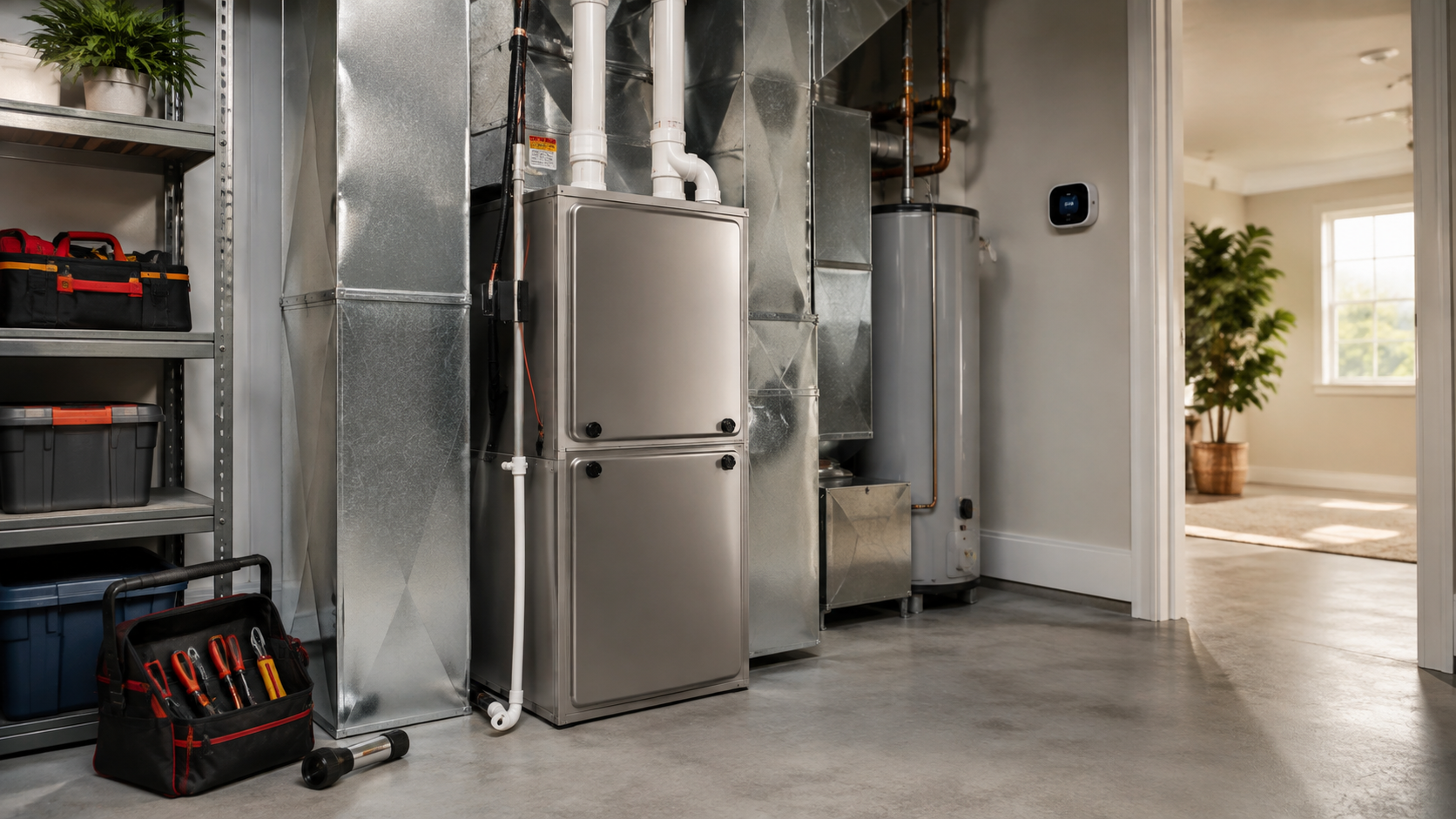
Furnaces are among the most common residential heating systems. They may develop issues related to:
- Ignition systems
- Filters
- Blower motors
- Sensors
- Electrical connections
- Thermostats
A furnace that fails to produce enough heat may require inspection to determine the exact cause.
Heat Pump Issues
Heat pumps provide heating and cooling by transferring heat between indoor and outdoor environments.
Common problems include:
- Reduced heating capacity
- Refrigerant concerns
- Frozen outdoor units
- Electrical failures
- Poor airflow
Because heat pumps involve multiple components, professional diagnosis is often necessary.
Boiler Problems
Boilers use heated water or steam to provide warmth. Common issues include:
- Leaks
- Pressure problems
- Thermostat failures
- Circulation problems
Regular inspection helps maintain safe and efficient operation.
Thermostat Problems
Sometimes the heating system itself is not the problem. A malfunctioning thermostat can prevent the equipment from responding correctly.
Issues may include inaccurate temperature readings, connection problems, or programming errors.
Benefits of Professional Heating Repair Services
Restores Reliable Comfort
The main purpose of heating repair is restoring consistent indoor comfort.
Professional technicians identify problems affecting performance and make adjustments that help the system operate correctly again.
Improves Energy Efficiency
A damaged heating system may consume more energy than necessary. Repairing worn components, improving airflow, and correcting operational problems can help equipment perform more efficiently.
Prevents Larger Repairs
Small heating issues can become major failures when ignored.
For example, a minor airflow problem may eventually place additional stress on motors or other important components.
Early professional repair helps reduce the possibility of expensive future problems.
Extends Equipment Lifespan
Heating systems represent a significant investment. Proper repairs and maintenance help protect that investment by reducing unnecessary strain.
A well-maintained system can often provide dependable performance for many years.
Improves Indoor Comfort
A repaired heating system distributes warmth more effectively, creating a more comfortable living environment.
Heating System Components That Often Require Attention
Several components play important roles in heating performance.
Air Filters
Dirty filters restrict airflow and reduce system efficiency. Regular replacement or cleaning helps maintain proper circulation.
Blower Motor
The blower motor moves heated air throughout the home. Problems with this component can reduce airflow and affect comfort.
Heat Exchanger
The heat exchanger transfers heat into the air stream. Because it is a critical component, professionals inspect it carefully during service.
Ignition System
Modern heating systems use electronic ignition systems that can experience failures over time.
Thermostat
The thermostat controls temperature settings and communicates with the heating equipment. Incorrect readings or connection issues can affect system operation.
The Professional Heating Repair Process Explained
Professional repair usually follows a structured diagnostic process.
Initial Inspection
Technicians begin by evaluating the heating system, listening to homeowner concerns, and identifying visible problems.
System Testing
Specialized tools are used to check components, airflow, electrical connections, and system performance.
Problem Identification
After testing, the technician determines the cause of the issue and explains the recommended solution.
Repair Work
Depending on the problem, repairs may involve replacing damaged components, cleaning parts, adjusting settings, or correcting system connections.
Final Testing
After repairs are completed, the system is tested to confirm proper operation.
How Regular Maintenance Helps Prevent Heating Failures
Although repairs are sometimes unavoidable, regular maintenance can reduce the frequency of unexpected problems.
Maintenance allows technicians to identify worn parts before they fail completely. It also helps keep important components clean and operating efficiently.
Homeowners can support system performance by:
- Changing filters regularly
- Keeping vents clear
- Checking thermostat operation
- Scheduling professional inspections
Seasonal maintenance before heavy heating use can help identify problems early and improve reliability.
Energy Efficiency Improvements After Heating Repairs
A properly repaired heating system often performs more efficiently than a neglected one.
When components work correctly, the equipment can maintain desired temperatures with less effort. This may reduce unnecessary energy consumption and improve overall performance.
Common improvements after repair may include:
- Better airflow
- More consistent heating
- Reduced system strain
- Improved temperature control
Energy efficiency benefits both comfort and long-term household expenses.
Common Mistakes Homeowners Should Avoid
Ignoring Early Warning Signs
Many homeowners delay repairs because the system is still producing some heat. However, small issues can quickly become larger problems.
Attempting Complex Repairs Without Experience
Heating equipment contains electrical, mechanical, and sometimes fuel-related components. Incorrect repairs may create safety risks or additional damage.
Skipping Professional Inspections
Even if a system appears to work normally, hidden issues may reduce performance over time.
Choosing Based Only on Price
The cheapest service option may not always provide quality results. Experience, qualifications, and proper diagnosis are important factors.
Choosing the Right Heating Repair Professional
Selecting a reliable technician helps ensure quality results.
Consider the following factors:
- Experience with your heating system type
- Proper licensing and qualifications
- Clear communication
- Transparent service recommendations
- Positive customer reputation
A professional technician should explain the issue clearly and provide solutions based on the actual condition of the equipment.
Frequently Asked Questions About Heating Repair
How do I know if my heating system needs repair?
Common signs include unusual noises, weak airflow, inconsistent temperatures, higher energy bills, and frequent system cycling.
How often should heating systems be inspected?
Many professionals recommend regular seasonal inspections to maintain efficiency and identify potential issues early.
Can regular maintenance prevent heating repairs?
Maintenance cannot eliminate every problem, but it can reduce the risk of failures by keeping components clean and identifying issues early.
Is repairing an old heating system worth it?
The decision depends on the system’s age, repair cost, efficiency, and overall condition.
Why is my heater running but not warming my home?
Possible causes include airflow restrictions, thermostat issues, damaged components, or reduced heating capacity.
Conclusion: Keep Your Home Comfortable With Reliable Heating Solutions
A reliable heating system plays an essential role in maintaining comfort, safety, and energy efficiency inside your home. Professional Heating Repair services provide the expertise needed to diagnose problems, restore performance, and prevent minor issues from becoming major failures. Whether your furnace is producing uneven heat, your heat pump is struggling, or your energy costs are increasing, timely professional attention can make a significant difference. By combining quality repairs with regular maintenance, homeowners can enjoy dependable warmth, improved efficiency, and a longer-lasting heating system throughout every season.