Bulk Diesel Exhaust Fluid: 7 Smart Tips to Buy the Best DEF for Your Fleet
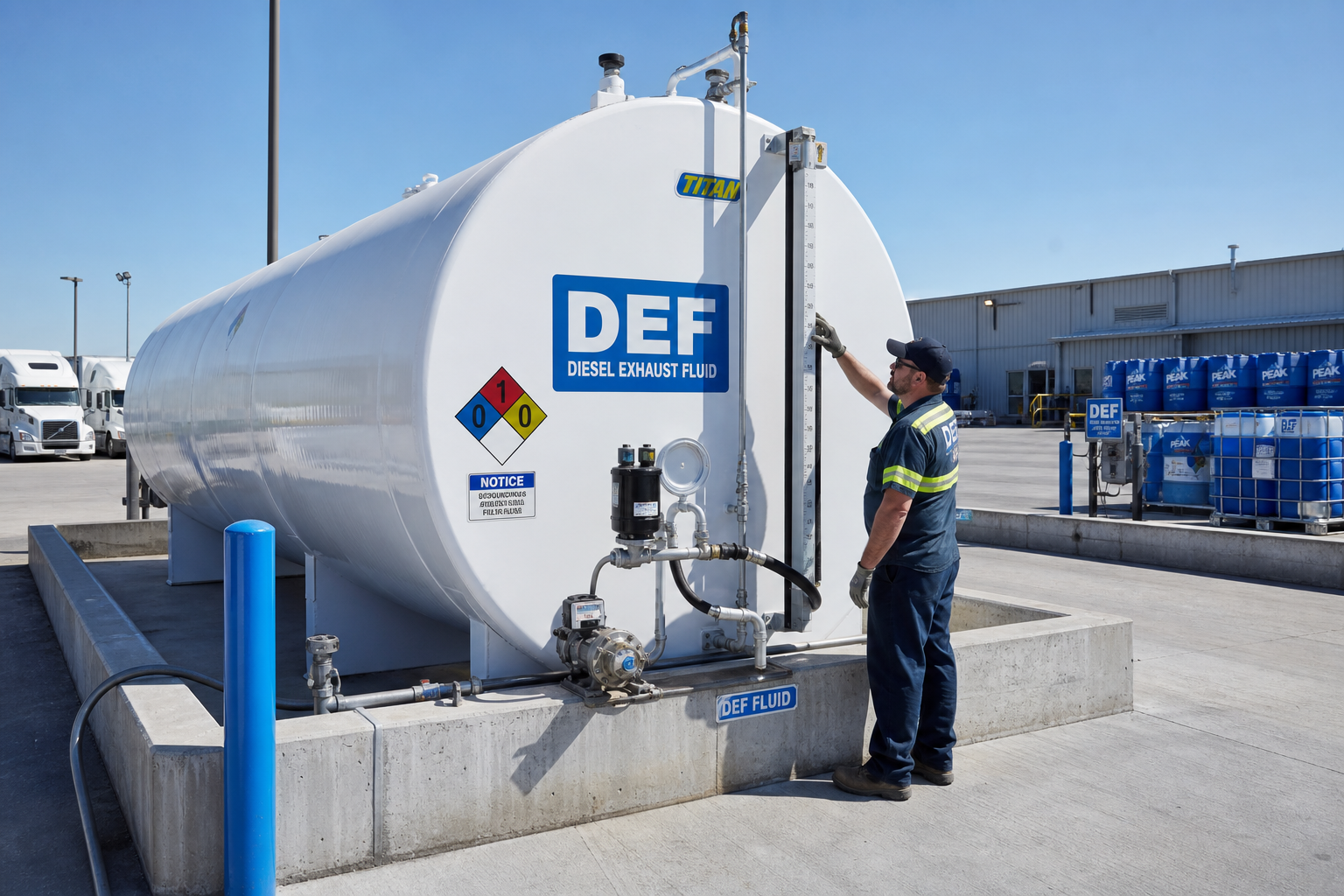
Managing a commercial fleet or heavy equipment operation in today’s regulatory environment means that bulk diesel exhaust fluid is not an optional supply item but an absolute operational necessity. Diesel exhaust fluid, universally known in the industry as DEF, is a precisely formulated solution of high-purity urea and deionized water used in selective catalytic reduction systems to reduce harmful nitrogen oxide emissions from diesel engines to levels that comply with Environmental Protection Agency standards. For fleet operators, construction companies, agricultural businesses, and any organization running significant volumes of diesel-powered equipment, purchasing and managing DEF in bulk quantities delivers meaningful cost savings, operational continuity, and supply chain reliability that per-jug retail purchasing simply cannot match. This comprehensive guide provides everything you need to know to source, store, and manage bulk diesel exhaust fluid with maximum efficiency and confidence.
What Is Diesel Exhaust Fluid and Why It Matters
Diesel exhaust fluid is a non-hazardous, non-flammable aqueous solution consisting of 32.5 percent high-purity automotive-grade urea and 67.5 percent deionized water. This precise formulation is not arbitrary but represents the eutectic point of the urea-water mixture, meaning it is the concentration at which the solution has the lowest possible freezing point, approximately negative 11 degrees Celsius or 12 degrees Fahrenheit, making it suitable for use across a wide range of operating temperatures encountered in commercial applications.
How Selective Catalytic Reduction Systems Use DEF
In a selective catalytic reduction system, diesel exhaust fluid is injected into the exhaust stream of a diesel engine upstream of a catalytic converter containing a specialized catalyst. The heat of the exhaust causes the urea in the DEF solution to decompose into ammonia, which then reacts with nitrogen oxides in the exhaust gas over the catalyst surface to produce nitrogen and water vapor, two harmless components of normal atmospheric air. This chemical process can reduce nitrogen oxide emissions by up to 90 percent, enabling diesel engines to meet stringent EPA Tier 4 and Euro 6 emissions standards.
Why DEF Quality Is Non-Negotiable for Engine Health
The selective catalytic reduction system is a precision emissions control technology that is highly sensitive to the quality of the DEF it processes. DEF that does not meet ISO 22241 quality standards, whether due to contamination, incorrect urea concentration, or degradation from improper storage, can damage the SCR catalyst, trigger engine fault codes, cause system shutdowns, and in severe cases result in costly repairs to emissions control components that carry significant replacement costs. Maintaining strict DEF quality standards is therefore a direct engine protection priority.
The Business Case for Buying Bulk Diesel Exhaust Fluid
The transition from retail jug purchasing to bulk diesel exhaust fluid procurement is one of the most straightforward cost reduction opportunities available to fleet operators and heavy equipment managers. The financial and operational benefits of bulk purchasing are substantial and accumulate rapidly for organizations with meaningful DEF consumption volumes.
Cost Savings Associated With Bulk DEF Purchasing
The per-gallon cost of diesel exhaust fluid drops significantly when purchased in bulk compared to retail packaging. Small jugs purchased at fuel stations and retail outlets carry the highest per-unit cost due to packaging, handling, and retail margin premiums. Intermediate totes of 275 to 330 gallons offer better pricing, while bulk tank deliveries measured in thousands of gallons provide the lowest per-gallon cost available in the market. For a fleet consuming hundreds or thousands of gallons of DEF monthly, the cumulative savings from bulk purchasing represent a meaningful reduction in operating expenses.
Operational Continuity and Supply Chain Reliability
Beyond cost savings, bulk diesel exhaust fluid storage provides a critical operational buffer against supply disruptions. Retail DEF availability can be inconsistent, particularly during periods of high demand, supply chain disruption, or in locations where retail fuel infrastructure is limited. An on-site bulk DEF storage system ensures that your fleet always has access to the fluid it needs to operate without dependence on retail availability or the logistical burden of frequent small-quantity purchases.
7 Smart Tips to Buy and Manage Bulk Diesel Exhaust Fluid
The following seven tips provide a comprehensive framework for sourcing, evaluating, storing, and managing bulk diesel exhaust fluid in a manner that maximizes quality, cost efficiency, and operational reliability.
Tip 1: Always Verify ISO 22241 Certification and API Certification
The most fundamental requirement when sourcing bulk diesel exhaust fluid is confirmation that the product meets ISO 22241 quality standards and carries certification from the American Petroleum Institute. ISO 22241 is the internationally recognized standard that defines the required chemical specifications, testing methods, and handling requirements for diesel exhaust fluid. API certification provides an additional layer of independent quality verification that confirms the product has been tested and meets the standards required for use in modern SCR-equipped diesel engines.
What ISO 22241 Certification Actually Guarantees
ISO 22241 certification guarantees that the DEF product contains the correct urea concentration of 32.5 percent within specified tolerances, uses urea of sufficient purity to avoid catalyst contamination, is produced with deionized water free of minerals and contaminants that could harm the SCR system, and has been packaged and handled in a manner that preserves product integrity from production through delivery. Purchasing uncertified bulk DEF to achieve a lower price point is a false economy that risks engine damage costs many times greater than any purchasing savings achieved.
Tip 2: Select a Reputable and Reliable Bulk DEF Supplier
The quality and reliability of your bulk diesel exhaust fluid supplier has direct implications for both product quality consistency and operational continuity. Established DEF suppliers with dedicated quality management systems, certified production facilities, and professional delivery infrastructure are significantly more reliable partners than opportunistic low-cost suppliers whose quality controls and supply chain stability may be questionable.
Key Criteria for Evaluating Bulk DEF Suppliers
When evaluating bulk DEF suppliers, assess their production or sourcing transparency and willingness to provide quality documentation, their delivery reliability track record including on-time performance and minimum order flexibility, their ability to provide certificates of analysis for each delivery confirming product specifications, their customer service responsiveness and technical support capabilities, and their pricing structure including delivery fees, minimum order requirements, and contract terms for regular supply arrangements.
Tip 3: Invest in Proper Bulk DEF Storage Infrastructure
The storage infrastructure used for bulk diesel exhaust fluid must meet specific requirements to maintain product quality and comply with applicable regulations. DEF is a corrosive solution to certain metals including carbon steel, copper, zinc, and aluminum alloys, meaning that storage tanks, pumps, fittings, and transfer equipment must be constructed from compatible materials such as stainless steel, high-density polyethylene, or polypropylene.
Bulk DEF Storage Tank Requirements and Specifications
Bulk DEF storage tanks should be manufactured from materials that are chemically compatible with the DEF solution and rated for the storage volume required by the operation. Tanks must be equipped with proper venting to prevent pressure buildup, sealed fill connections to prevent contamination during delivery, and ideally temperature monitoring capability to detect conditions approaching the DEF freezing point. Above-ground tanks in cold climates may require insulation and heating systems to maintain DEF in a liquid state during winter months, which is a particularly important consideration for operations in northern states and Canada.
Tip 4: Implement Strict Contamination Prevention Protocols
Contamination is the primary quality risk associated with bulk diesel exhaust fluid storage and handling. Even trace quantities of certain contaminants including minerals, metals, oils, and incompatible chemicals can compromise DEF quality in ways that are not visible to the naked eye but can cause significant damage to SCR systems over time. Establishing and enforcing strict contamination prevention protocols throughout your DEF handling chain is a non-negotiable quality management requirement.
Common Sources of DEF Contamination to Avoid
Contamination risks in bulk DEF operations include using equipment that has previously been used for other fluids without thorough cleaning and verification, exposure to airborne dust and particulates through improperly sealed storage tanks or fill connections, contact with incompatible metals through fittings, pumps, or transfer hoses constructed from inappropriate materials, and cross-contamination from diesel fuel or other petroleum products that can enter the DEF system through shared equipment or human error. Dedicated DEF-only equipment clearly labeled and physically separated from other fluid handling infrastructure is the most effective contamination prevention strategy.
Tip 5: Monitor and Manage DEF Shelf Life Carefully
Diesel exhaust fluid has a finite shelf life that must be actively managed in bulk storage operations to ensure that product in use always meets quality specifications. Under proper storage conditions, DEF has a shelf life of approximately 12 months when stored at temperatures between 10 and 90 degrees Fahrenheit. Exposure to temperatures outside this range, particularly prolonged exposure to heat above 90 degrees Fahrenheit, accelerates urea degradation and shortens effective shelf life significantly.
Best Practices for DEF Inventory Rotation
Implementing a first-in, first-out inventory management approach for bulk diesel exhaust fluid ensures that older product is consumed before newer deliveries, minimizing the risk of in-tank degradation. Maintaining accurate delivery and consumption records allows fleet managers to track product age and schedule deliveries in quantities that align with consumption rates to keep stored DEF within its effective shelf life window. Regular quality testing of stored DEF using calibrated refractometers provides an objective verification of urea concentration that can identify degraded product before it reaches the vehicle.
Tip 6: Install Appropriate Dispensing Equipment for Fleet Efficiency
The dispensing system used to transfer bulk diesel exhaust fluid from storage tanks to vehicles is a critical component of an efficient fleet DEF management operation. Properly designed dispensing infrastructure minimizes transfer time, prevents contamination and spillage, and provides accurate metering of DEF consumption for inventory management purposes.
Components of an Effective Bulk DEF Dispensing System
A well-designed bulk DEF dispensing system includes a dedicated DEF-compatible pump rated for the required flow rate, a properly sized dispensing hose and nozzle compatible with vehicle DEF fill inlet standards, an accurate flow meter for consumption tracking, a filtration system to remove any particulates that may have entered the storage tank, and clearly labeled connection points that prevent accidental cross-connection with other fluid systems. Automated dispensing systems with access control and electronic consumption logging provide additional operational visibility that supports both cost management and quality assurance objectives.
Tip 7: Understand Regulatory Requirements for Bulk DEF Storage
Bulk diesel exhaust fluid storage is subject to regulatory requirements that vary by jurisdiction and storage volume. While DEF is classified as a non-hazardous material, bulk storage installations must typically comply with local fire codes, environmental regulations governing secondary containment requirements, building permit requirements for permanent tank installations, and spill prevention and response planning obligations that apply to fluid storage above certain volume thresholds.
Secondary Containment Requirements for Bulk DEF Tanks
Many jurisdictions require that bulk fluid storage tanks, including DEF tanks above specified capacity thresholds, be installed within secondary containment structures capable of holding the full volume of the primary tank in the event of a leak or rupture. Secondary containment systems for DEF storage are typically constructed from HDPE-lined berms, concrete containment basins with chemically resistant coatings, or prefabricated containment systems designed specifically for fluid storage applications. Confirming the specific requirements applicable to your installation location before tank installation avoids costly retrofitting and regulatory compliance issues.
DEF Consumption Rates and Fleet Planning
Understanding typical DEF consumption rates relative to diesel fuel consumption is fundamental to planning bulk storage capacity and delivery schedules accurately.
How to Calculate DEF Consumption for Your Fleet
Diesel exhaust fluid consumption in modern SCR-equipped diesel engines typically ranges from two to ten percent of diesel fuel consumption, with most on-highway commercial vehicles consuming DEF at a rate of approximately three to five percent of diesel usage. A fleet vehicle consuming 1,000 gallons of diesel per month would therefore require approximately 30 to 50 gallons of DEF over the same period. Aggregating this calculation across the full fleet provides a reliable estimate of total monthly DEF consumption that drives storage capacity and delivery frequency planning.
Sizing Your Bulk DEF Storage System
Bulk DEF storage capacity should be sized to accommodate a minimum of 30 days of fleet consumption at average rates, with additional buffer capacity to account for consumption variability and potential delivery delays. Oversizing storage capacity relative to consumption rates increases the risk of DEF aging beyond its effective shelf life, while undersizing creates supply continuity risk. The optimal storage capacity balances these competing considerations based on the specific consumption profile and delivery logistics of each operation.
Environmental Considerations for Bulk DEF Operations
While diesel exhaust fluid is a non-toxic, non-hazardous material, responsible bulk storage and handling practices reflect both good environmental stewardship and compliance with applicable regulations.
DEF Spill Prevention and Response
Although DEF spills do not pose the environmental contamination risks associated with petroleum products, large spills can affect soil chemistry and aquatic environments due to the elevated nitrogen content of the urea solution. Spill prevention measures including proper tank maintenance, secure fill connection design, and operator training in safe transfer procedures minimize spill risk. Spill response materials including absorbent pads and collection equipment appropriate for water-based solutions should be readily available at all bulk DEF storage and dispensing locations.
Frequently Asked Questions
What is bulk diesel exhaust fluid and who needs it?
Bulk diesel exhaust fluid is DEF purchased and stored in large quantities for use in SCR-equipped diesel engines, and it is essential for fleets, construction operations, agricultural businesses, and any organization running significant volumes of modern diesel equipment.
How do I know if bulk DEF meets quality standards?
Always request ISO 22241 certification and API certification documentation from your supplier, and verify urea concentration using a calibrated refractometer upon each delivery to confirm the product meets specifications.
What materials are safe for bulk DEF storage tanks and equipment?
Stainless steel, high-density polyethylene, and polypropylene are compatible materials for DEF storage and handling, while carbon steel, copper, zinc, and most aluminum alloys must be avoided due to corrosive incompatibility with the DEF solution.
How long does bulk diesel exhaust fluid remain usable in storage?
DEF stored under proper conditions between 10 and 90 degrees Fahrenheit has a shelf life of approximately 12 months, with shelf life reduced significantly by prolonged exposure to temperatures above 90 degrees Fahrenheit.
What happens if contaminated DEF is used in an SCR system?
Contaminated DEF can damage the SCR catalyst, trigger engine fault codes and warning lights, cause system shutdowns that prevent vehicle operation, and in severe cases result in costly repairs to emissions control components.
How much bulk DEF storage capacity does a fleet operation need?
Storage capacity should accommodate at least 30 days of fleet DEF consumption at average rates, calculated based on the fleet’s total diesel consumption multiplied by the applicable DEF consumption ratio of three to five percent for typical on-highway vehicles.
Conclusion
Bulk diesel exhaust fluid is a mission-critical supply for any fleet or heavy equipment operation running modern SCR-equipped diesel engines, and managing it with the same rigor applied to fuel procurement and engine maintenance delivers tangible benefits in cost control, operational continuity, and engine protection. By sourcing only certified product from reputable suppliers, investing in proper storage and dispensing infrastructure, enforcing contamination prevention protocols, and managing inventory with discipline, fleet operators can ensure a reliable supply of high-quality DEF that keeps their equipment running cleanly, compliantly, and efficiently through every season and operational demand.