Thinking About Composite Bonding Here Are the Facts Your Smile Deserves
Cosmetic dentistry is full of dramatic before-and-after photographs, but photographs cannot tell you how a treatment works, whether it suits your teeth, or what maintenance it may require years later. People researching Composite Bonding Newcastle are often looking for a relatively conservative way to change tooth shape, close selected gaps, repair small chips, or improve aspects of smile appearance without immediately moving to more extensive restorative treatment.
The reality of Composite Bonding Newcastle is more nuanced than claims that bonding is either completely reversible and maintenance-free or fragile and short lived. Composite resin can be an effective material for selected patients, but outcomes depend on diagnosis, bite, oral health, clinician technique, the amount and location of bonding, habits, expectations, and ongoing care. An in-person dental examination is therefore more useful than choosing treatment from social-media results alone.
What Is Composite Bonding Newcastle
Composite bonding is a dental technique that uses tooth-colored composite resin to alter or restore parts of a tooth.
The same broad family of resin-based materials is also used for many tooth-colored fillings, although restorative techniques and material selection vary according to the clinical situation.
When people search for Composite Bonding Newcastle, they are often considering cosmetic changes involving visible front teeth.
A dentist can add composite resin directly to selected areas and shape, cure, finish, and polish it to integrate with the existing tooth.
Possible applications include:
- Repairing small chips
- Changing aspects of tooth shape
- Closing selected spaces
- Improving symmetry
- Masking some localized imperfections
- Restoring worn areas in suitable cases
- Altering proportions of selected teeth
Not every cosmetic concern can or should be treated with composite.
How composite resin bonds to teeth
Dental bonding generally uses adhesive dentistry techniques.
The exact process depends on the tooth, material system, restoration design, and clinician’s technique.
The tooth surface is prepared appropriately, an adhesive system is used, and composite resin is placed and shaped before being polymerized using a dental curing light.
The resin is then finished and polished.
Composite Bonding Newcastle treatment should therefore be understood as a clinical procedure rather than simply painting white material over teeth.
Why Composite Bonding Newcastle Has Become Popular
Composite bonding can offer an appealing combination of aesthetics and relatively conservative treatment in appropriate cases.
Unlike some indirect restorations, direct composite can often be completed without sending the restoration to a dental laboratory.
Treatment may also require less removal of healthy tooth structure than certain alternatives, depending on the case.
These advantages help explain why Composite Bonding Newcastle searches have grown alongside social-media interest in cosmetic dentistry.
Popularity, however, should not determine treatment.
A dentist first needs to establish whether the teeth and gums are healthy and whether bonding can satisfy the desired outcome without compromising function.
9 Common Composite Bonding Newcastle Myths and the Facts Behind Them
Dental marketing frequently compresses nuanced clinical decisions into simple promises.
The following myths are worth examining before choosing treatment.
1. Myth Composite Bonding Always Requires No Tooth Preparation
Composite bonding is commonly promoted as a no-drilling or no-preparation treatment.
In selected additive cosmetic cases, a dentist may indeed be able to add resin with little or no meaningful removal of healthy tooth structure.
That is not a guarantee for every patient.
Composite Bonding Newcastle treatment can sometimes require small adjustments, removal of decay or failing restorations, management of damaged enamel, or shaping required for the planned result.
Fact Treatment can be highly conservative
Conservative dentistry aims to preserve healthy natural tooth structure where possible.
Direct composite is valuable partly because it can often achieve aesthetic changes with relatively limited preparation.
The appropriate amount of preparation should be based on clinical need.
Before treatment, ask the dentist whether any enamel or tooth structure is expected to be removed and why.
Someone researching Composite Bonding Newcastle should not assume that “minimally invasive” means exactly the same procedure for every tooth.
2. Myth Composite Bonding Is Completely Reversible
Reversible is a popular word in cosmetic dentistry advertising.
It needs context.
If composite has been added without tooth reduction, removing the resin may theoretically preserve much of the original tooth. In practice, distinguishing composite from enamel during removal requires clinical care, and the tooth may not simply return to its exact pretreatment state.
If any natural structure was altered before placement, the treatment cannot accurately be described as completely reversible.
Fact Future maintenance should be discussed before treatment
Bonded teeth will need ongoing care.
Composite may eventually chip, wear, stain, lose polish, or require repair or replacement.
This does not mean treatment is unsuccessful.
It means Composite Bonding Newcastle should be approached as a long-term maintenance commitment rather than a one-time cosmetic purchase.
A responsible dentist should explain what future care might involve before the first resin is placed.
3. Myth Composite Bonding Lasts Forever
No dental restoration lasts forever.
Composite resin is exposed to chewing forces, temperature changes, food, drinks, toothbrushing, habits, and the patient’s individual bite.
Its longevity varies substantially.
It would therefore be misleading to guarantee that Composite Bonding Newcastle will last a fixed number of years for every patient.
Fact Longevity depends on several variables
Factors that can influence service life include:
- Location of the bonding
- Amount of composite used
- Bite forces
- Tooth grinding or clenching
- Nail biting and similar habits
- Oral hygiene
- Diet
- Material choice
- Clinical technique
- Existing tooth structure
- Trauma
- Maintenance
A small edge repair and extensive reshaping of several teeth experience different mechanical demands.
Published studies can provide population-level information, but no study can predict an individual restoration’s exact lifespan.
4. Myth Composite Resin Never Stains
Modern composite materials can produce excellent aesthetics, but they do not behave exactly like natural enamel.
The surface can accumulate discoloration or lose some polish over time.
Dietary habits, smoking, oral hygiene, material properties, surface finishing, and restoration age can all influence appearance.
People considering Composite Bonding Newcastle should therefore expect routine maintenance.
Fact Polishing can sometimes refresh the surface
Professional finishing and polishing can improve the surface appearance of suitable composite restorations.
Not every discoloration can be polished away.
Deep staining, marginal problems, wear, chipping, or substantial color mismatch may require repair or replacement.
Do not use aggressive abrasive products in an attempt to whiten composite at home.
A dentist or hygienist can advise on care appropriate to both the restorations and natural teeth.
5. Myth Whitening Toothpaste Will Whiten Bonding
Tooth-colored composite does not respond to bleaching agents in the same way natural tooth structure does.
Once the resin shade has been selected and placed, ordinary tooth whitening will not reliably change that restoration to a lighter matching shade.
This matters if a patient wants both whitening and Composite Bonding Newcastle.
Fact Whitening may need to happen first
Where clinically appropriate, a dentist may recommend completing tooth whitening before selecting the final composite shade.
The timing needs planning because tooth color can change after bleaching and should be allowed to stabilize according to the dentist’s protocol.
Existing composite restorations may then no longer match lighter natural teeth.
Patients should discuss their complete cosmetic plan before beginning either treatment.
6. Myth Composite Bonding Can Fix Every Crooked Tooth
Composite can change a tooth’s visible contours.
That means it may make mild irregularities appear more symmetrical in selected cases.
It does not physically move the tooth root or correct every orthodontic problem.
Adding material to already crowded or prominent teeth may sometimes make them appear bulkier.
Composite Bonding Newcastle should therefore not automatically replace orthodontic assessment.
Fact Orthodontics may be more appropriate for some patients
Orthodontic treatment moves teeth into different positions.
That can address problems that restorative material cannot solve conservatively.
Some patients may benefit from orthodontics alone. Others may choose orthodontics followed by limited bonding to refine shape.
The most appropriate route depends on tooth position, bite, periodontal health, facial aesthetics, goals, and clinical findings.
A dentist offering Composite Bonding Newcastle should be prepared to discuss alternatives rather than presenting resin as the answer to every alignment concern.
7. Myth Bonded Teeth Cannot Chip
Composite resin is durable enough for many dental applications, but it is not indestructible.
Front-tooth bonding can chip when exposed to unfavorable bite forces, trauma, hard objects, or habits.
Using bonded front teeth to open packaging, bite pens, chew ice, or repeatedly bite very hard objects can increase stress.
Grinding and clenching may also matter.
Fact One advantage is that composite can often be repaired
Depending on the situation, localized damage may be repairable without replacing the entire restoration.
The dentist needs to determine why the chip occurred.
If the underlying cause is an unfavorable bite or persistent grinding, simply repairing the same area repeatedly may not solve the problem.
Composite Bonding Newcastle follow-up should therefore consider function as well as appearance.
8. Myth Composite Bonding Is Automatically Better Than Veneers
Composite bonding and ceramic veneers are different treatment approaches with different advantages, disadvantages, maintenance requirements, costs, preparation needs, and indications.
Neither is universally superior.
Direct composite can often be conservative and repairable.
Ceramic restorations may offer different aesthetic, surface, wear, and color-stability characteristics in suitable cases.
Fact The least invasive suitable option deserves consideration
A patient’s existing teeth should guide the decision.
Someone with healthy teeth needing small additive changes may have a very different treatment plan from someone with extensive existing restorations, erosion, fractures, or other structural concerns.
Composite Bonding Newcastle consultations should include reasonable alternatives and the consequences of each.
Cosmetic preferences should be balanced against preservation of natural tooth structure.
9. Myth Anyone With Healthy-Looking Teeth Is Suitable
Teeth can look healthy in photographs while having problems that affect treatment planning.
Decay, gum disease, erosion, enamel defects, cracks, existing restorations, bite problems, and grinding habits may all influence suitability.
Cosmetic treatment should not take priority over untreated disease.
Fact Assessment comes before aesthetics
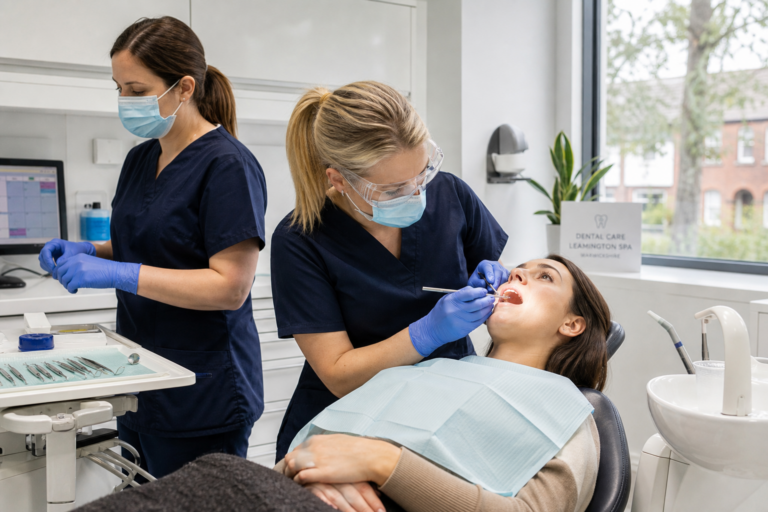
A Composite Bonding Newcastle consultation should include an appropriate dental examination.
Depending on the case, radiographs or other records may be recommended.
The dentist can then evaluate whether the mouth is healthy enough for bonding and whether another treatment should occur first.
Addressing underlying problems protects both natural teeth and the cosmetic work placed on them.
What Problems Can Composite Bonding Treat
Direct composite is versatile, but its strength lies in appropriately selected changes.
It can be particularly useful when the goal is to add material rather than extensively remove natural tooth structure.
Composite Bonding Newcastle may be considered for minor shape adjustments, selected gaps, small chips, worn edges, and other aesthetic concerns after clinical assessment.
The extent of treatment can range from one tooth to several teeth.
Chipped teeth
Minor chips can sometimes be restored using direct composite.
Before repairing the tooth, the dentist should consider why it chipped.
Trauma, bite forces, large previous restorations, cracks, or grinding may influence the treatment.
If the tooth experienced substantial trauma, additional assessment may be required before Composite Bonding Newcastle is undertaken.
Small gaps
Composite can close selected spaces by adding material to the sides of teeth.
Proportion matters.
Closing a gap entirely with resin could make teeth appear too wide if the available space is large relative to tooth dimensions.
Orthodontics may provide a better result in some cases.
A smile design for Composite Bonding Newcastle should consider the complete relationship among adjacent teeth rather than simply filling empty space.
Uneven tooth shapes
Some people naturally have teeth that differ in shape or size.
Composite can sometimes modify proportions conservatively.
The objective does not need to be mathematically perfect symmetry.
Natural teeth contain variation.
An experienced dentist can discuss whether subtle differences should remain to produce a result that fits the patient’s smile.
Who May Not Be Suitable for Composite Bonding Newcastle
Suitability cannot be determined online.
Some circumstances may make bonding less predictable or indicate that other treatment deserves priority.
Examples include active tooth decay, untreated gum disease, severe grinding, substantial tooth-position problems, significant enamel loss, extensive structural damage, and unrealistic expectations.
These are not universal exclusions.
A clinician needs to assess severity and available management options.
Gum health comes first
Inflamed or bleeding gums can interfere with aesthetic planning and restorative procedures.
Healthy gums also influence how the final smile looks around the tooth margins.
Where periodontal treatment or improved hygiene is needed, this may be addressed before Composite Bonding Newcastle.
A beautiful restoration placed beside unhealthy gums does not represent comprehensive dental care.
The Composite Bonding Newcastle Consultation
The consultation is where expectations and clinical reality should meet.
Explain what you dislike about the current smile rather than prescribing the solution yourself.
For example, saying that two teeth appear too short gives the dentist more diagnostic freedom than insisting immediately on a particular number of bonded teeth.
The dentist can evaluate the smile, teeth, gums, and bite before discussing options.
Questions worth asking
Patients can ask:
- Am I suitable for composite bonding?
- Are my teeth and gums healthy?
- Will natural tooth structure be removed?
- Are there orthodontic alternatives?
- Would whitening be better before treatment?
- How will my bite affect the result?
- What happens if the composite chips?
- What maintenance should I expect?
- What costs apply to repair or polishing?
- What would ceramic treatment change?
- How will the final shape be planned?
- Who will perform each part of treatment?
Good Composite Bonding Newcastle providers should be comfortable discussing limitations as well as benefits.
Planning the Shape and Shade
Successful cosmetic dentistry is not simply about making teeth brighter.
Tooth width, length, edge position, symmetry, surface texture, translucency, facial features, gum levels, and adjacent teeth can all influence appearance.
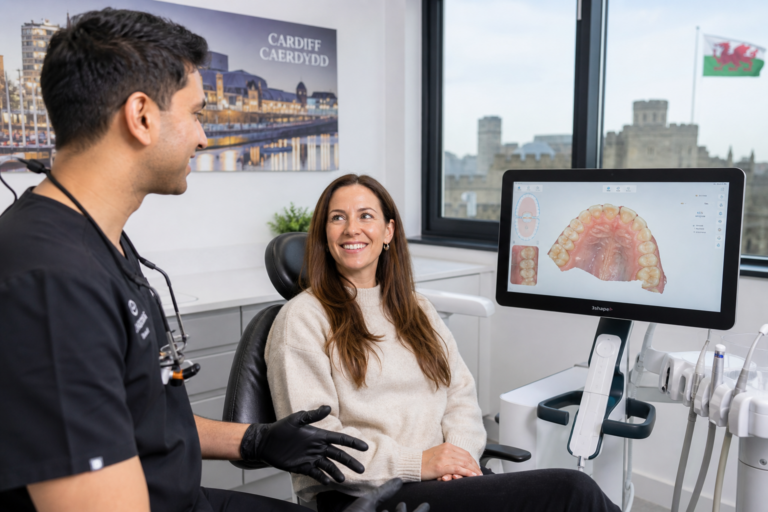
Composite Bonding Newcastle planning may involve photographs, scans, models, mock-ups, or digital simulations depending on the practice and complexity.
Digital planning tools can help communicate ideas.
They should not be treated as guarantees that the biological and clinical result will look exactly like a screen simulation.
Natural white is not one color
Teeth contain variations in hue, translucency, brightness, and texture.
Composite systems provide different shades and optical characteristics.
The dentist may use one or several materials to recreate natural-looking effects, depending on the case.
Patients considering Composite Bonding Newcastle should communicate whether they prefer a highly uniform cosmetic look or something intended to retain more natural variation.
What Happens During Composite Bonding Treatment
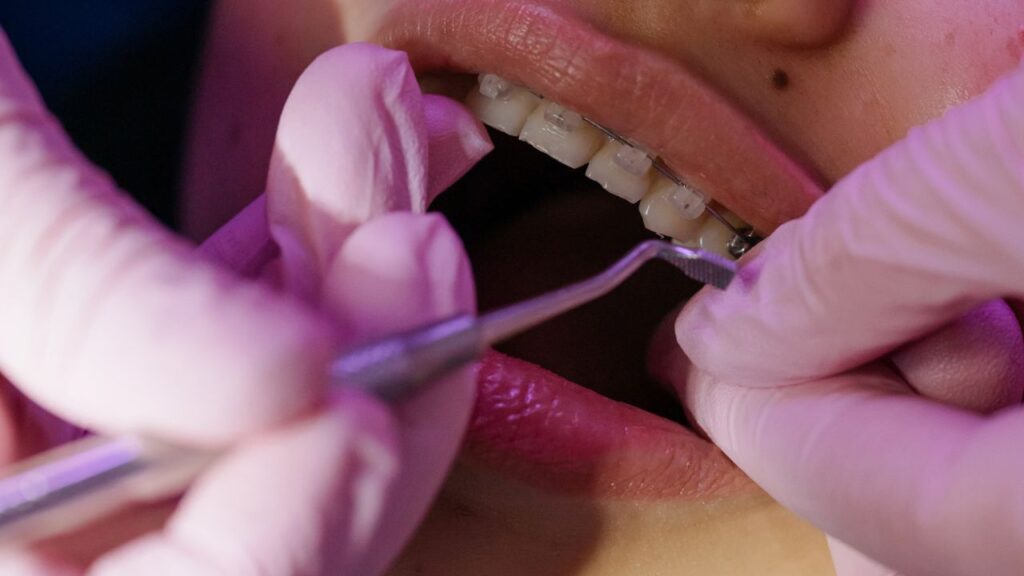
The exact sequence varies. The dentist generally prepares the treatment area, isolates it appropriately, uses an adhesive protocol, places composite incrementally or according to their technique, shapes it, light cures it, and finishes the restoration.
Bite checks are important before completion.
Final polishing helps establish surface texture and smoothness.
Does Composite Bonding Newcastle hurt
For minimally invasive additive bonding, local anaesthetic may not always be required.
However, treatment circumstances differ.
Teeth requiring decay removal, old restoration replacement, sensitivity management, or other procedures may require anaesthesia.
Patients who feel anxious or uncomfortable should tell the dental team.
Comfort planning should be individualized rather than promised universally as completely painless.
How Long Does Composite Bonding Take
Treatment time depends on the number of teeth, complexity, preparation, isolation, layering technique, bite adjustments, and finishing.
One minor repair can be very different from a multi-tooth cosmetic case.
Composite Bonding Newcastle providers should offer a realistic estimate after examining the patient.
Rushing extensive work simply to advertise same-day treatment may compromise careful planning or finishing.
Efficiency matters, but clinical quality matters more.
Composite Bonding Newcastle Cost
There is no universal price for composite bonding in Newcastle.
Costs can vary among practices according to the number of teeth, complexity, clinician experience, materials, planning, repairs required, and what is included in follow-up.
Some clinics price per tooth, while treatment packages may work differently.
Patients should request a written treatment plan.
Ask what the quote includes
A price comparison is meaningful only when the services are comparable.
Ask whether the Composite Bonding Newcastle quote includes:
- Consultation
- Dental assessment
- Required imaging
- Planning
- Mock-ups where applicable
- Composite treatment
- Finishing and polishing
- Bite adjustments
- Review appointments
- Repair policies
- Retainers or guards if recommended
Avoid choosing clinical treatment solely according to the lowest advertised per-tooth price.
How Long Does Composite Bonding Last
Composite restorations can provide years of service, but an exact lifespan cannot be promised for an individual.
Studies of direct composite restorations show that performance depends strongly on the clinical situation, restoration type, material, technique, patient factors, and follow-up period.
Aesthetic bonding can also require maintenance before complete failure occurs.
For example, the material may remain functional but need repolishing.
Think in terms of maintenance rather than expiration
A restoration does not necessarily reach one day when it suddenly becomes unusable.
Over time, a Composite Bonding Newcastle patient might need polishing, localized repair, edge adjustment, or eventual replacement.
Regular dental examinations allow these changes to be monitored.
This lifecycle perspective is more realistic than treating bonding as either permanent or temporary.
Composite Bonding and Teeth Grinding
Bruxism refers to grinding or clenching behavior that can occur during sleep or wakefulness.
It can increase mechanical loading on natural teeth and restorations.
People with significant bruxism may have a greater risk of chipping or wear depending on the location and design of the bonding.
This does not always make Composite Bonding Newcastle impossible.
It does mean the bite and risk factors deserve careful evaluation.
A night guard may be recommended
Some patients may be advised to use an occlusal splint or night guard.
The appropriate appliance should be professionally designed for the individual’s needs.
A guard cannot guarantee that composite will never chip.
Its purpose and limitations should be explained by the dentist.
Buying an arbitrary over-the-counter appliance after Composite Bonding Newcastle may not provide the same fit or clinical objective.
Composite Bonding and Tooth Whitening
Whitening and bonding require sequencing.
Bleaching changes natural tooth color but does not predictably bleach existing composite.
A patient who bonds first and then significantly whitens the surrounding teeth may create a shade mismatch.
Where whitening is appropriate and desired, the dentist may recommend completing it before final composite shade selection.
Whitening is not appropriate for everyone
Dental assessment is useful before whitening.
Existing restorations, sensitivity, gum health, tooth conditions, and the cause of discoloration can all affect the plan.
Composite Bonding Newcastle should be considered within the entire smile rather than as an isolated procedure.
Does Composite Bonding Damage Teeth
Appropriately planned direct bonding can be a conservative treatment.
That does not mean it carries zero risk.
Any dental treatment can have limitations and complications, and the amount of natural tooth alteration varies by case.
Potential issues include chipping, staining, wear, roughness, marginal deterioration, color mismatch, and the need for future maintenance.
A poorly designed bulky restoration can also affect cleaning or bite.
Clinician skill and treatment planning matter.
Composite Bonding vs Porcelain Veneers
Porcelain or ceramic veneers are thin indirect restorations bonded to the front of teeth.
They generally involve a different workflow from direct composite.
Ceramic materials can offer strong color stability and surface characteristics, while composite can provide conservative placement and straightforward repair in many cases.
Veneers may require permanent tooth preparation depending on the case.
Composite Bonding Newcastle consultations should explain both options where they are genuine alternatives.
Cost is only one difference
Patients sometimes compare composite and veneers purely according to initial price.
Long-term decisions should also consider:
- Tooth preparation
- Repairability
- Aesthetic requirements
- Bite
- Maintenance
- Material behavior
- Expected treatment life
- Replacement implications
- Underlying tooth condition
The least expensive initial option is not necessarily the least costly over decades, while the most expensive option is not automatically best.
Composite Bonding vs Orthodontics
Orthodontics moves teeth.
Composite changes tooth contours.
This fundamental difference determines when each approach is appropriate.
For mild shape discrepancies, composite may achieve the desired appearance.
For significant crowding, rotations, bite problems, or spacing, orthodontic treatment can address the underlying position rather than disguising it.
Some of the most conservative cosmetic plans combine orthodontics with limited Composite Bonding Newcastle afterward.
Composite Bonding vs Crowns
A crown covers substantially more of the tooth than additive cosmetic bonding.
Crowns can be appropriate when teeth are significantly weakened or structurally compromised, depending on clinical findings.
They should not automatically be selected simply because a tooth looks uneven.
Conversely, composite cannot always restore a tooth with substantial structural loss adequately.
A Composite Bonding Newcastle assessment should identify how much healthy tooth remains before deciding which restoration is appropriate.
Eating After Composite Bonding
Composite is polymerized during treatment, so patients generally do not need to wait for it to harden in the same way as a temporary material that chemically sets over many hours.
However, follow the treating dentist’s specific instructions.
If local anaesthetic was used, care may be needed until numbness resolves.
Patients should also avoid using bonded teeth as tools.
Biting packaging, pens, fingernails, and very hard non-food objects places avoidable stress on both composite and natural teeth.
Foods and Drinks That Can Affect Appearance
Coffee, tea, red wine, smoking, and strongly pigmented foods can contribute to external staining of teeth and restorations over time.
The extent varies.
Patients do not necessarily need to eliminate every colored food or drink to have Composite Bonding Newcastle.
Good oral hygiene and professional maintenance are more realistic long-term strategies.
Avoid extreme dietary restrictions based on social-media advice.
How to Clean Composite Bonding
Bonded teeth still need normal oral hygiene.
Brush regularly using an appropriate fluoride toothpaste and clean between teeth using a method recommended by the dental team.
Effective plaque control supports gum and tooth health around restorations.
Very abrasive products can affect surfaces over time.
Do not aggressively polish Composite Bonding Newcastle at home with abrasive powders or improvised tools.
Professional polishing uses appropriate instruments and techniques.
Can You Floss Around Bonding
In correctly designed restorations, patients should generally be able to maintain appropriate interdental cleaning.
If floss repeatedly shreds, cannot pass through a contact, or catches around a bonded area, mention it to the dentist.
Do not simply stop cleaning between those teeth.
Composite Bonding Newcastle should support maintainable oral hygiene.
The exact cleaning tool may vary according to tooth spacing, gum health, bridges, orthodontic retainers, and other factors.
Why Bite Checks Matter
A restoration can look beautiful while experiencing unfavorable forces.
The dentist checks how the teeth meet during biting and movements.
If a newly built composite edge receives excessive contact, it may be more vulnerable to wear or fracture.
Composite Bonding Newcastle treatment should therefore consider function before the final polish.
Patients should return if the bite feels unexpectedly high or uncomfortable after treatment rather than trying to adapt indefinitely.
Repairing Chipped Composite Bonding
One benefit of direct composite is that many localized defects can be repaired.
Repair feasibility depends on the size, location, remaining material, underlying tooth, and reason for failure.
A dentist should inspect the damage before deciding what is required.
If Composite Bonding Newcastle repeatedly chips in the same place, investigating bite, grinding, design, material thickness, or underlying tooth condition is important.
Repeated repair without understanding the cause may lead to recurring problems.
When Bonding Needs Replacement
Replacement might be considered when composite has extensive wear, recurrent defects, significant discoloration, marginal problems, or aesthetic changes that cannot be addressed conservatively.
The dentist should remove old material carefully while preserving natural tooth where possible.
Replacement itself becomes part of the lifetime treatment burden.
This is one reason younger patients considering extensive Composite Bonding Newcastle should understand that cosmetic dentistry may require decades of future maintenance.
Can Composite Bonding Cause Sensitivity
Sensitivity can occur after various dental procedures, although highly additive bonding may involve limited tooth preparation.
The likelihood depends on the clinical situation.
A tooth that already had damage, decay, exposed dentine, a large restoration, or other problems may behave differently from an untouched healthy tooth.
Persistent, severe, or worsening sensitivity after Composite Bonding Newcastle should be assessed rather than assumed to be normal.
Choosing a Composite Bonding Newcastle Dentist
Cosmetic photographs are useful, but they should not be the only selection criterion.
Check that the dentist is appropriately registered with the General Dental Council and that the practice operates under relevant regulatory requirements.
Ask about the clinician’s experience with direct composite and comprehensive treatment planning.
A good provider should discuss limitations, alternatives, maintenance, and costs.
Examine cases critically
Before-and-after photographs can demonstrate aesthetic style, but they do not show long-term performance.
Ask whether examples are the dentist’s own work.
Look for outcomes similar to the type of change you are considering rather than only dramatic full-smile transformations.
A Composite Bonding Newcastle dentist should also be willing to recommend no treatment when existing teeth are healthy and the proposed change offers limited benefit.
Red Flags in Cosmetic Dental Marketing
Be cautious with guarantees that bonding will last a precise number of years without qualification.
Claims that treatment is always reversible, never stains, never chips, or works for everyone are also overly broad.
Pressure to book immediately can make informed decision-making harder.
Composite Bonding Newcastle is elective in many cosmetic cases, so patients should have enough information and time to understand alternatives before proceeding.
Regulation and Dental Credentials in the UK
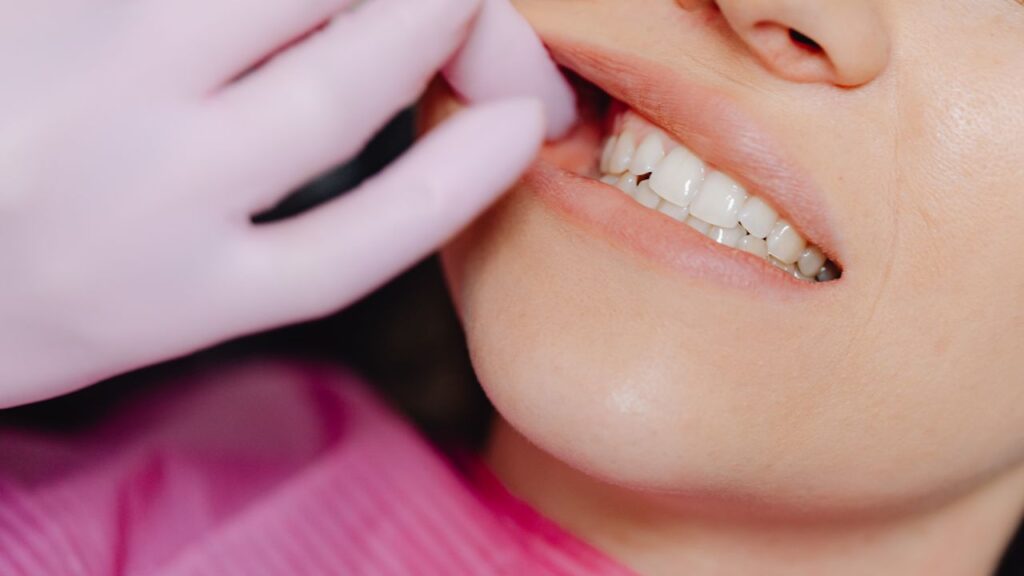
Dentists practicing in the UK must be appropriately registered with the General Dental Council.
Dental professionals have defined scopes of practice and professional standards.
Patients can verify registration using official GDC resources.
Dental practices in England also operate within a regulatory environment that includes the Care Quality Commission where applicable.
These checks do not guarantee a particular cosmetic outcome, but they provide important baseline information when researching Composite Bonding Newcastle.
Financing Composite Bonding Newcastle
Cosmetic dental treatment can represent a significant expense when several teeth are involved.
Some practices offer payment options or third-party finance.
Before entering any finance agreement, understand the total amount repayable, interest or fees where applicable, term, cancellation rights, and what happens if the treatment plan changes.
Do not allow monthly payment size to obscure total cost.
Composite Bonding Newcastle remains a clinical decision even when finance makes treatment appear more affordable.
The Importance of Informed Consent
Consent is more than signing a form.
Patients should understand the nature of treatment, significant risks, expected benefits, alternatives, likely maintenance, costs, and what happens if they choose no treatment.
Questions should be encouraged.
For Composite Bonding Newcastle, informed consent is particularly important because many patients begin treatment with healthy teeth and cosmetic rather than disease-related goals.
The threshold for understanding long-term implications should therefore be high.
Setting Realistic Expectations
Composite dentistry can make meaningful aesthetic changes, but natural anatomy and biology impose limits.
Perfect symmetry may not suit every face. Extremely white shades may look less natural. Adding too much composite to avoid tooth preparation can create bulky shapes.
Good treatment is often about compromise.
Composite Bonding Newcastle planning should balance what the patient wants with what can be achieved conservatively, cleanably, and functionally.
A Practical Composite Bonding Newcastle Checklist
Before committing to treatment, consider the following:
- Have the teeth and gums been properly examined?
- Is bonding suitable for the actual cosmetic concern?
- Will any natural tooth be removed?
- Should orthodontics be considered?
- Is whitening part of the desired result?
- Has the bite been assessed?
- Is grinding or clenching relevant?
- How will the proposed shape be planned?
- What maintenance is expected?
- What happens if the composite chips?
- What is included in the treatment fee?
- Are future repairs charged separately?
- Is the treating professional appropriately registered?
- Are before-and-after examples genuine clinical cases?
- Have reasonable alternatives been discussed?
- Are the expected results realistic?
Using this checklist can make a Composite Bonding Newcastle consultation more informative and reduce decisions based solely on social-media imagery.
FAQ’s
What is Composite Bonding Newcastle?
Composite Bonding Newcastle refers to direct composite resin treatment offered by dentists in Newcastle to repair or change aspects of tooth shape, spacing, symmetry, wear, or appearance.
How long does composite bonding last?
There is no guaranteed lifespan. Longevity depends on the tooth, amount of bonding, bite, grinding, habits, material, technique, oral hygiene, trauma, and maintenance.
Does Composite Bonding Newcastle damage natural teeth?
Composite can often be placed very conservatively, particularly in additive cases, but some treatments require preparation. Ask exactly whether natural tooth structure will be removed.
Does composite bonding stain?
Composite can develop surface staining or lose polish over time. Professional maintenance may improve some discoloration, while more substantial changes can require repair or replacement.
Can Composite Bonding Newcastle fix crooked teeth?
Bonding can disguise some mild shape or alignment irregularities, but it does not move teeth. Orthodontic treatment may be more appropriate for significant positional or bite problems.
Is composite bonding better than veneers?
Neither is universally better. Composite can be conservative and repairable, while ceramic veneers have different aesthetic and material properties. The right choice depends on individual clinical circumstances.
Conclusion
Composite Bonding Newcastle can be an effective cosmetic option for selected patients who want to repair chips, adjust tooth shapes, close certain spaces, or refine smile proportions while preserving as much healthy tooth structure as practical. Its strengths include direct placement, repairability, and the potential for minimally invasive treatment, but composite can still stain, chip, wear, and require ongoing polishing, repairs, or eventual replacement.
The best Composite Bonding Newcastle decision begins with diagnosis rather than a before-and-after photograph. A dentist should assess dental health, gum condition, bite, tooth position, existing restorations, habits, and long-term expectations before recommending treatment. By understanding the myths, limitations, alternatives, costs, and maintenance from the beginning, patients can choose cosmetic dentistry based on realistic clinical information rather than promises that no restorative material can guarantee.

One Comment