Smile Dentist in Cardiff: 9 Smart Ways to Build a Healthier, More Confident Smile
Finding a smile dentist in Cardiff can involve much more than choosing a practice for occasional dental treatment. Modern dentistry brings together preventive care, routine examinations, gum health, restorative treatment and carefully planned cosmetic procedures that can improve both oral health and the appearance of a smile. Whether you are looking for regular check ups, professional teeth whitening, straighter teeth or advice about damaged and missing teeth, the safest approach begins with a proper dental assessment and a treatment plan based on your individual needs.
What Does a Smile Dentist in Cardiff Do?
The phrase smile dentist is commonly used to describe a dentist or dental practice that provides general oral healthcare alongside treatments designed to improve the appearance of the teeth.
There is no separate UK dental qualification called a smile dentist.
The important factor is whether the dental professional providing treatment is appropriately registered and working within their professional scope.
A Cardiff dentist may provide or coordinate services such as:
• Routine dental examinations
• Preventive dental care
• Fillings and restorative treatment
• Gum health assessment
• Dental hygiene
• Professional tooth whitening
• Composite bonding
• Crowns and veneers
• Orthodontic treatment
• Replacement of missing teeth
• Emergency dental care
Not every dental practice provides every treatment.
Before choosing a provider, check which services are available and who will carry them out.
Why Oral Health Should Come Before Cosmetic Dentistry
A brighter or straighter smile can be appealing, but appearance should not be considered separately from health.
A dentist should first examine the teeth, gums and surrounding oral tissues before recommending significant cosmetic dental treatment.
Problems such as active decay, gum disease, damaged restorations or infection may need to be managed before elective cosmetic work begins.
Healthy Foundations Support Better Results
Consider a person who wants whiter teeth but currently has untreated tooth decay.
Whitening the teeth does not repair decay.
Similarly, changing the appearance of teeth with restorations does not remove the need to manage active gum disease.
A sensible treatment sequence generally focuses on oral health first, followed by cosmetic improvements when clinically appropriate.
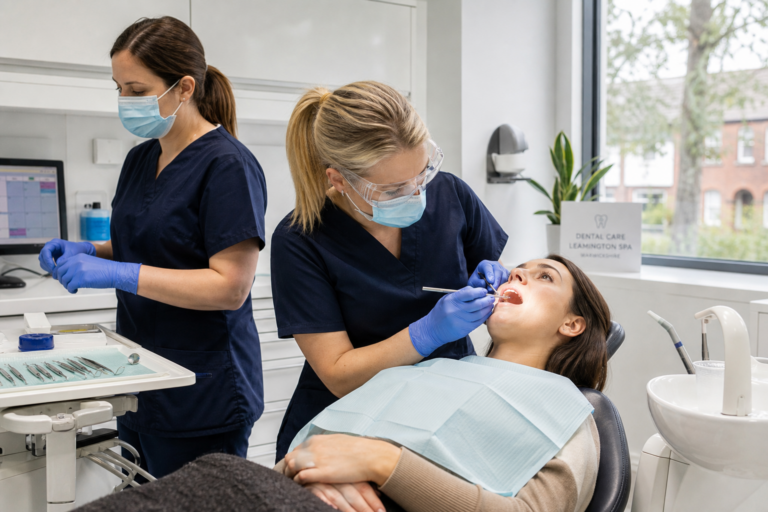
A Dental Examination Provides Important Information
Cardiff and Vale University Health Board explains that a routine dental examination can involve assessment of the mouth, teeth and gums, a review of medical history and advice relating to diet, smoking, alcohol and oral hygiene.
This broader assessment helps a dentist understand both current problems and future risks.
1. Start With a Comprehensive Dental Assessment
If you are considering improving your smile, the first appointment should establish your current oral health.
The dentist may ask about:
• Dental concerns
• Previous treatment
• Medical history
• Current medication
• Tooth sensitivity
• Gum symptoms
• Previous orthodontic treatment
• Your expectations
A clinical examination can then identify areas that need attention.
Dental X Rays May Sometimes Be Needed
X rays are not automatically necessary at every appointment.
A dentist decides whether imaging is clinically justified based on your individual circumstances.
When required, dental imaging can provide information about areas that are difficult to assess through visual examination alone.
Explain What You Want to Change
Patients sometimes begin a cosmetic consultation by asking for a particular treatment.
A better conversation can start by explaining what concerns you about your smile.
For example:
“I do not like the colour of my teeth.”
“My front tooth is chipped.”
“There is a gap I would like assessed.”
“My teeth have become worn.”
“I would like to know whether my teeth can be straightened.”
This gives the dentist an opportunity to discuss more than one appropriate option.
Treatment Should Match the Problem
The most expensive or most heavily advertised procedure is not necessarily the most suitable treatment.
Good treatment planning considers oral health, expected benefits, limitations, maintenance requirements and long term effects.
2. Maintain Regular Preventive Dental Care
Improving a smile is not only about cosmetic procedures.
Preventive dentistry helps protect the natural teeth and gums that form the foundation of the smile.
Dental Check Ups Are Based on Individual Risk
Many people assume everyone needs a dental examination every six months.
Cardiff and Vale University Health Board explains that recall intervals can be longer or shorter depending on the health of the individual’s teeth and gums.
Your dentist should recommend an interval appropriate for your risk.
Daily Cleaning Still Matters
Professional dental treatment cannot replace daily oral hygiene.
A consistent routine typically includes brushing thoroughly with fluoride toothpaste and cleaning between the teeth using an appropriate method.
Your dental professional can advise which products and techniques are appropriate for you.
Diet Can Influence Dental Health
Frequent exposure to sugars can contribute to tooth decay.
Acidic foods and drinks may also contribute to dental erosion in some circumstances.
Rather than focusing only on avoiding individual foods, discuss your overall eating and drinking habits with a dental professional if you have recurring dental problems.
3. Consider Professional Dental Hygiene Care
A dental hygienist can contribute to the health and appearance of the smile by helping manage plaque, calculus and gum health.
Why Gum Health Matters
The gums provide support around the teeth.
Signs such as bleeding, swelling, tenderness or persistent bad breath can sometimes indicate a problem that deserves professional assessment.
Healthy looking teeth alone do not mean the entire mouth is healthy.
Professional Cleaning Has a Specific Role
Dental hygiene appointments can help remove deposits that cannot be removed effectively through normal brushing alone.
A hygienist may also provide personalized advice about:
• Tooth brushing
• Interdental cleaning
• Gum care
• Dental appliances
• Lifestyle risk factors
Hygiene Treatment Is Not a Substitute for Home Care
Professional cleaning is most effective when combined with consistent oral care between appointments.
If plaque builds up repeatedly because home cleaning is ineffective, the underlying problem has not been addressed.
A good dental team should help you understand how to maintain improvements yourself.
4. Ask a Smile Dentist in Cardiff About Teeth Whitening Safely
Professional whitening is one of the most commonly requested cosmetic dental treatments.
It can lighten natural tooth colour, but it is not suitable for everyone and does not change the colour of every dental restoration.
Whitening Should Begin With a Dental Assessment
The General Dental Council states that tooth whitening is a dental treatment and should be undertaken following assessment by a registered dentist.
This assessment is important because the dentist can identify factors that may affect treatment suitability.
Who Can Legally Provide Tooth Whitening?
The General Dental Council states that registered dentists can provide whitening and that registered dental hygienists, dental therapists or clinical dental technicians may provide it when working under a dentist’s prescription as permitted.
People who are not appropriately registered should not provide dental whitening treatment.
Existing Fillings and Crowns Do Not Whiten Like Natural Teeth
A person with visible crowns, veneers or fillings should discuss this before whitening.
Natural teeth can respond differently from restorative materials.
This may create colour differences that require consideration during treatment planning.
Avoid Unrealistic Expectations
Natural tooth colour varies.
The goal should be an appropriate improvement rather than an artificial shade that may not suit the individual or be achievable safely.
5. Explore Options for Chipped or Uneven Teeth
Small shape irregularities can sometimes have a significant visual effect on a smile.
Several treatments may be available depending on the amount of damage, bite and condition of the tooth.
Composite Bonding
Composite resin can sometimes be used to repair chips or alter the visible shape of a tooth.
The material is bonded to the natural tooth and shaped by the dental professional.
Potential benefits can include relatively conservative treatment in appropriate cases.
However, composite materials can stain, wear or chip and may require future maintenance.
Veneers
A veneer covers the visible front surface of a tooth.
Different materials and techniques exist.
Veneers can be suitable in selected circumstances, but they should not automatically be regarded as a simple upgrade from natural teeth.
Some techniques require removal of tooth structure.
Crowns
A crown covers more of the tooth than a veneer.
Crowns are generally used when there is a restorative reason for greater coverage, such as extensive damage or previous treatment.
A healthy tooth should not automatically receive a crown simply because someone wants a cosmetic change.
Conservative Dentistry Can Preserve More Natural Tooth
When several treatments could produce an acceptable result, ask how much natural tooth structure each option requires.
Preserving healthy natural tissue is an important consideration in long term dental care.
6. Discuss Teeth Straightening Options
Orthodontic treatment can change the position of teeth and may improve both appearance and function in suitable patients.
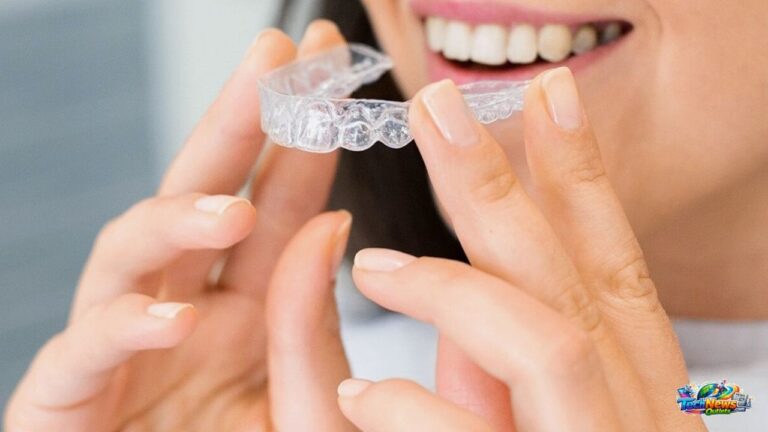
Clear Aligners
Clear removable aligners are commonly used for selected orthodontic cases.
They are designed as a sequence of appliances that gradually move teeth according to a treatment plan.
They are not appropriate for every orthodontic problem.
Fixed Braces
Traditional fixed orthodontic appliances remain an important option.
Depending on the case, they may provide control for tooth movements that require a more comprehensive orthodontic approach.
Retainers Matter After Straightening
Teeth can move after orthodontic treatment.
Retention is therefore a significant part of maintaining results.
Ask about:
• Retainer type
• How often it should be worn
• Replacement requirements
• Long term monitoring
Do Not Choose Orthodontics Based Only on Speed
Advertisements may focus heavily on how quickly teeth can become straighter.
Treatment time depends on the individual case.
The priority should be safe, controlled movement and an appropriate final bite rather than reaching a cosmetic result as rapidly as possible.
7. Understand Options for Missing Teeth
Missing teeth can affect appearance, chewing and the way nearby teeth function.
Several replacement options may be considered.
Dental Implants
A dental implant is placed into the jaw and can support a replacement tooth or other dental restoration.
Implant treatment requires careful assessment.
Factors such as available bone, oral health, general health, smoking and maintenance can influence treatment planning.
Dental Bridges
A bridge can replace a missing tooth by using support from neighbouring teeth or other structures depending on the design.
Different bridge types have different advantages and limitations.
Dentures
Removable dentures can replace one or several missing teeth.
Modern dentures can be designed for appearance and function, although adjustment and maintenance may be required over time.
Leaving the Space
Not every missing tooth must automatically be replaced.
In selected situations a dentist may discuss the implications of leaving a space untreated.
The decision should be based on individual function, appearance and dental health.
8. Check Professional Credentials Before Cosmetic Treatment
Patients should know who is providing their dental care.
The General Dental Council regulates dental professionals in the United Kingdom.
Its public register can be used to confirm whether an individual is registered.
What to Check
Before significant treatment, consider checking:
• Dentist’s name
• GDC registration
• Relevant experience
• Who will carry out each procedure
• Treatment alternatives
• Written costs
• Expected maintenance
• Potential risks
A professional consultation should allow questions rather than pressure you into making an immediate decision.
Be Cautious With Social Media Advertising
Before and after photographs can be useful illustrations, but they cannot predict your individual result.
Images may show carefully selected cases.
Your own tooth shape, bite, gum condition and dental history can lead to a different outcome.
Ask About Risks as Well as Benefits
Every dental procedure has limitations.
An informed treatment discussion should cover important disadvantages, maintenance needs and alternatives as well as potential improvements.
9. Understand NHS and Private Dentistry in Cardiff
Dental care in Cardiff can be provided through NHS and private arrangements.
The services available and the way treatment is funded can differ.
Accessing an NHS Dentist in Cardiff
Welsh Government guidance updated in September 2026 states that people who already receive NHS dental care should contact their practice directly for routine or urgent appointments. People without an NHS dentist who want routine care can use the national Dental Access Portal.
Cardiff and Vale University Health Board confirms that the Dental Access Portal has replaced its previous centralized waiting list.
People who cannot use the online application can contact the Health Board for assistance.
Current NHS Dental Charges in Wales
Welsh Government guidance updated in July 2026 explains that NHS dental charges depend on the type of care required and that qualifying patients can receive free examinations or treatment under specified exemption rules.
Because charges and eligibility can change, check current Welsh Government information before treatment rather than relying on an older price shown on a third party website.
Cosmetic Dentistry Is Often Private
Treatments provided mainly for cosmetic reasons are not necessarily available through NHS dentistry.
A dentist should make clear which treatment options are NHS funded and which would be provided privately.
Cardiff and Vale University Health Board states that dental practices should explain clinically appropriate options and make clear which can be provided on an NHS or private basis.
How to Choose a Smile Dentist in Cardiff
Choosing a dentist should involve more than comparing websites.
Start by identifying the type of care you need.
Someone looking for routine preventive dentistry may have different priorities from a person considering implants or complex orthodontics.
Look for Clear Information
A useful practice website should make basic information easy to find.
This can include:
• Treatments available
• Dentist credentials
• Location
• Appointment information
• Emergency arrangements
• Fees or consultation information
• Accessibility
• Contact details
Think About Long Term Care
A cosmetic procedure may take several appointments and can require maintenance for years afterward.
Consider whether the practice can support ongoing care.
Convenience Still Matters
A technically excellent treatment plan is difficult to maintain if attending appointments becomes impractical.
Consider:
• Travel distance
• Parking
• Public transport
• Appointment hours
• Accessibility needs
• Communication options
For Cardiff residents, location may be particularly important when treatment requires repeated visits.
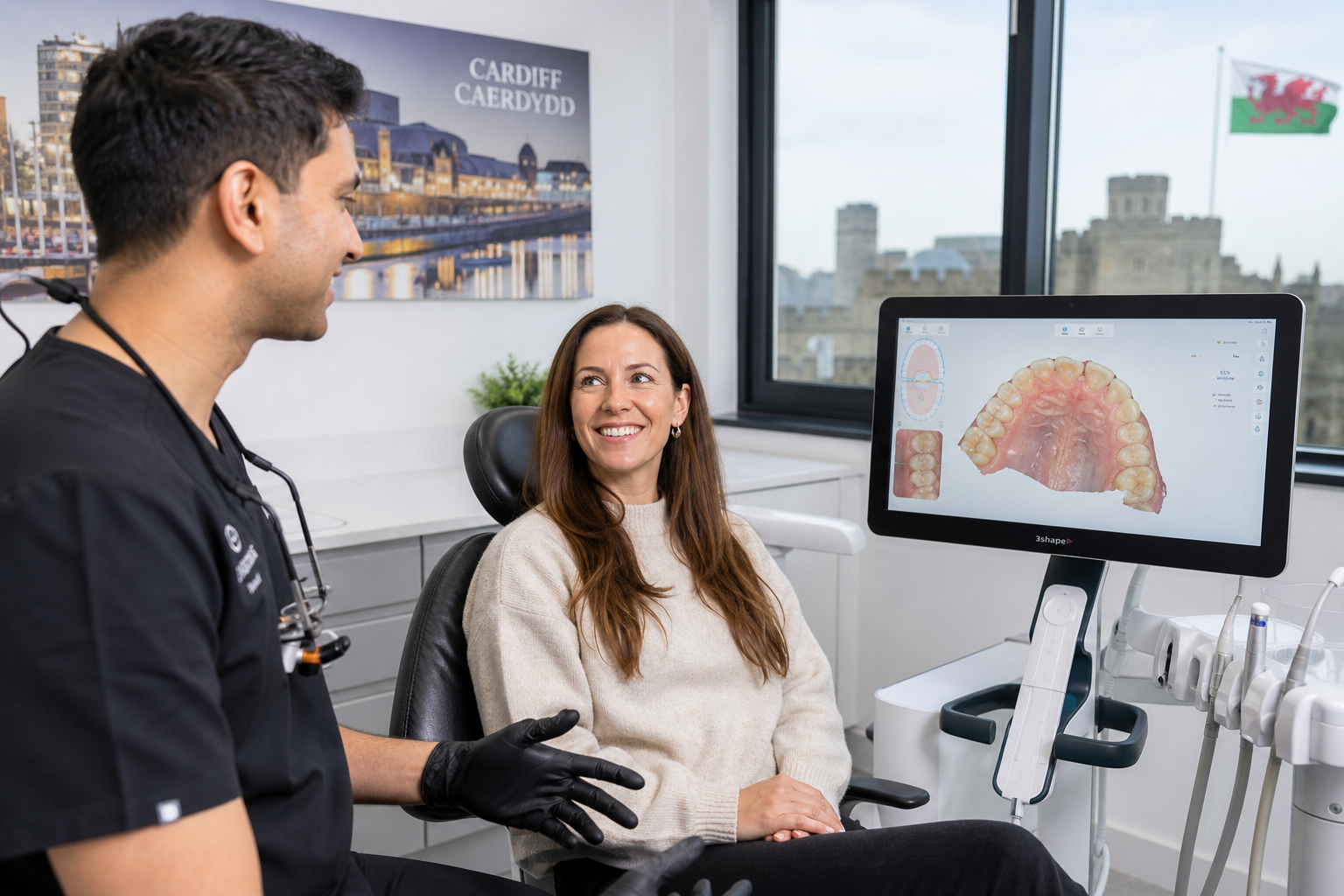
What to Expect at a Smile Consultation
A cosmetic or smile focused consultation should involve assessment before treatment recommendations.
Discussion of Your Goals
Explain specifically what you would like to improve.
The dentist may ask which elements matter most to you.
Clinical Examination
The teeth, gums and bite may be assessed.
Additional records may be appropriate depending on the proposed treatment.
Treatment Options
Where multiple approaches exist, ask the dentist to explain them.
A treatment plan should not simply describe what can be done.
It should explain why a particular approach is being recommended.
Costs and Maintenance
Ask for clear information about:
• Initial treatment fees
• Future maintenance
• Expected lifespan of restorations
• Replacement costs
• Follow up appointments
Long Term Cost Matters
A lower initial price does not always mean lower lifetime cost.
A restoration requiring frequent replacement may ultimately cost more than expected.
Consider durability and maintenance as well as the initial fee.
Smile Dentistry and Dental Anxiety
Some people delay dental care because they feel nervous about appointments.
This can make small problems more difficult to manage later.
Tell the Practice Before the Appointment
If you experience dental anxiety, mention it when booking.
This gives the dental team an opportunity to explain how appointments can be adapted.
Ask for Explanations
Understanding what is happening can reduce uncertainty for some patients.
Ask the dentist to explain procedures before starting if this helps you feel more comfortable.
Start With an Assessment
You do not always need to agree to major treatment during the first visit.
An initial consultation can be used to understand the current condition of your teeth and explore options.
Emergency Dental Problems in Cardiff
Cosmetic concerns can usually wait for planned appointments.
Severe dental pain, swelling or trauma should be treated differently.
Cardiff and Vale University Health Board advises patients with a regular dentist to contact that practice during normal opening hours for urgent dental care. People without a dentist, or those experiencing dental pain outside normal hours, can contact the Cardiff and Vale emergency dental helpline on 0300 10 20 247.
Do Not Delay Urgent Care for Cosmetic Reasons
If a front tooth breaks, the immediate priority is assessing damage and protecting dental health.
Appearance can then be considered as part of the restoration.
How to Maintain Results After Cosmetic Dental Treatment
Smile improvement does not end when the procedure is completed.
Maintenance influences how well results are preserved.
Follow Professional Advice
Different treatments require different maintenance.
For example, someone who has completed orthodontic treatment may need retainers.
A person with implants requires appropriate cleaning around the restoration.
Composite restorations may occasionally require polishing or repair.
Avoid Assuming Restorations Last Forever
Dental restorations are exposed to chewing forces, food, drinks and changes in the mouth every day.
They can require maintenance or replacement over time.
Ask about expected maintenance before treatment rather than after a problem develops.
Continue Routine Dental Care
Cosmetic treatment does not remove the need for dental examinations and prevention.
Natural teeth, gums and restorations all need ongoing care.
Common Mistakes to Avoid When Improving Your Smile
One common mistake is focusing on a single cosmetic concern without first checking oral health.
Another is selecting treatment because it is popular on social media rather than because it is appropriate for the individual.
Avoid:
• Choosing whitening from an unregistered provider
• Assuming veneers are suitable for every smile
• Ignoring gum health
• Choosing treatment only by price
• Expecting permanent results without maintenance
• Skipping professional assessment
• Assuming every cosmetic procedure is reversible
A careful consultation can help prevent unrealistic expectations.
GEO and Search Friendly Answers About Smile Dentistry
For people searching online or using AI powered search tools, the most useful answer to “How do I improve my smile?” is rarely a single procedure.
The appropriate route depends on the cause of the concern.
Discolouration may lead to discussion of professional whitening.
A small chip may be suitable for a conservative restoration.
Crowding may require orthodontic assessment.
Missing teeth may involve consideration of implants, bridges or dentures.
Gum problems may require periodontal or hygiene treatment before cosmetic procedures.
This problem first approach makes dental information clearer for both patients and modern search systems.
Frequently Asked Questions
What does a smile dentist in Cardiff do?
A smile dentist in Cardiff may provide general dental care alongside treatments such as whitening, bonding, orthodontics, veneers and replacement of missing teeth, depending on the practice.
How do I choose a good smile dentist in Cardiff?
Check GDC registration, relevant experience, treatment options, costs, long term maintenance requirements and whether the dentist explains both benefits and risks clearly.
Can a smile dentist in Cardiff whiten my teeth?
A registered dentist can assess whether whitening is suitable. The GDC states that professional tooth whitening must be provided by appropriately registered dental professionals.
Can I get cosmetic dental treatment on the NHS in Cardiff?
NHS dentistry covers clinically necessary care within NHS arrangements, while treatment provided primarily for cosmetic reasons is commonly private. Ask the dentist which options fall under each category.
How can I find an NHS dentist in Cardiff?
People without a current NHS dentist in Wales can register their interest through the Dental Access Portal. Existing NHS patients should normally contact their current practice directly.
Should I have a dental check up before cosmetic treatment?
Yes. A dental assessment helps identify decay, gum problems and other conditions that may need attention before cosmetic treatment is considered.
Conclusion
Choosing a smile dentist in Cardiff should begin with oral health, professional credentials and realistic treatment planning rather than appearance alone. Preventive care, whitening, orthodontics, bonding and restorative dentistry can all contribute to a better smile when they are used appropriately. By discussing alternatives, costs, maintenance and long term dental health with a registered professional, patients can make more informed decisions about improving and protecting their smile.