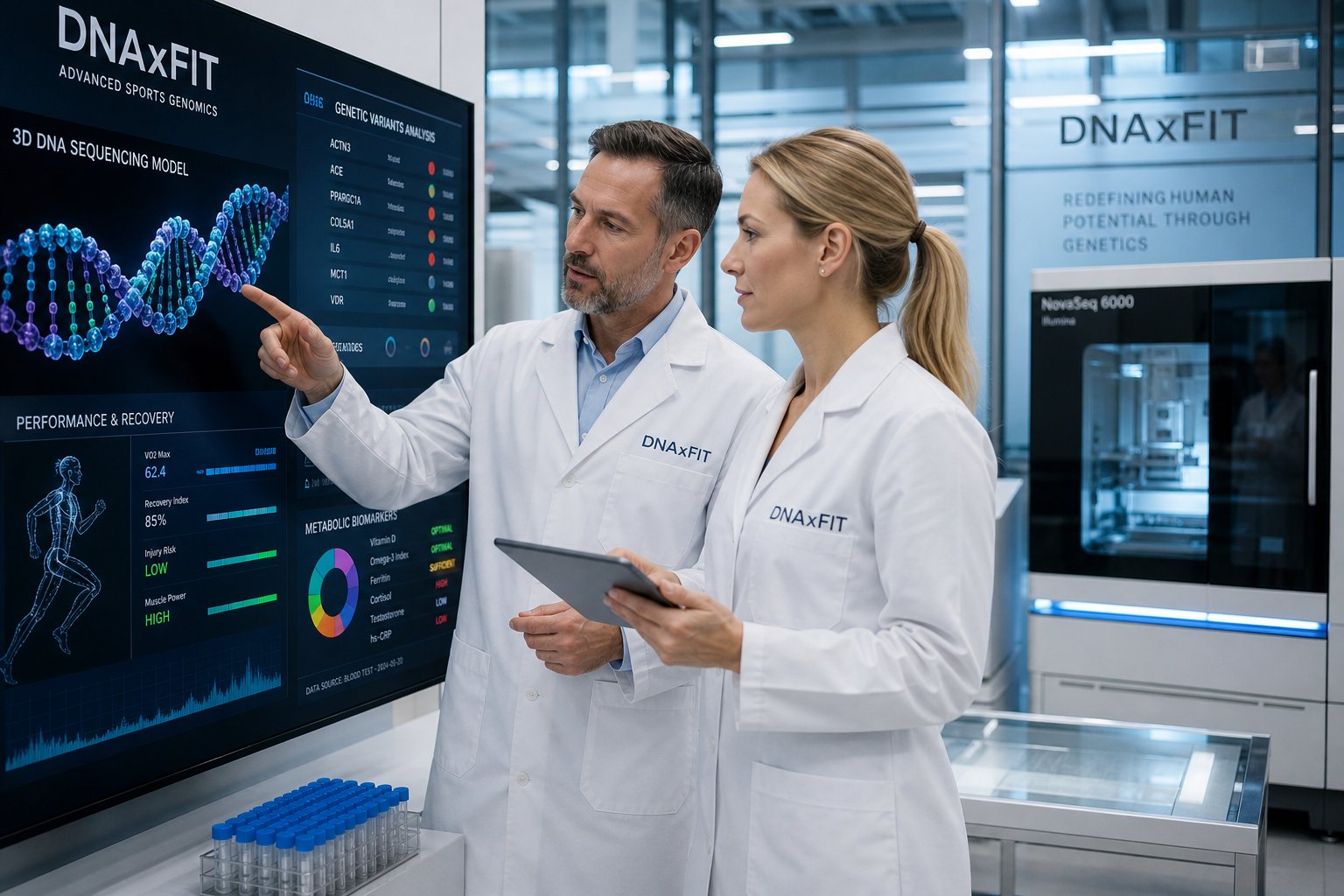
DNAxFIT Team: 7 Proven Secrets to Unlock Peak Fitness, Optimize Nutrition, and Maximize Athletic Potential
Generic, one-size-fits-all workout regimens and standardized dietary fads consistently fail to deliver long-term metabolic health and athletic performance. Partnering with the DNAxFIT team provides fitness enthusiasts, elite endurance athletes, personal training clients, and health-conscious individuals with a personalized health strategy grounded in clinical genetics, sports nutrigenomics, and exercise physiology. While traditional training methodologies rely on trial-and-error guesswork—frequently resulting in chronic overtraining, sports injuries, metabolic plateaus, and nutritional deficiencies—human performance is fundamentally influenced by individual genetic architecture. By analyzing specific Single Nucleotide Polymorphisms (SNPs) governing muscle fiber composition, maximal oxygen uptake (VO2 max), trainability, soft-tissue injury risk, and micronutrient metabolism, this specialized multidisciplinary team translates raw genetic code into actionable, science-backed lifestyle blueprints that accelerate fat loss, optimize muscle hypertrophy, and support lifelong vitality.
The Molecular Science of Exercise Genomics and Nutrigenomics
Every individual carries a unique genetic code comprising roughly three billion base pairs of DNA. While more than ninety-nine percent of human DNA is identical across the population, subtle variations—specifically Single Nucleotide Polymorphisms (SNPs)—dictate significant differences in how bodies respond to macronutrient ratios, aerobic exercise, heavy mechanical resistance, and physiological systemic inflammation.
The Genetic Architecture of Skeletal Muscle Fiber Typing
Skeletal muscle tissue comprises two primary fiber types: Type I (slow-twitch oxidative fibers adapted for aerobic endurance) and Type II (fast-twitch glycolytic fibers adapted for explosive power and sprinting). Genetic profiling reveals an individual’s natural structural bias:
- The ACTN3 “Speed Gene” Polymorphism: The ACTN3 gene encodes alpha-actinin-3, a structural protein found exclusively in the Z-discs of fast-twitch muscle fibers. Individuals carrying the homozygous functional R577R genotype produce robust alpha-actinin-3 proteins that generate forceful, explosive muscular contractions, naturally predisposing them to sprinting, Olympic weightlifting, and high-velocity power sports.
- The 577X Null Variant: Individuals carrying the 577X null variant do not produce alpha-actinin-3. While this variant shifts muscular metabolism toward oxidative efficiency—conferring a natural advantage in ultra-endurance marathon running and cycling—applying generic heavy powerlifting protocols to an XX genotype without sufficient volume and recovery frequently leads to chronic tendon strain and training frustration.
Angiotensin-Converting Enzyme (ACE) and Cardiovascular Efficiency
The ACE gene regulates the renin-angiotensin-aldosterone hormonal pathway, governing blood pressure, systemic vascular tone, and skeletal muscle efficiency:
- The Insertion (I) Allele: Associated with lower baseline circulating ACE levels, enhanced capillary density, and superior arterial vasodilation. Individuals carrying the II genotype exhibit natural cardiovascular efficiency and higher VO2 max improvements from prolonged aerobic endurance training.
- The Deletion (D) Allele: Linked with higher ACE activity, increased cardiac output, and greater skeletal muscle hypertrophy response following heavy progressive resistance training.
Precision Nutrigenomics: Customizing Fuel for Your DNA
Nutrigenomics investigates the complex bi-directional relationship between dietary nutrients and gene expression. The DNAxFIT team uses genetic profiling to eliminate dietary speculation, identifying how your body processes carbohydrates, fats, vitamins, and caffeine.
Saturated Fat Sensitivity and the FTO / PPARG Metabolic Pathways
- The Fat Mass and Obesity-Associated (FTO) Gene: Variants within the FTO gene influence appetite signaling, satiety perception, and baseline resting metabolic rate. Certain alleles cause elevated hunger hormone (ghrelin) production post-prandial, requiring customized high-fiber and protein-dense dietary structures to sustain caloric discipline.
- Peroxisome Proliferator-Activated Receptor Gamma (PPARG): Governs adipocyte differentiation and lipid storage. Individuals carrying specific polymorphisms experience elevated LDL cholesterol and accelerated visceral fat accumulation when consuming standard ketogenic high-saturated-fat diets, demonstrating that trendy high-fat protocols can be counterproductive for specific genetic profiles.
Caffeine Clearance Rates and Ergogenic Athletic Performance (CYP1A2 Gene)
Caffeine is the most widely consumed legal athletic performance enhancer in the world, yet its physiological effects vary drastically based on liver enzyme genetics:
- Fast Caffeine Metabolizers (CYP1A2 -163A/A Genotype): Produce high concentrations of the liver cytochrome P450 1A2 enzyme. Consuming two hundred to three hundred milligrams of caffeine forty-five minutes before exercise significantly improves muscular endurance, mental focus, and cardiovascular output without adverse side effects.
- Slow Caffeine Metabolizers (CYP1A2 -163C Carrier): Slowly clear caffeine from the bloodstream. For these individuals, pre-workout caffeine causes prolonged vasoconstriction, elevated resting blood pressure, post-exercise tremors, and can actually impair endurance performance while doubling the risk of cardiovascular stress during high-intensity training.
Genetic Analysis and Performance Optimization Matrix
| Genetic Marker / Gene | Primary Physiological Role | Favorable Genotype | Tailored Training / Nutrition Adjustment |
|---|---|---|---|
| ACTN3 (R577X) | Fast-twitch muscle power & force generation | R/R (Power / Sprinting) | Focus on low-rep explosive lifts, plyometrics, sprints |
| ACE (I/D Polymorphism) | Vascular tone & endurance capillary density | I/I (Endurance bias) | High-volume aerobic intervals, zone-2 base building |
| CYP1A2 (rs762551) | Liver caffeine metabolic breakdown velocity | A/A (Fast clearance) | Pre-workout caffeine (3–5 mg/kg) for performance boost |
| COL5A1 (rs12722) | Type V collagen synthesis & tendon elasticity | C/C (Low injury risk) | Standard recovery; T/T requires collagen & longer rest |
| GSTP1 / SOD2 | Endogenous cellular antioxidant production | Val/Val (High defense) | Ile carriers need higher dietary polyphenols & Vitamin C |
| FTO (rs9939609) | Appetite regulation & caloric satiety signaling | T/T (Normal regulation) | A-allele carriers benefit from high-volume, lean protein meals |
Soft-Tissue Injury Prevention and Recovery Optimization
Athletic progression is often limited by injury downtime. When connective tissues (tendons and ligaments) fail under repetitive mechanical loads, months of training progress are lost.
Collagen Synthesis Kinetics and the COL5A1 Gene
Tendons and ligaments are composed primarily of Type I and Type V collagen fibrils organized into dense load-bearing bundles:
- The COL5A1 Marker: Encodes the alpha-1 chain of Type V collagen, which regulates the diameter and tensile elasticity of connective tissue fibers.
- Genetic Tendon Fragility: Individuals carrying the T/T genotype exhibit altered collagen fibril organization that makes them significantly more susceptible to acute Achilles tendon ruptures, anterior cruciate ligament (ACL) tears, and chronic patellar tendinopathy under heavy plyometric stress. The DNAxFIT team mitigates this vulnerability by prescribing targeted eccentric loading protocols, customized warm-up dynamic mobilizations, and therapeutic timing of hydrolyzed collagen peptides and vitamin C before training sessions.
Endogenous Antioxidant Defenses and Inflammation Resolution
Intense exercise induces muscular micro-damage and produces reactive oxygen species (ROS). While controlled oxidative stress is necessary to trigger muscular adaptation, individuals carrying variations in the SOD2 (Superoxide Dismutase) and GSTP1 (Glutathione S-Transferase) genes exhibit sluggish endogenous antioxidant enzyme cascades. For these athletes, unmanaged high-intensity training causes chronic systemic inflammation, elevated creatine kinase levels, and delayed muscle recovery (DOMS) lasting seventy-two to ninety-six hours, demanding structured deload weeks and targeted dietary polyphenol supplementation.
The Comprehensive DNAxFIT Clinical Workflow: From Cheek Swab to Daily Routine
Transforming raw genetic data into meaningful physical transformation requires a structured, multi-stage clinical coaching methodology.
Phase 1: Painless Salivary DNA Collection and Genomic Sequencing
Clients receive a non-invasive buccal cheek swab kit. DNA samples are processed in CLIA-certified and CAP-accredited clinical genetics laboratories using high-throughput targeted genotyping arrays that analyze thousands of validated athletic, metabolic, and micronutrient SNPs.
Phase 2: In-Depth Multidisciplinary Consultations
Raw genetic data without expert interpretation is confusing and unactionable. Clients meet directly with the multidisciplinary team—including clinical geneticists, registered sports dietitians, and certified strength and conditioning specialists (CSCS):
- Translating Genomic Scores: Explaining complex genetic predispositions in plain, practical language.
- Contextualizing Lifestyle Factors: Cross-referencing genetic data against your current body composition, blood work biomarkers (lipid panels, fasting glucose, hormone levels), and active training schedule.
Phase 3: The Custom Blueprint: Training, Nutrition, and Sleep Architecture
Clients receive a comprehensive, dynamic wellness protocol detailing:
- Exact Macro-Distribution: Tailored grams of daily protein, complex carbohydrates, and healthy fats optimized for your insulin sensitivity and lipid clearance genetics.
- Periodized Exercise Programming: Structured training splits balancing high-load mechanical power sessions with aerobic energy-system intervals matched to your ACTN3 and ACE profiles.
- Targeted Micronutrient Supplementation: Identifying specific genetic needs for methylated folate (MTHFR gene), Vitamin D3 (VDR gene), and Omega-3 fatty acids to optimize systemic recovery.
Frequently Asked Questions About the DNAxFIT Team
Can genetic testing predict whether I can become a professional athlete?
No single gene determines athletic success; genetic testing identifies your natural biological predispositions (such as power versus endurance bias and injury risks) so you can train with maximum efficiency.
Does my genetic profile change as I get older?
No, your core genomic DNA sequence remains identical throughout your entire life; however, epigenetic factors (such as diet, exercise, stress, and sleep) influence how those genes are expressed over time.
How does the DNAxFIT team protect client genetic data privacy?
Reputable genomic testing services utilize bank-grade encryption, de-identify biological samples with random barcodes, and never sell or share genetic data with third parties or insurance providers.
What is the advantage of genetic-based nutrition over standard macronutrient tracking?
Genetic profiling identifies specific sensitivities—such as saturated fat response, lactose intolerance, carbohydrate metabolism, and caffeine clearance—allowing you to select foods that align with your metabolic pathways.
How long does it take to receive results after submitting a DNA cheek swab?
Laboratory processing, genomic array sequencing, and clinical data interpretation typically take between two and four weeks from the date the laboratory receives your swab.
Can genetic testing help prevent sports injuries like ACL tears?
Yes, analyzing genes like COL5A1 identifies structural connective tissue vulnerabilities, allowing coaches to integrate targeted tendon-strengthening exercises and collagen nutrition to reduce injury risks.
Conclusion
Achieving peak physical performance, sustainable fat loss, and vibrant metabolic longevity requires moving beyond generic, one-size-fits-all fitness templates. Collaborating with the DNAxFIT team unlocks the power of personalized human genomics, providing the scientific clarity needed to align your physical training, daily nutrition, and recovery routines with your unique biological blueprint. By understanding your genetic predispositions—from muscle fiber recruitment (ACTN3) and aerobic efficiency (ACE) to caffeine clearance (CYP1A2) and tendon vulnerability (COL5A1)—you eliminate years of frustrating trial and error. Embracing precision genetic performance empowers you to train smarter, recover faster, avoid debilitating soft-tissue injuries, and achieve your athletic potential with complete biological confidence.