Electric Bikes: The Smart Guide to Buying the Right E Bike
Choosing Electric bikes requires more than comparing motor power and advertised range. The best e bike for a particular rider depends on local laws, journey distance, terrain, battery capacity, motor design, frame fit, total weight, brakes and access to reliable servicing. Electric bicycles can make hills, commuting and longer journeys more manageable while retaining the flexibility of cycling, but understanding how the technology works is essential before investing in one.
E bikes now cover almost every major bicycle category. Buyers can choose commuter, folding, mountain, road, hybrid and cargo models, each designed around different priorities.
Those options can also make shopping confusing. A large battery does not automatically mean exceptional range, and a more powerful motor does not necessarily make a bicycle better for everyday riding.
This guide explains the essential technical and practical factors so you can compare electric bicycles on meaningful criteria rather than marketing claims.
What Are Electric Bikes?
Electric bikes are bicycles equipped with an electric motor, rechargeable battery, controller and sensors that provide assistance during riding.
Most mainstream road legal e bikes use pedal assistance. Sensors detect rider input, and the motor adds power according to the selected assistance setting.
Electric bicycle regulations differ between countries and sometimes between states, provinces or other jurisdictions. Rules can regulate motor output, assisted speed, throttle operation, rider age and where a bicycle can be used.
Always check current local requirements before purchasing or modifying an e bike.
How Do Electric Bicycles Work?
An e bike drive system brings several components together.
The battery stores electrical energy. Sensors monitor rider input, while a controller manages the electrical power sent to the motor.
The motor then supplements the rider’s effort.
Most systems allow riders to select different levels of assistance. Lower settings generally conserve battery energy, while higher assistance typically uses more energy.
Pedal Assist Versus Throttle Control
Pedal assist activates in response to pedalling. Depending on the system, sensors may detect crank rotation, pedalling force or both.
Throttle systems can provide motor power without the same degree of pedalling input.
The legality and classification of throttle equipped bicycles vary considerably between locations.
Electric Bikes and Local Legal Requirements
Do not assume a bicycle is legally classified as an e bike merely because an online retailer describes it that way.
High motor output, unrestricted speeds or certain throttle configurations can cause a product to fall into another vehicle category in some jurisdictions.
Check official government or transportation authority information before using an unfamiliar model on public roads or cycle infrastructure.
9 Powerful Benefits of Electric Bikes
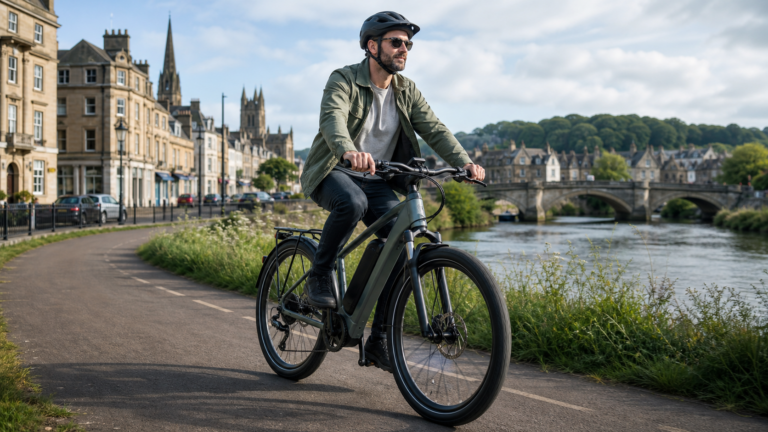
Electric assistance does not fundamentally change the purpose of a bicycle. Instead, it can make certain journeys easier and expand the range of situations in which cycling is practical.
1. Easier Everyday Commuting
Commuting often combines hills, traffic lights, headwinds and repeated acceleration.
Motor assistance can reduce the effort needed during these demanding parts of a journey. Riders can adjust assistance according to route conditions and personal preference.
For some commuters, that can make cycling a more realistic transportation option.
2. Better Support on Hills
Climbing is where electrical assistance often becomes most noticeable.
The motor supplements rider effort, reducing the physical demand of ascending a hill. Actual climbing performance depends on motor characteristics, gearing, bicycle weight, rider weight and gradient.
Frequent hill riders should test a prospective bike on representative terrain whenever possible.
3. Longer Practical Journeys
Electric assistance may help riders cover distances they would find challenging on a traditional bicycle.
That does not mean an e bike has unlimited range.
Battery capacity, terrain, weather and assistance settings ultimately determine how far electrical support remains available.
4. Adjustable Riding Effort
Most e bikes provide several assistance modes.
Lower assistance lets the rider perform more of the work. Higher settings provide stronger support during demanding conditions.
This flexibility is useful when a single bicycle serves both recreational and transportation purposes.
5. Useful Cargo Capability
Electric cargo bicycles can carry substantially more than ordinary bikes when designed for the purpose.
Motor assistance makes additional weight easier to move, particularly during acceleration and climbing.
Cargo and passenger loads must remain within manufacturer specifications. Braking, tyre pressure and weight distribution become particularly important with heavy loads.
6. Efficient Personal Transportation
An e bike uses a relatively small battery and moves significantly less total mass than a car.
This makes it an energy efficient form of powered transportation for suitable journeys.
Overall environmental impacts still depend on manufacturing, electricity generation, product lifespan and the mode of transportation being replaced.
7. Multiple Bike Styles
Electrical assistance is no longer limited to city bicycles.
Consumers can choose from mountain, road, hybrid, commuter, folding and cargo designs.
This makes it easier to match the bicycle to the rider instead of adapting one generic design to every situation.
8. Practical Stop and Start Riding
Accelerating repeatedly from stationary can require significant effort on a traditional bicycle.
Electrical assistance can make frequent starts easier. This can be particularly noticeable during urban riding with intersections and traffic controls.
Riders still need appropriate observation, braking and traffic awareness.
9. Flexible Recreational Cycling
E bikes can help groups of riders with different fitness levels ride together more comfortably.
Assistance can be increased when conditions become difficult and reduced when the rider wants more physical effort.
Battery condition and route planning should still be considered on longer recreational rides.
Electric Bikes by Type
Choosing the right category before comparing individual models makes the buying process much easier.
Electric Commuter Bikes
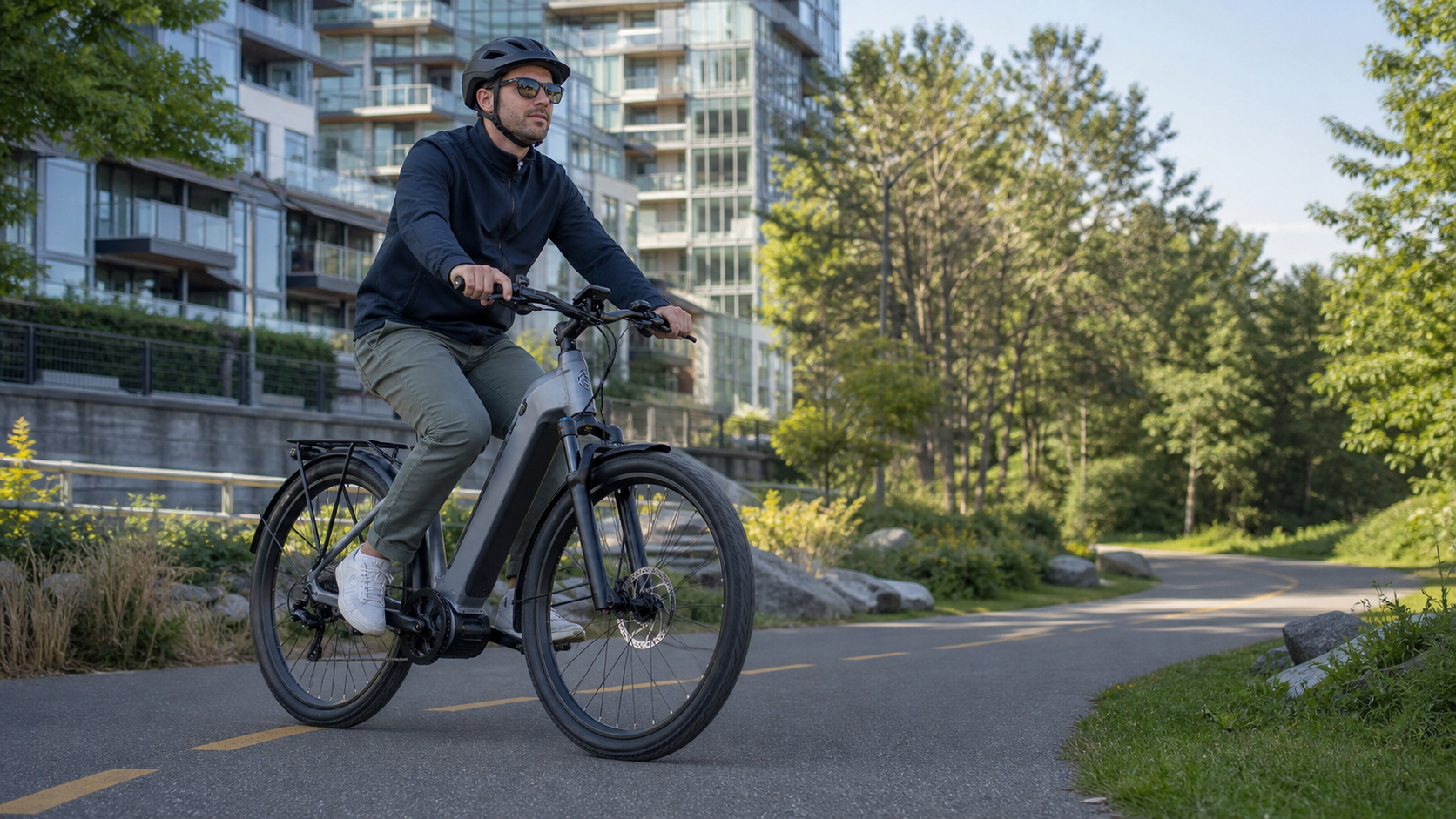
Commuter models prioritize practical transportation.
Useful equipment can include integrated lights, mudguards, luggage racks and durable tyres.
An upright or moderately forward riding position can also provide a balance of comfort and control.
Electric Hybrid Bikes
Hybrid bicycles combine features suited to urban roads, cycle paths and light recreational use.
They are a practical option for riders who want one e bike for several types of everyday journey.
Tyres, suspension and frame geometry differ between models, so a test ride remains valuable.
Folding Electric Bikes
Folding e bikes can solve storage and transportation problems.
They are particularly attractive to apartment residents and riders combining cycling with other transportation.
Choosing Folding Electric Bikes for Daily Travel
Pay close attention to total weight.
A bicycle that folds into a compact package can still be difficult to carry if its motor, battery and frame make it heavy.
Check the folded dimensions as well as the manufacturer’s recommended folding procedure.
Electric Mountain Bikes
Electric mountain bikes are designed for suitable off road terrain.
They typically combine capable brakes, wide tyres and suspension with a motor system optimized for changing gradients.
Access regulations vary between trail networks, parks and jurisdictions, so riders should verify where powered bicycles are permitted.
Electric Cargo Bikes
Cargo models use frames designed to carry larger loads.
Longtail bicycles extend cargo capacity behind the rider, while other designs position large carrying areas toward the front.
Some are designed to transport children using manufacturer approved seats and accessories.
Never exceed stated load capacities.
Electric Bike Motors Explained
Motor specifications can look impressive on a product page, but headline power figures tell only part of the story.
Motor location and control design strongly influence the riding experience.
Hub Motors
A hub motor is integrated into the front or rear wheel.
Rear hub motors are common on commuter and relatively affordable e bikes. Because they power the wheel directly, their operation is mechanically distinct from mid drive systems.
Quality varies considerably between individual products.
Mid Drive Motors
A mid drive motor is installed around the crank area.
It transfers power through the bicycle drivetrain, allowing the motor to work with the available gears.
This arrangement is popular on mountain, cargo, trekking and premium commuter bicycles.
Chains and drivetrain components should be maintained appropriately because they transfer both rider and motor forces.
Torque Versus Cadence Sensors
Cadence sensors identify pedal rotation. Torque sensors measure how much force the rider applies.
Torque sensing systems can provide assistance proportionally to rider effort, which many riders find natural.
However, software tuning also affects responsiveness.
Choosing Electric Bikes by Motor Type
Urban riders on relatively flat routes may find a quality hub system sufficient.
Regular climbing, demanding terrain or heavy cargo may make mid drive systems attractive.
The best comparison is a real test ride because specifications cannot fully describe how assistance feels.
Understanding E Bike Batteries
The battery influences range, price, weight and long term ownership costs.
Battery Capacity Explained
E bike battery capacity is usually stated in watt hours, abbreviated Wh.
Watt hours describe stored electrical energy. In general, greater capacity provides more energy for the motor, but it does not guarantee a particular distance.
A larger battery can also add cost and weight.
What Determines Electric Bike Range?
Real world range is affected by:
• Battery capacity
• Battery condition
• Assistance level
• Rider and cargo weight
• Terrain and gradients
• Wind
• Temperature
• Tyre pressure
• Riding speed
• Acceleration frequency
• Motor efficiency
For this reason, advertised maximum range should be interpreted in the context of the manufacturer’s stated test conditions.
How Much Battery Range Do You Need?
Start with the distance you actually travel.
Calculate a normal round trip and consider whether charging is available at the destination. Include reasonable reserve capacity for hills, weather and gradual battery ageing.
Buying excessive capacity can add unnecessary weight and expense if your typical journeys are short.
Battery Care for Electric Bikes
Follow the battery manufacturer’s charging and storage instructions.
Use the approved compatible charger and inspect batteries for significant physical damage or other abnormalities.
Lithium ion battery packs contain substantial stored energy. Do not open, modify or attempt unqualified internal battery repairs.
Electric Bikes and Battery Safety
Battery safety deserves particular attention because poor quality equipment, physical damage or incompatible chargers can create significant risks.
Use Compatible Charging Equipment
Use the charger specified or approved for the battery system.
A connector that physically fits does not prove electrical compatibility.
Follow manufacturer instructions regarding charging location, temperature and supervision.
Inspect the Battery
Stop using a battery that shows serious damage, swelling, unusual overheating, smoke or other signs of failure.
Follow manufacturer and local authority guidance for handling and disposal.
Do not place lithium ion batteries into ordinary waste where local regulations require specialized recycling or disposal.
Buy From Traceable Sellers
Look for clear manufacturer information, product documentation, warranty terms and replacement part availability.
Be cautious about products that provide little information regarding battery origin, electrical specifications or after sales support.
How Much Do Electric Bikes Cost?
E bike pricing covers an enormous range.
Motor and battery systems account for part of the difference, but frame construction, brakes, gears, suspension and accessories also matter.
What Influences E Bike Price?
Important price variables include:
• Battery capacity
• Motor system
• Frame materials
• Brake components
• Drivetrain quality
• Suspension
• Integrated accessories
• Warranty
• Dealer support
Paying more does not automatically guarantee suitability.
A moderately priced bicycle that fits properly and has accessible replacement parts may provide greater practical value than a more expensive but poorly supported model.
Think About Long Term Costs
Purchase price is only the beginning.
Tyres, brake pads, chains and other bicycle parts eventually wear out. Batteries also lose usable capacity as they age.
Before buying, check the availability and current cost of a compatible replacement battery.
How to Choose the Best Electric Bikes
Successful e bike shopping starts with intended use rather than maximum specifications.
Determine Your Primary Journey
Consider whether the bicycle will primarily handle commuting, recreation, off road riding or cargo transportation.
Then assess typical distance and terrain.
This immediately eliminates categories that are unsuitable for your needs.
Choose the Right Frame Size
Electrical assistance cannot compensate for poor bicycle fit.
Check manufacturer sizing information and test ride the bike where possible.
Pay attention to reach, handlebar position, saddle adjustment and ease of mounting.
Check Bicycle Weight
Electric bicycles generally weigh more than comparable traditional bikes.
Weight becomes especially important when carrying the bicycle upstairs, placing it on a vehicle rack or maneuvering without motor assistance.
Check whether your bike carrier is approved for the bicycle’s weight.
Test Riding Electric Bikes Before Buying
During a test ride, assess how smoothly the assistance begins and ends.
Try different support levels and use all major controls.
Check braking, shifting, handling and comfort. If your normal route contains hills, include a gradient in the test wherever practical.
Brakes, Tyres and Essential Components
The electrical system attracts attention, but fundamental bicycle components remain critical.
E Bike Brakes
Dependable brakes are essential because e bikes can be relatively heavy.
Disc brakes are common across the category. Hydraulic disc systems are frequently used on midrange and premium products.
Brake type alone does not determine quality. Rotor size, components, maintenance and setup also influence braking performance.
Tyre Selection
Tyres affect grip, comfort, rolling resistance and puncture resistance.
Commuters may value durable puncture resistant designs. Mountain riders require tread appropriate for their terrain.
Use tyre pressures compatible with the bicycle, tyres and load.
Gearing
Gearing remains important even with motor assistance.
Appropriate gears help riders and motors operate effectively on different gradients.
Learning to shift before a steep climb can improve control and reduce unnecessary drivetrain strain.
Maintaining Electric Bikes
Good maintenance supports reliability and safe operation.
Keep the Drivetrain Clean
Chains and gears collect dirt during normal riding.
Clean and lubricate the drivetrain using suitable bicycle products and methods.
Avoid contaminating brake rotors or pads with lubricants.
Check Tyres and Brakes
Inspect tyre pressure and visible condition regularly.
Monitor brake wear according to manufacturer recommendations.
Heavy riders, cargo users and frequent hill riders may experience different wear rates from casual recreational users.
Maintain Electrical Components Properly
Do not modify electrical connectors or software unless the manufacturer explicitly supports the change.
Some drive systems may receive firmware updates or professional diagnostic checks.
Professional Servicing for Electric Bikes
Mechanical bicycle maintenance can often be performed by qualified bicycle technicians.
Motor, battery and electronic diagnostics may require specific tools or manufacturer authorization.
Checking local support before purchasing can prevent difficulties later.
New Versus Used Electric Bikes
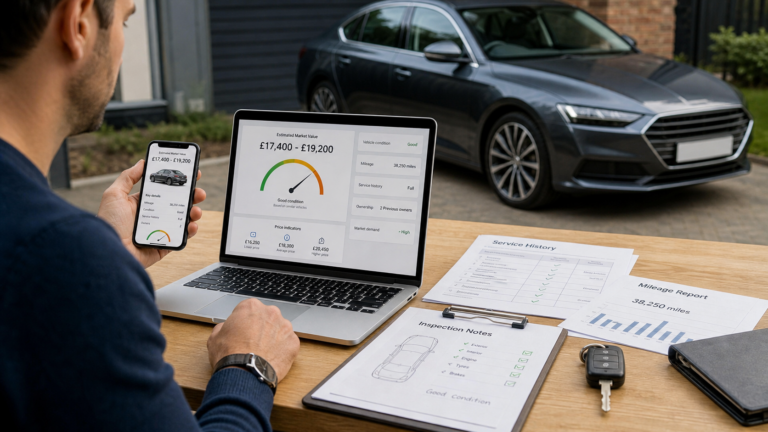
A used e bike can reduce initial cost, but battery condition deserves close attention.
Inspect Battery Age and Condition
Ask when the battery was purchased and whether diagnostic information is available for that system.
Age alone does not precisely determine remaining capacity because treatment and usage also matter.
Include potential replacement cost when evaluating a used bicycle.
Check Mechanical Components
Inspect tyres, wheels, brakes, drivetrain and frame.
Test the electrical assistance through all available modes.
Confirm that the correct charger and keys, where applicable, are included.
Buying Used Electric Bikes Safely
Check frame identification details and take reasonable measures to verify legitimate ownership.
Confirm that important replacement parts remain obtainable.
An inexpensive secondhand bicycle can become costly if its proprietary battery or control system is obsolete.
Common Electric Bike Buying Mistakes
Some mistakes result from placing too much emphasis on specifications.
Buying Based Only on Motor Power
Motor output alone does not define climbing performance or ride quality.
Legal limits can also apply.
Evaluate the complete drive system instead.
Ignoring Battery Replacement Cost
The battery is a consumable component with finite useful life.
A low purchase price can become less attractive if replacement batteries are unavailable or disproportionately expensive.
Overlooking Service Support
Proprietary electronic components may require specialized diagnostics.
Check which local workshops support the system before purchase.
Modifying Electric Bikes for More Speed
Unauthorized electrical or software modifications can create safety, reliability, warranty and legal problems.
Increasing assisted speed can also change the vehicle’s legal classification in some jurisdictions.
Use the bicycle within manufacturer specifications and applicable local regulations.
Electric Bikes Versus Traditional Bicycles
A conventional bicycle offers simplicity, lower weight and generally lower purchase cost.
An e bike provides adjustable assistance but adds electrical components, battery weight and additional maintenance considerations.
Neither format is ideal for everyone.
A person making short, flat recreational journeys may prefer a traditional bicycle. Someone facing hills, cargo loads or a demanding commute may place greater value on electrical assistance.
The best choice depends on how the bicycle will actually be used.
Frequently Asked Questions
How do electric bikes work?
Electric bikes use a battery powered motor and sensors to supplement rider effort. Assistance behavior depends on the drive system and selected support level.
How far can electric bikes travel?
Range varies according to battery capacity, terrain, rider weight, assistance level, temperature, wind, tyres and riding style, so no single distance applies universally.
How fast do electric bikes go?
Maximum assisted speed depends on the bicycle and local regulations. Riders should verify legal limits through the relevant transportation authority.
Do electric bikes need regular maintenance?
Yes. Tyres, brakes, chains, gears and other mechanical components require maintenance, while electrical systems should be inspected and serviced according to manufacturer guidance.
Are electric bike batteries safe?
Quality batteries used with compatible chargers and maintained according to manufacturer instructions are designed with safety systems, but damaged or unsuitable lithium ion equipment can present hazards.
Are electric bikes worth buying?
They can offer strong practical value for riders who benefit from assistance on commutes, hills, longer trips or cargo journeys. Suitability depends on individual needs and total ownership cost.
Conclusion
Electric bikes can make commuting, hills, cargo transportation and recreational cycling more accessible by adding controlled motor assistance to a conventional bicycle platform. Choosing the right model requires attention to local laws, frame fit, battery capacity, motor design, brakes, weight and long term service support. Compare real world requirements rather than chasing maximum specifications, and test ride before purchasing whenever possible. A well selected and properly maintained e bike can provide practical, efficient transportation for a wide range of everyday journeys.