
Women’s Health Concerns a Gynaecologist Can Help Diagnose and Manage
A gynaecologist is a medical specialist who diagnoses and manages conditions affecting the female reproductive system, including the uterus, ovaries, fallopian tubes, cervix, vagina and vulva. Gynaecological care can cover menstrual problems, pelvic pain, infections, fibroids, endometriosis, contraception, fertility concerns, menopause and abnormal cervical or uterine findings.
Some symptoms are common, but common does not necessarily mean they should be ignored. Persistent pelvic pain, unusually heavy menstrual bleeding, bleeding after menopause, recurring infections or changes in a familiar menstrual pattern may warrant medical assessment. A gynaecologist can determine whether symptoms represent a normal variation, a condition requiring treatment or a problem that needs further investigation.
What Does a Gynaecologist Do?
A gynaecologist specializes in reproductive and gynaecological health across different stages of life.
Patients may consult a gynaecologist because they have symptoms, require preventive care, need contraception, are concerned about fertility or are going through perimenopause and menopause.
Depending on training and healthcare system, some doctors practice both obstetrics and gynaecology. Obstetrics primarily relates to pregnancy and childbirth, while gynaecology focuses more broadly on the reproductive system outside and alongside pregnancy-related care.
A gynaecologist may provide medical treatment, perform diagnostic procedures, offer preventive screening and, where appropriately trained, carry out surgery.
Areas Commonly Covered by Gynaecological Care
Problems managed within gynaecology commonly include:
- Abnormal menstrual bleeding
- Painful periods
- Pelvic pain
- Endometriosis
- Uterine fibroids
- Ovarian cysts
- Polycystic ovary syndrome
- Vaginal and vulval conditions
- Some sexually transmitted infections
- Contraception
- Fertility concerns
- Cervical abnormalities
- Menopause symptoms
- Pelvic organ prolapse
- Selected urinary symptoms
- Gynaecological cancers and precancerous conditions
Not every patient needs specialist treatment. Primary care clinicians can manage many women’s health concerns and refer to a gynaecologist when specialist evaluation is appropriate.
Abnormal Menstrual Bleeding
Periods vary considerably among individuals, which means there is no single pattern that is normal for everyone.
What matters is whether bleeding has become unusually heavy, prolonged, frequent, irregular or different from a person’s established pattern.
A gynaecologist can assess abnormal uterine bleeding and investigate potential causes.
These can range from hormonal or ovulatory changes to fibroids, polyps, medications, pregnancy-related conditions, bleeding disorders and abnormalities involving the lining of the uterus.
Heavy Periods Can Affect Daily Life
Heavy menstrual bleeding can interfere with work, sleep, exercise and normal activities.
Significant blood loss may also contribute to iron deficiency and anaemia in some patients.
Symptoms such as unusual fatigue, weakness, shortness of breath or paleness alongside heavy bleeding deserve medical attention.
A gynaecologist may recommend blood tests or other investigations depending on the symptoms and clinical history.
Bleeding Between Periods Should Be Assessed
Occasional spotting can have several explanations, including hormonal contraception.
Persistent or unexplained bleeding between periods warrants assessment, particularly when it is new.
The appropriate investigation depends on age, pregnancy possibility, medications, contraceptive use and other risk factors.
Painful Periods
Menstrual cramps are common, but severe period pain should not automatically be accepted as unavoidable.
Pain that prevents normal activity, repeatedly causes absence from work or school, becomes progressively worse or does not respond adequately to appropriate treatment may require investigation.
A gynaecologist can consider whether painful periods represent primary dysmenorrhoea or are related to another condition.
Endometriosis, adenomyosis and fibroids are among the potential secondary causes.
Keep a Menstrual Symptom Record
A record can help a gynaecologist understand patterns that may be difficult to remember during an appointment.
Useful information includes when bleeding begins, approximate duration, pain severity, bleeding changes, associated bowel or bladder symptoms and medication use.
Tracking is not intended to replace medical assessment when symptoms are severe or urgent.
Endometriosis
Endometriosis is a chronic condition in which tissue similar to the lining of the uterus grows outside the uterus.
Symptoms can vary substantially.
Some patients experience severe pelvic or menstrual pain, while others have relatively limited symptoms. Endometriosis can also be associated with pain during sex, bowel or bladder symptoms and fertility difficulties.
A gynaecologist can assess symptoms and discuss appropriate investigations and management.
Endometriosis Diagnosis Can Require Several Steps
No single symptom proves endometriosis.
Clinical history, examination, imaging and, in selected circumstances, surgical evaluation may contribute to diagnosis.
A normal scan does not necessarily exclude every form of endometriosis.
A gynaecologist will interpret imaging in the context of the broader clinical picture.
Endometriosis Treatment Is Individualized
Management may involve pain relief, hormonal treatment, surgery or combinations of approaches.
The appropriate strategy can depend on symptom severity, disease characteristics, fertility goals, previous treatment, age and personal preference.
Patients should discuss the likely benefits, limitations and risks of available options with their gynaecologist.
Uterine Fibroids
Fibroids are noncancerous growths arising from the muscle of the uterus.
They are common and do not always produce symptoms.
When symptoms occur, they may include heavy menstrual bleeding, pelvic pressure, abdominal fullness, urinary frequency, pain or reproductive concerns, depending partly on the number, size and location of the fibroids.
A gynaecologist can evaluate whether fibroids are likely to explain a patient’s symptoms.
Not Every Fibroid Needs Treatment
A fibroid discovered incidentally does not automatically need removal.
Management may range from observation to medication, minimally invasive procedures or surgery.
The best approach depends on symptoms, fibroid characteristics, future pregnancy plans and overall health.
A gynaecologist can explain why one option may be more appropriate than another in a particular case.
Polycystic Ovary Syndrome

Polycystic ovary syndrome, commonly abbreviated as PCOS, is a hormonal and metabolic condition that can affect ovulation.
Possible features include irregular or absent periods, signs of androgen excess such as increased facial or body hair, acne and difficulties with ovulation.
The condition is more complex than simply having ovarian cysts.
A gynaecologist may assess menstrual and reproductive concerns associated with PCOS, sometimes alongside primary care physicians or endocrinologists.
PCOS Is Not Diagnosed From Symptoms Alone
Other medical conditions can produce overlapping symptoms.
Assessment may involve medical history, examination, blood tests and, in some circumstances, ultrasound. Diagnostic criteria vary with age and clinical context.
A gynaecologist can also discuss longer-term considerations associated with infrequent periods and metabolic health.
Treatment Depends on the Patient’s Goals
Someone seeking pregnancy may need a different management strategy from someone primarily concerned about irregular bleeding or androgen-related symptoms.
Lifestyle measures, hormonal treatment, fertility treatment and other medications may be considered depending on individual needs.
No single PCOS treatment is appropriate for every patient.
Ovarian Cysts
An ovarian cyst is a fluid-containing or otherwise cystic structure associated with an ovary.
Many ovarian cysts, particularly in people who have not reached menopause, are benign and may resolve without intervention.
Others require monitoring or treatment based on their appearance, size, persistence, symptoms and the patient’s age or menopausal status.
A gynaecologist can interpret cyst findings in the appropriate clinical context.
Sudden Severe Pelvic Pain Requires Attention
Acute severe pelvic or lower abdominal pain can have many causes.
Ovarian torsion, cyst rupture, ectopic pregnancy and non-gynaecological conditions are among possibilities that may require urgent assessment.
Do not wait for a routine gynaecologist appointment if pain is sudden and severe, particularly when accompanied by fainting, significant bleeding, fever, persistent vomiting or severe weakness.
Pelvic Pain
Pelvic pain can be acute, recurring or chronic.
It may arise from reproductive organs, but gastrointestinal, urinary, musculoskeletal and neurological conditions can produce symptoms in the same region.
This overlap makes self-diagnosis difficult.
A gynaecologist can investigate potential reproductive causes and determine whether another specialist should be involved.
Pain During Sex
Pain during or after sexual activity can have physical causes including vaginal dryness, infection, pelvic floor problems, endometriosis and other gynaecological conditions.
Emotional and psychological factors can also interact with pain.
Persistent or recurrent pain deserves respectful medical evaluation.
A gynaecologist can assess likely causes without assuming that pain during sex is normal or purely psychological.
Vaginal Infections and Discharge
Normal vaginal discharge varies with the menstrual cycle, hormonal state and individual physiology.
A noticeable change in colour, odour, amount or consistency, particularly when associated with itching, burning, pain or bleeding, can justify medical evaluation.
Yeast infections and bacterial vaginosis are common possibilities, but symptoms can overlap with sexually transmitted infections and other conditions.
A gynaecologist can arrange appropriate testing where necessary.
Avoid Repeated Self-Treatment Without a Diagnosis
Patients sometimes repeatedly purchase antifungal treatments whenever itching or discharge appears.
This can delay diagnosis when the actual cause is different.
Recurring symptoms warrant evaluation rather than an assumption that each episode has the same cause.
A gynaecologist may recommend examination or laboratory testing before further treatment.
Sexually Transmitted Infections

Sexually transmitted infections can produce discharge, pelvic discomfort, sores, urinary symptoms or bleeding, but some cause no obvious symptoms.
Screening recommendations depend on age, sexual history, risk factors, pregnancy and local medical guidance.
A gynaecologist can discuss appropriate testing confidentially.
Primary care and sexual health clinics can also provide STI screening and treatment.
Partners May Also Need Testing
Depending on the diagnosed infection, sexual partners may require testing or treatment.
Patients should follow clinician advice regarding sexual activity, treatment completion and retesting.
Untreated infections can sometimes lead to complications, making accurate diagnosis preferable to treating symptoms without testing.
Pelvic Inflammatory Disease
Pelvic inflammatory disease is an infection involving the upper female reproductive tract.
It can be associated with lower abdominal or pelvic pain, unusual vaginal discharge, pain during sex, bleeding abnormalities, fever or other symptoms.
Clinical presentation varies.
Prompt medical treatment can be important because untreated infection may lead to complications.
A gynaecologist or another appropriate clinician can diagnose and manage suspected pelvic inflammatory disease.
Severe Illness Requires Prompt Care
High fever, severe pelvic pain, vomiting, pregnancy, fainting or significant deterioration requires timely medical assessment.
Depending on symptoms, emergency services may be more appropriate than waiting for a scheduled gynaecologist appointment.
Contraception and Family Planning
Choosing contraception involves more than selecting the most popular method.
Options differ in effectiveness, duration, side effects, contraindications, convenience, effect on menstrual bleeding and whether they require a procedure.
A gynaecologist can discuss suitable methods based on medical history and individual priorities.
Options may include hormonal and non-hormonal approaches.
Contraception Can Have Non-Contraceptive Uses
Some hormonal methods may also be prescribed to manage heavy or painful periods, endometriosis-related symptoms or other gynaecological concerns.
The risks and benefits vary by method and patient.
A gynaecologist can explain whether a particular option is appropriate when contraception and symptom management are both goals.
Fertility Concerns

Fertility depends on several factors involving both partners, where applicable.
A gynaecologist may initially evaluate ovulation, menstrual history, reproductive anatomy and relevant medical conditions.
Depending on findings and circumstances, referral to a fertility specialist may be appropriate.
Age Can Influence Fertility Evaluation
Fertility changes with age, particularly reproductive age.
How long a person or couple should try before seeking medical assessment depends partly on age, menstrual regularity, medical history and known reproductive conditions.
Someone with very irregular periods, previous pelvic disease or another known fertility concern may be advised to seek assessment earlier.
A gynaecologist can provide advice based on the individual’s circumstances rather than a universal timeline.
Cervical Screening and Abnormal Results
Cervical screening is intended to identify changes that could indicate increased risk of cervical cancer before symptoms develop.
The exact screening test and recommended interval depend on age and national guidelines.
Patients should follow the screening programme applicable where they live.
A gynaecologist can evaluate abnormal screening results and may perform procedures such as colposcopy where indicated.
An Abnormal Screening Result Does Not Automatically Mean Cancer
Abnormal cervical screening findings can represent several degrees of cellular change or human papillomavirus-related risk.
Further assessment determines the significance.
Patients should attend recommended follow-up rather than assuming either the worst or that an abnormal result can safely be ignored.
Human Papillomavirus
Human papillomavirus, or HPV, is a very common group of viruses.
Certain HPV types are associated with cervical and other cancers, while other types can cause genital warts.
Many infections clear without causing serious disease.
A gynaecologist can explain HPV test results within the context of cervical screening and determine whether additional follow-up is needed.
Vaccination can reduce the risk associated with important HPV types but does not eliminate the need for screening according to applicable guidelines.
Menopause and Perimenopause
Menopause is a normal life stage, but symptoms can significantly affect quality of life.
Perimenopause may involve changes in menstrual cycles, hot flushes, night sweats, sleep problems, mood changes, vaginal dryness and other symptoms.
A gynaecologist can help determine whether symptoms are consistent with the menopausal transition and discuss management options.
Hormone Therapy Requires Individual Assessment
Menopausal hormone therapy can be effective for certain symptoms, but suitability depends on individual medical history, symptoms, age, timing and risk factors.
It is not appropriate to label hormone therapy universally safe or unsafe.
A gynaecologist can discuss expected benefits, relevant risks and non-hormonal alternatives.
Vaginal Dryness and Genitourinary Symptoms

Lower oestrogen levels around and after menopause can contribute to vaginal dryness, irritation, discomfort during sex and some urinary symptoms.
Collectively, these can form part of genitourinary syndrome of menopause.
Effective treatments are available.
A gynaecologist can distinguish menopausal changes from infections, skin conditions or other causes and recommend appropriate treatment.
Pelvic Organ Prolapse
Pelvic organ prolapse occurs when pelvic structures descend because supporting tissues and muscles are weakened or stretched.
Symptoms can include vaginal pressure, a sensation of something coming down, urinary or bowel difficulties and discomfort.
Severity varies considerably.
A gynaecologist, sometimes with subspecialty expertise in urogynaecology, can assess prolapse and discuss management.
Surgery Is Not the Only Option
Treatment may include observation, pelvic floor rehabilitation, pessary use or surgery depending on symptoms and individual circumstances.
The presence of prolapse does not automatically mean an operation is necessary.
A gynaecologist can help determine which approach fits the patient’s goals and symptom burden.
Urinary Symptoms Can Overlap With Gynaecological Problems
Urinary leakage, urgency, recurrent urinary symptoms and pelvic pressure can overlap with gynaecological concerns.
Some patients may benefit from assessment by a urogynaecologist, urologist, pelvic floor physiotherapist or another clinician.
A gynaecologist can often help determine an appropriate starting point.
Burning urination, fever, flank pain or blood in the urine can require investigation for urinary tract causes and should not automatically be attributed to a gynaecological condition.
Vulval Skin Conditions
Persistent vulval itching, soreness, skin colour changes, lesions or irritation should not always be assumed to represent thrush.
Several inflammatory, dermatological, infectious and other conditions can affect the vulva.
Some require specific treatment or monitoring.
A gynaecologist may assess vulval symptoms and, when appropriate, coordinate care with dermatology or another specialty.
Persistent ulcers, unexplained lumps or significant skin changes should be medically evaluated.
Gynaecological Cancers
Gynaecological cancers include cancers arising in areas such as the cervix, uterus, ovaries, vulva and vagina.
Symptoms vary and may overlap with benign conditions.
This is why concerning changes should be investigated without assuming they represent cancer.
A gynaecologist may initiate investigations, while a gynaecological oncologist generally manages confirmed or strongly suspected cancers requiring specialist cancer care.
Warning Signs Worth Discussing With a Doctor
Potential warning signs include:
- Bleeding after menopause
- Persistent unexplained abdominal or pelvic swelling
- Persistent pelvic pain
- Unexplained vaginal bleeding
- Unusual persistent discharge
- Persistent vulval changes
- Feeling full unusually quickly with ongoing abdominal symptoms
- A persistent pelvic mass
These symptoms have many possible causes. Their presence does not establish a cancer diagnosis.
Bleeding After Menopause
Bleeding after menopause requires medical assessment.
Benign conditions can cause postmenopausal bleeding, but endometrial and other abnormalities need to be excluded.
A gynaecologist may use clinical examination, ultrasound or other investigations depending on the situation.
Do not delay evaluation because bleeding happened only once or was relatively light.
What Happens During a Gynaecologist Appointment?
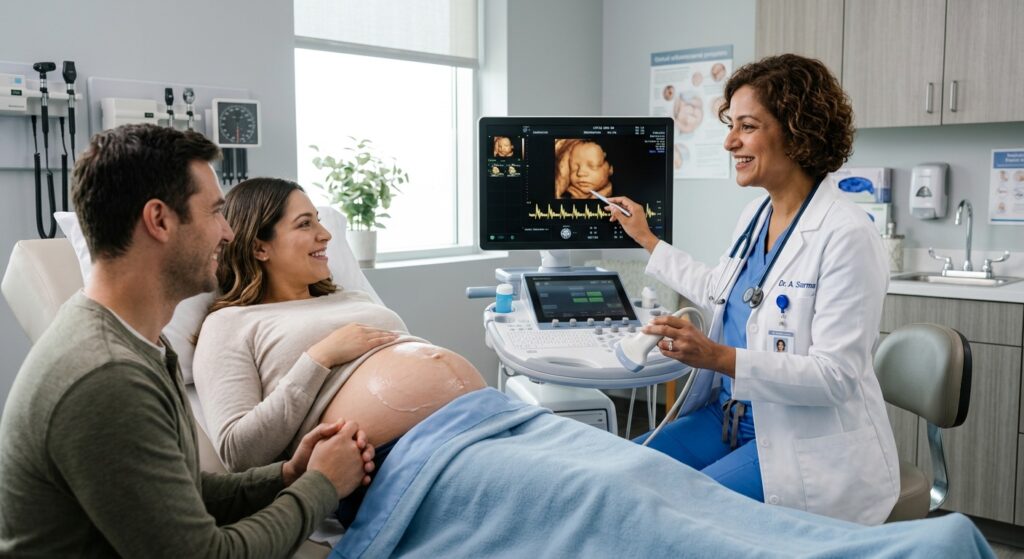
A first consultation often begins with discussion.
The gynaecologist may ask about symptoms, menstrual history, pregnancies, contraception, sexual health where relevant, previous surgery, medications and family history.
Physical examination is performed only when clinically relevant and with appropriate consent.
Depending on symptoms, this may include abdominal, pelvic or other examinations.
You Can Ask About the Examination
Patients can ask why an examination is recommended, what it involves and whether alternatives exist.
Consent remains important throughout medical care.
A chaperone may be available or recommended according to clinic policy and local professional standards for intimate examinations.
Communicating concerns beforehand can make the appointment easier.
Tests a Gynaecologist May Recommend
Testing is individualized and should relate to the clinical question.
Depending on symptoms, investigations may include blood tests, pregnancy testing, infection testing, cervical screening, ultrasound, colposcopy, hysteroscopy or tissue sampling.
Not every patient requires all these tests.
A gynaecologist should explain why an investigation is recommended and how its result may affect management.
Ultrasound Does Not Diagnose Everything
Pelvic ultrasound is valuable for assessing many uterine and ovarian conditions, but it has limitations.
Some diseases may not be visible on a routine scan, and incidental findings do not always explain symptoms.
Results should be interpreted alongside history, examination and other relevant findings.
When Should You See a Gynaecologist?
A gynaecologist may be appropriate when reproductive or pelvic symptoms are persistent, recurrent, unusual or disruptive.
Medical review is especially useful when symptoms change from your normal pattern or do not improve with appropriate initial treatment.
Consider seeking assessment for:
- Very heavy or prolonged periods
- Bleeding between periods
- Bleeding after menopause
- Severe menstrual pain
- Persistent pelvic pain
- Recurrent vaginal symptoms
- Pain during sex
- Fertility concerns
- Persistent menstrual irregularity
- Contraceptive concerns
- Menopause symptoms affecting quality of life
- Pelvic pressure or prolapse symptoms
- Abnormal cervical screening results
- Persistent vulval changes
A primary care clinician can also help determine whether specialist referral is necessary.
When Symptoms Need Urgent Medical Attention
Some symptoms should not wait for a standard gynaecologist appointment.
Severe sudden pelvic or abdominal pain, heavy bleeding causing faintness or significant weakness, suspected ectopic pregnancy, severe symptoms during pregnancy, loss of consciousness, rapidly worsening infection or other acute deterioration requires urgent evaluation.
Emergency care may be the appropriate first destination.
A gynaecologist can become involved after immediate risks have been assessed.
How to Prepare for a Gynaecologist Visit
A concise symptom history can make the appointment more productive.
Record when the problem started, whether it relates to your menstrual cycle, how often it occurs, and whether anything makes it better or worse.
Bring a medication list and relevant previous medical records if available.
Tell the gynaecologist about allergies, previous operations, significant family history and pregnancy possibility when relevant.
There is no need to diagnose yourself before attending.
Choosing the Right Gynaecologist
Different gynaecologists may have particular clinical interests.
A routine menstrual problem may not require the same expertise as complex endometriosis, infertility, pelvic floor disorders or gynaecological cancer.
When choosing a gynaecologist, consider professional qualifications, registration, relevant experience, hospital access where needed, communication, cost and insurance arrangements.
For complex conditions, asking whether the doctor regularly manages that problem can be useful.
Communication Is Part of Good Care
Women’s health discussions can involve intimate symptoms, fertility, sexual health, pregnancy loss or menopause.
Patients should be able to ask questions and understand the proposed diagnosis and treatment.
A gynaecologist should explain reasonable options, relevant benefits and risks, and circumstances that require follow-up.
Preventive Care Still Matters Without Symptoms
Gynaecological healthcare is not limited to treating illness.
Age-appropriate cervical screening, contraception counselling, HPV vaccination where applicable, reproductive planning and menopause-related health discussions can form part of preventive care.
Recommendations vary by country, age and medical history.
A gynaecologist or primary care clinician can advise which preventive services are appropriate rather than applying one screening schedule to everyone.
Why Symptoms Should Be Considered in Context
A symptom rarely provides a diagnosis by itself.
Heavy bleeding could have structural, hormonal, medication-related or pregnancy-related causes. Pelvic pain could originate from reproductive, urinary, gastrointestinal or musculoskeletal structures.
Effective gynaecological care therefore involves identifying patterns rather than treating one symptom in isolation.
A gynaecologist combines history, examination and targeted investigations to narrow the possibilities.
This approach reduces the risk of both unnecessary treatment and overlooked conditions.
FAQ’s
What conditions does a gynaecologist treat?
A gynaecologist manages conditions involving menstruation, pelvic pain, endometriosis, fibroids, ovarian problems, infections, contraception, fertility, menopause and other reproductive health concerns.
When should I visit a gynaecologist for period problems?
See a gynaecologist or another appropriate clinician when periods become unusually heavy, prolonged, painful, irregular or markedly different from your normal pattern.
Can a gynaecologist diagnose endometriosis?
Yes. A gynaecologist can assess symptoms and arrange appropriate investigations. Diagnosis may involve clinical assessment, imaging and, in selected situations, surgical evaluation.
Can a gynaecologist help with fertility problems?
Yes. A gynaecologist can perform an initial fertility assessment and manage some causes, while more complex cases may require a reproductive medicine or fertility specialist.
Should I see a gynaecologist after menopause?
Gynaecological care can remain important after menopause. Symptoms such as postmenopausal bleeding, pelvic problems, vulval changes or troublesome menopausal symptoms deserve appropriate assessment.
Is bleeding after menopause normal?
Postmenopausal bleeding should be medically evaluated even when it occurs only once. Benign explanations are possible, but important uterine or cervical conditions may need to be excluded.
Conclusion
A gynaecologist manages far more than menstrual problems. Gynaecological care can include pelvic pain, endometriosis, fibroids, ovarian cysts, PCOS, infections, contraception, fertility concerns, cervical abnormalities, pelvic floor disorders and menopause. Because many of these conditions produce overlapping symptoms, appropriate assessment is more reliable than attempting to identify the cause from symptoms alone.
Changes in bleeding, persistent pain, postmenopausal bleeding, recurrent vaginal or vulval symptoms and other unusual reproductive health changes should be discussed with an appropriate healthcare professional. A gynaecologist can determine which symptoms need investigation, explain available treatment options and arrange additional specialist care when necessary.