Hydrafacial: Benefits, Results, Cost and What to Expect
A Hydrafacial is a noninvasive facial treatment that combines cleansing, exfoliation, pore extraction and the application of hydrating serums using a specialized device. It is commonly chosen by people seeking temporary improvements in skin hydration, texture and overall appearance with little interruption to normal activities. Although the treatment is often marketed for many skin concerns, results vary, and choosing an appropriately trained provider is important for determining whether it suits your skin type, medical history and skincare goals.
Unlike a conventional facial performed primarily with manual techniques, this treatment uses a device with specialized tips and controlled suction. Depending on the treatment plan and provider, different solutions and serums can be applied during the procedure.
It is important to keep expectations realistic. A facial can improve the appearance and feel of the skin, but it is not a replacement for medical treatment of conditions such as severe acne, persistent rosacea, suspicious skin lesions or other dermatological disorders.
This guide explains how the treatment works, its potential benefits, possible side effects, aftercare and the questions worth asking before booking an appointment.
What Is a Hydrafacial?
Hydrafacial is a branded facial treatment performed using the company’s hydradermabrasion technology. The procedure combines several skincare steps within one treatment session.
Although protocols can vary, treatment commonly includes cleansing and exfoliation, gentle chemical resurfacing, suction assisted extraction and serum application.
The goal is to remove surface debris and dead skin cells while delivering topical ingredients selected for the client’s skincare objectives.
How Does the Treatment Work?
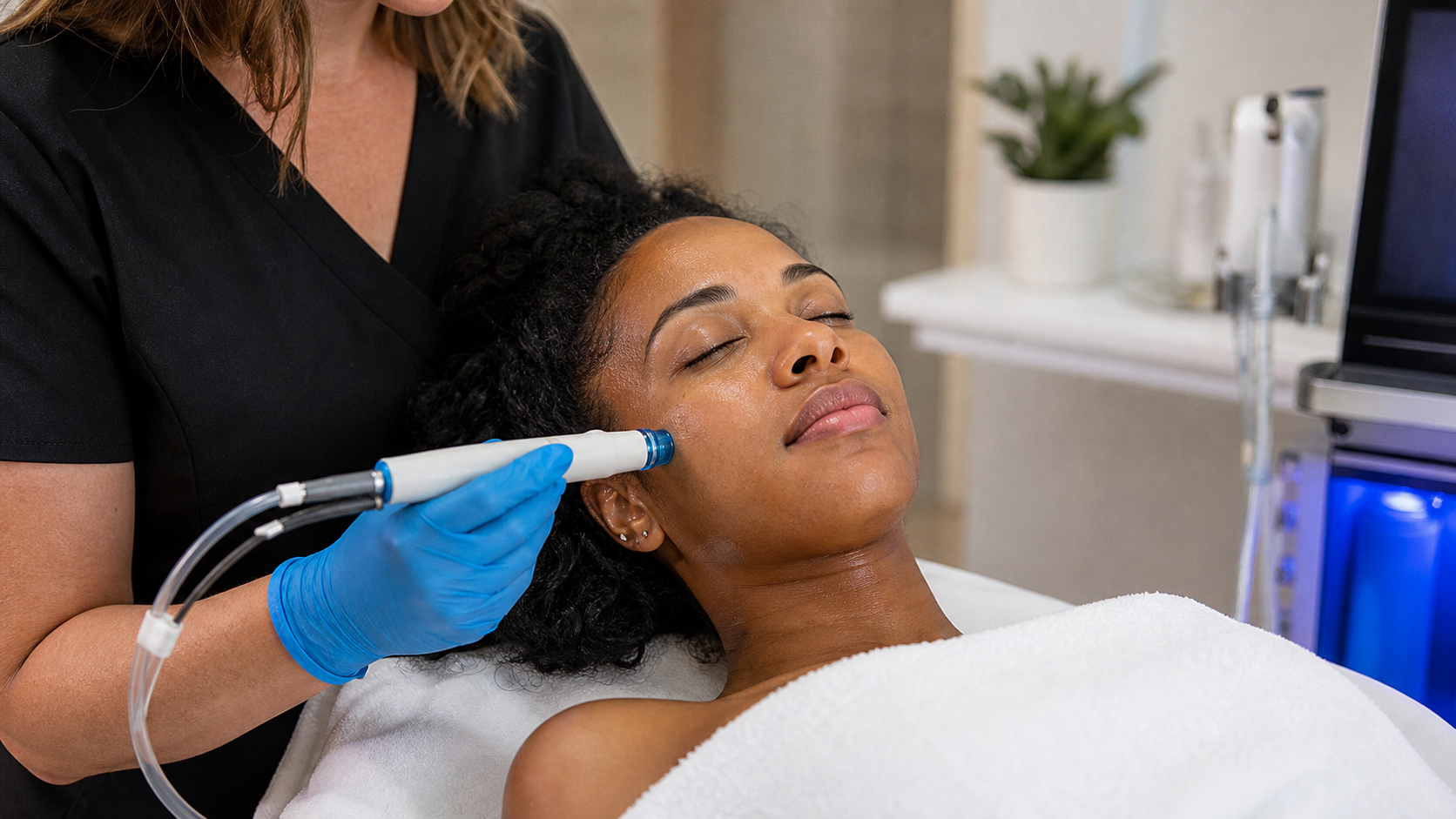
The procedure uses a handheld applicator connected to a treatment system. Specialized tips move across the skin while the device performs different parts of the facial.
Controlled suction can help remove loosened debris from pores. The device can also apply solutions containing skincare ingredients during different stages of the treatment.
This process differs from more aggressive skin resurfacing procedures because it is generally designed to work without intentionally creating substantial skin injury.
Is Hydradermabrasion the Same as Microdermabrasion?
No. Although both techniques exfoliate the skin, they work differently.
Traditional microdermabrasion commonly uses an abrasive diamond tip or fine crystals to mechanically remove superficial dead skin cells. Hydradermabrasion combines exfoliation with fluid delivery and suction.
Individual experiences differ, so one technique should not automatically be considered better for every skin type.
What Makes a Hydrafacial Different From a Standard Facial?
Standard facials vary considerably between spas and clinics. They can include cleansing, steaming, masks, manual extraction, massage and topical skincare products.
The branded treatment follows a device based system that integrates exfoliation, suction and product delivery. Providers may also customize treatment steps or add optional enhancements.
The most appropriate option depends on your skin, budget and desired outcome rather than the popularity of a particular treatment.
7 Potential Hydrafacial Benefits
People often choose this facial because it addresses several cosmetic skincare objectives within one appointment.
Research specifically evaluating branded facial treatments is more limited than evidence for many established dermatological procedures. Benefits should therefore be described as potential cosmetic outcomes rather than guaranteed medical results.
1. Improved Skin Hydration
Hydration is one of the primary goals of the treatment.
Following exfoliation and extraction, hydrating topical products are applied to the skin. These may contain ingredients intended to support moisture and temporarily improve the skin’s smooth, supple appearance.
The duration of this effect varies with skin type, environment, skincare routine and other individual factors.
2. Smoother Looking Skin
Dead skin cells accumulating on the surface can contribute to rough or uneven texture.
Exfoliation removes some of this superficial buildup. As a result, skin may look and feel smoother after treatment.
Regular use of appropriate sunscreen and a well selected home skincare routine can be important for maintaining overall skin appearance between professional treatments.
3. Gentle Pore Extraction
Congested pores are a common reason people seek professional facials.
During treatment, suction is used to help extract loosened oil and debris. This differs from forceful manual squeezing, which can irritate the skin when performed improperly.
However, facial extraction does not permanently shrink pores or treat every cause of acne.
People with persistent or inflammatory acne should consider consulting a dermatologist rather than relying solely on cosmetic extractions.
4. Brighter Overall Appearance
Removing superficial dead skin cells and increasing surface hydration can temporarily make the complexion look fresher or brighter.
This is sometimes referred to as a facial glow.
It should not be confused with permanent changes in skin pigmentation. Conditions involving melasma, significant hyperpigmentation or sun damage may require a professionally designed treatment plan.
5. Customizable Treatment Options
One practical advantage is the ability to adapt treatment choices to different cosmetic goals.
Providers may select products based on concerns such as dryness, dullness or visible signs of skin ageing. Optional treatment enhancements may also be available.
More treatment steps do not necessarily mean better results. Product selection should take skin sensitivity, allergies and existing skincare products into consideration.
6. Minimal Recovery Time for Many Clients
A major attraction is the relatively limited downtime compared with more intensive resurfacing procedures.
Many people can return to normal daily activities shortly afterward. Temporary redness, sensitivity or tightness can still occur.
Anyone planning treatment before an important event should consider having it sufficiently in advance to see how their individual skin responds.
7. Multiple Skincare Steps in One Session
Cleansing, exfoliation, extraction and topical hydration can be completed within one appointment.
For people who want professional skin maintenance without several separate procedures, this can be convenient.
Convenience should still be balanced against cost, individual skin needs and realistic expectations.
What Happens During a Hydrafacial Treatment?
Knowing what to expect can make it easier to assess a provider and understand whether appropriate hygiene and consultation procedures are being followed.
Exact protocols can differ according to the clinic, treatment package and individual skin assessment.
Step 1: Consultation and Skin Assessment
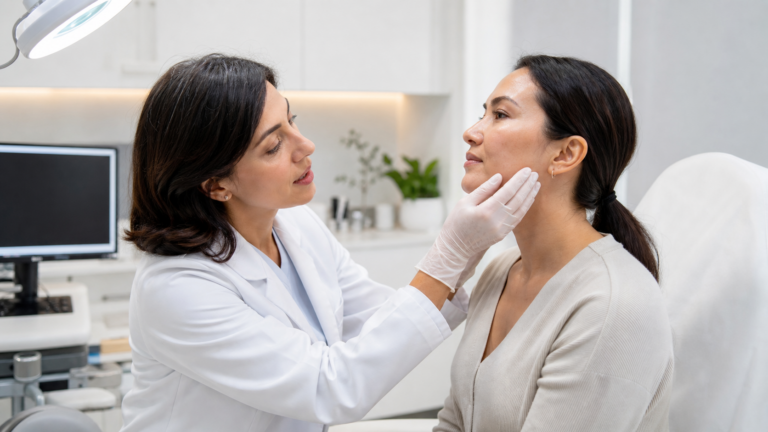
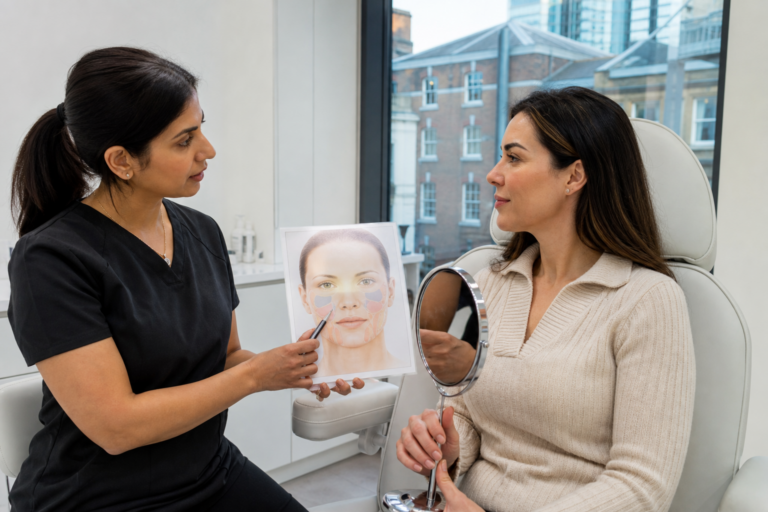
A responsible provider should begin by discussing your skin concerns and relevant history.
Mention allergies, prescription medication, active skincare products, recent cosmetic procedures and known skin conditions. Pregnancy or breastfeeding should also be disclosed because some topical ingredients may need to be avoided or substituted.
The provider can then determine whether the procedure is suitable or whether medical assessment would be more appropriate.
Step 2: Cleansing and Exfoliation
The first treatment stage typically removes surface debris and exfoliates dead skin cells.
The handheld device is moved systematically across the face. Many clients describe this as a gentle gliding or suction sensation rather than an abrasive experience.
How Hydrafacial Exfoliation Prepares the Skin
Exfoliating the outermost accumulation of dead cells can create a smoother surface for subsequent treatment stages.
Excessive exfoliation, however, can compromise the skin barrier and increase irritation. This is one reason providers should know whether clients are already using retinoids, exfoliating acids or other potentially irritating products.
Step 3: Chemical Resurfacing
Some protocols use a solution containing exfoliating acids.
Its purpose is to loosen surface material and pore congestion while preparing the skin for extraction.
The specific ingredients and concentrations should be appropriate for the client’s skin. Anyone with known sensitivities should ask exactly what products will be used.
Step 4: Extraction
The device uses suction to help remove loosened material from pores.
Some people find this more comfortable than traditional manual extractions. Sensation varies according to suction settings and individual sensitivity.
Aggressive extraction is not automatically more effective and may create unnecessary irritation.
Step 5: Hydration and Serum Application
The final stages generally focus on applying topical skincare ingredients.
Product selection varies by protocol. The provider should be able to explain the products being applied and why they are suitable for your skin.
Optional treatment additions may also be available, depending on the clinic.
Who May Consider a Hydrafacial?
The procedure is marketed toward a broad range of cosmetic skin concerns, but suitability should be considered individually.
Someone with generally healthy skin who wants professional cleansing, exfoliation or temporary hydration may be an appropriate candidate.
Common Cosmetic Concerns
People commonly investigate the treatment for:
• Dry or dehydrated looking skin
• Dull complexion
• Rough surface texture
• Congested pores
• Excess surface oil
• General skincare maintenance
• Temporary improvement in overall radiance
These are cosmetic objectives rather than promises of a medical outcome.
Can It Be Used on Sensitive Skin?
Some people with sensitive skin can tolerate the procedure, but sensitivity varies greatly.
Products, suction strength and exfoliation intensity may need adjustment. Someone who experiences frequent reactions should discuss these issues with the provider beforehand.
A dermatologist may be more appropriate when sensitivity is persistent, severe or associated with an underlying skin disorder.
When a Hydrafacial May Not Be Appropriate
Treatment may need to be postponed or avoided when the skin is actively inflamed, infected, injured or otherwise compromised.
Examples could include active sunburn, open wounds or certain active skin infections. Other dermatological conditions may require individualized medical advice.
People taking prescription dermatological medications, undergoing other cosmetic procedures or managing a diagnosed skin condition should discuss compatibility with the relevant qualified professional.
Hydrafacial for Acne and Congested Pores
Acne requires careful discussion because it is a medical skin condition rather than simply a cleanliness problem.
Gentle exfoliation and extraction may improve the appearance of some clogged pores. They do not address every mechanism responsible for acne.
Can It Remove Blackheads?
Extraction may remove some material from accessible clogged pores, including certain blackheads.
Results are not permanent because pores can become congested again. Appropriate home skincare can therefore remain important.
Persistent comedonal acne may respond better to evidence based acne treatments recommended by a dermatologist or other appropriately qualified healthcare professional.
What About Inflammatory Acne?
Inflamed pimples, nodules and cysts require more caution.
Aggressive manipulation of active lesions can cause irritation. Moderate or severe acne may require medical treatment to reduce inflammation and the risk of scarring.
Hydrafacial Versus Medical Acne Treatment
A cosmetic facial and medical acne therapy have different purposes.
A facial can support cosmetic skin maintenance, while medical treatment may use established topical or systemic medicines selected according to acne severity and individual health considerations.
Do not stop prescribed acne medication simply to receive a cosmetic facial without discussing it with the prescribing professional.
Hydrafacial Results: What Can You Realistically Expect?
A common SEO claim surrounding facial procedures is that dramatic results appear immediately and last for a predetermined period. Real skin does not respond that predictably.
Some people notice smoother, more hydrated or brighter looking skin following treatment. Others may experience subtler changes.
How Quickly Do Results Appear?
Cosmetic changes in surface smoothness and hydration may be noticeable shortly after the appointment.
Mild temporary redness can initially obscure the result for some clients.
Long term improvement in specific skin concerns should not be assumed from one facial treatment.
How Long Do Results Last?
There is no universal duration that applies to everyone.
Skin type, environmental conditions, home skincare, sun exposure and treatment protocol can all influence how long cosmetic effects remain noticeable.
Be cautious about providers guaranteeing an exact duration or identical results for every client.
How Often Should You Get a Hydrafacial?
There is no medically required schedule for routine cosmetic facials.
Frequency should depend on skin tolerance, treatment goals, budget and professional advice. More frequent exfoliation is not necessarily better and can be counterproductive if it irritates the skin barrier.
Hydrafacial Cost and Pricing Factors
Treatment prices vary substantially between clinics and locations.
Rather than providing a universal price that could quickly become inaccurate, it is more useful to understand what changes the final cost.
What Influences Treatment Price?
Pricing can be affected by:
• Geographic location
• Provider experience and qualifications
• Treatment duration
• Selected protocol
• Optional enhancements
• Products used
• Clinic facilities
Ask what is included before booking because advertised entry prices may not represent an upgraded treatment.
Is a More Expensive Treatment Always Better?
No.
Higher prices can reflect location, overheads, additional services or premium positioning rather than objectively superior results.
Evaluate the provider’s training, hygiene standards, consultation process and willingness to explain risks and realistic outcomes.
Hydrafacial Side Effects and Safety Considerations
A noninvasive treatment can still cause side effects.
Temporary redness, tightness, tenderness or sensitivity may occur after exfoliation and suction. Reactions to individual topical ingredients are also possible.
How to Reduce Avoidable Irritation
Give the provider an accurate account of the products and medications you use.
This is particularly relevant for retinoids, exfoliating acids and prescription skin treatments. The provider can advise whether changes before treatment are appropriate.
Do not independently discontinue prescription medication solely for a facial.
Hygiene Matters
Any device or accessory contacting the skin should be handled according to appropriate manufacturer and infection control procedures.
A professional treatment environment should appear clean and organized. Staff should be able to explain their hygiene practices when asked.
Choosing a Safe Hydrafacial Provider
Professional titles and regulatory requirements vary by location, so consumers should check standards applicable in their jurisdiction.
Look for appropriate training, transparent consultation procedures, hygienic practices and clear information about aftercare.
If your primary concern is a diagnosed or suspected skin disease, consulting a dermatologist or another appropriately qualified medical professional is generally more suitable than relying on a cosmetic consultation.
Hydrafacial Aftercare for Better Skin Comfort
Aftercare should protect the skin rather than overwhelm it with additional treatments.
Follow the instructions provided for your specific procedure because treatment intensity and products can vary.
Keep Your Routine Gentle
A mild cleanser and suitable moisturizer are commonly sensible choices following exfoliating procedures.
Avoid introducing multiple unfamiliar active products immediately afterward. Your skin may be temporarily more sensitive than usual.
Ask the provider when to resume retinoids, exfoliating acids or other potent products if they form part of your normal routine.
Prioritize Sun Protection
Sun protection is an important part of general skincare, especially after exfoliating treatments.
Use an appropriate broad spectrum sunscreen and follow its application instructions. Protective clothing and avoiding excessive direct sun exposure can provide additional protection.
What to Avoid After a Hydrafacial
Avoid intentionally irritating freshly treated skin.
Depending on your protocol and provider’s instructions, this may mean temporarily avoiding strong exfoliation or other procedures that could increase sensitivity.
If you develop substantial swelling, persistent pain, blistering or another unexpected reaction, contact your provider and seek medical advice when appropriate.
Hydrafacial Versus Other Popular Facial Treatments
Understanding alternatives helps consumers choose based on actual goals rather than trends.
Different procedures operate at different depths and have different risk profiles.
Hydrafacial Versus Chemical Peel
Chemical peels use chemical agents to create controlled exfoliation. Their intensity ranges considerably, from superficial treatments to much deeper medical procedures.
A device based hydrating facial generally focuses on relatively gentle cleansing, exfoliation, extraction and topical product application.
The appropriate option depends on the concern being addressed and the desired level of treatment.
Hydrafacial Versus Microdermabrasion
Microdermabrasion primarily uses mechanical exfoliation.
Hydradermabrasion combines exfoliation with suction and liquid delivery. Both can target superficial skin appearance, but the experience and product application differ.
Hydrafacial Versus Microneedling
Microneedling intentionally creates controlled microscopic injuries using fine needles to stimulate a wound healing response.
That is fundamentally different from a noninvasive hydradermabrasion facial.
Microneedling can involve more aftercare and different risks, and medical suitability should be considered carefully.
Which Facial Treatment Is Best?
There is no universally superior facial.
For temporary hydration and superficial skin refreshing, a gentle device based facial may be attractive. More persistent pigmentation, acne scarring, vascular concerns or significant signs of photodamage may require assessment for other evidence based treatments.
How to Choose a Hydrafacial Clinic
A well designed clinic website or social media account does not establish clinical competence.
Consumers should evaluate the actual provider, treatment environment and consultation process.
Ask About Training and Experience
Ask who will perform the procedure and what relevant training they have completed.
A knowledgeable provider should be able to explain how the treatment works, possible side effects, expected results and situations where treatment should not proceed.
They should also be willing to recommend against treatment when it is unsuitable.
Review Before and After Images Carefully
Photographs can help illustrate possible outcomes, but they should not be interpreted as guarantees.
Lighting, camera exposure, angle, makeup and image processing can dramatically alter apparent skin quality.
Look for standardized photography whenever possible.
Hydrafacial Questions to Ask Before Booking
Useful questions include:
• Who will perform my treatment?
• Which products will be used?
• Is the procedure suitable for my skin condition?
• What side effects are possible?
• What should I stop or continue before treatment?
• What does the quoted price include?
• What aftercare will I need?
• Who should I contact if I experience a reaction?
Clear answers can reveal far more about a provider than promotional claims.
Building a Skincare Routine Around Professional Facials
Professional treatments work best when viewed as one part of skin maintenance rather than a substitute for daily care.
A basic skincare routine does not need to be complicated. Cleansing, appropriate moisturization and sun protection provide a practical foundation for many people.
Additional active ingredients should be selected according to individual concerns and tolerance.
For persistent acne, eczema, rosacea, pigmentation changes or unexplained lesions, professional medical evaluation can be more useful than repeatedly changing cosmetic products.
Why Consistency Matters More Than Trends
Skincare trends change quickly, particularly on social media.
Skin biology does not change at the same speed. Repeatedly introducing aggressive products and treatments can increase irritation instead of improving appearance.
A consistent, tolerable routine combined with appropriately selected professional treatments is usually a more rational strategy than continually pursuing new procedures.
Frequently Asked Questions
What is a Hydrafacial?
It is a device based facial that combines cleansing, exfoliation, suction assisted extraction and application of topical skincare solutions in one treatment.
Does a Hydrafacial hurt?
Many clients tolerate the procedure comfortably, although suction and exfoliation can create noticeable sensations. Individual sensitivity and treatment settings affect comfort.
How long does a Hydrafacial take?
Treatment length varies according to the selected protocol, additional services and clinic. Ask your provider for the expected appointment duration before booking.
Is Hydrafacial good for acne?
It may help cosmetically with some superficial congestion, but it is not a replacement for medical treatment of persistent, inflammatory, cystic or severe acne.
Can I wear makeup after a Hydrafacial?
Recommendations vary according to the treatment performed and skin response. Follow your provider’s instructions regarding makeup and skincare immediately afterward.
How often should you get a Hydrafacial?
There is no universal required frequency. Appropriate timing depends on your skin, treatment intensity, goals, tolerance, budget and qualified professional guidance.
Conclusion
A Hydrafacial combines cleansing, exfoliation, extraction and topical hydration in a convenient noninvasive skincare treatment. It may temporarily improve hydration, smoothness and overall skin appearance, but outcomes differ between individuals and should not be confused with treatment for medical skin conditions. Choosing a properly trained provider, discussing your skincare history and following appropriate aftercare can help create a safer and more informed treatment experience.