NekoDrop Vending Machine: How Automated Collectibles Retail Is Changing the Buying Experience
The NekoDrop Vending Machine brings automated retail into the world of trading cards, blind boxes, and collectible products by combining the convenience of vending technology with the excitement of discovering sealed collectibles. Instead of relying only on traditional hobby shops or waiting for online orders, collectors can use a physical machine to browse available products, complete a purchase, and receive the selected item immediately. This approach reflects a wider shift in retail toward self-service experiences, real-time inventory visibility, contactless payments, and convenient access in high-traffic locations.
Collectibles have always depended heavily on discovery.
A buyer may visit a store specifically looking for one trading card set but notice a new blind box series.
Another shopper may encounter a vending machine while travelling and decide to purchase a sealed product spontaneously.
Automated retail creates opportunities for both planned and impulse purchases.
For collectors, convenience matters.
For operators and property owners, the model creates a compact way to provide specialty retail without operating a traditional full-size store.
The result is an interesting combination of technology, entertainment, convenience, and collectible culture.
What Is a NekoDrop Vending Machine?
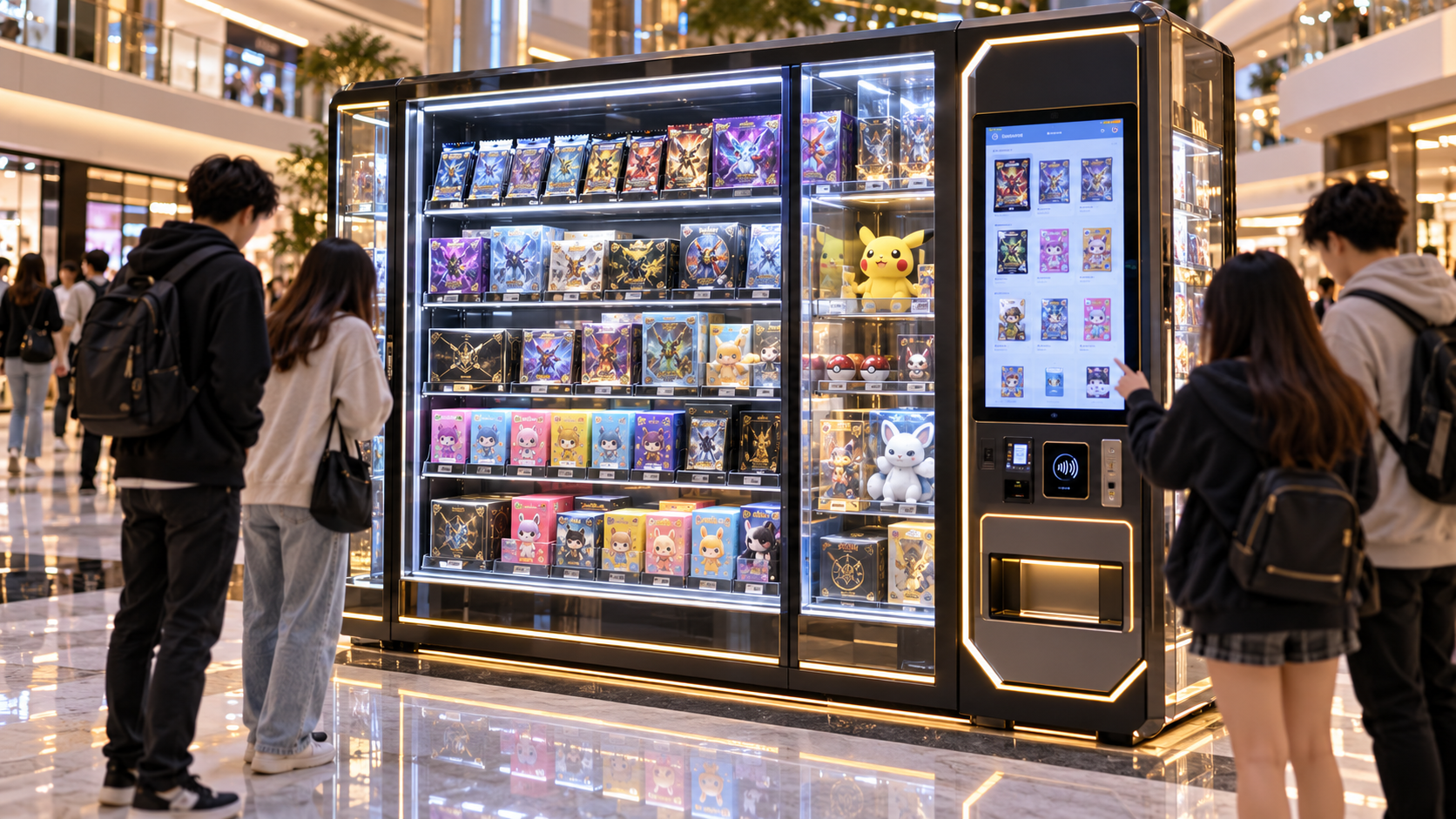
A NekoDrop Vending Machine is an automated retail unit designed around collectible products.
Instead of dispensing ordinary drinks or snacks, the concept focuses on products that appeal to collectors and hobby enthusiasts.
These may include categories such as:
• Sealed trading card products
• Blind boxes
• Collectible merchandise
• Licensed collectibles
The machine presents the available inventory through a digital interface.
Customers can choose the product they want, complete payment, and collect the purchased item from the machine.
Why Collectibles Work Well in Vending
Collectible products can be particularly suitable for automated retail because many are:
• Compact
• Individually packaged
• Easy to display digitally
• Popular with impulse buyers
• Frequently released in new series
• Attractive to repeat customers
This makes the vending model different from traditional convenience vending.
The customer is often buying for entertainment, collecting, gifting, or hobby participation rather than fulfilling an immediate practical need.
7 Powerful Benefits of the NekoDrop Vending Machine Experience
Automated collectible retail offers several potential advantages for customers, venues, and operators.
1. NekoDrop Vending Machine Makes Collectibles More Convenient to Buy
Traditional collectible shopping often requires visiting a specialty store or ordering online.
A vending machine can place products directly in locations people already visit.
Possible environments include:
• Shopping malls
• Airports
• Entertainment destinations
• High-traffic retail centres
This can make collectibles easier to access during normal daily activities.
Immediate Product Access
Online shopping is convenient, but customers still need to wait for delivery.
A vending machine provides immediate physical access.
The customer can:
Choose a product
Pay
Receive it
Open it later or enjoy it immediately where appropriate
That instant experience can be particularly appealing for trading card and blind box enthusiasts.
Useful for Travellers
Airport vending can create a different kind of retail opportunity.
A traveller may want:
• Entertainment for a flight
• A small gift
• A collectible souvenir
• Something to open during a journey
Compact collectible products work well for this type of purchase.
2. Live Inventory Can Improve the Customer Journey
One frustration with physical collectible shopping is travelling to a location only to discover that a desired product is unavailable.
A modern vending network can reduce this problem by making current machine inventory easier to discover.
Know What Is Available Before Visiting
If customers can check inventory before travelling, they can make more informed decisions.
This can be particularly useful for collectors looking for:
• A particular card set
• Specific blind box lines
• Recently released products
• Restocked items
Real-time or recently refreshed inventory creates a stronger connection between digital discovery and physical retail.
Better Than Guessing
Traditional vending machines provide very little information before the customer arrives.
Connected vending technology changes that model.
Customers can potentially identify:
• Location
• Product availability
• Venue hours
• Recent restocks
This helps turn a vending machine into part of a broader digital retail system.
3. NekoDrop Vending Machine Supports Contactless Purchasing
Modern shoppers increasingly expect fast digital payment.
Automated retail works best when checkout is simple.
A touchscreen can guide the customer through product selection while contactless payment can make the final transaction quick.
Common modern payment approaches can include:
• Contactless bank cards
• Mobile wallets
• Tap-to-pay methods
• Chip-based payments where supported
Fewer Checkout Steps
A successful vending purchase should require minimal friction.
The customer should be able to:
- Browse
- Select
- Pay
- Collect
The fewer unnecessary steps involved, the more natural the experience feels.
Helpful for High-Traffic Locations
Speed is especially important in:
• Airports
• Transit environments
• Busy malls
Customers may not want to wait in a traditional checkout queue.
Self-service vending provides another option.
4. Sealed Products Can Increase Collector Confidence
Collectibles can have complex secondary markets.
Buyers may encounter opened, resealed, altered, counterfeit, or otherwise questionable products through unofficial channels.
A sealed-product retail model creates a more straightforward experience.
Why Sealed Products Matter
Collectors often care about:
• Product condition
• Authenticity
• Packaging integrity
• Original manufacturer sealing
• Clear product identity
A vending system focused on sealed merchandise can simplify purchasing for customers who do not want to navigate person-to-person resale marketplaces.
Good Inventory Sourcing Is Essential
For any collectible retailer, inventory sourcing remains critical.
Operators should maintain clear purchasing channels and reliable supplier relationships.
Customers increasingly value knowing that products have entered the retail system through legitimate supply chains.
5. Restock Alerts Can Encourage Repeat Visits
Collectible retail is driven by new releases.
Customers may return repeatedly when:
• New card sets launch
• Blind box series change
• Popular products return
• Limited items become available
This makes restocking more than an operational activity.
It becomes a marketing event.
Notifications Add Digital Engagement
A vending machine alone is a physical device.
A notification system creates an ongoing relationship with collectors.
Instead of checking a location repeatedly, customers can follow changes in inventory more efficiently.
This can encourage stronger customer engagement.
Fresh Inventory Keeps the Experience Interesting
A vending unit that never changes may lose attention.
Regular product rotation can make customers curious about what is available next.
Collectible retail naturally supports this approach because product lines change frequently.
6. NekoDrop Vending Machine Creates a Compact Specialty Retail Format
Opening a traditional collectibles store can require significant space.
A vending machine uses a much smaller footprint.
This creates opportunities in venues where a full-size hobby shop might not be practical.
Suitable High-Traffic Locations
Potential locations for collectible vending may include:
• Shopping centres
• Airport terminals
• Entertainment complexes
• Outlet centres
• Gaming environments where permitted
• Convention-related spaces
The location should match the target audience.
Retail Without a Full Counter
The machine handles core transaction functions without requiring a cashier beside it throughout operating hours.
However, this does not mean vending is completely passive.
Operators still need to manage:
• Inventory
• Restocking
• Equipment maintenance
• Customer support
• Payment systems
• Location relationships
• Product selection
Automation changes the work rather than eliminating it.
7. Automated Retail Can Make Collecting More Discoverable
A specialist hobby shop usually attracts people who already know they want collectible products.
A vending machine in a major mall or airport can expose the category to a much broader audience.
Someone walking past may notice:
• Colourful products
• Recognizable collectible formats
• Trading cards
• Blind boxes
• Digital interaction
Curiosity can create a purchase even when the customer had no original plan to shop for collectibles.
Visual Merchandising Still Matters
The machine itself becomes part of the marketing.
Successful collectible vending should make products:
• Easy to understand
• Attractive
• Clearly organized
• Simple to purchase
Digital screens can help explain product choices when physical shelf space is limited.
Trading Cards and Automated Retail
Trading card games have strong collector communities.
Products can include:
• Booster packs
• Boxed products
• Special collections
• Sealed accessories
Different products attract different customers.
Some buyers enjoy playing.
Others primarily collect.
Many do both.
Sealed Trading Card Products
Sealed products are particularly appropriate for vending because customers understand exactly what format they are purchasing.
The surprise comes from the cards inside rather than uncertainty about whether the retail package itself has already been opened.
Product Rotation Matters
Trading card markets change quickly.
Popular releases can attract strong initial demand.
Operators need to monitor inventory performance and adjust product selection appropriately.
A machine filled only with slow-moving products may fail to generate repeat interest.
Blind Boxes and the NekoDrop Vending Machine
Blind boxes create a natural connection with vending.
The buyer selects a sealed product without knowing exactly which collectible variant is inside.
This creates anticipation.
Why Blind Boxes Encourage Repeat Purchases
A collection may contain several possible characters or designs.
Customers may return because they want:
• Another character
• A complete set
• A rarer variation
• A gift for another collector
However, purchasing should remain recreational rather than being represented as a guaranteed way to obtain valuable items.
The outcome of a blind box is uncertain by design.
The Importance of Machine Location
Location can determine whether a vending concept succeeds.
A high-quality machine in an unsuitable location may perform poorly.
Foot Traffic
High visitor volume increases opportunities for discovery.
However, raw foot traffic is not the only consideration.
The audience should also be relevant.
Audience Fit
Collectibles may perform particularly well where visitors include:
• Younger consumers
• Families
• Hobby enthusiasts
• Tourists
• Gift shoppers
• Entertainment-focused customers
Visibility
The unit should be easy to notice without obstructing venue movement.
Lighting, surrounding stores, nearby attractions, and machine presentation can all influence visibility.
NekoDrop Vending Machine in Shopping Malls
Shopping malls are natural environments for automated collectible retail.
Customers are already in a shopping mindset.
A vending machine can complement:
• Toy stores
• Gaming stores
• Entertainment venues
• Cinemas
• Food courts
• Fashion retailers
Impulse Purchases
A mall shopper may see a product unexpectedly and decide to make a quick purchase.
This makes machine design and visible inventory particularly important.
Collectibles Vending in Airports
Airport retail operates differently from mall retail.
Travellers may have:
• Limited time
• Waiting periods
• Gift needs
• Desire for entertainment
Automated machines can serve travellers outside the operating hours of some traditional retailers depending on terminal access and venue rules.
Compact Gifts
Trading cards and blind boxes are relatively small.
They can often fit easily into:
• Carry-on luggage
• Backpacks
• Handbags
This makes them convenient retail products for travellers.
Touchscreen Design and Customer Experience
The touchscreen is effectively the store interface.
It should be easy for a first-time customer to understand.
Useful interface elements can include:
• Clear product images
• Prices
• Availability
• Simple categories
• Checkout instructions
• Support options
Avoid Excessive Complexity
Customers should not need a tutorial to purchase one product.
The interface should minimize unnecessary decisions.
What Happens if a Vending Machine Jams?
Machine reliability is crucial.
Products must dispense correctly.
Occasional mechanical issues can still occur in automated retail.
A strong customer-support process should make it easy to report:
• Failed delivery
• Payment issues
• Machine errors
• Incorrect transactions
Support Builds Trust
Customers are more likely to use automated retail when they know help is available if something goes wrong.
Visible support instructions are therefore important.
Inventory Management for Collectible Vending
Successful operators need to understand what sells.
Important data may include:
• Product sales rate
• Location
• Time of day
• Restock frequency
• Inventory remaining
• Product category
This information can help determine what should be loaded into each machine.
Different Locations May Need Different Products
A machine in an airport may have a different customer mix from one in a suburban mall.
Operators should avoid assuming one inventory plan will work everywhere.
Restocking a NekoDrop Vending Machine
Restocking affects both customer satisfaction and revenue.
If popular items remain unavailable for long periods, customers may stop checking the machine.
Good restocking should consider:
• Sales velocity
• Product popularity
• New releases
• Available capacity
• Venue traffic
• Seasonal patterns
Avoid Overloading Slow Products
Shelf capacity is valuable.
Products that rarely sell occupy space that could be used for more relevant items.
Inventory decisions should be based on actual performance where possible.
Vending Machine Maintenance
Automated retail hardware requires maintenance.
Important components may include:
• Touchscreen
• Payment terminal
• Dispensing system
• Product trays
• Network connection
• Internal electronics
• Exterior cabinet
Routine inspections can help identify problems before customers encounter them.
Clean Presentation Matters
Collectors are purchasing products that may have display or resale value.
A clean, well-maintained machine helps communicate professionalism.
Damaged or dirty vending equipment can reduce customer confidence.
Customer Support for Automated Retail
Traditional stores provide face-to-face help.
Vending must create an alternative support path.
This may include:
• On-screen help
• Support telephone service
• Digital reporting
• Transaction records
• Refund procedures
Customer support should be easy to locate before a problem occurs.
Receipts and Transaction Records
Digital receipts can help customers maintain records of purchases.
They can also help resolve:
• Payment questions
• Refund requests
• Machine malfunctions
• Transaction disputes
Automated systems benefit from reliable transaction tracking.
NekoDrop Vending Machine for Collectors
Collectors may appreciate automated vending for several reasons.
It provides:
• Convenient access
• Product discovery
• Sealed merchandise
• Immediate purchasing
• Changing inventory
The machine can become a destination rather than simply a utility.
A collector may intentionally visit after receiving information about a restock.
Benefits for Shopping Centres and Venues
Venues may benefit from speciality vending because it can add another retail category without requiring the floor space of a full storefront.
Potential advantages can include:
• Small footprint
• Visual interest
• Automated transactions
• Additional product variety
• Engagement with younger and hobby-focused visitors
However, successful placement still requires good operations and regular maintenance.
Is Collectible Vending Passive Income?
The idea of vending may appear passive because there is no full-time cashier.
In reality, operating collectible machines requires ongoing management.
Responsibilities can include:
• Purchasing inventory
• Restocking
• Monitoring sales
• Troubleshooting
• Machine maintenance
• Venue relationships
• Customer support
• Financial administration
• Product selection
Technology can automate transactions, but a vending operation remains a retail business.
Choosing Products for Collectible Vending
Good inventory selection should balance:
• Popularity
• Availability
• Product size
• Margin
• Customer interest
• Release cycles
• Venue demographics
The newest product is not automatically the best choice for every machine.
Historical sales data can help guide decisions.
Security and Vending Machines
Collectible merchandise can have meaningful retail value.
Machines therefore need appropriate physical and operational security.
Considerations may include:
• Secure cabinets
• Location surveillance
• Payment security
• Controlled operator access
• Inventory records
• Tamper resistance
The venue itself also plays an important role.
Future of Automated Collectibles Retail
Automated retail is becoming increasingly connected.
Future collectible vending may make greater use of:
• Live inventory
• Customer alerts
• Personalized recommendations
• Loyalty systems
• Mobile integration
• Dynamic merchandising
• Data-driven restocking
The strongest concepts will likely connect the physical machine with a broader digital experience.
Customers may discover a product online, locate the closest machine, confirm availability, purchase in person, and receive future restock notifications.
This creates a retail journey that combines digital convenience with immediate physical product delivery.
Common Mistakes in Collectible Vending
Poor Location Selection
High traffic is useful only when the audience is relevant.
Slow Restocking
Empty popular slots reduce customer satisfaction.
Weak Customer Support
Customers need a clear path when a transaction fails.
Too Many Slow-Moving Products
Inventory should reflect local demand.
Complicated Touchscreens
Purchasing should remain simple.
Poor Machine Maintenance
Broken or dirty equipment damages trust.
Ignoring Digital Discovery
Location and inventory information can make physical vending much easier for customers to use.
Frequently Asked Questions
What is a NekoDrop Vending Machine?
A NekoDrop Vending Machine is an automated retail unit focused on collectible merchandise such as sealed trading card products, blind boxes, and related licensed collectibles.
What can customers buy from a NekoDrop Vending Machine?
Available inventory can vary by machine and restock, with the overall concept focused on products such as sealed trading cards, blind boxes, and collectible merchandise.
How does a NekoDrop Vending Machine work?
Customers browse available items using the machine interface, select a product, complete payment using a supported method, and collect the dispensed product from the machine.
Where are NekoDrop Vending Machines commonly located?
The network uses high-traffic retail environments such as shopping centres and airport locations, with availability depending on the current machine network.
Are NekoDrop products sealed?
The current NekoDrop retail concept emphasizes sealed collectible products rather than individual opened trading-card singles.
Why are collectible vending machines becoming popular?
They combine convenient self-service purchasing, immediate product access, digital payment, compact retail placement, and the excitement of discovering trading cards and blind-box collectibles.
Conclusion
The NekoDrop Vending Machine combines collectible culture with modern automated retail, giving customers a convenient way to discover and purchase sealed trading cards, blind boxes, and related products in high-traffic environments. Its strongest advantages come from immediate product access, touchscreen shopping, digital payments, changing inventory, and the ability to connect physical machines with online inventory discovery and restock information. For operators, success still depends on thoughtful locations, reliable machines, strong inventory management, customer support, and consistent restocking. As physical retail becomes more connected to digital tools, collectible vending offers an interesting example of how specialized products can reach customers in a faster and more interactive way.