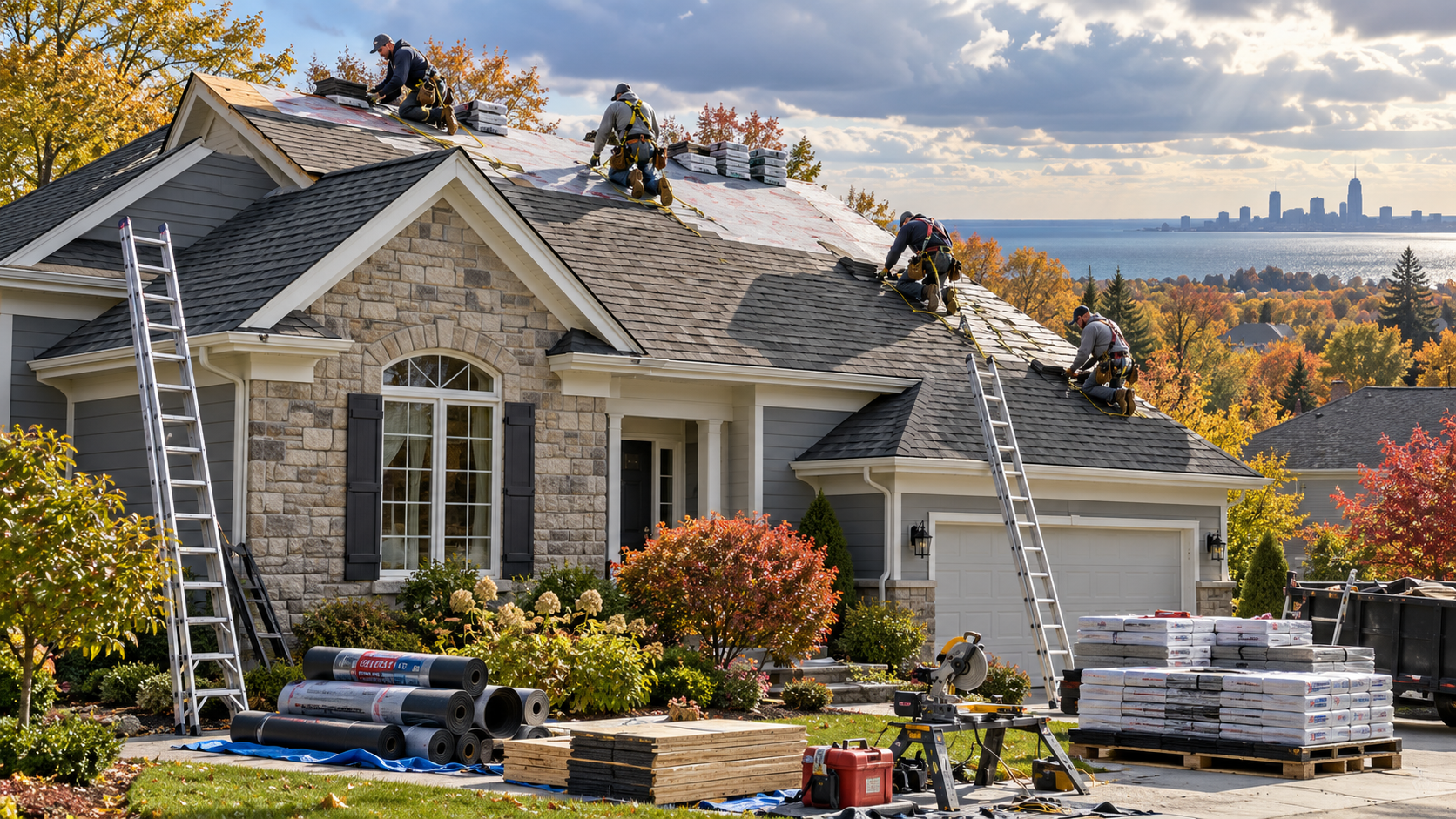
How Northeast Ohio Roofers Help Protect Homes Through Every Season
A roof in Northeast Ohio has to handle far more than simply keeping rain outside. Snow, wind, temperature changes, moisture, summer heat, falling debris, and normal aging can all affect roofing materials over time. Choosing experienced Northeast Ohio Roofers gives homeowners access to professionals who understand these regional conditions and can identify whether a roof needs maintenance, repair, or complete replacement. The right roofing approach is not simply about installing new shingles. It involves evaluating the entire roofing system, including ventilation, flashing, drainage, decking, underlayment, penetrations, and other components that work together to protect the home.
A dependable roof contributes to the comfort, weather resistance, appearance, and long term condition of a property. Small problems can sometimes remain unnoticed until water stains, damaged shingles, or other visible warning signs appear.
Understanding how professional roofing services work makes it easier for homeowners to make informed decisions and avoid unnecessary work.
Why Northeast Ohio Roofers Need Regional Roofing Knowledge
Roofing requirements can vary considerably from one part of the country to another. Northeast Ohio experiences distinct seasons, which means a residential roof may face different stresses throughout the year.
Winter weather can bring snow, ice, freezing temperatures, and repeated temperature changes. Spring often brings rain and storms. Summer introduces strong sunlight, heat, humidity, and thunderstorms, while autumn may bring wind, rain, falling leaves, and debris.
Northeast Ohio Roofers who regularly work in the area understand how these conditions may affect different roofing systems.
Regional experience helps contractors evaluate issues such as:
• Shingle deterioration
• Flashing around chimneys and vents
• Roof drainage
• Attic ventilation
• Moisture intrusion
• Ice related damage
• Wind lifted roofing materials
• Sealant deterioration
• Roof penetrations
• Gutter and downspout performance
The goal should always be to identify the actual source of a roofing problem rather than treating only its visible symptoms.
For example, a ceiling stain does not automatically mean that shingles directly above the stain are damaged. Water can enter through flashing, vents, valleys, fasteners, or another location before traveling along structural materials.
A detailed inspection helps locate the source before repairs begin.
What Professional Northeast Ohio Roofers Inspect
A professional roof inspection should involve more than a quick look at the visible surface.
An experienced roofer evaluates multiple components because residential roofing functions as a complete system.
Roof Covering
The roofing material is one of the first areas inspected.
On asphalt shingle roofs, contractors may look for:
• Missing shingles
• Cracked shingles
• Curling edges
• Loose materials
• Areas damaged by wind
• Excessive surface wear
• Improper installation
• Visible fastening problems
Individual damaged shingles do not always mean that the entire roof requires replacement. The age, overall condition, extent of damage, and condition of surrounding materials should all be considered.
Flashing
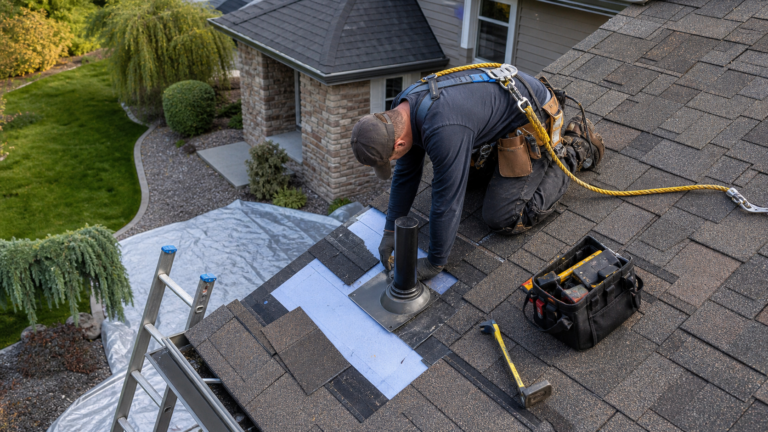
Flashing helps direct water away from vulnerable areas where roofing surfaces meet walls, chimneys, skylights, vents, or other structures.
Damaged or incorrectly installed flashing can allow water to enter even when the surrounding shingles appear normal.
Professional roofers commonly inspect flashing around:
• Chimneys
• Plumbing vents
• Roof vents
• Dormers
• Skylights
• Walls
• Valleys
Roof Valleys
Valleys collect and direct significant amounts of water during rain and melting snow.
Because of this concentrated drainage, valleys deserve careful inspection. Damaged materials, debris buildup, installation problems, or deterioration in these areas can increase the potential for water intrusion.
Gutters and Drainage
Roofing performance also depends on effective water drainage.
Gutters should move water away from roof edges and toward properly positioned downspouts.
Blocked or damaged gutters can interfere with drainage and may contribute to moisture problems around fascia, siding, foundations, and other parts of the property.
Attic Conditions
A roofing inspection may also include accessible attic areas when appropriate.
Roofers may look for signs such as:
• Moisture staining
• Visible leaks
• Damp insulation
• Condensation
• Inadequate ventilation
• Visible daylight through unexpected openings
• Signs of damaged roof decking
Interior evidence can provide useful information that is not visible from the exterior.
How Northeast Ohio Roofers Determine Whether You Need Repair or Replacement
One of the most important roofing decisions is whether to repair an existing roof or replace it.
There is no universal answer because each roof has different materials, age, installation quality, maintenance history, and exposure.
When Roof Repair May Be Appropriate
Repairs may be suitable when a problem affects a limited area and the remaining roofing system is still in serviceable condition.
Examples may include:
• A small number of damaged shingles
• Minor flashing problems
• Localized storm damage
• Limited leakage around a penetration
• Small sections affected by wind
• Certain sealant or flashing failures
The roofer should explain what caused the issue, what will be repaired, and whether surrounding materials remain functional.
When Roof Replacement May Make More Sense
Replacement may become appropriate when deterioration is widespread or repeated repairs no longer provide a practical solution.
Conditions that may justify discussing replacement include:
• Extensive shingle deterioration
• Repeated leaks in different areas
• Broad storm damage
• Significant installation problems
• Large areas of damaged decking
• Multiple failing roof components
• A roof approaching the end of its practical service life
Age alone should not be the only factor. Some roofs perform differently depending on installation, ventilation, maintenance, weather exposure, and material quality.
A trustworthy roofing contractor should explain the evidence supporting the recommendation.
Northeast Ohio Roofers and Asphalt Shingle Roofing
Asphalt shingles are commonly used on residential properties because they offer a broad range of styles and can suit many home designs.
A shingle roofing system includes more than visible shingles.
Components may include:
• Roof decking
• Underlayment
• Water protection materials where required
• Starter shingles
• Field shingles
• Flashing
• Ridge materials
• Ventilation components
• Fasteners
• Sealants where appropriate
Performance depends on how these components are integrated.
Why Installation Quality Matters
Even quality roofing materials can experience problems if they are not installed correctly.
Installation details can affect resistance to wind, water intrusion, premature wear, and other issues.
Contractors should follow applicable manufacturer requirements and local construction standards for the specific project.
Homeowners should also ask what roofing system is being proposed rather than focusing exclusively on shingle appearance.
Choosing Roofing Materials for Northeast Ohio Homes
Material selection should consider the property, roof design, homeowner priorities, budget, maintenance expectations, and local conditions.
Architectural Asphalt Shingles
Architectural shingles are a popular option for residential roofing.
They are available in many colors and profiles and can complement traditional and contemporary homes.
Homeowners comparing shingles should consider factors including:
• Manufacturer specifications
• Warranty terms
• Wind ratings
• Installation requirements
• Color
• Appearance
• Roofing system compatibility
Metal Roofing
Metal roofing can also be considered for certain homes.
Different metal roofing products have different designs, finishes, fastening systems, costs, and maintenance requirements.
A contractor familiar with metal systems should evaluate roof geometry and building conditions before recommending installation.
Low Slope Roofing Materials
Some homes contain porches, additions, garages, or other sections with lower roof slopes.
These areas may require roofing products specifically designed for the slope and drainage conditions.
Using the wrong material for a low slope area can create unnecessary risk.
Professional Northeast Ohio Roofers should identify these sections during evaluation and recommend a compatible roofing system.
How Seasonal Weather Can Affect Your Roof
Seasonal conditions can influence different components of a roofing system.
Understanding these effects helps homeowners know when an inspection may be worthwhile.
Winter Snow and Ice
Snow adds weight to a roof and can create moisture as it melts.
Ice may also develop near roof edges under certain conditions. Attic insulation, air sealing, ventilation, roof temperature, and outdoor weather can all play a role.
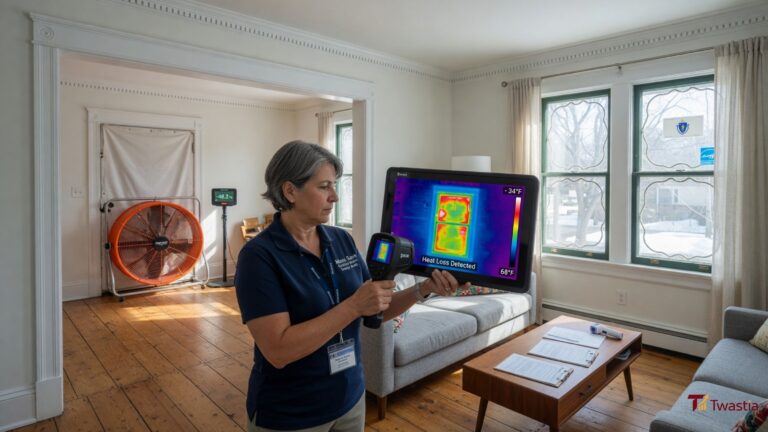
Roofers can evaluate visible roofing conditions, while insulation and building performance professionals may be needed when attic heat loss contributes to recurring problems.
Spring Rain
Spring provides a useful opportunity to identify drainage problems.
Heavy rain can reveal weaknesses around:
• Valleys
• Chimneys
• Vents
• Skylights
• Roof edges
• Gutters
Homeowners should pay attention to new interior stains, dripping, damp attic areas, or unusual gutter overflow.
Summer Heat and Sunlight
Roof surfaces receive significant solar exposure.
Over time, heat and ultraviolet radiation contribute to normal material aging.
Proper ventilation can also be important for managing attic conditions, although ventilation requirements depend on the specific roof and building design.
Autumn Leaves and Debris
Leaves can collect in gutters, valleys, and around roof structures.
Keeping drainage areas clear helps rainwater and melting snow move away from the roof efficiently.
Trees near the home should also be observed for broken or unstable branches that could damage roofing materials.
Hail and Storm Damage Considerations
Storms can affect roofs in several ways.
Strong winds may loosen or remove shingles. Falling branches can cause impact damage. Hail can affect some roofing materials depending on hail size, material condition, roof angle, and other factors.
Homeowners should avoid assuming every storm automatically causes roof damage.
A qualified inspection is more reliable than trying to identify problems from the ground.
After a significant storm, homeowners can safely look for visible clues such as roofing debris in the yard, damaged gutters, missing shingles, or tree impact.
Walking on a roof without proper training and equipment is not recommended.
How to Choose Reliable Northeast Ohio Roofers
Selecting a roofing company is as important as choosing roofing materials.
Homeowners should evaluate contractors based on documented qualifications rather than advertisements alone.
Verify Licensing and Local Requirements
Licensing requirements can vary depending on the type of work and municipality.
Homeowners should confirm what permits, registrations, or contractor requirements apply to their specific location.
The contractor should be willing to explain how local requirements are handled.
Confirm Insurance
Ask the roofing company to provide appropriate proof of insurance.
This may include relevant liability coverage and worker related coverage as required for their operations.
Do not rely solely on verbal statements.
Request a Detailed Written Proposal
A professional roofing proposal should clearly explain the work being offered.
Important details may include:
• Roofing material
• Underlayment
• Flashing work
• Ventilation work
• Tear off requirements
• Decking replacement terms
• Cleanup
• Disposal
• Warranty details
• Payment terms
• Estimated project scope
Clear documentation helps reduce misunderstandings.
Compare Scope, Not Just Price
The cheapest estimate may not include the same work as another proposal.
One contractor may include flashing replacement, upgraded underlayment, ventilation work, and debris disposal while another may quote only basic roofing installation.
Compare what is actually included.
Ask About Workmanship Coverage
Manufacturer warranties and contractor workmanship warranties are different.
Homeowners should understand:
• What is covered
• Who provides the coverage
• How long it applies
• Whether registration is required
• What conditions could affect coverage
• How a future claim would be handled
Written warranty information is more useful than general promises.
Questions to Ask Northeast Ohio Roofers Before Hiring
A short conversation with a contractor can reveal a great deal about how the company operates.
Consider asking:
• What condition is my existing roof in?
• What specific problems did you find?
• Can those problems be repaired?
• Why are you recommending replacement if replacement is proposed?
• What roofing system will you install?
• How will flashing be handled?
• Will the existing roof be removed?
• How is damaged decking handled?
• What ventilation work is included?
• Who obtains required permits?
• What warranties apply?
• How will landscaping be protected?
• How is debris removed?
• Who should I contact if there is a problem after installation?
A reputable contractor should be able to answer these questions clearly.
Why Roof Ventilation Deserves Attention
Ventilation is sometimes overlooked because most ventilation components are less visually noticeable than shingles.
However, roof and attic ventilation can influence attic temperature, moisture management, and roofing system performance.
A balanced design commonly involves intake and exhaust ventilation.
The correct configuration depends on roof structure, attic layout, insulation, existing ventilation, and building conditions.
Adding more vents without evaluating the complete system is not always appropriate.
Northeast Ohio Roofers Should Evaluate Existing Ventilation
Before replacing a roof, contractors should inspect the existing ventilation arrangement where accessible and relevant.
Questions may include:
• Where does intake air enter?
• Where does exhaust air leave?
• Are vents blocked?
• Is insulation restricting airflow?
• Are multiple ventilation systems interfering with one another?
• Does the roof design require a different approach?
Ventilation should be treated as part of the roofing system rather than an afterthought.
Signs That Your Roof May Need Professional Attention
Homeowners do not need to become roofing experts, but recognizing warning signs can help them respond early.
Contact a qualified roofer when you notice:
• Missing shingles
• Water stains
• Active leaks
• Damaged flashing
• Shingles on the ground
• Visible roof impact
• Sagging areas
• Repeated gutter overflow
• Loose roof materials
• Storm related damage
• Unexplained attic moisture
Some symptoms can have more than one cause, so proper diagnosis matters.
For example, attic moisture may result from a roof leak, condensation, indoor humidity, ventilation issues, or another building condition.
Why Preventive Roof Maintenance Matters
Roof maintenance is generally easier to manage before a serious leak occurs.
Periodic inspections can help identify developing issues while they are still limited.
Maintenance may include:
• Removing appropriate debris
• Inspecting flashing
• Checking sealants where used
• Identifying damaged shingles
• Examining roof penetrations
• Checking accessible drainage components
• Reviewing visible ventilation components
• Inspecting areas around chimneys and skylights
Maintenance cannot stop normal aging, but it can help homeowners discover problems before they become more extensive.
Should You Inspect a Roof After Every Storm?
Not every storm requires a professional inspection.
The need depends on storm severity, visible damage, roof condition, tree impact, wind exposure, and other factors.
An inspection becomes more reasonable when:
• Shingles are visibly missing
• Debris has struck the roof
• Water enters the home
• Roofing materials appear in the yard
• Gutters or flashing are visibly damaged
• A major storm affected the immediate neighborhood
Homeowners can conduct a visual check from the ground when safe.
Roof access should be left to people with suitable equipment and experience.
Understanding Roofing Estimates
Roofing estimates can differ substantially because contractors may specify different materials, installation methods, or scopes of work.
Instead of comparing only the final price, review the details.
Material Specifications
The proposal should identify the primary roofing materials being offered.
Generic descriptions may make comparisons difficult.
Decking Terms
Roof decking is usually not completely visible until existing roofing materials are removed.
The estimate should explain how unexpected damaged decking will be priced or approved.
Flashing Details
Ask which flashing will be replaced and which existing components, if any, are expected to remain.
Cleanup and Disposal
Roof replacement produces significant debris.
The proposal should explain cleanup and waste removal responsibilities.
Payment Schedule
Understand deposit requirements, progress payments, and final payment conditions before signing.
Avoid relying on assumptions.
Northeast Ohio Roofers and Emergency Roof Problems
Some roofing issues require faster attention than routine maintenance.
Examples include active water entry, storm damage that exposes roofing materials, tree impact, or sections that appear structurally unsafe.
If water is entering the home, protect people and belongings first.
Avoid entering areas where ceilings appear heavily saturated or structurally unstable.
Temporary protection may sometimes be possible until permanent repairs can be completed.
Homeowners should understand that emergency temporary work is not necessarily a permanent repair.
The underlying damage should still be professionally evaluated.
Roof Replacement and Property Protection
Roof replacement involves people, equipment, materials, and debris around a property.
Professional contractors should have a plan for protecting the work area.
Before construction begins, discuss:
• Landscaping
• Driveway access
• Vehicles
• Outdoor furniture
• Air conditioning equipment
• Windows
• Siding
• Decks
• Pets
• Children
• Material delivery locations
Homeowners may also need to move fragile items inside the home because roofing work can create vibration.
Communication before installation helps the project run more smoothly.
What Happens During a Typical Roof Replacement
Every project differs, but residential roof replacement generally follows several stages.
Initial Preparation
The roofing company prepares the property, delivers materials when appropriate, and establishes safety and debris management procedures.
Existing Material Removal
Existing roofing may be removed to expose the underlying roof deck, depending on project design and applicable requirements.
Deck Inspection
Exposed decking is examined for visible deterioration or damage.
Areas requiring replacement can then be addressed according to the contract.
Roofing System Installation
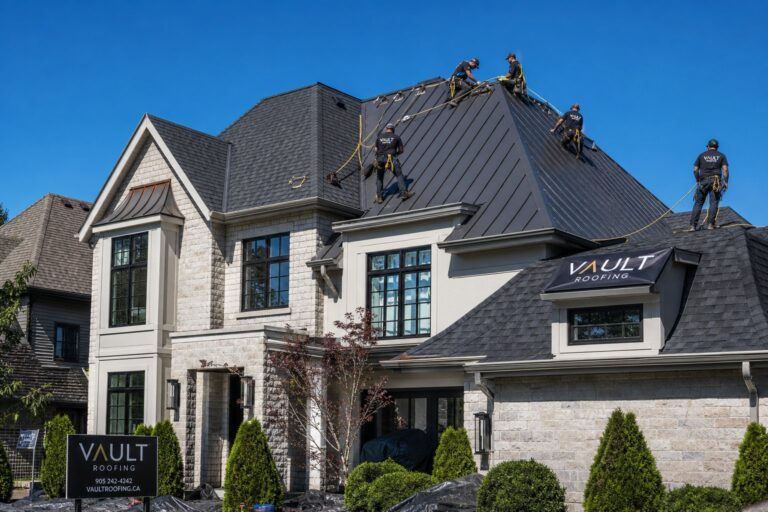
Underlayment, flashing, roofing materials, ventilation components, and other specified items are installed according to the planned roofing system.
Cleanup
Debris is removed and the surrounding work area is cleaned.
Final Review
The contractor may perform a final inspection or walkthrough and provide applicable warranty or project documentation.
Homeowners should keep roofing documents for future reference.
Northeast Ohio Roofers Should Explain Each Project Stage
Clear communication helps homeowners understand what is happening to their property.
Before work starts, ask who your primary contact will be and how unexpected conditions will be communicated.
This is especially important when hidden decking damage or other issues are discovered after tear off.
Local Experience Can Help With Roofing Decisions
Regional roofing experience provides practical value because contractors regularly see the types of roof designs, materials, weather exposure, and construction practices found in the area.
However, being local should not replace proper verification.
Homeowners should still evaluate qualifications, insurance, written contracts, references where appropriate, and project details.
The strongest choice is usually a contractor who combines regional experience with clear documentation and professional communication.
How Homeowners Can Extend the Useful Life of a Roof
No roof lasts forever, but responsible maintenance can help protect the roofing system throughout its service life.
Useful habits include:
• Keep gutters functioning properly
• Address leaks promptly
• Inspect after significant visible storm damage
• Keep excessive debris away from roofing surfaces
• Monitor attic moisture
• Maintain nearby trees responsibly
• Avoid unnecessary roof traffic
• Have questionable flashing inspected
• Keep roofing documents and warranty information
• Use qualified professionals for repairs
Ignoring a small problem can allow moisture to affect insulation, drywall, decking, framing, or interior finishes.
Early evaluation is generally preferable to waiting until visible damage becomes severe.
Frequently Asked Questions
How do I choose reliable Northeast Ohio Roofers?
Look for contractors who provide clear written estimates, appropriate insurance documentation, detailed roofing recommendations, warranty information, and an explanation of local permit requirements.
When should a Northeast Ohio roof be inspected?
Consider an inspection when you notice leaks, missing shingles, visible storm damage, damaged flashing, unusual attic moisture, or significant changes in roof condition.
Is roof repair better than replacement?
Repair may be appropriate for localized problems when the remaining roof is in serviceable condition. Replacement may make more sense when deterioration or damage is widespread.
What roofing material works well in Northeast Ohio?
Architectural asphalt shingles are commonly used, while metal and other roofing systems may also be suitable. The best option depends on roof design, budget, installation requirements, and homeowner priorities.
Can Northeast Ohio Roofers inspect storm damage?
Yes. Qualified roofers can inspect roofing materials, flashing, penetrations, gutters, and other accessible components to identify visible storm related damage and recommend appropriate next steps.
Should I get multiple roofing estimates?
Comparing more than one detailed proposal can help homeowners understand differences in materials, warranties, installation scope, ventilation work, flashing, cleanup, and overall project terms.
Conclusion
Choosing experienced Northeast Ohio Roofers involves more than finding someone who can install shingles. Homeowners should look for careful inspections, clear recommendations, appropriate documentation, quality roofing systems, and transparent communication. Understanding roof condition, materials, ventilation, flashing, drainage, and maintenance makes it easier to make informed decisions. A well planned roofing project can help protect the home while reducing the risk of preventable roofing problems in the future.