Plumbing Issues: Common Problems, Causes, Warning Signs, and Solutions
Plumbing Issues can range from a slowly dripping tap to a serious hidden leak that damages walls, flooring, cabinets, and other parts of a property. Some problems are easy to notice, while others develop quietly behind walls or beneath floors until the damage becomes expensive. Understanding common plumbing problems, their warning signs, and the right response can help homeowners act sooner, reduce unnecessary water waste, and know when professional plumbing assistance is needed.
A residential plumbing system includes water supply pipes, drains, taps, toilets, showers, water heaters, fixtures, valves, and connections that work together every day. Because so many parts are involved, problems can develop for many different reasons.
Age, corrosion, mineral buildup, blocked drains, damaged seals, poor installation, high water pressure, freezing conditions, and simple wear can all affect performance.
The key is not to ignore unusual changes.
A small change in water pressure, an unexplained stain, or a drain that suddenly becomes slow may be an early warning of a larger problem.
What Are the Most Common Plumbing Issues?
The most common plumbing problems in homes generally involve water leaks, drainage problems, pressure changes, toilet faults, fixture problems, or water heating systems.
Some problems occur gradually.
Others appear without warning.
Common examples include:
• Leaking taps
• Clogged drains
• Running toilets
• Low water pressure
• Leaking pipes
• Slow drainage
• Water heater problems
• Sewer smells
• Burst pipes
• Noisy pipes
• Blocked toilets
• Water stains
• Hidden leaks
• Faulty valves
• Outdoor plumbing leaks
Homeowners do not need to become professional plumbers to recognise these problems.
However, understanding what the symptoms may mean can help them decide whether a simple check is appropriate or whether a qualified plumber should inspect the system.
9 Powerful Ways to Deal With Plumbing Issues
Different plumbing problems require different solutions, but several general principles can help protect a property and reduce the risk of further damage.
1. Fix Leaking Taps Before They Become Bigger Problems
A dripping tap may appear minor, but it can waste water continuously.
The cause can be something as simple as a worn seal, cartridge, washer, or internal component.
The exact repair depends on the design of the tap.
A homeowner may notice:
• Continuous dripping
• Water around the base of the tap
• Difficulty turning the handle
• Reduced flow
• Unusual sounds
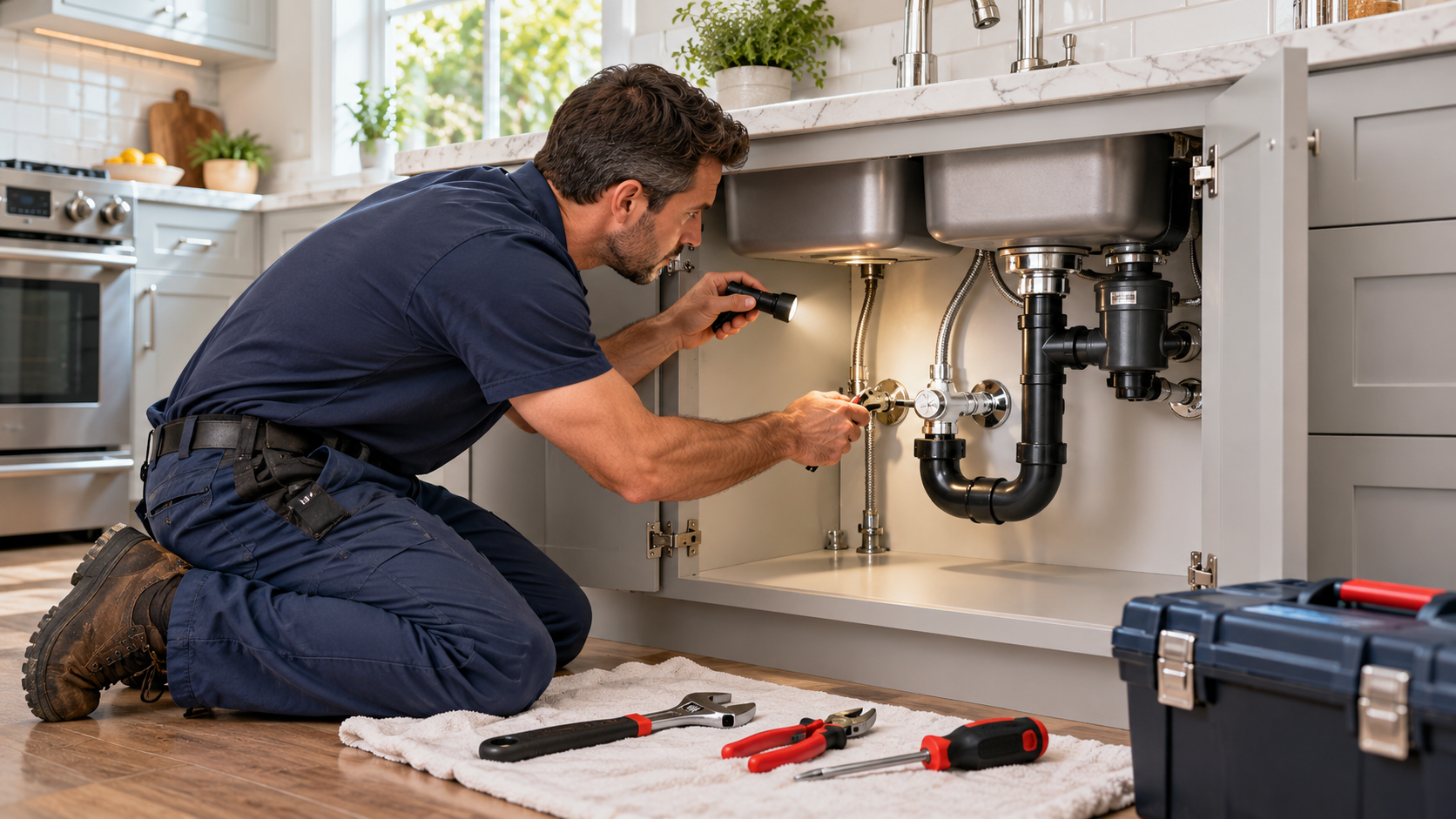
• Water appearing beneath the sink
A leak around the tap itself should be distinguished from a leak in the pipe connections underneath.
If water is collecting inside a cabinet, inspect the area carefully.
Turn off the relevant water supply if the leak is significant and contact a plumber when the source is unclear.
Ignoring small leaks can allow moisture to damage timber, cabinets, flooring, and nearby surfaces.
2. Clear Clogged Drains Carefully
Blocked or slow drains are among the most familiar Plumbing Issues in kitchens, bathrooms, and laundry areas.
Different drains tend to collect different types of material.
Kitchen drains commonly receive grease, food particles, oils, and soap.
Bathroom drains may collect hair, soap residue, personal care products, and other debris.
A slow drain often develops before a complete blockage.
Warning signs include:
• Water draining slowly
• Gurgling sounds
• Unpleasant smells
• Water backing up
• Several drains becoming slow at once
• Toilet water levels behaving unusually
A simple local blockage may sometimes be cleared with a plunger or appropriate drain cleaning method.
Repeated or widespread drainage problems can indicate a deeper issue.
If several fixtures become blocked at the same time, professional inspection may be necessary.
Plumbing Issues Caused by Drain Misuse
Many blockages begin because unsuitable materials enter the drainage system.
Avoid putting large amounts of grease, cooking oil, food scraps, wipes, paper towels, cotton products, or other unsuitable items into drains and toilets.
Products marketed as flushable can still create problems in some plumbing systems.
Preventing blockages is usually easier than removing them after they become severe.
3. Investigate Running Toilets
A toilet that continues running after flushing can waste a considerable amount of water over time.
Common causes can involve the internal flush mechanism, fill valve, seal, float, or other components inside the cistern.
Symptoms may include:
• Constant running water
• Toilet refilling repeatedly
• Unusual hissing
• Weak flushing
• Water flowing continuously into the bowl
• Unexpectedly higher water use
Sometimes the problem is visible after removing the cistern lid.
However, toilet mechanisms vary.
If a simple adjustment does not solve the problem, replacing the faulty component may be necessary.
Persistent toilet leaks should not be ignored because they can increase water consumption significantly.
4. Check Low Water Pressure
Low water pressure can affect one fixture or the entire property.
The cause depends on where the pressure problem appears.
If only one tap has low pressure, the issue may be a blocked aerator, local valve, or fixture problem.
If the whole property has weak pressure, possible causes can include:
• Partially closed valves
• Pipe restrictions
• Hidden leaks
• Supply problems
• Corrosion
• Pressure regulating equipment
• Plumbing system design
Sudden pressure loss should be investigated, especially if it appears together with damp areas or unexplained water use.
A hidden leak can reduce pressure while damaging the property.
Do not assume every pressure problem can be fixed by adjusting a valve.
Some situations require professional testing.
5. Respond Quickly to Leaking Pipes
Pipe leaks can cause serious damage when they are not identified early.
Leaks may occur around joints, fittings, valves, pipe sections, appliances, or concealed plumbing.
Visible signs include:
• Water dripping from pipes
• Damp cabinets
• Wet floors
• Water stains
• Peeling paint
• Soft plasterboard
• Mould growth
• Musty smells
• Unexplained water sounds
• Increased water usage
Hidden leaks can be particularly difficult because the water may travel before becoming visible.
A ceiling stain does not always mean the leak is directly above the stain.
Water can move along pipes, framing, or other building materials.
When a significant leak occurs, shut off the water supply if it is safe to do so and contact a plumber.
Electrical hazards should also be considered if water reaches power outlets, wiring, appliances, or electrical equipment.
Plumbing Issues and Hidden Water Leaks
Hidden leaks deserve special attention because they can continue for long periods without being obvious.
A property owner may first notice a higher water bill, a damp smell, a warm patch on the floor, or discoloration on a wall.
Some hidden leaks come from supply lines.
Others involve drainage systems.
The consequences can include:
• Damaged plasterboard
• Rotting timber
• Flooring damage
• Cabinet damage
• Mould growth
• Paint failure
• Structural deterioration
• Increased water use
Early investigation is important.
Professional plumbers may use pressure tests, moisture detection, acoustic equipment, thermal imaging, or other diagnostic methods depending on the type of system and suspected leak.
Water Heater Plumbing Issues
Water heaters are responsible for providing hot water for showers, sinks, laundry, and other household uses.
Problems can develop as equipment ages or components fail.
Common warning signs include:
• No hot water
• Water not becoming hot enough
• Water becoming too hot
• Unusual noises
• Leaking around the unit
• Rust coloured water
• Inconsistent temperature
• Reduced hot water supply
Water heating equipment can involve electricity, gas, pressurised water, or high temperatures.
For that reason, many repairs should be handled by qualified professionals.
A leaking water heater should be inspected promptly.
Water collecting around the base may indicate a valve problem, pipe connection issue, internal tank problem, or another fault.
When Water Heater Problems Need Immediate Attention
Turn off the relevant supply and seek professional assistance when there is a significant leak, suspected gas problem, electrical risk, or unusual burning smell.
Do not attempt complex repairs without the correct skills and qualifications.
Plumbing Issues Caused by High Water Pressure
Water pressure that is too high can place unnecessary stress on a plumbing system.
Although strong pressure may initially feel convenient, excessive pressure can contribute to:
• Leaking taps
• Damaged seals
• Appliance stress
• Pipe noise
• Valve wear
• Joint failures
• Reduced fixture life
A plumber can measure water pressure and determine whether pressure regulating equipment is operating correctly.
Pressure should be appropriate for the property and local plumbing requirements.
Do not adjust pressure regulating devices randomly without understanding the system.
Why Pipes Make Noise
Plumbing systems can make different sounds for different reasons.
Banging, knocking, whistling, humming, and gurgling should not automatically be treated as the same problem.
Possible causes may include:
• Water movement
• Loose pipes
• Pressure changes
• Valve problems
• Air in the system
• Drainage problems
• Water hammer
• Fixture restrictions
Water hammer occurs when moving water changes direction or stops suddenly, creating a pressure effect inside the pipes.
Occasional minor sounds may not indicate a major problem, but persistent loud noises should be investigated.
Repeated movement can place stress on pipes and fittings.
Plumbing Issues and Sewer Smells
An unpleasant sewer smell inside a property should not be ignored.
Drainage systems are designed to prevent sewer gases from entering occupied spaces.
Possible causes can include:
• Dry traps
• Drain blockages
• Damaged seals
• Ventilation problems
• Drainage leaks
• Toilet seal problems
• Sewer line issues
A rarely used drain may sometimes develop an odour because the water in its trap has evaporated.
Running water can restore the trap in some cases.
Persistent smells require further investigation.
Sewer gases should not be treated merely as an inconvenience.
A plumber can inspect drainage, seals, traps, and vents to identify the source.
Plumbing Issues With Toilets
Toilets can develop several different problems beyond continuous running.
Common faults include:
• Weak flushing
• Repeated clogging
• Water leaking around the base
• Loose toilet movement
• Slow refilling
• Cracked components
• Unusual water levels
Water around the base of a toilet can come from condensation, a supply connection, or a failed seal.
The source should be identified accurately.
A leaking toilet seal can allow water to damage flooring and subfloor materials.
Repeated clogging can also indicate a drainage problem rather than simply something inside the toilet bowl.
Burst Pipes and Emergency Plumbing Issues
A burst pipe can release a large amount of water quickly.
This is one of the plumbing problems that requires immediate action.
If a pipe bursts:
• Shut off the main water supply if safe
• Move valuable items away from the water
• Avoid electrical hazards
• Contact a professional plumber
• Document visible damage
• Begin appropriate drying once the leak is controlled
The exact cause of a burst can include pipe deterioration, physical damage, pressure problems, freezing conditions, poor installation, or joint failure.
The damaged section should be repaired, but the underlying cause also needs to be considered.
Otherwise, similar failures may occur elsewhere.
Preventing Common Plumbing Issues
Maintenance cannot prevent every plumbing failure, but it can reduce avoidable problems.
Homeowners should pay attention to small changes before they become major failures.
Useful preventive habits include:
• Repair dripping taps
• Keep unsuitable materials out of drains
• Check visible pipework periodically
• Inspect under sinks
• Monitor water pressure changes
• Watch for damp areas
• Know where the main shutoff valve is located
• Maintain water heating equipment
• Address repeated clogs
• Protect plumbing in cold climates
• Avoid overloading garbage disposal systems where installed
• Schedule professional inspections when necessary
Knowing the location of the main water shutoff is particularly important.
During a major leak, several minutes spent searching for the valve can allow a significant amount of additional water to enter the property.
Plumbing Issues in Older Homes
Older houses can have plumbing systems that differ significantly from modern installations.
Potential concerns may include aging pipe materials, older fixtures, corrosion, outdated connections, and years of modifications.
An older system should not automatically be considered unsafe.
However, age can increase the likelihood of maintenance needs.
Signs that older plumbing needs attention include:
• Frequent leaks
• Discoloured water
• Reduced pressure
• Corroded visible pipes
• Repeated drainage problems
• Unusual pipe materials
• Multiple previous repairs
When renovating an older home, plumbing should be evaluated before walls and floors are closed.
It can be easier to replace aging components while they are accessible.
Plumbing Issues During Home Renovations
Renovations can place new demands on existing plumbing.
Adding bathrooms, kitchens, appliances, or fixtures may require changes to supply lines and drainage.
Good planning should consider:
• Pipe size
• Water pressure
• Drainage capacity
• Fixture locations
• Ventilation
• Water heating demand
• Local codes
• Accessibility for future maintenance
Avoid making significant plumbing modifications without understanding the building requirements that apply.
Poorly planned work can create leaks, drainage problems, or access difficulties later.
DIY Plumbing Issues Versus Professional Repairs
Some basic plumbing tasks can be manageable for homeowners.
Examples may include cleaning an accessible tap aerator, using a plunger, or identifying the location of a shutoff valve.
However, complex repairs can create larger problems when performed incorrectly.
Professional help is generally appropriate when the work involves:
• Hidden leaks
• Burst pipes
• Sewer lines
• Gas systems
• Water heaters
• Major drainage problems
• Structural damage
• Repeated pressure problems
• Pipe replacement
• Significant fixture installation
• Work requiring permits or licensed trades
Local rules can also restrict who is allowed to perform certain types of plumbing work.
Always check the requirements that apply in your area.
How to Choose a Plumber for Plumbing Issues
When professional help is needed, choose a plumber based on more than price.
Consider:
• Licensing where required
• Insurance
• Experience
• Written quotes
• Clear communication
• Availability
• Relevant specialist knowledge
• Customer reviews
• Warranty information
• Transparent payment terms
Describe the symptoms clearly when requesting service.
Mention when the problem started, which fixtures are affected, whether water is visible, and whether the issue is becoming worse.
Good information can help the plumber prepare for the visit.
When Plumbing Issues Become an Emergency
Not every dripping tap needs emergency service.
However, certain situations require urgent attention.
Examples include:
• Burst pipes
• Major uncontrolled leaks
• Sewage backing into the property
• Water entering electrical areas
• No water supply caused by an internal fault
• Serious water heater leaks
• Suspected gas related problems
• Rapid flooding
• Significant ceiling leaks
If water is approaching electricity, personal safety comes first.
Do not enter areas where electrical hazards may exist.
Emergency repairs should focus on controlling immediate damage and making the property safe.
Permanent repairs can then be completed after the cause is identified.
Plumbing Issues and Water Damage
One of the main reasons plumbing problems become expensive is that the water damages materials beyond the pipe itself.
Water can affect:
• Timber framing
• Plasterboard
• Insulation
• Flooring
• Cabinets
• Paint
• Electrical systems
• Furniture
• Personal belongings
Stopping the leak is only the first step.
Wet materials may also need professional drying, cleaning, repair, or replacement.
Moisture trapped inside walls and floors can create additional problems if it is not addressed properly.
Frequently Asked Questions
What are the most common Plumbing Issues in homes?
Common Plumbing Issues include leaking taps, blocked drains, running toilets, low water pressure, leaking pipes, water heater problems, sewer smells, and hidden leaks.
What causes repeated clogged drains?
Repeated clogs can result from grease, hair, soap, food waste, unsuitable flushed materials, damaged pipes, or deeper drainage problems that require professional inspection.
When should I call a plumber for Plumbing Issues?
Call a plumber when there is a major leak, repeated blockage, hidden water damage, sewer problem, water heater fault, pipe failure, or an issue you cannot safely diagnose.
Can low water pressure indicate a plumbing leak?
Yes. Low water pressure can have several causes, including local fixture restrictions, valve problems, supply issues, pipe restrictions, or hidden leaks.
How can I prevent common Plumbing Issues?
Regularly inspect visible plumbing, repair small leaks, keep unsuitable materials out of drains, maintain equipment, monitor pressure changes, and know where your main shutoff valve is located.
Are Plumbing Issues covered by home insurance?
Coverage depends on the insurance policy, cause of damage, maintenance history, and exclusions. Property owners should review their own policy or contact their insurer for specific information.
Conclusion
Plumbing Issues can begin as small inconveniences but may develop into serious water damage when warning signs are ignored. Leaks, blocked drains, pressure changes, running toilets, and water heater faults should be investigated according to their severity and cause. Preventive maintenance, careful drain use, regular inspection, and quick action can reduce unnecessary damage. When a problem involves hidden leaks, major pipework, sewer systems, or safety risks, professional plumbing assistance is usually the most reliable approach.