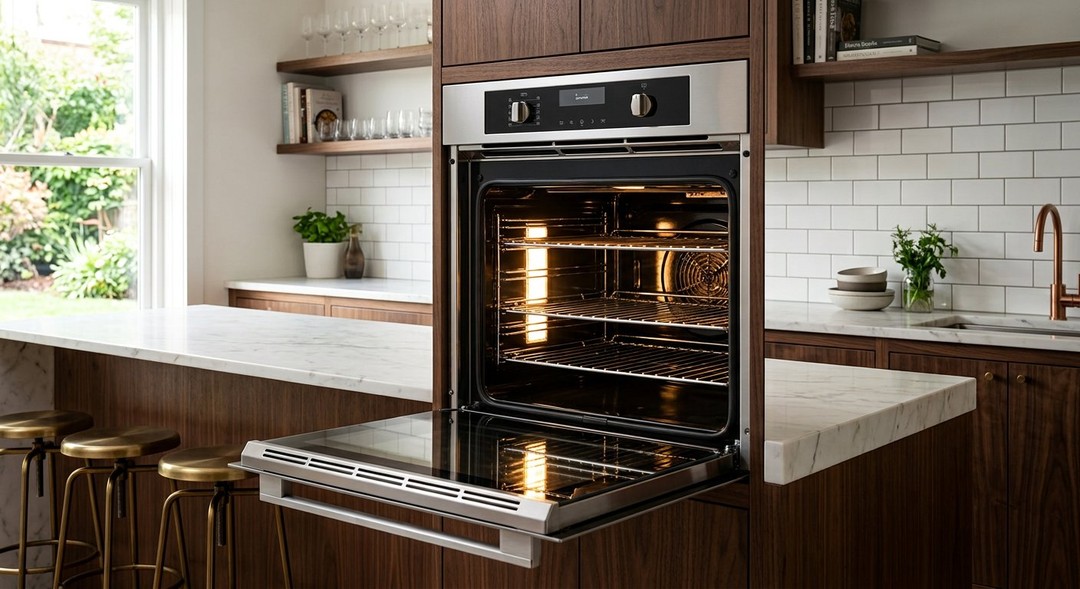
The Hidden Dangers of Oven Grease and Why Professional Deep Cleaning Matters
Regular oven cleaning is essential for maintaining a clean, comfortable, and functional kitchen. Cooking oils, food splashes, and grease gradually accumulate inside ovens, forming stubborn deposits that become increasingly difficult to remove after repeated exposure to heat. These deposits can produce unpleasant odors, excessive smoke, and additional maintenance problems.
Professional cleaning services can help homeowners manage heavy grease accumulation without relying on aggressive household cleaning methods. While everyday spills can often be removed through routine maintenance, deeply baked-on residue may require specialized products and careful handling. Understanding when professional assistance is appropriate can help protect your appliance and improve everyday cooking conditions.
Why Oven Cleaning Is Essential for Every Kitchen
An oven experiences repeated heating, food spills, moisture, and grease exposure during normal cooking. These conditions create opportunities for residue to accumulate on interior walls, racks, trays, and accessible surfaces. Without regular maintenance, deposits can become increasingly difficult to remove.
Consistent oven cleaning helps prevent excessive buildup and makes future maintenance easier. It also allows homeowners to identify visible damage, deteriorating seals, or other concerns that may require appliance servicing.
How Grease Accumulates Inside an Oven
Cooking oils and fats can splatter during roasting, baking, and grilling. Small amounts may settle on oven walls or drip onto lower surfaces, where repeated heating gradually hardens the residue.
Professional oven cleaning becomes useful when these deposits develop into thick layers that ordinary wiping cannot remove effectively. Addressing buildup early usually requires less effort than removing residue after numerous cooking cycles.
Why Grease Becomes Difficult to Remove
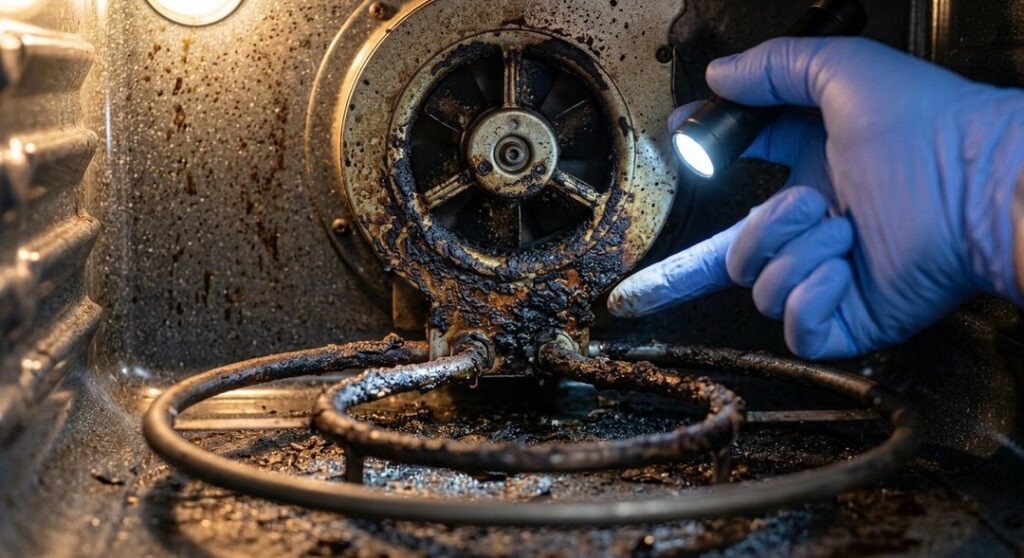
Repeated heating can change the texture and adhesion of cooking oils and food residue. Some deposits become sticky, dark, or firmly bonded to interior surfaces, making ordinary cleaning less effective.
Aggressive scraping can damage certain oven coatings and finishes. Using suitable cleaning methods is therefore more important than simply applying greater force.
Hidden Problems Caused by Oven Grease Buildup
Grease accumulation is not purely an appearance issue. Significant deposits can produce smoke, contribute to unpleasant odors, and create difficult cleaning conditions during everyday cooking.
Routine oven cleaning reduces unnecessary residue and helps homeowners maintain accessible interior surfaces. However, the appliance must also be used and maintained according to manufacturer instructions.
Increased Risk of Grease Fires
Cooking grease and food residue can ignite under certain conditions when exposed to sufficient heat. The actual risk depends on the amount and location of buildup, appliance design, and cooking temperature.
Regular oven cleaning helps reduce unnecessary combustible deposits inside the appliance. However, cleaning cannot eliminate every potential kitchen fire hazard or replace safe cooking practices.
Smoke During Cooking
Accumulated grease may produce smoke when the oven reaches higher temperatures. This can create an uncomfortable kitchen environment and may affect indoor air quality.
If substantial smoke appears, discontinue cooking when safe and investigate after the appliance cools. Persistent smoke may indicate a problem that requires qualified appliance assessment.
Unpleasant Burning Odors
Old food residue and grease can produce strong smells when repeatedly heated. These odors may spread throughout the kitchen and remain noticeable after cooking has finished.
Deep oven cleaning can remove accessible deposits responsible for some unpleasant odors. Electrical, chemical, or gas-related smells require separate investigation rather than ordinary cleaning.
Poor Visibility Through Oven Glass
Grease and food splashes can gradually cover the oven door glass. This reduces visibility and makes it harder to monitor food without opening the door.
Cleaning accessible glass surfaces can improve visibility and restore a cleaner appearance. Internal glass panels should only be removed when the manufacturer permits safe access.
Signs Your Oven Needs Professional Cleaning
Not every dirty oven requires a professional service. Light grease and recent spills can often be managed through routine cleaning with compatible household products.
However, certain conditions suggest that professional oven cleaning may provide practical benefits. Recognizing these signs can help homeowners avoid unnecessary scraping or unsuitable chemicals.
Thick Layers of Hardened Grease
Dark, sticky deposits on oven walls, racks, and lower surfaces indicate accumulated residue. These layers may become difficult to remove because they have been exposed to repeated heating.
Professional cleaners can assess the buildup and select suitable methods for accessible areas. The cleaning process should respect the appliance’s coatings and manufacturer restrictions.
Persistent Smoke During Heating
Smoke that repeatedly appears during cooking may indicate residue contacting hot surfaces. If the oven continues smoking after appropriate cleaning, the cause may be unrelated to grease.
A qualified appliance technician should investigate persistent or unexplained smoke. Continuing to use an appliance that appears unsafe is not advisable.
Dirty Oven Racks and Trays
Racks and trays can collect grease, food particles, and stubborn stains. Heavy deposits may make these accessories difficult to handle and clean.
Professional oven cleaning often includes removing suitable accessories for separate treatment. Cleaning methods should be compatible with their protective finishes and materials.
Lingering Food Odors
An oven that smells strongly of burnt food after normal cooking may contain old deposits. These can remain on accessible surfaces even when the appliance looks relatively clean.
Thorough cleaning may resolve odors caused by residue. If unusual smells continue, further appliance inspection may be necessary.
Why Professional Oven Cleaning Is Worth Considering
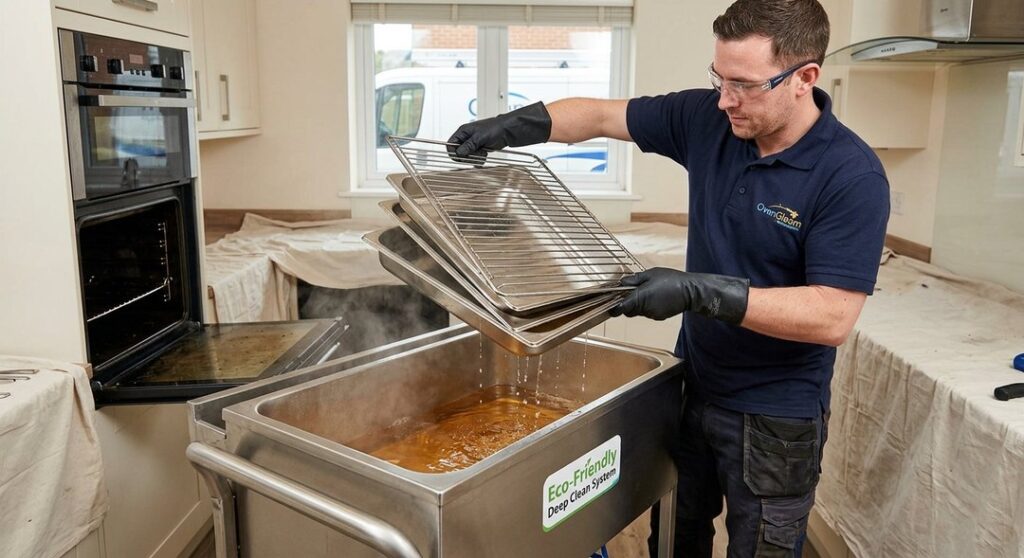
Professional cleaning can be particularly valuable when grease has accumulated over an extended period. Some homeowners also prefer professional assistance because deep cleaning requires considerable time and physical effort.
A reliable professional oven cleaning service should use suitable equipment, understand appliance limitations, and follow relevant safety procedures. The objective is thorough residue removal without unnecessary damage.
Appropriate Cleaning Equipment
Professional cleaners may use specialized brushes, non-scratch tools, compatible degreasers, and equipment for cleaning removable accessories. These tools can make stubborn residue easier to manage when used correctly.
However, professional equipment is not automatically suitable for every oven. Product compatibility and manufacturer instructions remain essential.
Experience With Different Oven Designs
Built-in ovens, double ovens, freestanding cookers, and range cookers have different cleaning requirements. Some contain special interior coatings or self-cleaning components that restrict certain methods.
Experienced professionals should recognize these differences before beginning work. Applying the same cleaning process to every appliance can increase the risk of damage.
Reduced Physical Effort
Removing stubborn grease can involve repetitive scrubbing and working in uncomfortable positions. This may be particularly difficult for homeowners with limited mobility or physical restrictions.
Professional oven cleaning can reduce this burden while helping maintain the appliance. It may also save time compared with repeated household cleaning attempts.
More Thorough Access to Removable Components
Oven racks, trays, and other suitable accessories can often be cleaned separately. This allows easier access to areas that are difficult to reach when everything remains installed.
Only manufacturer-approved components should be removed. Electrical, gas, and sealed mechanical assemblies should not be dismantled during ordinary cleaning.
Professional Oven Cleaning Versus DIY Cleaning
Both professional and household cleaning have appropriate applications. The best choice depends on grease severity, appliance design, personal experience, and available time.
DIY oven cleaning can be practical for routine maintenance, while professional services may be preferable for extensive deposits. Neither approach should involve methods prohibited by the appliance manufacturer.
When DIY Cleaning Is Suitable
Small spills, light grease, and accessible surfaces can often be cleaned using approved household products. Regular attention helps prevent deposits from becoming heavily baked onto surfaces.
Always allow the appliance to reach a safe temperature before ordinary manual cleaning. Follow product instructions and avoid applying chemicals to sensitive components.
When Professional Cleaning Makes Sense
Professional assistance may be useful when deposits are extensive, hardened, or difficult to reach. It can also help when homeowners are uncertain about compatible cleaning products.
A professional cleaner should recognize when a problem requires appliance servicing instead. Cleaning is not a substitute for repairing faulty electrical or gas components.
How Professional Oven Cleaning Works
Professional services generally follow a structured process to assess the appliance and remove appropriate residue. Exact procedures vary according to oven design, condition, and service provider.
Understanding the typical process helps homeowners evaluate what is included. It also makes it easier to identify whether a company follows reasonable safety practices.
Initial Appliance Inspection
The cleaner examines visible grease buildup, accessible interior surfaces, racks, and door glass. This assessment helps identify areas requiring attention and surfaces that need special care.
Any obvious damage should be considered before cleaning begins. Suspected electrical or gas faults require qualified servicing.
Preparing the Cleaning Area
Nearby kitchen surfaces may be protected from splashes or cleaning residue. Suitable protective equipment should be used when handling cleaning chemicals.
The appliance should be switched off and cooled according to safe procedures. Professional oven cleaning should not begin while ordinary manual cleaning would create unnecessary burn risks.
Removing Suitable Accessories
Racks and manufacturer-approved accessories may be removed for separate cleaning. This provides better access and allows suitable items to be treated independently.
Not every accessory can be immersed or exposed to strong degreasers. The cleaning method should match the material and manufacturer guidance.
Cleaning Interior Surfaces
Accessible oven walls and other suitable areas are cleaned using compatible products. Stubborn deposits may require additional treatment rather than aggressive scraping.
Heating elements, fans, sensors, seals, and ventilation openings should be protected. Cleaning products must not be applied indiscriminately.
Final Inspection and Reassembly
After cleaning, the technician removes product residue according to the cleaner’s instructions. Suitable accessories are then reinstalled correctly.
The appliance should only return to normal use when all relevant safety and product requirements have been satisfied. Any suspected technical fault should be referred to a qualified repair professional.
Different Oven Cleaning Methods Explained
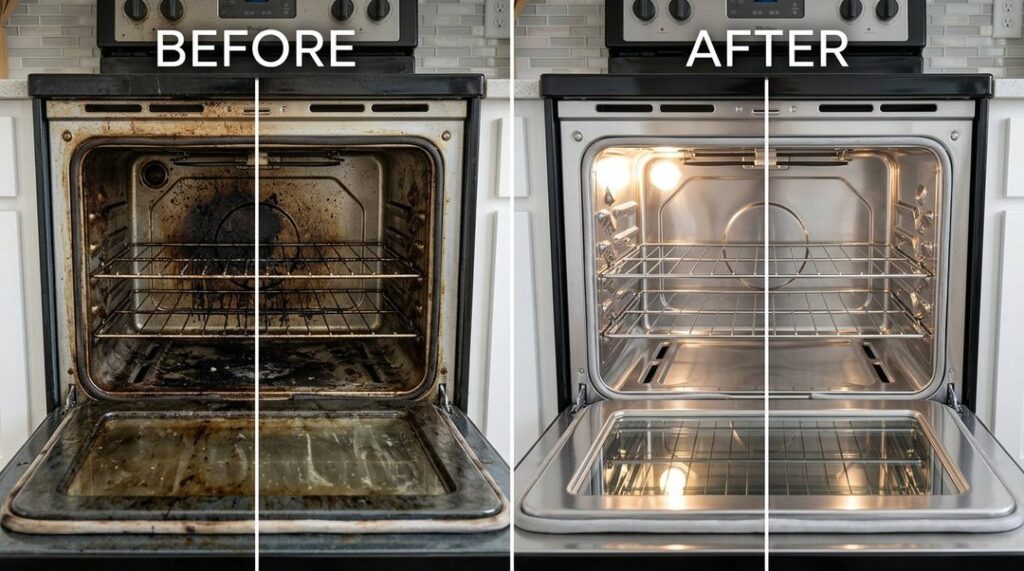
Modern ovens support several cleaning approaches, and each has limitations. Choosing the correct method depends on the appliance’s construction and the type of residue present.
Professional oven cleaning should always follow the manufacturer’s guidance. A technique that works on one oven may damage another.
Manual Oven Cleaning
Manual cleaning involves wiping and removing deposits from accessible surfaces using compatible products. It is suitable for many conventional ovens and removable accessories.
This approach gives the cleaner direct control over the surfaces being treated. However, heavily baked-on grease may require more time and repeated attention.
Steam-Assisted Cleaning
Some ovens include steam-assisted programs that use moisture to soften lighter deposits. These features can make subsequent wiping easier.
Steam assistance does not necessarily remove substantial grease buildup. Follow the manufacturer’s instructions for water quantity, temperature, and operating procedures.
Pyrolytic Self-Cleaning
Pyrolytic ovens use high-temperature cleaning cycles to break down certain food residues. These programs operate at temperatures above normal cooking settings.
The manufacturer may require accessories to be removed and ventilation guidance to be followed. Never assume that every oven supports pyrolytic cleaning.
Catalytic Oven Liners
Some appliances contain catalytic surfaces designed to help manage grease during operation. These liners may have special cleaning restrictions.
Strong abrasives or incompatible chemicals can damage the coating. Always check the manufacturer’s maintenance instructions before cleaning these surfaces.
Why Cleaning Products Must Be Selected Carefully
Cleaning chemicals vary in strength, ingredients, and intended applications. Some products contain strong alkaline substances that can cause skin or eye injuries.
Safe oven cleaning requires attention to product labels, protective equipment, and surface compatibility. Using more chemical than recommended does not necessarily improve results.
Avoid Mixing Chemicals
Combining incompatible cleaning products can cause dangerous reactions. Certain mixtures may release harmful gases or generate heat.
Never mix bleach, ammonia-based products, acids, or other cleaners unless the manufacturer specifically provides safe instructions. Use products only as directed.
Protect Interior Coatings
Oven interiors may contain enamel, catalytic materials, stainless steel, or other finishes. Different surfaces can respond differently to cleaning chemicals.
Professional oven cleaning should use methods appropriate to each material. Damage to protective coatings can create additional maintenance problems.
Follow Ventilation Instructions
Some cleaning products require ventilation during application or afterward. Their labels should explain relevant precautions.
Opening windows may help when appropriate, but ventilation alone does not make unsafe chemical use acceptable. Follow all specified handling and exposure controls.
Oven Cleaning and Kitchen Fire Safety
Combustible food residue and grease should not be allowed to accumulate unnecessarily. Removing these deposits is one practical part of kitchen fire prevention.
However, oven cleaning should be combined with correct appliance use, safe cooking habits, and attention to equipment condition. No cleaning schedule can guarantee that a cooking fire will never occur.
Remove Loose Food Debris
Crumbs and spilled food can become heavily baked onto oven surfaces. Remove suitable debris after the appliance has cooled.
Avoid placing foil or other materials directly on the oven floor unless the manufacturer permits it. Improper placement can interfere with heat distribution or ventilation.
Keep Ventilation Openings Clear
Ovens rely on designed airflow for normal operation. Blocked vents can interfere with appliance performance and safety.
Do not obstruct ventilation openings with trays, foil, or cleaning materials. Seek professional advice if a vent appears damaged or unusually blocked.
Respond Appropriately to an Oven Fire
If a fire develops inside the oven, do not open the door simply to inspect the flames. If safe, turn off the appliance and follow appropriate fire emergency guidance.
Never throw water onto burning grease. If the fire does not quickly subside or the situation is unsafe, evacuate and contact emergency services.
Cleaning Oven Doors and Glass Panels
Oven door glass gradually collects cooking residue. This can reduce visibility and affect the appearance of the appliance.
Regular oven cleaning helps maintain accessible glass surfaces. However, door construction varies between manufacturers.
Cleaning Exterior and Interior Glass
Use products approved for the glass surface. Avoid aggressive scraping or abrasive tools unless explicitly permitted.
Careful cleaning can remove grease without damaging the finish. Persistent marks may require additional treatment with compatible products.
Cleaning Between Glass Panels
Some oven doors allow glass panels to be removed for cleaning. Other designs are not intended for routine disassembly.
Only follow manufacturer-approved procedures. Professional oven cleaning should not involve forcing sealed components apart.
Why Oven Racks Need Regular Cleaning
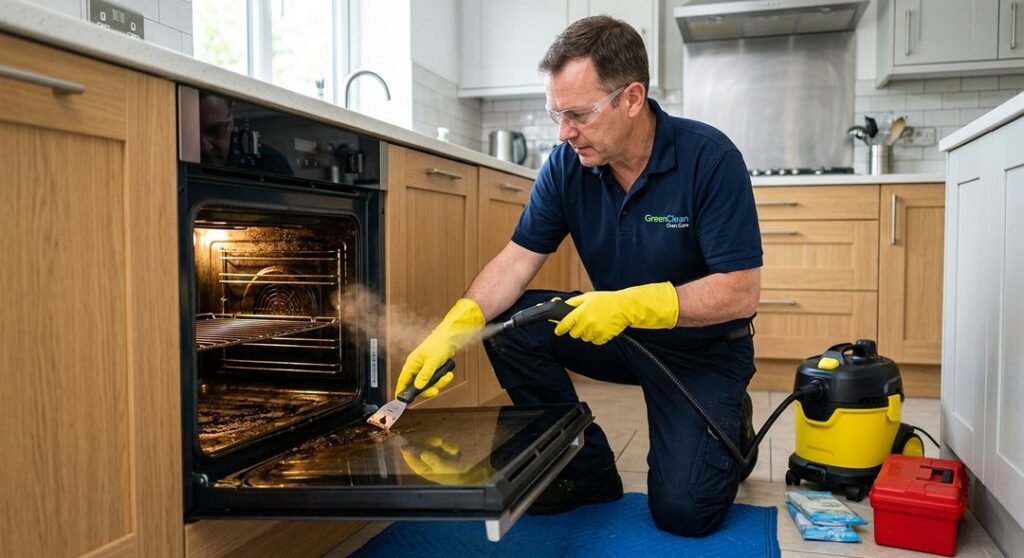
Racks are exposed to repeated heating, food spills, and grease. Deposits can gradually build around metal surfaces and become difficult to remove.
Cleaning racks separately can improve access to stubborn residue. However, their coatings and finishes must be considered.
Use Suitable Soaking Methods
Certain removable accessories can be soaked in compatible cleaning solutions. Others may have finishes that require gentler treatment.
Check the manufacturer’s recommendations before using strong degreasers. Incorrect chemical exposure can damage protective surfaces.
Avoid Excessive Scrubbing
Aggressive scrubbing may scratch or remove certain coatings. Non-scratch tools are preferable where recommended.
Professional oven cleaning should focus on removing residue while preserving the accessory’s intended condition.
Special Considerations for Gas Ovens
Gas ovens contain burners, ignition systems, and fuel-related components. These require additional care during maintenance.
Professional oven cleaning should avoid disturbing gas connections or assemblies outside approved cleaning procedures. Gas repairs require appropriately qualified professionals.
Recognize Gas-Related Problems
A gas smell may indicate a leak or another serious issue. Do not attempt to operate or clean the appliance while the concern remains unresolved.
Follow the gas supplier’s emergency instructions and avoid activities that could create sparks. Seek immediate professional assistance when necessary.
Electric Oven Cleaning and Safety
Electric ovens contain heating elements, sensors, fans, and electrical connections. Water and cleaning chemicals must be kept away from sensitive areas according to manufacturer instructions.
Professional oven cleaning should never involve unnecessary interference with these components. Technical repairs require appropriate qualifications.
Avoid Spraying Electrical Areas
Do not spray cleaning products directly into controls, ventilation openings, or inaccessible electrical compartments. Liquid exposure can create equipment problems.
Use application methods approved for the relevant surfaces. Follow appliance isolation instructions before cleaning.
Identify Signs of Electrical Faults
Repeated circuit trips, damaged wiring, unusual electrical smells, or malfunctioning controls require professional assessment. Cleaning alone will not correct these problems.
Stop using an appliance that appears electrically unsafe. Contact a qualified technician for diagnosis.
How Often Should Oven Cleaning Be Done?
Cleaning frequency depends on cooking habits, appliance design, and residue accumulation. Someone who frequently roasts fatty foods may need more regular attention than someone who mostly prepares covered dishes.
A practical oven cleaning routine combines prompt spill removal with periodic inspection. Deep cleaning should be based on actual condition rather than an arbitrary schedule alone.
After Cooking
Once the oven has cooled, inspect accessible surfaces for visible spills. Remove suitable residue before repeated heating makes it harder to clean.
This simple habit can reduce the need for intensive scrubbing later. Always follow manufacturer instructions.
Regular Maintenance
Inspect racks, trays, door glass, and accessible interior surfaces periodically. Light deposits are usually easier to manage than thick layers.
Regular oven cleaning also provides an opportunity to notice visible damage or unusual residue.
Professional Deep Cleaning
Consider professional assistance when grease becomes extensive or household cleaning methods are no longer practical. Service frequency should reflect actual appliance use and condition.
A heavily used oven may require more attention than one used occasionally. There is no universal professional cleaning interval suitable for every household.
How to Prevent Grease Buildup
Preventing grease accumulation is usually easier than removing heavily baked-on deposits. Small cooking adjustments can help reduce unnecessary spills.
Routine oven cleaning remains important even when preventive measures are used. No cooking method completely eliminates residue.
Use Appropriate Cooking Trays
Suitable trays can contain food juices and grease during roasting. Their placement should not interfere with the oven’s airflow.
Follow the manufacturer’s guidance regarding shelf positions and accessories. Avoid placing unapproved materials on the oven floor.
Avoid Overfilled Baking Dishes
Food can bubble, expand, or splash during heating. Overfilled dishes increase the possibility of spills.
Choose cookware with adequate capacity for the recipe. This reduces unnecessary residue inside the appliance.
Address Spills Promptly
Food deposits become harder to remove after repeated heating. Cleaning suitable surfaces once the oven cools can prevent more stubborn buildup.
Avoid attempting ordinary manual cleaning while surfaces remain dangerously hot. Safe timing matters as much as cleaning frequency.
Does Oven Cleaning Improve Energy Efficiency?
A cleaner oven is easier to inspect and maintain, but claims about major energy savings should be approached cautiously. Energy consumption depends on appliance design, insulation, seals, temperature settings, and cooking habits.
Professional oven cleaning may address residue-related problems, but it cannot guarantee a measurable reduction in electricity or gas use. Faulty components require separate servicing.
Check Door Seals
Damaged or deteriorating seals can affect heat retention. During cleaning, homeowners may notice cracks, gaps, or visible wear.
Replacement should use suitable parts and approved procedures. A cleaner should not attempt repairs beyond their qualifications.
Investigate Persistent Heating Problems
Uneven cooking or unusually long heating times can have several causes. These may include temperature sensors, thermostats, fans, or heating elements.
If problems continue after routine maintenance, consult an appliance technician. Cleaning should not be used as a substitute for diagnosis.
Oven Cleaning for Commercial Kitchens
Commercial kitchens may operate ovens for extended periods. Frequent cooking can create substantial grease and food residue.
Commercial oven cleaning should follow equipment-specific procedures and applicable workplace safety requirements. Cleaning schedules should reflect actual usage and operational conditions.
Restaurant Oven Maintenance
Restaurants and catering businesses may require documented cleaning procedures. These can form part of broader kitchen hygiene and equipment maintenance systems.
Staff should receive appropriate training in cleaning chemicals and equipment handling. Commercial appliances may have specialized cleaning functions.
Specialized Commercial Equipment
Combi ovens, convection ovens, and large commercial cooking systems can have different maintenance requirements. Some use automated cleaning cycles or manufacturer-approved chemical systems.
Professional oven cleaning services should understand these differences before beginning work. Using incompatible products can damage expensive equipment.
Common Oven Cleaning Mistakes to Avoid
Many oven maintenance problems arise from incorrect cleaning techniques. Excessive force, unsuitable chemicals, and failure to follow manufacturer instructions can damage surfaces or create hazards.
Avoiding common mistakes makes oven cleaning safer and more manageable. It also reduces the likelihood of unnecessary appliance repairs.
Cleaning While Surfaces Are Hot
Ordinary cleaning products should not be applied to dangerously hot surfaces. Heat can increase burn risk and affect chemical behavior.
Allow the oven to cool before manual cleaning unless following an approved built-in cleaning program. Always respect the manufacturer’s instructions.
Using Sharp Metal Tools
Metal scrapers can scratch glass or damage protective coatings when used incorrectly. Some surfaces require non-abrasive cleaning tools.
Professional oven cleaning should use methods compatible with the appliance. Forceful scraping is not a substitute for appropriate cleaning products.
Applying Excessive Chemicals
Using more degreaser than recommended can create unnecessary residue and exposure risks. Follow the manufacturer’s specified application quantities.
Cleaning products should be removed according to their instructions. Never assume that heating the oven will safely eliminate leftover chemicals.
Ignoring Appliance Problems
Persistent smoke, damaged seals, faulty controls, or unusual electrical behavior should not be dismissed as ordinary dirt. Some issues require technical servicing.
Cleaning may improve appearance without correcting the underlying fault. Professional assessment is appropriate when appliance safety is uncertain.
How to Choose a Professional Oven Cleaning Service
Not all cleaning companies provide identical services. Some specialize in domestic ovens, while others focus on commercial kitchen equipment.
Before booking professional oven cleaning, review the company’s experience, methods, insurance, and service scope. Clear communication helps prevent misunderstandings.
Ask About Experience
A suitable provider should understand different oven designs and cleaning restrictions. Experience with the specific appliance type is particularly useful.
Ask how the company handles sensitive coatings, door glass, and removable accessories. Avoid providers who promise to dismantle components without considering manufacturer guidance.
Confirm Service Inclusions
Cleaning packages can vary considerably. Some include racks and accessible door glass, while others charge separately for additional accessories.
Request a clear description of the work. This makes it easier to compare quotations fairly.
Check Insurance
Appropriate business insurance may provide protection if accidental damage occurs during cleaning. Coverage details vary between companies.
Ask whether the provider holds relevant insurance and understands its limitations. Insurance should complement careful working practices.
Review Customer Feedback
Customer reviews can provide information about punctuality, communication, and service quality. Repeated patterns are often more useful than isolated comments.
However, reviews do not independently prove technical competence. Combine feedback with questions about methods and qualifications.
How Much Does Professional Oven Cleaning Cost?
Professional oven cleaning prices vary according to appliance size, location, condition, and service requirements. A standard single oven may involve less work than a large range cooker with multiple compartments.
Severe grease buildup can also influence the amount of time required. Requesting a written quotation helps clarify expected charges.
Factors Affecting Cleaning Costs
Common pricing considerations include:
- Oven size and design
- Number of cooking compartments
- Level of grease buildup
- Accessibility
- Removable accessories
- Travel distance
- Additional cleaning services
The final cost should reflect the agreed work rather than assumptions about what every cleaning package includes.
Compare Overall Value
The cheapest service may not provide the most suitable approach. Safe cleaning methods, experience, insurance, and clear service descriptions matter.
Professional oven cleaning should be evaluated according to reliability and appropriate care for the appliance. Avoid choosing solely on price.
Is Professional Oven Cleaning Worth the Cost?
Professional cleaning can provide value when grease deposits are extensive or difficult to remove. It may save time and reduce the physical effort required for deep cleaning.
However, not every oven needs frequent professional attention. Regular household maintenance can often manage ordinary residue effectively.
The most practical approach is to combine routine oven cleaning with specialist assistance when the condition of the appliance justifies it. This avoids unnecessary spending while maintaining reasonable cleanliness.
When Oven Cleaning Is Not Enough
Some appliance problems require repair rather than cleaning. Faulty heating elements, temperature controls, ignition systems, or electrical connections cannot be corrected simply by removing grease.
Professional oven cleaning providers should recognize these limitations. Homeowners should seek qualified technical assistance when problems extend beyond ordinary maintenance.
Persistent Heating Problems
If the oven does not heat correctly or repeatedly produces uneven cooking results, technical components may require inspection. Cleaning alone may not resolve the issue.
A qualified appliance technician can investigate the cause. Avoid replacing parts without an appropriate diagnosis.
Electrical or Gas Concerns
Electrical faults and suspected gas leaks require specialized attention. They should not be handled as routine cleaning problems.
Follow relevant emergency guidance when necessary. Do not continue using an appliance that appears unsafe.
A Simple Oven Cleaning Maintenance Routine
A consistent maintenance routine can prevent ordinary residue from becoming a major cleaning task. It also allows homeowners to notice changes in appliance condition.
Useful habits include:
- Inspecting visible spills after cooking
- Cleaning appropriate surfaces once cool
- Using suitable cooking trays
- Keeping removable racks clean
- Maintaining accessible door glass
- Avoiding blocked ventilation openings
- Following manufacturer instructions
- Scheduling deep cleaning when necessary
- Seeking qualified repairs for appliance faults
These practices help keep oven cleaning manageable. They also reduce unnecessary grease accumulation without requiring aggressive chemicals or frequent professional visits.
FAQ’s
Why is professional oven cleaning important?
Professional oven cleaning can remove stubborn grease and baked-on food residue that may be difficult to address with ordinary household methods. It is particularly useful when deposits become extensive.
Can grease buildup inside an oven cause a fire?
Yes. Accumulated grease and food residue can contribute to ignition under certain high-temperature conditions. Regular cleaning helps reduce unnecessary combustible deposits.
How often should oven cleaning be done?
Cleaning frequency depends on usage, cooking habits, and visible residue. Remove suitable spills regularly and consider deeper cleaning when grease becomes difficult to manage.
Is professional oven cleaning better than DIY cleaning?
Professional services can be helpful for extensive grease buildup or difficult cleaning tasks. Routine light cleaning is often manageable at home using approved methods.
Can oven cleaning improve appliance performance?
Cleaning can remove smoke-producing residue and improve visibility through oven glass. However, it does not reliably correct heating-element, thermostat, or other mechanical faults.
What should homeowners avoid during oven cleaning?
Avoid mixing chemicals, using unsuitable abrasives, spraying sensitive components, and applying ordinary cleaning products to hot surfaces. Always follow manufacturer instructions.
Conclusion
Oven cleaning is an important part of maintaining a cleaner and safer cooking environment. Grease, cooking oils, and food deposits can gradually harden through repeated heating, contributing to smoke, unpleasant odors, and difficult cleaning conditions. Routine maintenance helps prevent excessive buildup, while professional oven cleaning can provide practical assistance when stubborn residue requires more thorough attention.
The best approach combines preventive habits, compatible cleaning products, and professional support when appropriate. Homeowners should avoid aggressive cleaning methods, protect sensitive components, and recognize when appliance faults require qualified repairs. By managing grease accumulation consistently, households can maintain a more comfortable kitchen and keep their ovens in better condition for everyday use.
