
Create More Social Video Without Turning Your Brand Into a Content Factory
Short-form video puts small brands in a difficult position. Customers expect frequent, polished content, but producing every clip traditionally can require scripting, locations, cameras, products, talent, editing, and repeated reshoots. Seedance 2.0 represents the newer generation of AI video tools that can potentially reduce parts of that workload by generating or transforming video from creative instructions and reference materials.
For a small team, the real opportunity with Seedance 2.0 is not simply generating the largest possible number of clips. AI video becomes more useful when it removes repetitive production work while humans retain responsibility for strategy, factual accuracy, brand identity, rights, and final approval. Used carefully, that workflow can help a small business maintain a useful social presence without making constant content production its entire job.
What Is Seedance 2.0
Seedance 2.0 refers to ByteDance’s newer-generation AI video generation technology in the Seedance family. It is associated with generative video workflows that can create moving visual content from prompts and, depending on the currently available implementation, reference inputs and other creative controls.
Because AI products evolve quickly, exact Seedance 2.0 features, availability, interfaces, limits, pricing, supported resolutions, generation lengths, audio capabilities, and geographic access should be verified through ByteDance or the relevant official product platform before purchase or commercial deployment.
That qualification matters.
An AI model can be announced, tested, integrated into particular products, or made available differently across markets. A description of Seedance 2.0 should not turn temporary product details into permanent claims.
Why AI video matters to small brands
Large companies can divide social-media work among strategists, producers, designers, videographers, editors, copywriters, and paid-media teams.
A small business may have one person doing several of those jobs.
Seedance 2.0 can potentially compress parts of production. A marketer can move from an idea to a visual draft without organizing a complete video shoot for every concept.
That can be valuable for:
- Product concepts
- Social advertisements
- Lifestyle-style visuals
- Storyboards
- Campaign prototypes
- Brand mood videos
- Background footage
- Educational sequences
- Creative variations
- Vertical social clips
The important word is potentially. Suitability depends on the particular campaign and the current capabilities of the tool.
Why Social Video Causes Burnout for Small Teams

The pressure to post constantly can turn marketing into a production treadmill.
One video goes live, and immediately another needs to be conceived. The team monitors trends, writes scripts, shoots footage, edits versions for different platforms, responds to comments, measures results, and starts again.
The result can be volume without strategy.
Seedance 2.0 can reduce some production friction, but technology does not fix an unsustainable editorial calendar by itself.
Small brands need a content system before they need more content.
The goal should not be posting every day
Posting frequency should reflect audience expectations, resources, platform strategy, and content quality.
There is no universal rule that every small brand needs multiple daily videos.
A smaller number of useful clips can outperform a large quantity of irrelevant ones.
Seedance 2.0 is therefore most valuable when it makes worthwhile ideas easier to produce rather than when it encourages a company to flood feeds with generic AI content.
9 Powerful Ways Seedance 2.0 Can Support Small Brands
AI video offers several possible advantages, but they become meaningful only when tied to a practical marketing objective.
These nine uses focus on reducing workload while maintaining creative oversight.
1. Seedance 2.0 Can Speed Up Creative Prototyping
Traditional video concepts can be expensive to test because someone may need to film them before the team knows whether the creative direction works.
AI changes the economics of early experimentation.
With Seedance 2.0, a brand may be able to visualize several interpretations of a concept before committing resources to full production.
This is particularly useful during preproduction.
Turn a written idea into something the team can see
Imagine a skincare brand considering a campaign centered on a summer morning routine.
A written creative brief explains the concept, but stakeholders may imagine completely different visual styles.
Seedance 2.0 can potentially help create rough visual directions showing lighting, camera mood, composition, and pacing.
The team can then discuss something tangible.
The generated clip does not have to become the final advertisement to deliver value.
Prototypes can prevent expensive reshoots
AI-generated storyboards or motion concepts can identify creative problems before physical production.
Perhaps the intended product angle feels awkward, the sequence contains too many shots, or the visual metaphor distracts from the product.
Finding that problem during Seedance 2.0 experimentation can be cheaper than discovering it after a location, crew, and talent have been booked.
2. Small Teams Can Create More Visual Variations
Social content often benefits from testing several creative approaches.
A brand might want different openings, environments, visual moods, or shot sequences around the same core message.
Producing every variation conventionally can become expensive.
Seedance 2.0 can potentially accelerate variation by allowing the team to explore multiple creative directions from one campaign concept.
Variation should test something meaningful
Generating ten almost identical videos simply because the software allows it provides limited insight.
Instead, test differences that relate to a hypothesis.
For example:
- Product-first opening versus problem-first opening
- Minimal studio aesthetic versus lifestyle setting
- Fast pacing versus slower demonstration
- Text-led opening versus visual hook
- Product close-up versus broader contextual scene
Seedance 2.0 makes experimentation more useful when the team knows what each variation is intended to learn.
3. AI Can Reduce Dependence on Constant Video Shoots
Physical production remains essential when accurate product appearance, demonstrations, real employees, customers, locations, or authentic experiences matter.
Not every post requires a full shoot, however.
Seedance 2.0 can potentially generate supporting visuals between larger production days.
A brand might use real footage for core product demonstrations while AI supplies conceptual transitions, stylized establishing shots, or campaign experiments where appropriate.
AI and traditional video can work together
The choice does not need to be AI versus camera.
Hybrid workflows are often more practical.
Shoot products when physical accuracy is essential. Film founders when authenticity matters. Record customer stories with appropriate permission.
Use Seedance 2.0 where generation provides a clear efficiency or creative benefit.
That division keeps AI from replacing the parts of brand communication that depend on genuine human presence.
4. Seedance 2.0 Can Help Repurpose Successful Ideas
A strong idea should not necessarily disappear after one post.
Small brands can extract multiple pieces of communication from the same theme.
Seedance 2.0 may help reinterpret a successful concept through different visual treatments rather than requiring another complete shoot.
For example, an educational post can lead to a shorter visual summary, a campaign teaser, an alternate vertical concept, or a follow-up clip addressing a frequently asked question.
Repurpose the idea rather than duplicate the video
Audiences notice repetitive content.
Changing only a background while keeping every other element identical is unlikely to create much additional value.
Ask what new information, viewpoint, or use case the next Seedance 2.0 video provides.
Efficient content production should reduce duplicated labor, not produce duplicated communication.
5. Product Storytelling Can Become More Visual
Some products are difficult to explain through static photographs.
Video can show context, movement, scale, emotion, or a visualized use case.
Seedance 2.0 can give small brands another way to explore this storytelling without building every scene physically.
A luggage brand, for example, might conceptually show a product moving through different travel environments.
However, generated visuals must not misrepresent the real product.
Product accuracy matters
AI models can change proportions, logos, textures, packaging, labels, colors, accessories, and physical details.
That becomes a problem when the video is selling a real item.
Do not let Seedance 2.0 invent product characteristics customers will interpret as genuine.
When visual accuracy is important, use verified product imagery or real footage and review every generated frame carefully enough to identify material inaccuracies.
6. Local Brands Can Explore Bigger Creative Ideas
Small companies may have strong ideas that traditionally require locations or production resources beyond their budgets.
Generative video can reduce some of those barriers.
Seedance 2.0 might help visualize a product against imaginative landscapes, stylized worlds, historical-inspired environments, or cinematic scenarios without physically constructing each scene.
That creative freedom should still fit the brand.
Spectacle cannot replace relevance
A dramatic AI-generated sequence may attract attention while communicating nothing useful about the business.
Ask what viewers should understand after watching.
If the answer is unclear, more cinematic output will not necessarily improve performance.
Seedance 2.0 works best when creative ambition reinforces a simple brand message.
7. Content Planning Can Become More Batch Oriented
Burnout often comes from context switching.
A founder writes one post in the morning, films another in the afternoon, edits at night, and starts planning again the next day.
Batch production creates a more sustainable rhythm.
Seedance 2.0 can support batching because several video concepts can be developed during one focused creative session.
Build a weekly or monthly production block
A small team might reserve one session for:
- Reviewing performance
- Choosing campaign themes
- Writing several hooks
- Creating prompts
- Generating visual drafts
- Selecting promising outputs
- Editing approved content
- Scheduling posts
This reduces the need to begin from zero every day.
Seedance 2.0 becomes part of a system rather than another tool demanding constant attention.
8. AI Video Can Support Rapid Trend Evaluation
Social platforms move quickly.
A brand may notice an emerging visual format and want to decide whether it fits the business before allocating production resources.
Seedance 2.0 can potentially produce a fast concept for internal evaluation.
That does not mean every trend deserves participation.
Brand relevance matters more than trend speed
A financial services company, neighborhood restaurant, fashion retailer, and industrial supplier should not all communicate identically.
Joining an irrelevant trend can make a brand seem less coherent.
Before using Seedance 2.0 to reproduce the visual language of a trend, ask whether the audience, tone, and message genuinely fit.
Trend participation should remain selective.
9. Seedance 2.0 Can Make Testing More Affordable
Marketing improves through learning.
Traditional video can make experiments expensive enough that small teams hesitate to test unconventional ideas.
When AI reduces production cost or time, more concepts can potentially reach the testing stage.
The resulting advantage is not AI-generated video itself.
It is faster learning.
Measure business outcomes, not generation counts
The number of videos created is not a meaningful marketing KPI.
Useful measures depend on the objective.
A brand might track:
- View retention
- Completion rate
- Qualified website visits
- Product-page engagement
- Leads
- Sales
- Saves
- Shares
- Meaningful comments
- Cost per result for paid campaigns
- Conversion rate
Seedance 2.0 is worthwhile when it contributes to results or useful learning relative to the resources invested.
How Seedance 2.0 Fits Into an AI Video Workflow
A good workflow begins before opening the model.
Start with the communication goal.
Decide who the audience is, what the video needs to communicate, where it will appear, and what action viewers should take.
Then determine whether Seedance 2.0 is actually appropriate for the visual.
This prevents prompt experimentation from becoming the strategy itself.
Step 1 Define one message
Short videos benefit from focus.
Trying to explain five product advantages in one brief social clip can result in none of them being memorable.
Choose one central idea.
For example, rather than “Our backpack has many great features,” a video might demonstrate how its organization reduces searching for travel essentials.
Seedance 2.0 can then generate visuals around one understandable narrative.
Step 2 Write the hook
The opening needs to create a reason to keep watching.
A hook can be visual, verbal, or both.
It might present a problem, surprising transformation, specific question, striking image, or recognizable situation.
Avoid misleading clickbait.
Seedance 2.0 can make visually dramatic openings easy to generate, but the opening should still connect honestly to what follows.
Step 3 Design a short shot sequence
Think in shots rather than one enormous paragraph.
A simple sequence might contain:
- Establishing shot
- Problem or context
- Product or solution
- Key benefit
- Closing image
For a short social video, that may be enough.
Seedance 2.0 prompts can be developed around a coherent visual sequence instead of asking the model to invent an entire advertisement with no structure.
Step 4 Generate drafts
Early generations should be treated as drafts.
Look for composition, motion, pacing, continuity, and general visual direction.
Do not become overly attached to the first attractive result.
AI can produce impressive imagery that contains subtle errors.
Evaluate Seedance 2.0 output according to the brief rather than how technically impressive it appears.
Step 5 Review for errors
Check:
- Product appearance
- Logos
- Text
- Hands and anatomy
- Object continuity
- Physical interactions
- Brand colors
- Claims implied by visuals
- Background details
- Safety issues
- Cultural context
A Seedance 2.0 clip can look convincing at normal speed while containing visible mistakes when inspected carefully.
Step 6 Edit outside the generator where useful
AI generation does not need to perform every production task.
A conventional editor can combine selected shots, add approved typography, insert genuine product footage, adjust pacing, incorporate licensed music, and add captions.
This hybrid workflow gives the brand more control.
Seedance 2.0 can therefore act as a footage-generation component rather than an end-to-end publishing machine.
How to Write Better Seedance 2.0 Prompts
Prompting for video differs from asking a text model for a paragraph.
A useful prompt communicates the visual situation clearly enough that the system has fewer important decisions to guess.
Prompt structures may evolve as the product changes, so current official guidance should be consulted.
Still, several creative concepts remain useful.
Describe the subject clearly
Identify what the viewer should see.
Instead of requesting “a beautiful product video,” describe the product category, environment, composition, and desired action.
When references are supported and commercially usable, they may help maintain visual consistency.
Seedance 2.0 cannot know an internal brand style guide unless relevant information is provided through supported mechanisms.
Describe motion
Video requires movement.
Consider camera movement and subject movement separately.
Examples can include a slow push-in, side tracking movement, a static camera with the subject entering frame, or a controlled overhead movement.
Avoid specifying multiple contradictory motions simultaneously.
The clearer the Seedance 2.0 instruction, the easier the resulting clip can be to evaluate.
Define lighting and mood
“Premium” is vague.
A more useful description might specify soft directional window light, neutral colors, controlled shadows, and a clean studio environment.
Mood terms can still help, but tangible visual details reduce ambiguity.
Consistency becomes especially important when generating several Seedance 2.0 shots for the same campaign.
Include framing and orientation
Social platforms frequently use vertical formats.
Other placements may require square or landscape assets.
Confirm what Seedance 2.0 currently supports and plan the composition around the final placement.
Simply cropping landscape footage into vertical format can remove important visual information.
Leave safe areas for interface overlays and captions where necessary.
Maintaining Brand Consistency With Seedance 2.0
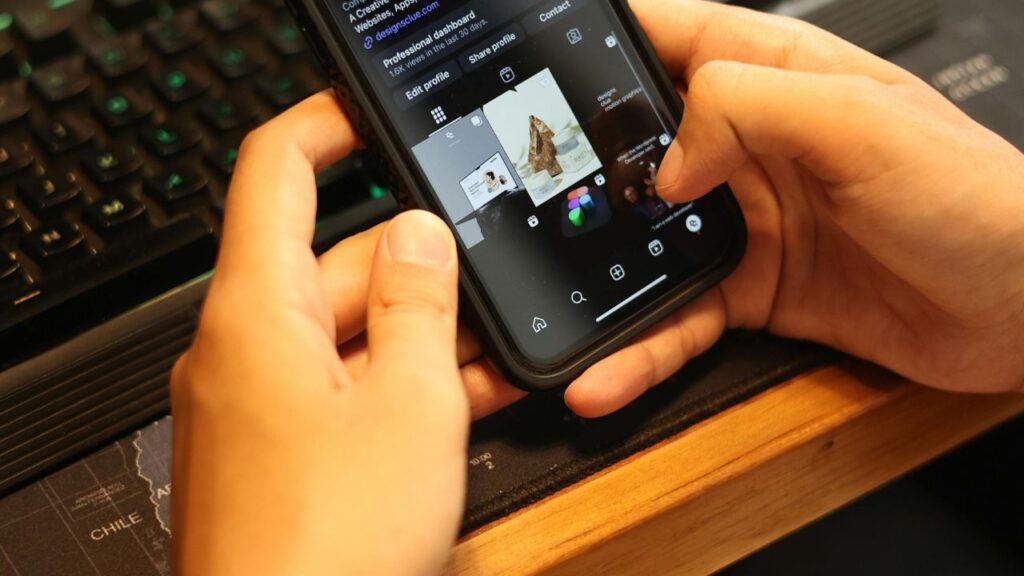
Generative tools naturally encourage variation.
Brands often need the opposite.
Customers should recognize recurring visual qualities even when each piece of content is different.
Create a compact AI-video style guide.
It can define color palette, lighting preferences, camera language, visual density, acceptable environments, product representation, typography added in post-production, and elements the model should not invent.
Build reusable prompt components
Recurring creative instructions can reduce inconsistency.
For example, a brand can maintain approved descriptions for preferred lighting, camera style, backgrounds, and mood.
These components become a starting point for Seedance 2.0 rather than rewriting every prompt from scratch.
Templates should support creative consistency without making every video identical.
AI Video and Authenticity
Consumers do not necessarily require every marketing image to be documentary footage.
Advertising has always used editing, compositing, illustration, animation, and visual effects.
Generative AI introduces another technique.
The ethical issue is whether the content materially misleads people.
Seedance 2.0 should not fabricate customer experiences, fake product performance, or depict nonexistent features as real.
Do not create fake testimonials
Generating a realistic person who appears to be a satisfied customer can mislead audiences when that person never used the product.
The same concern applies to fabricated experts, employees, or influencers.
If Seedance 2.0 is used to create fictional illustrative people, the context should not falsely imply genuine endorsement or experience.
Advertising laws and platform rules vary by jurisdiction, so brands should obtain appropriate advice where necessary.
Intellectual Property and Seedance 2.0
AI-generated media creates important rights questions.
Commercial users should review the current terms governing Seedance 2.0 or the platform through which it is accessed.
Those terms may address ownership, licensing, permitted uses, reference inputs, training, indemnities, and prohibited content.
Legal treatment can also differ between countries.
Only upload material you are entitled to use
A brand should not assume it can upload any photograph, character, logo, celebrity image, artwork, or competitor creative simply because the software accepts the file.
Rights can exist in photographs, trademarks, designs, performances, publicity interests, and copyrighted works.
Seedance 2.0 does not grant permission to use third-party material merely by generating a new output from it.
Avoid deliberate imitation of living artists
Prompts requesting the exact style of a living artist can create ethical and potentially legal concerns depending on circumstances and jurisdiction.
Brands generally have stronger creative foundations when they describe visual attributes rather than copying a named creator’s distinctive identity.
Build an original brand style instead.
Music and Audio Rights for AI Video
Audio can create copyright problems independently from video.
A song being available on one social platform does not necessarily mean a brand has permission to use it in advertisements, on another platform, or outside the original service.
Commercial accounts may have different music libraries from personal accounts.
Seedance 2.0 users should treat audio rights as a separate clearance question.
Generated audio also needs review
If a current Seedance 2.0 implementation supports sound or audio generation, review the terms governing commercial use.
Listen for unexpected recognizable material, inaccurate speech, or sounds that create misleading impressions.
For important advertising, separately licensed music and professionally controlled voice work may provide clearer rights and greater brand consistency.
Using Seedance 2.0 for Product Videos
Product advertising creates a higher accuracy standard than purely conceptual content.
Customers use marketing media to understand what they may purchase.
If AI changes the number of buttons on a device, alters the shape of a bag, makes a cosmetic package larger, or adds functionality the product lacks, the content can become misleading.
Seedance 2.0 outputs therefore require careful product verification.
Combine real product footage with generated environments
A hybrid approach can reduce representation problems.
Film the real product accurately, then use generated footage for complementary visual storytelling where appropriate.
Depending on production capability, compositing can combine genuine product images with Seedance 2.0 environments.
This preserves important product characteristics while retaining some creative flexibility.
Seedance 2.0 for Service Businesses
Service companies do not have a physical product to display, which can make social content difficult.
AI video can visualize scenarios connected to the problem the company solves.
A cybersecurity firm might depict conceptual digital-risk environments. A travel planner could use illustrative destination moods. A design studio might create abstract visualizations of creative processes.
Seedance 2.0 should not falsely depict completed client work that the company did not perform.
Explain abstract services visually
The strongest use may be conceptual explanation.
Instead of showing another employee typing at a laptop, a brand can use visual metaphors to explain speed, complexity, organization, transformation, or risk.
This can make service content more engaging without inventing false customer outcomes.
Seedance 2.0 for E-Commerce Brands
E-commerce businesses often need substantial creative volume because product pages, organic social posts, paid advertisements, launches, and seasonal campaigns all compete for assets.
Seedance 2.0 can potentially help with campaign concepts and supporting footage.
But visual accuracy remains critical.
Product color, dimensions, materials, packaging, and use should not be distorted in ways that affect purchase decisions.
Keep a real-media library
Even AI-heavy brands benefit from maintaining genuine photographs and footage.
Capture accurate front, side, detail, texture, packaging, and in-use views.
These become reliable reference assets for editing and other supported workflows.
Seedance 2.0 is more useful when it complements a strong source library rather than trying to reconstruct a real product from text alone.
Seedance 2.0 for Restaurants and Food Brands
Food is especially sensitive to visual representation.
AI can produce attractive scenes, but generated dishes may not match what a restaurant actually serves.
That can disappoint customers and create misleading advertising.
Use real food photography for menu items whenever accurate representation is important.
Seedance 2.0 can instead contribute to conceptual campaign imagery, transitions, backgrounds, or story-driven content that does not falsely represent the exact dish.
Seedance 2.0 for Fashion Brands
Fashion content is naturally visual, making AI video attractive for campaign ideation.
Brands can explore movement, locations, color palettes, and conceptual art direction before a shoot.
Garment accuracy is still a challenge.
Generative systems may alter seams, prints, fastenings, logos, drape, or garment proportions across frames.
Real fit deserves real representation
Customers care about how clothing actually looks and fits.
For product-detail pages and fit demonstrations, authentic photography or video remains important.
Seedance 2.0 can support editorial-style campaign concepts while real media handles precise purchasing information.
This division can give fashion brands creativity without compromising product clarity.
Turning One Seedance 2.0 Concept Into Multiple Assets
Small brands can reduce workload by planning modularly.
One visual concept might produce a longer campaign edit, several short clips, still frames where usage rights and quality allow, alternate hooks, and paid-ad variations.
The message remains consistent while formats change.
This makes Seedance 2.0 more efficient than treating every post as a completely unrelated production.
Adapt rather than blindly repost
TikTok, Instagram, YouTube, LinkedIn, and other platforms have different audiences, interfaces, content cultures, and placement requirements.
A clip can be adapted without rebuilding it entirely.
Change the opening, captions, duration, framing, or call to action when appropriate.
Seedance 2.0 should support a multi-channel strategy rather than encourage identical mass distribution.
Building a Sustainable AI Content Calendar
A sustainable calendar balances promotional and useful content.
Not every post should ask for a sale.
Depending on the brand, content themes can include education, product explanation, behind-the-scenes material, customer questions, brand stories, demonstrations, industry knowledge, and selective promotional campaigns.
Seedance 2.0 can support several of these categories.
Real human footage may be more suitable for others.
Create content pillars
Three to five broad content themes can simplify ideation.
For example, a small coffee brand might use:
- Brewing education
- Product stories
- Coffee culture
- Behind-the-scenes operations
- Offers and launches
Seedance 2.0 can then be evaluated against each pillar.
The tool does not need to appear in every category to be useful.
Avoiding AI Content Fatigue
As AI video becomes more common, highly polished generative visuals may stop feeling novel.
Brands need more than technical spectacle.
Distinctive viewpoints, useful information, humor, genuine expertise, and authentic people can become more important as generic generation becomes easier.
Seedance 2.0 lowers production barriers, which means competitors can access similar capabilities.
The defensible advantage remains what the brand has to say.
Leave some imperfections in human content
Not every founder video requires cinematic lighting and elaborate transitions.
A clear, genuine explanation filmed on a phone can sometimes communicate trust more effectively than an artificial visual sequence.
Use Seedance 2.0 where visual generation strengthens the idea.
Use ordinary cameras when reality itself is the content.
Human Review Is Essential
AI can generate errors that are obvious only to someone familiar with the business.
A model might show unsafe product use, incorrect packaging, implausible physical behavior, inappropriate cultural details, or visual claims that the marketing team never intended.
Every Seedance 2.0 asset should receive human review before publishing.
Higher-risk sectors need stricter processes.
Regulated industries need additional caution
Health, finance, legal services, alcohol, gambling, pharmaceuticals, political advertising, and other regulated areas can involve significant advertising restrictions.
AI does not reduce those obligations.
Generated visuals and captions should go through the same compliance review as traditionally produced advertising.
Seedance 2.0 increases production speed, but compliance should not be accelerated beyond appropriate review.
Privacy and Reference Images
Reference-based AI workflows can tempt teams to upload customer photos, employee images, confidential product prototypes, or unreleased campaign materials.
Before uploading, understand the platform’s privacy and data-use terms.
Obtain appropriate permission for identifiable individuals.
Sensitive business information deserves particular caution.
Seedance 2.0 should fit the company’s data-governance policy rather than becoming an exception simply because it is a creative tool.
Deepfakes and Impersonation Risks
Generative video can potentially create convincing depictions of real people.
Brands should avoid unauthorized impersonation, deceptive endorsements, or misleading depictions of public figures, employees, customers, and competitors.
Consent matters.
Platform rules and laws governing synthetic media continue to evolve across jurisdictions.
Before using Seedance 2.0 for realistic human likenesses, verify current rules and obtain appropriate rights and permissions.
Measuring Seedance 2.0 ROI
The most useful measure compares marketing outcomes with the resources required to produce them.
Track production time as well as media performance.
If Seedance 2.0 cuts creation time but the resulting content consistently performs worse than simple real-world footage, the workflow needs adjustment.
Conversely, even moderate performance can be valuable if production becomes substantially more sustainable.
Compare against a baseline
Measure how similar content performed before introducing AI.
Look at:
- Production hours
- External production cost
- Number of useful approved assets
- Revision time
- Organic engagement quality
- Paid-media cost per result
- Conversion outcomes
- Creative fatigue
- Team workload
This prevents enthusiasm for Seedance 2.0 from being based only on the number of outputs generated.
Common Seedance 2.0 Mistakes
The first mistake is expecting one prompt to produce a finished campaign.
The second is prioritizing visual spectacle over the message.
Another problem is publishing without checking product accuracy.
Brands can also create inconsistent visual identities by changing style dramatically with every generation.
Uploading third-party copyrighted or confidential material without considering rights is another significant risk.
Finally, small teams can use Seedance 2.0 to create so much content that AI actually increases workload rather than reducing it.
Efficiency requires editorial restraint.
A Practical Seedance 2.0 Workflow for Small Brands
A repeatable process keeps AI production manageable.
Start with a monthly or campaign-level objective. Choose several specific video ideas connected to that goal. Write hooks and short shot plans before generating anything.
Next, create a small number of Seedance 2.0 variations.
Select the strongest outputs, discard weak ones, and move approved clips into a conventional editing workflow.
Add accurate product material, captions, properly licensed audio, calls to action, and brand typography.
Then complete human review for accuracy, rights, safety, and platform requirements before scheduling.
After publication, measure performance and use the results to improve the next batch.
A Seedance 2.0 Pre-Publishing Checklist
Before posting AI-generated video, review the complete asset carefully.
- Confirm product details are accurate
- Check logos and brand marks
- Review faces, hands, objects, and movement
- Verify that visual claims are truthful
- Check captions and spelling
- Confirm music and audio rights
- Verify rights to reference inputs
- Obtain consent for identifiable people where necessary
- Review platform synthetic-media policies
- Apply required disclosures where applicable
- Check regulated claims with appropriate specialists
- Confirm aspect ratio and safe areas
- Test the call to action
- Have a human approve the final export
A consistent review process allows Seedance 2.0 to increase production capacity without lowering brand standards.
How Small Brands Avoid Burnout With AI Video

Burnout is not solved by generating faster if the team simply responds by doubling the publishing schedule.
The real improvement comes from producing the required amount of useful content with less repetitive effort.
Set clear content priorities.
Batch ideas. Reuse successful concepts. Maintain prompt templates. Keep a real-media library. Generate only enough variations to answer a creative question.
Most importantly, allow some content not to exist.
Seedance 2.0 should create breathing room in the marketing process, not fill every available hour with another generation.
Where AI Video Is Heading
Generative video is developing rapidly.
Models are likely to continue improving in temporal consistency, controllability, reference handling, editing, audio, character continuity, and integration with professional creative workflows.
That makes exact feature comparisons temporary.
The durable skill is learning how to direct AI within a broader production system.
Teams that understand storytelling, customers, brand positioning, rights, and performance measurement can adapt as Seedance 2.0 and competing tools evolve.
Teams that depend entirely on one model’s novelty may struggle once the technology becomes commonplace.
Is Seedance 2.0 Worth It for a Small Brand
The answer depends on production needs.
A brand that publishes occasional founder-led educational videos may not need extensive generative footage.
An e-commerce company producing many creative variations could find significantly more value.
The deciding question should be whether Seedance 2.0 removes a genuine production bottleneck.
If AI saves time, enables previously unaffordable concepts, or supports useful experimentation while preserving accuracy and brand quality, it can be valuable.
If the team spends hours regenerating clips that never get published, the workflow is not efficient regardless of the technology’s capabilities.
FAQ’s
What is Seedance 2.0?
Seedance 2.0 is part of ByteDance’s newer generation of AI video technology for generating video through creative inputs such as prompts and supported references or controls.
Can Seedance 2.0 create social media videos?
Seedance 2.0 can potentially support short-form social video workflows, although current output formats, generation limits and platform availability should be verified through official product information.
Can small businesses use Seedance 2.0 commercially?
Commercial use depends on the current terms of the Seedance 2.0 service through which the model is accessed, plus rights to inputs and applicable laws. Review those terms before publishing advertising.
Does Seedance 2.0 replace video production?
Not entirely. Real footage remains valuable for accurate products, real people, testimonials, demonstrations and authenticity. AI video can complement traditional production and reduce repetitive work.
How can brands keep Seedance 2.0 videos consistent?
Use a defined visual style, reusable prompt components, approved reference materials where permitted, consistent post-production, brand typography and a human review process.
Is Seedance 2.0 safe for advertising?
It can be used responsibly, but every output should be reviewed for misleading claims, product inaccuracies, intellectual property, privacy, synthetic-media rules and industry-specific advertising requirements.
Conclusion
Seedance 2.0 can give small brands a practical way to experiment with AI video without recreating a traditional production shoot for every social post. Its strongest uses include rapid prototyping, creative variations, visual storytelling, campaign repurposing, and batch production. Those efficiencies matter because sustainable social marketing is less about publishing constantly and more about creating useful content without exhausting the people responsible for it.
The best Seedance 2.0 workflow keeps humans firmly involved. Define the message before generating, verify products and claims, protect intellectual property and privacy, edit deliberately, and measure business outcomes rather than output volume. When AI handles selected production tasks while people remain responsible for strategy and judgment, small brands can keep pace with social video without turning marketing into an endless content factory.






One Comment