Seedance 2.0: ByteDance’s Multimodal AI Video Model Explained
AI video generation has long had a credibility problem: objects floated, physics broke, and audio arrived as an afterthought. Seedance 2.0 is ByteDance’s answer to that problem. Launched in February by ByteDance’s Seed research lab, Seedance 2.0 is a next-generation video creation model built on a unified multimodal architecture that generates picture and sound together. It accepts text, images, audio, and video as combined references, produces multi-shot clips with native stereo audio, and follows real-world physics with unusual discipline. This guide explains what Seedance 2.0 does, how its reference system works, where you can use it, what it costs, and where its honest limits sit. Claims are attributed to ByteDance’s launch materials and third-party coverage throughout.
What is Seedance 2.0?
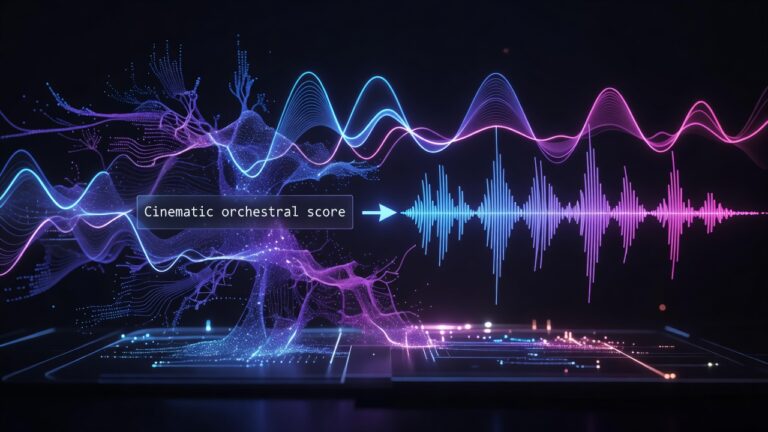
Seedance 2.0 is a multimodal AI video generation model from ByteDance, the company behind TikTok and CapCut. It succeeds Seedance 1.5, whose headline trick was synchronized audio-visual generation. The newer model generalizes that idea into what ByteDance calls a unified multimodal audio-video joint generation architecture. In plain terms, one system learns how sound and sight behave together in the real world, so motion, camera language, and audio rhythm are planned as a single output rather than stitched together afterward.
The practical results ByteDance highlights at launch are fourfold. Seedance 2.0 reaches what the company describes as industry-leading usability rates in complex interaction and motion scenes. It accepts the market’s broadest set of multimodal references. Its instruction-following and consistency are upgraded, with stable, controllable editing and extension. And it outputs up to fifteen seconds of multi-shot audio-video with dual-channel stereo sound.
Under the hood, ByteDance credits three ingredients for the jump: extensive world knowledge gathered in training, the efficiency of a sparse architecture, and the generalization power of multimodal joint training. The company says these let Seedance 2.0 resolve long-standing weaknesses in physical accuracy and long-range consistency that earlier releases only patched around. Specific model sizes and training data remain undisclosed, which is typical for frontier video systems.
Independent observers largely agreed with the ambition. Forbes coverage described Seedance 2.0 as producing hyper-real outputs that blur the line between real and generated footage, while third-party trackers such as the Artificial Analysis Video Arena placed Seedance 2.0 at or near the top of their text-to-video and image-to-video leaderboards during the first half of the year. Leaderboard snapshots differ between trackers, so treat any single ranking as a moment in time.
Multimodal reference: the standout feature of Seedance 2.0
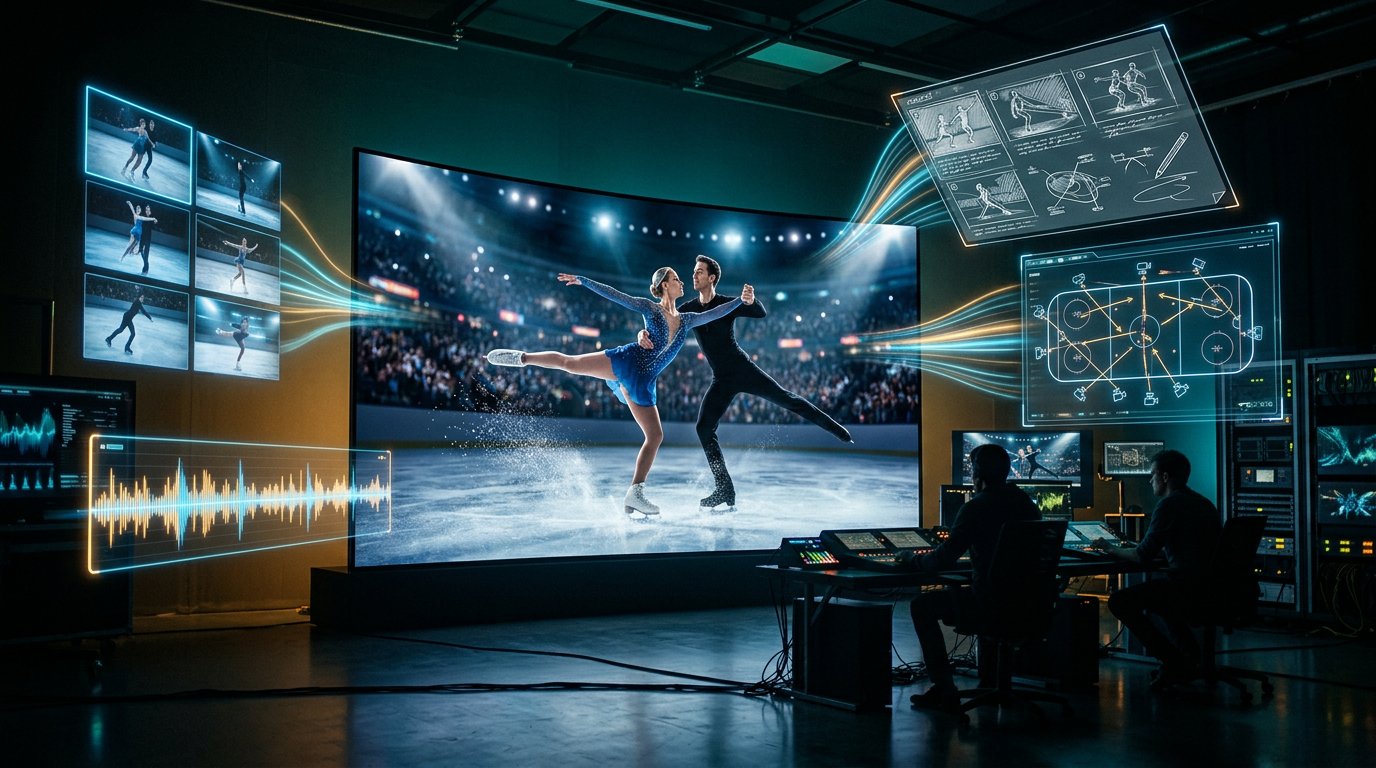
The capability that separates Seedance 2.0 from earlier tools is what ByteDance calls all-round reference. A single generation can combine up to nine images, three video clips, and three audio files alongside natural language instructions. The model then borrows composition from your images, motion and camera movement from your videos, and rhythm or mood from your audio, merging them into one coherent scene.
Two launch examples show the range. A user can supply a painting, a clip of a dancer, and a music track, then ask Seedance 2.0 for a new scene in the style of the artwork with the dancer’s movement and the track’s pacing. An advertising team can upload a storyboard image plus a reference video of a product demo and receive a polished fifteen-second ad that matches the original shot scale and camera angles.
The workflow for a marketer is straightforward. Gather the brand’s product photos, one clip that shows the movement style you want, and a music bed that sets the pace. Upload them with a sentence describing the scene, and Seedance 2.0 returns a clip in which all three influences are visible at once.
Notably, Seedance 2.0 can also read text-based storyboards directly. A director can sketch a sequence, photograph set pieces, record audio cues, and hand all of it to the model. ByteDance frames this as a Hollywood-style pre-production workflow with AI handling the rendering, and it meaningfully lowers the technical barrier for professional-looking output.
Real-world physics and stable motion
Older generators struggled with the physical world: hands melted, objects drifted, and multi-person scenes fell apart. Seedance 2.0 targets exactly that weakness. ByteDance reports major gains in motion stability and physical restoration, meaning characters and objects obey gravity, momentum, and contact rules far more reliably.
The signature demo is pair figure skating, a scenario chosen because it breaks lesser models. Seedance 2.0 renders synchronized takeoffs, mid-air spins, and precise ice landings between two skaters while keeping the audio effects timed to the action. The company notes particular improvement in erasing structural inaccuracies and visual artifacts, alongside smoother handling of both large-scale action and subtle micro-expressions. ByteDance’s launch evaluation reports gains on both text-to-video and image-to-video fronts, covering motion stability, instruction following, and visual aesthetics, plus professional-grade combinations of camera movement and narrative pacing.
Physics fidelity matters beyond spectacle. Product demos, sports creative, training materials, and any scene with human interaction only work commercially when motion looks correct. That is the ground on which Seedance 2.0 stakes its claim to professional usability.
Native audio and multi-shot storytelling
Sound is generated jointly with the picture, not bolted on. Seedance 2.0 uses two-channel stereo and supports multi-track parallel output: background music, ambient effects, and character voiceovers arrive together, aligned with the visual rhythm. ByteDance describes the result as a photorealistic audio-visual experience, and demonstrates it with multi-participant competitive sports scenes that Seedance 2.0 renders without the breakdowns earlier models produced. Coverage of the model also highlights lip-synced speech across languages, with one hands-on report noting support for eight languages including English and Russian.
On structure, Seedance 2.0 plans camera language automatically when you let it. Prompt-driven camera planning designs shot scale, movement, and pacing from your instructions, and a single generation can deliver multiple shots with natural cuts, so one output reads like an edited sequence instead of a lone clip.
Editing is equally deliberate. New tools support targeted modifications to specified clips, characters, actions, and even storylines, while extension features continue a shot from a prompt, which ByteDance describes as continuing the shoot. Together with instruction-following upgrades, these controls move Seedance 2.0 closer to a directed production than a slot machine.
Variants, platforms, and pricing
Seedance 2.0 ships in tiers. A Fast variant trades a little quality for lower latency and cost, and lightweight Mini endpoints cover text-to-video and image-to-video at economical rates, per platform listings. The Mini endpoints add conveniences such as first-frame and optional last-frame control with motion prompts, useful when a project must begin and end on exact images. Across tiers, the value story of Seedance 2.0 is consistent: short clips, fast turnaround, and pricing that scales with seconds used rather than flat subscriptions. Consumer access runs through ByteDance’s own apps: Dreamina for global users and Jimeng in China, with CapCut integrating the model for its editing audience. Creator platforms including Higgsfield, ImagineArt, and Hedra also carry it.
Developers get API access from several providers. The fal listing, published when the API went live in April, prices Seedance 2.0 on a pay-per-second basis: roughly $0.24 per second on the Fast tier and $0.30 per second on the Standard tier, with no minimums. Platform listings differ on technical ceilings, so verify before a project: fal documents 480p and 720p output with four-to-fifteen-second durations and MP4 files with synchronized audio, while other guides cite 1080p availability, aspect ratios from 16:9 to 1:1, and shorter preset durations depending on the endpoint. One integration guide also notes that outputs carry an embedded C2PA watermark for content provenance, a trust signal worth confirming on your chosen platform.
How professionals use Seedance 2.0
The use cases follow directly from the feature set:
- Advertising and product marketing. Storyboard plus reference footage in, polished short ad out. Forbes highlights this agency workflow as a direct cost and timeline saver.
- Social content and short film. Multi-shot fifteen-second narratives with native sound suit shorts, teasers, and concept pieces.
- Creative pre-visualization. Directors test camera plans and storyboards before committing to physical production.
- Stylized art crossover. Blending paintings, dance footage, and music into new moving works is a documented launch example.
- Localized content. Multi-language lip-synced speech supports quick regional variants of the same core video.
- Product demos and explainers. Hands-on creator coverage notes that Seedance 2.0 handles product demonstration footage convincingly, not just cinematic scenes.
- Agency pitch and mood films. With Seedance 2.0, teams can translate a storyboard into a moving proof of concept before any camera is booked, compressing the pitch cycle.
Across all of these, Seedance 2.0 works best as a first-draft engine and reference-driven production tool rather than a fully autonomous studio.
Strengths and honest limitations
The strengths of Seedance 2.0 are substantial: joint audio-video generation, the widest multimodal reference set in its class, disciplined physics, multi-shot planning, granular editing, and cheap pay-per-second API access. Yet honest caveats apply.
Clip length tops out around fifteen seconds, so long narratives still need stitching or extension passes. Reported resolutions vary by platform, from 480p entry tiers to 1080p, so confirm what your access point delivers. The model’s realism has already fueled viral clips of famous actors and characters, raising legitimate copyright and likeness concerns; responsible use means avoiding recognizable people and protected characters, and the embedded provenance watermark makes outputs traceable. Most specifications in this article originate from ByteDance’s launch materials, which frame results in the best light. Availability features such as free quotas, queue speeds, and watermark rules differ between the consumer apps and API hosts that carry Seedance 2.0, and can change without notice.
Finally, the product line moves fast: ByteDance announced a successor, Seedance 2.5, in June for native thirty-second 4K generation with up to fifty reference inputs, released in late July. Platform FAQs position Seedance 2.0 as the faster, cheaper short-form option that remains fully available, so it is still the practical entry point, but not the ceiling of the series.
Tips for getting the best results
A few working habits noticeably improve what Seedance 2.0 returns. Write instructions as a director would: subject, action, camera move, and mood in that order. Use reference inputs deliberately, one asset per role, rather than overloading the prompt. Keep early tests at five to ten seconds before commissioning fifteen-second takes. Plan audio track by track, naming the music style, ambient layer, and any voiceover. When a take is close but flawed, prefer the targeted editing tools of Seedance 2.0 over a full re-roll so you keep the performances and lighting that already work. And always check likeness and licensing before publishing anything involving real people or branded characters.
Conclusion
Seedance 2.0 marks the point where AI video generation became genuinely directable. Its unified multimodal architecture, all-round nine-image reference system, physics-aware motion, native stereo audio, and multi-shot planning give creators and marketers a tool that rewards clear creative intent rather than lucky prompts. The honest trade-offs are short clip ceilings, platform-dependent specs, fast-moving successors, and a legal duty to use its realism responsibly. If AI video sits anywhere in your workflow, Seedance 2.0 deserves a hands-on test on your preferred platform, judged with your own footage and prompts.
Frequently Asked Questions
1. What is Seedance 2.0?
Seedance 2.0 is ByteDance’s multimodal AI video generation model, launched in February, that produces multi-shot video with native stereo audio from text and media references.
2. What inputs does Seedance 2.0 accept?
A single generation can combine text instructions with up to nine images, three video clips, and three audio files, referencing composition, motion, camera work, and sound.
3. How long are Seedance 2.0 videos?
Seedance 2.0 output tops out around fifteen seconds per generation, with shorter four-to-ten-second presets depending on the platform and endpoint you choose.
4. Where can I access Seedance 2.0?
Seedance 2.0 runs through ByteDance’s Dreamina and Jimeng apps, CapCut integration, creator platforms like Hedra and Higgsfield, and developer APIs on providers such as fal and Atlas Cloud.
5. How much does Seedance 2.0 cost?
Consumer access varies by app, while the fal API lists Seedance 2.0 pay-per-second pricing of about $0.24 (Fast) and $0.30 (Standard), with no minimums; check your platform for current rates.
6. Is Seedance 2.0 still the newest version?
No. ByteDance announced Seedance 2.5 in June with native thirty-second 4K output, but Seedance 2.0 remains widely available as the faster, lower-cost short-form option.