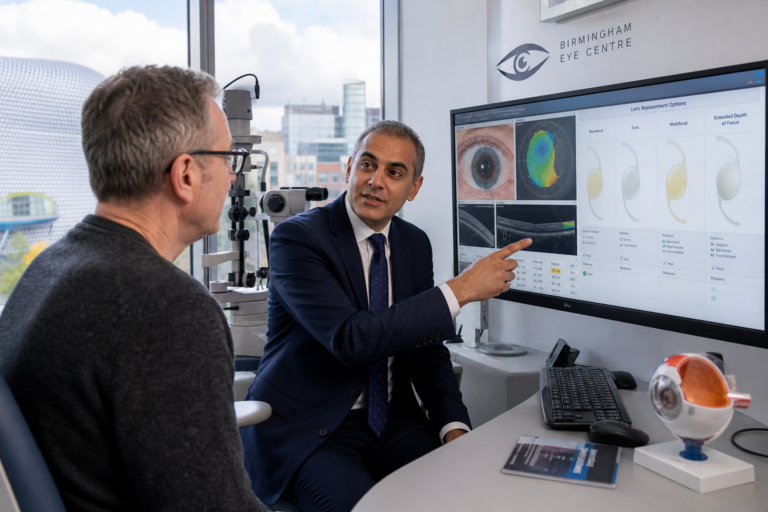
Singapore Cardiologist Guide to Better Heart Care and Specialist Treatment
A Singapore cardiologist is a medical specialist trained to diagnose, manage, and monitor conditions affecting the heart and cardiovascular system. People may seek cardiology care because of chest discomfort, shortness of breath, palpitations, abnormal test results, high cardiovascular risk, or an existing heart condition requiring specialist follow up. In Singapore, anyone practising as a medical specialist must obtain specialist accreditation and be registered appropriately with the Singapore Medical Council, giving patients an official way to verify specialist status before arranging care.
Heart symptoms should never be interpreted from an article alone because similar symptoms can have very different causes.
Chest discomfort, for example, can arise from the heart, lungs, digestive system, muscles, or other conditions. Some causes are minor while others require immediate treatment.
For this reason, understanding when to seek emergency attention, when to arrange a routine medical consultation, and what to expect from cardiology care can help patients navigate the healthcare system more confidently.
What Does a Singapore Cardiologist Do?
Cardiology is the medical specialty concerned with diseases and disorders involving the heart and blood vessels.
A cardiologist evaluates symptoms, medical history, risk factors, physical findings, and diagnostic test results to determine whether cardiovascular disease may be present.
Depending on the patient’s situation, cardiology care can involve:
• Cardiovascular risk assessment
• Diagnosis of heart disease
• Evaluation of chest discomfort
• Investigation of palpitations
• Management of abnormal heart rhythms
• Blood pressure assessment
• Cholesterol related cardiovascular management
• Heart failure care
• Heart valve disease management
• Coronary artery disease assessment
• Follow up after heart attack
• Monitoring after cardiac procedures
• Preventive cardiovascular care
Some cardiologists also develop additional expertise in areas such as interventional cardiology, cardiac imaging, heart rhythm disorders, heart failure, or other subspecialties.
How Specialist Status Works in Singapore
The Singapore Medical Council maintains the Register of Medical Practitioners and regulates registered doctors.
A doctor who wants to practise as a specialist must first obtain specialist accreditation through the Specialists Accreditation Board and then be added to the Singapore Medical Council Register of Specialists.
Patients can use the Singapore Medical Council’s professional registration search to check whether a doctor is registered.
This is a useful step when comparing specialists because titles, qualifications, and online marketing should not replace verification through official professional records.
When Should You See a Singapore Cardiologist?
Not every health concern requires a cardiologist immediately.
General practitioners and primary care doctors can assess many common symptoms and cardiovascular risk factors and refer patients for specialist evaluation when appropriate.
However, there are situations where specialist assessment may be recommended.
These can include:
• Recurrent chest discomfort
• Unexplained shortness of breath
• Repeated palpitations
• Fainting or unexplained dizziness
• Abnormal electrocardiogram results
• Suspected heart rhythm problems
• Known coronary artery disease
• Heart valve disease
• Heart failure
• Previous heart attack
• Strong cardiovascular risk factors
• Persistent blood pressure concerns
• Abnormal cardiac imaging
• Need for specialist follow up after treatment
The appropriate pathway depends on symptoms, medical history, test findings, and clinical judgement.
Chest Pain Requires Careful Assessment
Chest pain is one of the most common reasons people worry about their heart.
However, chest pain can have cardiac and non cardiac causes.
HealthHub notes that chest discomfort may arise from heart disease but can also result from muscular problems, gastrointestinal conditions, lung problems, and other causes. Unexplained chest pain should be medically assessed because it can be difficult to determine the cause without proper evaluation.
Do not attempt to diagnose the source of significant chest pain yourself.
Singapore Cardiologist Care Is Not a Substitute for Emergency Treatment
A routine cardiology appointment is not appropriate when symptoms suggest a possible medical emergency.
SingHealth advises calling 995 for ongoing severe chest pain, particularly when it is persistent, feels heavy or squeezing, spreads toward the jaw, neck, or arms, or occurs with shortness of breath, sweating, nausea, dizziness, or an abnormal heartbeat. Patients should not drive themselves to hospital in such circumstances.
Emergency symptoms require immediate medical attention rather than waiting for a specialist clinic appointment.
7 Essential Steps When Choosing a Singapore Cardiologist
Finding suitable specialist care involves more than choosing the first doctor shown in an online search.
1. Verify Specialist Registration
The first step is confirming that the doctor is appropriately registered.
Singapore requires doctors practising as specialists to be registered with the Singapore Medical Council after specialist accreditation.
Patients can check the official medical register instead of relying solely on clinic biographies.
Verification can help confirm:
• Registration status
• Specialist status
• Professional identity
• Recognised specialty information
A professional website may provide additional information about experience and areas of clinical interest, but official registration remains an important foundation.
2. Match the Cardiologist to Your Medical Need
Cardiology covers many conditions.
A person being evaluated for recurring palpitations may have different specialist requirements from someone needing management after a heart attack.
When making an appointment, explain why specialist care is being sought.
Relevant information can include:
• Main symptoms
• Existing diagnoses
• Previous heart procedures
• Previous test results
• Referral reason
• Current medications
• Significant family history
This helps the clinic determine whether the cardiologist’s practice matches the patient’s needs.
3. Consider Public and Private Care Pathways
Singapore patients can obtain cardiology care through public healthcare institutions or private specialist practices.
The appropriate route depends on clinical needs, referral arrangements, personal preference, cost considerations, insurance, and appointment availability.
Singapore Citizens and Permanent Residents who meet relevant referral requirements may qualify for subsidies at public Specialist Outpatient Clinics. Eligible referral sources can include polyclinics, CHAS GP clinics, emergency departments, and other qualifying healthcare services.
Patients should check their own eligibility rather than assuming a particular consultation will be subsidised.
Private specialist care may involve different appointment arrangements and charges.
Before confirming a visit, ask about:
• Consultation fees
• Investigation charges
• Follow up costs
• Insurance arrangements
• Referral requirements
• Expected testing
Clear financial information can reduce uncertainty.
4. Review Communication and Consultation Style
Specialist knowledge is essential, but patients also need to understand their diagnosis and options.
During a consultation, a cardiologist may need to explain:
• What symptoms could mean
• What testing is recommended
• Why a test is necessary
• What a result means
• Available treatment options
• Medication benefits and risks
• Follow up requirements
• Warning signs requiring urgent care
Patients should feel comfortable asking questions.
Medicine often involves uncertainty, and a useful specialist consultation should clearly distinguish confirmed findings from possibilities still being investigated.
5. Consider Access to Appropriate Cardiac Tests
A cardiologist may recommend diagnostic testing based on symptoms and medical history.
Not every patient requires the same tests.
Depending on the situation, evaluation can include:
• Electrocardiogram
• Echocardiogram
• Ambulatory rhythm monitoring
• Exercise testing
• Blood investigations
• Cardiac imaging
• Coronary investigations
• Other specialised cardiovascular tests
The test selected should answer a specific clinical question.
More testing is not automatically better care.
A specialist should be able to explain what information a test is expected to provide and how the result may affect management.
6. Check Follow Up Arrangements
Many cardiovascular conditions require ongoing management rather than a single consultation.
Patients should understand how follow up works.
Useful questions include:
• When should I return?
• How will test results be communicated?
• Who should I contact if symptoms change?
• Which medications should I continue?
• Are repeat tests expected?
• Should my GP also continue monitoring me?
• What symptoms require urgent attention?
Clear coordination becomes especially important when a patient is seeing several healthcare professionals.
7. Prepare Properly for the Appointment
A well prepared consultation gives the cardiologist more complete information.
Bring relevant records where available.
These may include:
• Referral letters
• Previous ECG reports
• Blood test results
• Imaging reports
• Hospital discharge summaries
• Current medication list
• Blood pressure records
• Previous procedure reports
• Relevant family medical history
Write down your main questions before the appointment so important concerns are not forgotten.
What Happens During a Singapore Cardiologist Consultation?
The first consultation normally begins with a detailed medical history.
The cardiologist may ask about current symptoms, how long they have been present, what triggers them, and whether anything makes them better or worse.
Symptom History
Be prepared to describe symptoms accurately.
For chest discomfort, useful details can include:
• Location
• Duration
• Character
• Whether it occurs during activity
• Whether it occurs at rest
• Associated breathlessness
• Sweating
• Nausea
• Radiation toward the arm, jaw, neck, or back
For palpitations, the doctor may ask whether the heartbeat feels fast, irregular, forceful, or as if beats are being skipped.
Medical History
Cardiovascular assessment also considers existing health conditions.
Examples can include:
• High blood pressure
• Diabetes
• Elevated cholesterol
• Kidney disease
• Previous cardiovascular disease
• Previous stroke
• Smoking history
• Previous surgery
• Medication use
Family History
Some cardiovascular conditions can have important family associations.
Inform your doctor if close relatives experienced significant heart disease or sudden unexplained cardiac events, particularly at a young age.
The cardiologist can determine whether this information changes your assessment.
Common Tests a Singapore Cardiologist May Recommend
Testing depends on the individual.
There is no standard package that every patient needs.
Electrocardiogram
An electrocardiogram, commonly called an ECG, records the electrical activity of the heart.
It may help identify abnormalities such as certain rhythm problems or electrical changes.
An ECG provides information from the period during which it is recorded, which means intermittent symptoms may not always appear during a short test.
Ambulatory Heart Monitoring
If symptoms occur only occasionally, longer rhythm monitoring may be considered.
A wearable monitor can record the heart’s electrical activity over a longer period.
Patients may also be asked to note when symptoms occur so that these episodes can be compared with the recording.
Echocardiogram
An echocardiogram uses ultrasound to examine the heart.
It can provide information about heart structure and function.
A cardiologist may use echocardiography when assessing issues such as heart muscle function or heart valve conditions.
Exercise Testing
Some cardiovascular symptoms appear mainly during physical activity.
Selected patients may undergo supervised exercise based testing.
Whether this is appropriate depends on medical history, symptoms, and the clinical question being investigated.
Exercise testing should not be attempted independently when a doctor has advised against unsupervised exertion.
Blood Tests
Blood investigations can provide information relevant to cardiovascular health.
Depending on the situation, testing may evaluate factors such as cholesterol, blood sugar, kidney function, or other clinically relevant markers.
Results should be interpreted within the patient’s complete medical context.
Conditions Managed by a Singapore Cardiologist
Cardiologists manage a broad range of cardiovascular disorders.
Coronary Artery Disease
Coronary artery disease affects blood vessels supplying the heart.
Patients may experience angina or other symptoms, although some people can have disease without obvious symptoms.
Management depends on severity and may involve lifestyle measures, medication, procedures, or other treatment.
Heart Rhythm Disorders
An abnormal heart rhythm may cause:
• Palpitations
• Dizziness
• Fainting
• Shortness of breath
• Chest discomfort
Some rhythm disturbances are relatively minor, while others require closer investigation or treatment.
Symptoms alone cannot determine the type of rhythm problem.
Heart Failure
Heart failure means the heart is not meeting the body’s circulatory needs normally.
It does not mean that the heart has completely stopped.
Symptoms can include breathlessness, reduced exercise tolerance, swelling, or fatigue, although these symptoms also occur in other conditions.
Specialist evaluation helps determine the cause and appropriate management.
Heart Valve Disease
The heart contains valves that regulate blood flow between chambers and major vessels.
Valve problems may involve narrowing, leakage, or other abnormalities.
Some patients need monitoring only, while others may eventually require treatment.
High Blood Pressure and Cardiovascular Risk
Primary care doctors manage many patients with hypertension successfully.
A specialist may become involved when blood pressure is difficult to control, another cardiovascular condition is suspected, or more specialised assessment is required.
Singapore Cardiologist Care and Heart Disease Prevention
Cardiology is not limited to treating advanced disease.
Preventing or reducing cardiovascular risk is an important part of long term care.
Recommendations should be individualised, but commonly discussed areas include:
• Smoking cessation
• Regular appropriate physical activity
• Balanced nutrition
• Blood pressure management
• Cholesterol management
• Diabetes control
• Weight management where clinically appropriate
• Medication adherence
• Regular follow up when necessary
Patients with established heart disease should ask their healthcare team what level of exercise is appropriate rather than making major changes independently.
HealthHub advises people with coronary heart disease to obtain healthcare guidance for physical activity and to seek immediate medical attention if concerning symptoms such as chest pain, dizziness, or significant sweating develop around exercise.
Public Cardiology Care in Singapore
Patients seeking subsidised specialist treatment commonly enter the public healthcare pathway through appropriate referrals.
A GP or polyclinic doctor can assess the initial concern and refer the patient when specialist evaluation is needed.
Eligible Singapore Citizens and Permanent Residents referred through recognised pathways may receive subsidies for Specialist Outpatient Clinic care.
Public specialist appointments can also be managed through HealthHub for participating healthcare institutions.
HealthHub allows users to request appointments at hospitals and specialty centres by providing referral details and information about the medical condition.
The appointment service is intended for non urgent care.
Emergencies should not be managed through routine online booking.
Private Singapore Cardiologist Consultations
Private specialist clinics provide another pathway to cardiology care.
Patients may choose private care because of physician preference, scheduling, insurance arrangements, location, or continuity with an existing specialist.
Costs can differ substantially depending on:
• Consultation type
• Tests performed
• Imaging
• Procedures
• Medication
• Follow up frequency
• Hospital facilities
• Insurance coverage
Ask for available fee information before undergoing non emergency investigations when cost is an important consideration.
Never delay emergency care while trying to compare prices.
How to Prepare Questions for a Singapore Cardiologist
Patients often remember more from a consultation when they prepare questions beforehand.
Useful questions can include:
• What could be causing my symptoms?
• Do my symptoms suggest a heart problem?
• What tests do I need?
• What does this test look for?
• What did my ECG show?
• Is my condition temporary or long term?
• What treatment options are available?
• What side effects should I watch for?
• Can I exercise normally?
• Should I change my diet?
• When should I return?
• What symptoms should send me to the Emergency Department?
• Should my family members be screened?
Not every question applies to every patient.
Select those relevant to your circumstances.
Why Medication Information Matters
Cardiology patients may take several medications simultaneously.
Always provide the cardiologist with an updated medication list.
Include:
• Prescription medicines
• Over the counter medicines
• Vitamins
• Herbal products
• Supplements
Do not stop prescribed cardiovascular medication simply because symptoms improve unless the prescribing clinician advises you to do so.
Some medications are intended to control risk or prevent future complications even when the patient feels well.
If side effects are suspected, discuss them with the healthcare professional managing the medication.
When Symptoms Need Emergency Care Instead of a Singapore Cardiologist Appointment
Routine specialist appointments are intended for stable, non emergency concerns.
Certain symptoms require urgent assessment.
Seek emergency medical attention for severe or persistent chest pain, particularly when accompanied by symptoms such as:
• Shortness of breath
• Cold sweating
• Nausea
• Light headedness
• Pain spreading toward the jaw, neck, arms, or back
• Rapid or irregular heartbeat
• Significant worsening during exertion
SingHealth specifically advises calling 995 for ongoing severe chest pain with concerning features and advises patients not to drive themselves to hospital.
A suspected heart attack is time sensitive.
Waiting for an outpatient cardiologist appointment is not appropriate in an emergency.
How to Get More Value From Ongoing Cardiology Care
Long term cardiovascular care works best when patients understand their condition.
Keep copies of important medical information where possible.
Track relevant measurements when your doctor recommends doing so.
This can include blood pressure readings or symptom patterns.
Take medication consistently according to medical instructions.
Attend scheduled follow ups.
Report meaningful changes instead of waiting until the next routine visit when symptoms are worsening.
Coordination between the cardiologist, GP, and other specialists can also reduce fragmented care.
Singapore’s public healthcare system may coordinate specialist treatment across institutions when clinically appropriate, particularly for patients with complex medical needs.
Frequently Asked Questions
What does a Singapore cardiologist treat?
A Singapore cardiologist diagnoses and manages cardiovascular conditions such as coronary artery disease, heart rhythm problems, heart failure, valve disease, and other disorders affecting the heart and circulation.
How can I verify a Singapore cardiologist?
You can search the Singapore Medical Council’s professional register. Doctors practising as specialists must have appropriate specialist accreditation and registration.
Do I need a referral to see a cardiologist in Singapore?
Requirements depend on the healthcare pathway. Referral from an eligible source is important for qualifying patients seeking subsidised public Specialist Outpatient Clinic care.
What tests can a cardiologist perform?
Depending on the patient’s condition, evaluation may include ECG, echocardiography, heart rhythm monitoring, exercise testing, blood investigations, or specialised cardiovascular imaging.
Should I see a cardiologist for chest pain?
Unexplained chest pain should receive medical assessment. Severe or persistent chest pain, particularly with breathlessness, sweating, nausea, dizziness, or pain spreading to the arm or jaw, requires emergency care rather than a routine appointment.
Can I book a specialist appointment through HealthHub?
HealthHub allows eligible users to request appointments at participating hospitals and specialty centres. The service is for non emergency and non urgent appointments.
Conclusion
Choosing a Singapore cardiologist involves confirming specialist registration, finding expertise suited to the cardiovascular concern, understanding available public or private care pathways, and preparing relevant medical information before consultation. Specialist assessment can support diagnosis, treatment, prevention, and long term monitoring, but urgent heart symptoms require immediate emergency attention rather than waiting for an outpatient appointment. By combining appropriate medical care with informed questions, follow up, and evidence based cardiovascular risk management, patients can take a more organised approach to protecting their heart health.