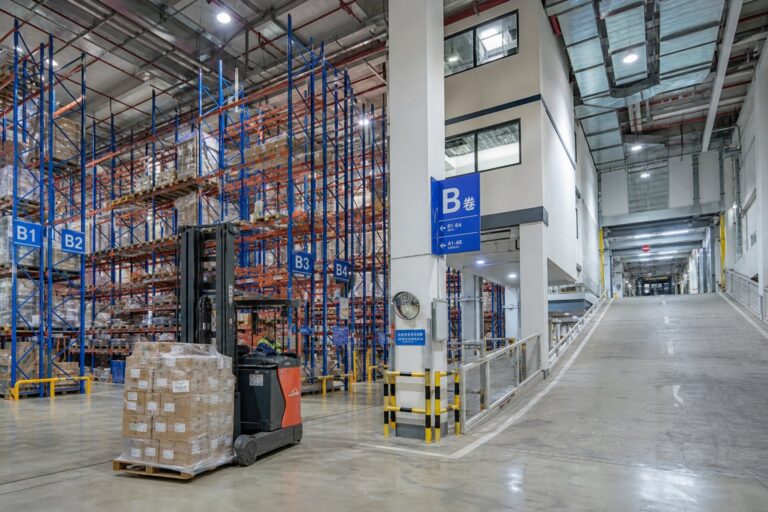
Storage Pickup and Delivery: A Smarter Way to Store Your Belongings
Storage pickup and delivery offers a convenient alternative to traditional self storage by combining transportation, secure storage, and return delivery within one managed service. Instead of renting a vehicle, carrying heavy boxes, driving to a storage facility, and unloading everything yourself, customers can arrange for their belongings to be collected directly from their home or business. The items are then transported to a storage location and returned when required, making the process useful for moving, renovating, downsizing, studying abroad, managing business inventory, or simply creating more space.
Modern storage needs have changed considerably. People increasingly value convenience, flexible services, and the ability to manage household or business tasks without spending unnecessary time coordinating transportation.
For many customers, the biggest inconvenience associated with traditional storage is not the storage unit itself. It is getting belongings to and from the facility.
A collection based storage service addresses that problem by combining several parts of the process into one coordinated experience.
However, not every provider operates in the same way. Customers should understand pricing, collection procedures, inventory systems, insurance or liability terms, delivery policies, storage conditions, and prohibited items before making a decision.
What Is Storage Pickup and Delivery?
Storage pickup and delivery is a service in which a company collects belongings from a customer’s location, transports them to a storage facility, stores them for an agreed period, and delivers them back when requested.
The service may be used for a few boxes, furniture, business equipment, seasonal belongings, or the contents of an entire property, depending on the provider.
The main difference from conventional self storage is transportation.
With traditional self storage, customers usually arrange their own vehicle, load their belongings, travel to the facility, place everything inside a rented unit, and repeat the process when retrieving items.
With a pickup service, much of that transportation can be handled by the storage company or its moving partner.
How Storage Pickup and Delivery Usually Works
Although exact procedures vary, the process normally follows several stages.
First, the customer describes the belongings that need to be stored.
The provider may ask for:
• Number of boxes
• Approximate furniture dimensions
• Type of belongings
• Property access details
• Number of floors
• Elevator availability
• Preferred collection date
• Expected storage duration
Once the service is booked, a collection team arrives during the agreed time window.
Depending on the package selected, the customer may pack items personally or purchase packing assistance.
The belongings are then recorded, loaded, transported, and placed into storage.
When the customer needs some or all of the items back, they schedule a delivery through the provider.
Storage Pickup and Delivery Inventory Process
A reliable inventory process is particularly important because customers may not personally place their belongings inside the storage facility.
Each box or item should ideally be identifiable.
Some providers use numbered labels, digital inventories, photographs, or customer accounts that allow stored belongings to be reviewed remotely.
Regardless of the technology used, customers should keep their own record of what enters storage.
Photos of valuable or fragile belongings can also provide useful documentation of their condition before collection.
7 Powerful Reasons People Choose Storage Pickup and Delivery
The service can solve several practical problems associated with traditional storage.
1. Less Physical Work
Moving belongings into storage can require considerable lifting.
Large furniture, appliances, boxes, desks, mattresses, and household equipment can be difficult to transport without help.
Professional collection can reduce the amount of carrying required from the customer.
This can be especially useful when:
• There are stairs
• Furniture is heavy
• A large number of boxes must be moved
• The customer does not own a suitable vehicle
• Multiple trips would otherwise be required
Customers should still confirm what the pickup team will and will not move.
Some services may require items to be packed and ready before arrival, while others provide complete handling.
2. No Need to Rent a Van
Traditional storage often involves vehicle rental.
That can introduce additional costs such as fuel, mileage charges, deposits, parking expenses, and equipment rental.
It also requires someone who is comfortable driving the vehicle.
Storage pickup and delivery can simplify the process by including transportation within the service.
However, customers should compare complete costs rather than assuming one option is automatically cheaper.
3. Useful During a Home Move
Moving dates do not always align perfectly.
A person may need to leave one property before the next property is ready.
Temporary storage can bridge that gap.
In the United States, the Federal Motor Carrier Safety Administration defines storage in transit as temporary warehouse storage pending further transportation. It also advises consumers to agree on clear pickup and delivery dates rather than relying on vague timing.
For customers using storage as part of a move, clear scheduling is important.
Confirm when belongings will be collected, how long storage is expected to continue, and when final delivery can be arranged.
4. More Convenient for Students
Students frequently need temporary storage between academic terms, during internships, while studying abroad, or when changing accommodation.
Transporting several boxes and personal belongings can be inconvenient, especially for students without a car.
Collection based storage allows items to be picked up from student accommodation and returned when needed.
Students should check whether the provider serves their exact building because access rules may differ between halls, apartments, and private houses.
5. Helpful During Renovations
Renovation work can expose furniture and belongings to dust, paint, tools, and accidental damage.
Moving selected items into temporary storage can create more working space while protecting belongings from construction activity.
Common items placed into storage during renovations include:
• Sofas
• Dining furniture
• Electronics
• Books
• Artwork
• Decorative items
• Bedroom furniture
• Office equipment
Before storing delicate belongings, customers should confirm whether the storage environment is suitable for them.
6. Flexible Storage for Businesses
Businesses can also use collection and delivery storage.
Common uses include storing:
• Archived documents
• Exhibition materials
• Seasonal displays
• Furniture
• Marketing materials
• Retail equipment
• Spare office supplies
• Event equipment
Businesses should pay particular attention to inventory accuracy.
When several employees may request stored items, clear labeling and item tracking can prevent confusion.
7. Easier Return Delivery
One of the main benefits of the service is that customers can request belongings back without organizing another storage trip.
Some providers offer complete return delivery, while others allow customers to request individual boxes or selected items.
Check this before booking.
The ability to retrieve selected belongings can be valuable for customers who expect to access storage periodically.
Storage Pickup and Delivery Versus Traditional Self Storage
Both models provide useful solutions, but they serve different needs.
Traditional self storage may be more suitable for someone who wants frequent physical access to belongings.
A customer can usually visit the facility during permitted access hours and retrieve items personally.
Collection based storage may be better for customers who value convenience and do not expect to visit their belongings frequently.
The decision should depend on:
• Required access frequency
• Transportation availability
• Amount being stored
• Distance from storage facilities
• Physical ability to move belongings
• Storage duration
• Total cost
• Return delivery requirements
Neither option is universally better.
The best choice depends on how the storage will actually be used.
How Much Does Storage Pickup and Delivery Cost?
There is no universal price because providers use different pricing systems.
A quote may depend on:
• Amount of storage required
• Number of items
• Storage duration
• Collection location
• Delivery location
• Travel distance
• Property access
• Packing services
• Number of movers
• Number of stairs
• Special handling requirements
• Return delivery frequency
Some providers charge according to storage space.
Others price individual items or containers.
Additional charges may apply for packing materials, difficult access, urgent delivery, oversized items, or multiple return trips.
Compare the Complete Storage Cost
A low monthly storage price can appear attractive, but it may not represent the full amount the customer will pay.
Before booking, ask for a written explanation of:
• Collection charge
• Monthly storage charge
• Minimum storage period
• Return delivery charge
• Packing charge
• Cancellation fee
• Access charge
• Insurance or protection costs
• Oversized item fees
• Additional handling costs
Written pricing makes it easier to compare providers fairly.
The Federal Trade Commission similarly recommends obtaining written estimates when hiring moving services rather than relying solely on verbal pricing.
How to Prepare Belongings for Storage Pickup
Proper preparation can reduce the risk of damage and make collection more efficient.
Use Strong Boxes
Choose boxes that are suitable for the weight of the contents.
Avoid overloading large boxes with heavy items.
Books and similar dense belongings are usually easier to manage in smaller boxes.
Lighter objects can go into larger containers.
Label Every Box
Labels should be easy to read.
Include a basic description such as:
Kitchen equipment
Books
Bedroom items
Office files
Winter clothing
Fragile glassware
Numbering boxes can also make inventory management easier.
For example:
Box 1 of 12
Box 2 of 12
Box 3 of 12
Continue until every container has a unique number.
Protect Fragile Items
Glass, ceramics, electronics, artwork, and similar objects require appropriate protection.
Use suitable packing materials and prevent fragile items from moving excessively inside boxes.
Ask the provider whether there are restrictions on fragile or high value belongings.
Disassemble Furniture When Necessary
Large furniture may be easier to move when safely disassembled.
Keep screws, bolts, and small hardware in clearly labelled bags.
Attach the bags securely or store them in a dedicated container.
Keep assembly instructions if they are available.
Photograph Valuable Belongings
Take photos before items are packed or collected.
Photographs can document their general condition and may be useful if questions arise later.
Customers should also keep receipts or valuations for significant items where appropriate.
Choosing a Reliable Storage Pickup and Delivery Company
Selecting the provider carefully is one of the most important steps.
Do not choose solely because a company has the lowest advertised price.
Check the Company’s Identity
Confirm that the business provides legitimate contact information.
Look for:
• Business address
• Telephone number
• Customer service details
• Company registration information where applicable
• Written terms and conditions
• Clear pricing
• Storage location information where available
For interstate household moves in the United States, FMCSA advises consumers to verify that the mover is registered and authorized to transport household goods. Rules for local moves vary by jurisdiction.
Customers outside the United States should check the relevant local licensing and consumer protection requirements.
Read Independent Reviews
Customer reviews can reveal useful information about:
• Collection punctuality
• Item handling
• Communication
• Billing
• Delivery reliability
• Customer service
• Problem resolution
Avoid relying on one review alone.
Look for patterns across multiple reviews and platforms.
Request Written Pricing
A reputable company should be able to explain the main charges before collection.
Ask whether the price can change if the actual volume differs from the original estimate.
If additional charges are possible, understand when they apply.
Understand the Storage Environment
Ask where belongings will be stored and what protections are available.
Relevant questions may include:
• Is the building monitored?
• How is access controlled?
• Are items stored individually or together?
• How is inventory recorded?
• Are there restrictions on certain belongings?
• What happens if the facility is damaged?
• How are customer belongings identified?
The appropriate environment depends on what is being stored.
Insurance and Liability for Stored Belongings
Customers should never assume their belongings are automatically insured for full replacement value.
Ask the provider exactly what protection is included.
In the United States, FMCSA explains that interstate movers must offer different levels of liability protection, including Full Value Protection and Released Value Protection. Released Value Protection provides much more limited compensation based on item weight.
Insurance rules differ depending on the provider, service, and jurisdiction.
Customers should therefore verify:
• What risks are covered
• Maximum claim amount
• Deductible
• Excluded belongings
• High value item limits
• Damage reporting deadline
• Whether protection applies during collection
• Whether protection applies during storage
• Whether protection applies during return delivery
People who already have homeowners or renters insurance should also check whether the policy provides coverage while belongings are stored elsewhere.
The National Association of Insurance Commissioners recommends discussing storage coverage with the insurer because protection for belongings outside the home can vary by policy.
Items That May Not Be Accepted for Storage
Providers commonly restrict certain categories for safety, legal, insurance, or facility reasons.
Possible restricted items include:
• Flammable materials
• Explosives
• Gas cylinders
• Perishable food
• Illegal goods
• Hazardous chemicals
• Living plants
• Animals
• Unregistered weapons
• Certain high value valuables
• Items containing fuel
Exact restrictions vary.
Always ask for the provider’s prohibited items list before packing.
Do not hide restricted materials inside boxes.
This can create safety risks and may violate the storage agreement.
Storage Pickup and Delivery for Long Term Storage
Longer storage periods require additional preparation.
Clothing should be clean and completely dry before packing.
Furniture should also be clean and dry.
Avoid storing damp materials because moisture can create unpleasant odors and may contribute to damage.
For long storage periods:
• Use durable containers
• Keep a complete inventory
• Avoid overpacking boxes
• Protect furniture surfaces
• Store documents appropriately
• Keep important valuables separately when necessary
• Retain copies of contracts and receipts
• Review insurance arrangements
Customers should periodically confirm that contact and payment details remain current.
This reduces the risk of missed notices from the storage provider.
How Return Delivery Works
The return process should be understood before the initial collection.
Ask how much notice the provider needs.
Some companies may offer flexible scheduling while others require several days.
Important questions include:
• Can individual items be returned?
• Is there a minimum delivery charge?
• Can belongings be delivered to a different address?
• What happens if nobody is available?
• Can delivery dates be changed?
• Are weekend deliveries available?
• How are damaged items reported?
Clear delivery arrangements help prevent unexpected costs.
FMCSA advises customers using moving services to agree on specific pickup and delivery dates and to be present or arrange for a representative when belongings are loaded and unloaded.
What to Do When Your Belongings Return
Check the inventory during delivery.
Compare the number of boxes and individual items with your records.
Look for visible damage before signing completion documents.
For larger moves, inspect furniture and major belongings carefully.
FMCSA recommends noting missing or damaged goods on the inventory before signing delivery documents during regulated interstate moves in the United States.
The same habit can be useful for other storage deliveries even where different rules apply.
Common Mistakes to Avoid
Customers can prevent many problems by preparing carefully.
Booking Without Reading the Terms
Promotional pages usually summarize the service.
The contract explains the actual obligations.
Read the terms before paying.
Ignoring Return Delivery Charges
A low storage price may be less attractive if return costs are high.
Calculate the complete storage journey.
Failing to Create an Inventory
Without an inventory, remembering exactly what was stored becomes difficult.
Keep your own record even if the provider maintains one.
Storing Prohibited Items
Ask for restrictions before packing.
Choosing Only on Price
Extremely cheap pricing should not replace proper research.
The FTC warns consumers to investigate mover registration, reputation, written estimates, and insurance arrangements before hiring a company.
Forgetting Insurance
Understand what happens financially if belongings are lost or damaged.
Do not assume the storage company automatically provides full replacement protection.
Who Can Benefit Most From Storage Pickup and Delivery?
This type of service can work particularly well for:
• Homeowners renovating a property
• Renters between homes
• Students between academic terms
• People relocating for work
• Families downsizing
• Businesses needing temporary storage
• People travelling for extended periods
• Customers without access to a vehicle
• Apartment residents with limited space
• People managing an estate or property clearance
The common benefit is convenience.
Instead of managing transport and storage separately, customers can use one coordinated process.
Frequently Asked Questions
What is storage pickup and delivery?
Storage pickup and delivery is a service where a company collects your belongings, transports them to storage, stores them securely, and delivers them back when requested.
Is storage pickup and delivery better than self storage?
It can be more convenient if you do not need frequent access to your belongings, while traditional self storage may suit customers who want to visit their unit regularly.
How much does storage pickup and delivery cost?
Prices depend on storage volume, collection distance, storage duration, access conditions, handling requirements, and return delivery fees.
Are my belongings insured during storage pickup and delivery?
Coverage varies between providers and jurisdictions. Customers should review liability terms, insurance options, exclusions, and coverage limits before booking.
Can I request only one item back from storage?
Some providers allow individual item retrieval, while others return complete storage loads. Confirm the retrieval policy and associated charges before storing your belongings.
What should I check before booking storage pickup and delivery?
Check pricing, collection procedures, storage conditions, insurance, inventory tracking, prohibited items, customer reviews, return delivery charges, and contract terms.
Conclusion
Storage pickup and delivery can make temporary or long term storage significantly easier by combining collection, transportation, storage, and return delivery in one service. The best results come from choosing a reputable provider, preparing belongings carefully, maintaining an accurate inventory, and understanding every charge and protection term before collection. With proper planning, the service can provide a convenient and practical alternative to managing self storage transportation independently.