Electric Bike UK: Everything You Need to Know Before Buying
An electric bike UK buyers choose for commuting, leisure or everyday transport should be comfortable, legally compliant and suitable for the journeys they actually make. Motor type, battery capacity, range, brakes, weight and after sales support all influence how useful an e bike will be in daily life. UK rules also determine which electrically assisted bicycles can be treated like conventional bikes, making legal compliance one of the first things to check before purchasing.
Electric bikes combine conventional cycling with electrical assistance. The motor reduces the effort required to climb hills, accelerate and cover longer distances, while the rider continues to pedal.
That combination can make cycling practical for a wider range of journeys. However, headline specifications do not tell the whole story. Understanding UK law, realistic battery range, motor systems and maintenance can help you make a much better buying decision.
What Is an Electric Bike UK Riders Can Use?
An electric bike is a bicycle equipped with a rechargeable battery, electric motor and control system that can assist the rider.
In Great Britain, an electrically assisted pedal cycle is commonly known as an EAPC. When a bicycle satisfies the applicable EAPC requirements, it can generally be used in much the same way as a conventional bicycle.
Current UK government guidance states that an EAPC must have pedals capable of propelling it. The motor must have a maximum continuous rated power of 250 watts, and electrical assistance must stop at 15.5 mph.
In Great Britain, riders must also be at least 14 years old to ride an EAPC.
Rules can differ by jurisdiction and can change, so riders should verify current official guidance for the part of the UK where they intend to ride.
How Does an Electric Bike Work?
When you pedal, sensors communicate with the electric drive system. The controller then determines how much assistance the motor should provide.
Most e bikes provide several assistance settings. A lower setting requires more rider effort but normally consumes less battery power. Higher assistance can make hills and acceleration easier while generally increasing energy consumption.
Some systems use cadence sensors that detect whether the pedals are turning. Others use torque sensors that measure how much pressure the rider applies through the pedals.
Torque based systems can provide assistance that feels closely connected to the rider’s effort. However, overall ride quality also depends on the motor, software, bicycle geometry and drivetrain.
Electric Bike UK Rules Explained Simply
Legal classification matters because not every powered bicycle sold online necessarily qualifies as an EAPC.
A standard EAPC in Great Britain should meet the relevant requirements concerning pedals, motor power and assisted speed. A powered cycle outside these requirements may fall into a different vehicle classification and could require registration, licensing, insurance or other measures.
Why Electric Bike UK Legal Compliance Matters
High powered imported products can sometimes be marketed using terms such as e bike even though their specifications fall outside standard EAPC rules.
Before buying, examine the manufacturer’s technical specifications and documentation. Pay particular attention to maximum continuous rated motor power, assisted speed and throttle functionality.
For current legal information, GOV.UK guidance should take priority over claims made in advertisements or social media posts.
9 Benefits of Choosing an Electric Bike in the UK
Electric assistance can change the practicality of cycling without eliminating the basic experience of riding a bicycle.
The benefits vary according to the rider, route and bicycle, but several advantages are particularly relevant to everyday UK travel.
1. Easier Commuting
Electric assistance can reduce the physical effort required during a commute.
This is particularly useful on routes involving hills, frequent starts or longer distances. Riders can also adjust the assistance level according to conditions.
An e bike does not eliminate journey planning. Weather, cycling infrastructure, traffic, secure parking and route quality remain important.
2. More Manageable Hills
Hills can discourage riders from using conventional bicycles for everyday journeys.
An electric motor adds assistance to the rider’s own effort, making gradients more manageable. Actual climbing performance depends on the motor system, gearing, rider weight, cargo and steepness of the hill.
A test ride on representative terrain is more informative than comparing motor specifications alone.
3. Greater Practical Riding Range
Electric assistance may allow some riders to comfortably complete journeys they would otherwise consider too long or demanding.
The practical range should not be confused with the battery’s advertised maximum range. Real world conditions can produce very different results.
4. Adjustable Assistance
Most electric bicycles provide multiple assistance modes.
You can use less support on flat roads and increase it when climbing or carrying additional weight. This lets you balance battery consumption against the amount of physical effort you want to provide.
5. Useful Everyday Transport
E bikes can handle more than recreational cycling.
A compatible rack, panniers or basket can make trips to shops and other local journeys practical. Purpose built cargo models offer considerably greater carrying capacity for appropriate users.
6. Efficient Electric Transportation
Electric bikes move a relatively small vehicle and battery compared with larger forms of motorised transport.
Their overall environmental impact still includes bicycle and battery manufacturing, electricity generation, maintenance and eventual disposal. The transport mode being replaced also affects any environmental comparison.
7. Choice of Different Bike Styles
The UK e bike market includes commuters, hybrids, folding bicycles, mountain bikes and cargo models.
This variety means riders can choose a bicycle suited to a specific purpose rather than compromising with an inappropriate design.
8. Flexible Physical Effort
Pedal assisted electric bikes still involve cycling, but riders can modify the amount of assistance.
Those seeking more physical effort can select lower support when conditions allow. Riders primarily interested in transportation can make greater use of assistance within the capabilities of the system.
9. Practical Running Costs
Charging a comparatively small e bike battery typically requires much less energy than charging a larger electric vehicle.
However, electricity is only one ownership expense. Buyers should account for servicing, tyres, brakes, drivetrain components and eventual battery replacement.
Best Electric Bike UK Types for Different Riders
There is no single e bike design that works best for everyone. Start by matching the bicycle category to your primary use.
Electric Hybrid Bikes
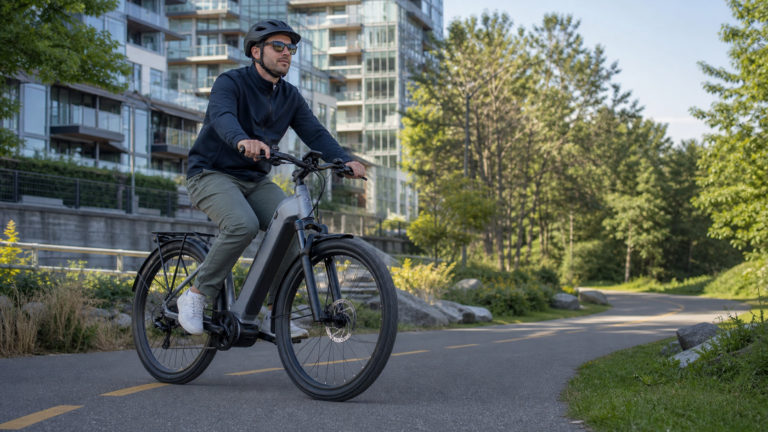
An electric hybrid is designed to handle a mixture of everyday riding.
Hybrid models often combine a moderately upright position with practical tyres and mounting points for racks or mudguards. This can make them suitable for commuting, leisure riding and local journeys.
They are worth considering when you want one bicycle for several purposes.
Electric Commuter Bikes
A commuter e bike is designed around regular transport rather than specialist off road performance.
Useful features can include integrated lights, mudguards, luggage racks and puncture resistant tyres. These components may increase the initial price but can make the bike more practical from the beginning.
Choosing an Electric Bike UK Commuters Can Rely On
Daily commuters should consider reliability and comfort alongside electrical specifications.
Think about how you will carry a laptop or other belongings. Consider whether the battery can be removed for indoor charging and whether the bicycle can be stored securely at both ends of the journey.
The availability of local servicing can also be more important than a small difference in battery capacity.
Folding Electric Bikes
Folding e bikes are useful for riders with limited storage or journeys combining cycling with other forms of transport.
Before buying, check the folded dimensions and bicycle weight. Electric components can make folding models noticeably heavier than their conventional equivalents.
If you intend to travel by train, check the relevant operator’s current cycle policy. Individual transport providers can have different restrictions.
Electric Mountain Bikes
Electric mountain bikes are designed for appropriate off road riding.
They commonly feature wider tyres, capable brakes, stronger frames and suspension. Many use mid drive motor systems that work effectively with the bicycle’s gearing.
Owning an off road capable e bike does not automatically grant access to every trail. Riders should follow applicable access rules and local restrictions.
Electric Cargo Bikes
Cargo bikes are designed to transport larger loads than ordinary bicycles.
Motor assistance can be particularly useful because cargo significantly increases total weight. Some models are specifically designed to transport children or other passengers when correctly equipped.
Users should follow the manufacturer’s limits for total load, passenger arrangements and accessories.
Electric Bike Motors Explained
The motor has a substantial influence on how an e bike feels, but wattage alone is a poor way to judge overall quality.
Motor position, torque characteristics, sensors, software and gearing all influence performance.
Hub Drive Motors
Hub motors are built into the hub of the front or rear wheel.
Rear hub systems are common on many city, commuter and relatively affordable electric bicycles. They send power directly to the wheel rather than through the bicycle drivetrain.
A well configured hub system can be a practical choice for everyday urban riding.
Mid Drive Motors
A mid drive motor is located around the bicycle’s crank area.
Power is delivered through the drivetrain, allowing the motor to work with the bicycle’s gears. This can be particularly useful on hills and varying terrain.
Mid drive systems are widely found on trekking, mountain, cargo and premium commuter bicycles.
Drivetrain maintenance remains important because motor assistance can increase the loads placed on chains and related components.
Torque and Cadence Sensors
Cadence sensors primarily detect pedal movement. Torque sensors measure the force the rider applies.
A torque sensing system can respond proportionally to rider effort and may create a more natural sensation.
Neither sensor type guarantees a better bicycle by itself. System calibration and overall engineering also matter.
Which Electric Bike UK Motor Is Best?
The ideal motor depends on where and how you ride.
A hub motor can be an effective option for relatively straightforward commuting. A mid drive system may appeal to riders who regularly encounter steep gradients, carry cargo or ride on demanding terrain.
Test riding different systems is the most reliable way to discover which power delivery you prefer.
Electric Bike Battery and Range Explained
Battery capacity is normally expressed in watt hours, written as Wh.
A larger Wh figure indicates that the battery stores more energy. It does not tell you exactly how far the bicycle will travel because energy consumption changes constantly.
What Affects E Bike Range?
The most important range variables include:
• Battery capacity and condition
• Assistance level
• Rider and cargo weight
• Hills and terrain
• Headwinds
• Temperature
• Tyre choice and pressure
• Riding speed
• Frequent acceleration
• Motor efficiency
A range figure advertised by a manufacturer should therefore be understood within the test conditions or assumptions used to produce it.
How Much Battery Range Do You Need?
Calculate the distance of your typical return journey first.
If your normal commute is relatively short, buying the largest battery available may add unnecessary cost and weight. Longer routes without charging opportunities may justify greater capacity.
Allowing some reserve is sensible because colder temperatures, hills, wind, higher assistance settings and battery ageing can reduce usable range.
Electric Bike UK Battery Charging and Storage
Use the charger supplied or approved for the specific battery system.
Follow manufacturer guidance about charging temperatures, storage conditions and long periods of non use. Avoid charging a battery that shows obvious physical damage, swelling or other abnormal behaviour.
Do not attempt unqualified repairs to lithium ion battery packs.
When battery replacement becomes necessary, use a compatible product approved for the relevant system. Battery safety is more important than saving money through an unsuitable substitute.
How Much Does an Electric Bike Cost in the UK?
There is no meaningful single price for an electric bike because products range from basic commuter models to premium cargo and mountain bicycles.
Price differences can reflect the battery, motor system, frame, brakes, gears, display, accessories, warranty and manufacturer support.
Rather than looking only at purchase price, consider total ownership cost.
What Determines Electric Bike Price?
Battery capacity can influence price because the battery is a significant component.
Premium motors and control systems may also cost more. Frames, hydraulic brakes, suspension, drivetrain components and integrated accessories create further differences.
The cheapest model is not necessarily the least expensive to own if compatible batteries or electrical components become difficult to obtain.
Running and Maintenance Costs
Electric bicycles share many maintenance requirements with conventional bicycles.
Tyres wear, brake pads need replacement and chains require maintenance. E bikes also contain electrical components that may require specialist diagnosis.
Battery capacity gradually declines with age and use. The rate varies depending on battery chemistry, usage, charging behaviour, storage and environmental conditions.
Before purchasing, check the cost and availability of a replacement battery.
How to Choose an Electric Bike UK Buyers Can Trust
A good buying decision begins with intended use rather than specifications.
Write down your normal distance, terrain, storage arrangements and cargo requirements. Then consider which bicycle category fits those circumstances.
Get the Correct Frame Size
Electric assistance cannot fix an uncomfortable bicycle.
Frame geometry affects riding position, handling and comfort. Because manufacturers use different sizing systems, check the size chart for the particular bicycle rather than relying solely on generic size labels.
A test ride is preferable whenever possible.
Check the Overall Weight
Electric bikes are generally heavier than comparable unassisted bicycles because they contain a motor, battery and additional electrical hardware.
Weight becomes particularly important if you need to carry the bicycle upstairs, place it in a vehicle or regularly lift it onto storage equipment.
Check the complete bicycle weight rather than guessing from appearance.
Look at Brake Quality
Reliable braking is essential on any bicycle.
Disc brakes are common on modern e bikes, with both mechanical and hydraulic systems available. Hydraulic disc brakes are popular on many higher specification models because they can provide powerful, controllable braking.
Brake condition and proper maintenance remain critical regardless of type.
Consider Tyres and Comfort
Tyres influence grip, rolling resistance, comfort and puncture protection.
A city commuter may prefer durable tyres intended for paved surfaces. Off road riders need tread appropriate to their terrain.
Suspension can improve comfort in certain environments, but it also adds complexity and weight. Good tyres and an appropriate frame can often have a substantial effect on everyday comfort.
Test Riding an Electric Bike UK Model
During a test ride, evaluate more than motor power.
Check whether the controls are intuitive and whether assistance starts and stops smoothly. Test the brakes and gears, assess the riding position and listen for unusual noises.
If possible, ride on conditions representative of your normal route.
Electric Bike Safety in the UK
Good equipment cannot substitute for responsible riding and regular maintenance.
Check tyre condition and pressure, brakes, wheels and critical components regularly. Follow the bicycle manufacturer’s service schedule and address unusual sounds or changes in handling.
Lights and visibility are especially important when riding after dark or in poor conditions.
Lithium Ion Battery Safety
Lithium ion batteries store considerable energy and should be treated accordingly.
Use compatible charging equipment and follow the manufacturer’s instructions. Damaged batteries should be assessed through appropriate professional channels rather than opened or repaired casually.
Buyers should be cautious of products lacking clear manufacturer information, safety documentation or reliable after sales support.
E Bike Security
Electric bikes can represent a substantial investment, which makes theft protection important.
Use an appropriate quality lock and secure the frame to a robust fixed object. Depending on the value of the bicycle and the situation, using more than one lock may provide additional security.
If you purchase insurance, carefully check its locking and storage requirements. Failure to follow policy conditions can affect coverage.
Maintaining Your Electric Bike
Routine care can improve reliability and extend the useful life of mechanical components.
Keep the drivetrain reasonably clean and lubricated according to product guidance. Monitor brake wear and maintain correct tyre pressures.
Electrical systems generally require less routine attention from the owner, but connectors, displays and cables should still be inspected for obvious damage.
Professional E Bike Servicing
Some maintenance tasks are similar to those required on conventional bicycles, while electrical diagnostics can require specialist equipment and training.
Ask before purchasing whether local workshops support the motor and battery system used by your chosen model.
This is particularly important for proprietary systems.
Long Term Electric Bike UK Ownership
Think beyond the first year of ownership.
Ask whether replacement batteries, displays, chargers and motor related components are available. Consider how warranty claims are processed and whether qualified service centres operate within a reasonable distance.
Strong product support can make an e bike much easier to maintain over its working life.
Buying a New or Used Electric Bike
A new electric bike normally offers the clearest warranty coverage and known battery history.
A used model can cost less, but it requires additional inspection.
Battery condition is particularly important because replacing it can represent a significant expense. Ask about the age of the battery, usage and charging history where reliable information is available.
Inspect the frame, drivetrain, brakes, tyres and electrical system. Confirm that the correct charger is supplied and that replacement components remain obtainable.
For higher value purchases, take reasonable measures to verify ownership and avoid buying a potentially stolen bicycle.
SEO Search Intent: What UK E Bike Buyers Really Need to Compare
People searching for electric bicycles commonly want to understand legality, price, range and suitability.
These factors should be considered together rather than separately. A bicycle offering exceptional claimed range is poor value if it is uncomfortable, difficult to service or inappropriate for your journey.
For most buyers, a sensible comparison should focus on fit, legal compliance, realistic battery capacity, motor behaviour, total weight, brakes, warranty and after sales service.
Electric Bike Versus Regular Bike
A conventional bicycle is generally lighter, mechanically simpler and less expensive to maintain.
An electric bicycle adds motor assistance at the cost of additional weight, complexity and purchase expense.
The better option depends on the rider. Someone covering short flat journeys may have little need for electrical assistance. A commuter facing longer distances or repeated hills may find assistance significantly more useful.
Electric Bike Versus Electric Scooter
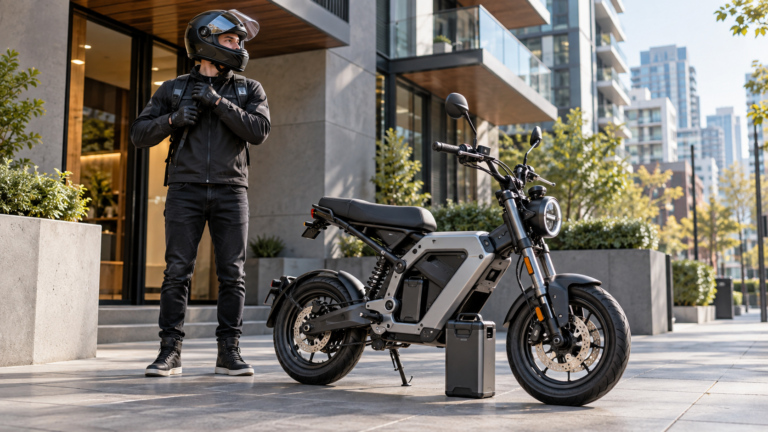
These products should not be assumed to have the same legal status.
A qualifying EAPC is treated differently from a privately owned electric scooter under UK road traffic rules. Consumers should check current government guidance before using any electrically powered transport device on public roads or other public spaces.
Why Legal Classification Matters for Electric Bike UK Searches
Terms such as electric bicycle, e bike, electric moped and electric scooter are sometimes used loosely online.
Legally, technical characteristics can determine how a vehicle is classified. Buyers should therefore evaluate the actual vehicle rather than relying solely on the marketing name attached to it.
This distinction can affect where a vehicle can be used and what legal requirements apply.
A Simple Electric Bike Buying Checklist
Before paying for an e bike, focus on practical questions rather than marketing claims.
• Confirm that the model meets applicable UK requirements for your intended use
• Choose the correct bicycle type for your normal journeys
• Check frame size and riding position
• Estimate your realistic daily range requirement
• Compare battery capacity and replacement cost
• Test motor assistance if possible
• Check brakes, tyres and gears
• Consider total bicycle weight
• Review the battery and bicycle warranty
• Confirm access to servicing and spare parts
• Budget for locks and useful accessories
• Check storage and charging arrangements
Taking these steps can prevent common purchasing mistakes and help narrow a large market to models that genuinely meet your needs.
Frequently Asked Questions
Are electric bikes legal in the UK?
Yes, qualifying EAPCs can be used under bicycle rules when they meet applicable legal requirements. Check current GOV.UK guidance for the relevant jurisdiction.
How fast can an electric bike go in the UK?
For a qualifying EAPC in Great Britain, electrical motor assistance must stop at 15.5 mph. The bicycle itself may travel faster through rider effort where lawful and safe.
Do you need a licence for an electric bike UK model?
You do not need a driving licence for a qualifying EAPC in Great Britain. Powered bicycles outside EAPC requirements can be subject to different vehicle rules.
How far will an electric bike travel on one charge?
There is no fixed distance. Range depends on battery capacity, terrain, assistance level, weather, rider weight, tyre pressure and other riding conditions.
How long does an electric bike battery last?
Battery lifespan varies with cell quality, charging patterns, temperature, storage and usage. Follow the manufacturer’s care guidance and check replacement availability before buying.
What is the best electric bike for UK commuting?
The best option fits your body, journey and budget while providing suitable range, dependable brakes, practical accessories and accessible servicing. A test ride can help confirm suitability.
Conclusion
Choosing an electric bike UK riders can use confidently requires more than comparing motor power or advertised range. Focus on legal compliance, comfortable sizing, realistic battery needs, reliable brakes, serviceability and long term product support. Match the bicycle to your actual commute or leisure riding conditions and test it when possible. A carefully selected e bike can make everyday cycling more practical while avoiding unnecessary features and ownership complications.